Totem pole pacific northwest
1344×768 · AVIF · CC BY 4.0
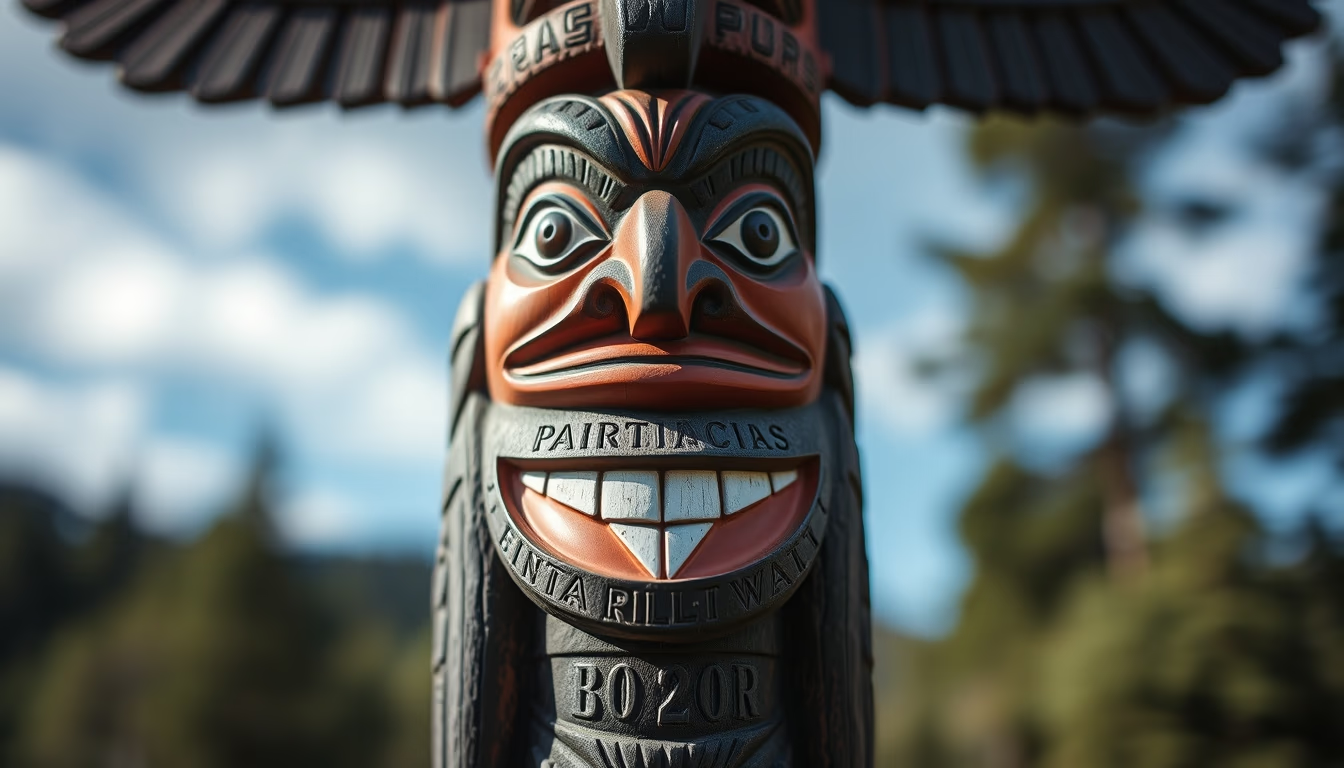
Totem poles of the Pacific Northwest are monumental carvings by Indigenous peoples such as Haida and Tlingit, telling ancestral stories and representing clans.
About this subject
Totem poles are monumental carvings typical of the Indigenous peoples of the Pacific Northwest Coast of North America, particularly the Haida, Tlingit, Tsimshian, Kwakwaka'wakw, and Nuu-chah-nulth. Traditionally carved from western red cedar (Thuja plicata), these poles can reach over 18 meters in height. Each carved figure, animals such as eagle, raven, wolf, bear, or orca, along with supernatural beings, has a specific meaning tied to family lineage, historical events, or creation myths.
Contrary to popular belief, totem poles were not religious objects of worship but visual records of genealogies, stories, and social status. They were erected in front of communal houses, at ceremonial sites, or as boundary markers. The carving process involved special ceremonies, and the raising of the pole was accompanied by a potlatch, a feast of gift-giving that reinforced community bonds.
Starting in the 19th century, European colonization and the Canadian government's ban on potlatches (1884, 1951) led to the decline of this art form. Many poles were destroyed, sold, or moved to museums. In recent decades, a cultural revival has seen Indigenous artists reclaiming traditional carving, with new poles being raised in communities and parks. The totem pole remains a powerful symbol of Indigenous identity and resilience in the region.
Frequently Asked Questions
What is the meaning of the animals depicted on totem poles?
Each animal has specific symbolism: the eagle represents power and vision, the raven is a creative trickster, the wolf symbolizes loyalty and strength, the bear denotes protection, and the orca is associated with nobility and navigation. The figures follow a hierarchy that tells the clan's story.
What wood are totem poles made from?
The traditional wood is western red cedar (Thuja plicata), valued for its moisture resistance and ease of carving. In some regions, yellow cedar is also used. The choice of tree involved rituals and thanks to the plant spirit.
Do totem poles have a religious function?
No, totem poles are not objects of worship. Their purpose is primarily narrative and social: recording genealogies, historical events, property rights, and family status. They were part of ceremonies such as the potlatch.
Direct URL
https://pub-c7d6a6ea828543ac903a74a341ccb2e1.r2.dev/imagens/totem-pole-pacific-northwest-tilt-shift-miniature-fresh17.avifHow to credit
Include a visible link back to UtilizAí. Copy one of the snippets below:
<a href="https://xn--utiliza-eza.com/en/midia/imagens/totem-pole-pacific-northwest-tilt-shift-miniature-fresh17">Totem pole pacific northwest</a> by <a href="https://xn--utiliza-eza.com">UtilizAí</a>, licensed under <a href="https://creativecommons.org/licenses/by/4.0/">CC BY 4.0</a>.
[Totem pole pacific northwest](https://xn--utiliza-eza.com/en/midia/imagens/totem-pole-pacific-northwest-tilt-shift-miniature-fresh17) by [UtilizAí](https://xn--utiliza-eza.com), CC BY 4.0
License: CC-BY-4.0