Maori carving pacific
1344×768 · AVIF · CC BY 4.0
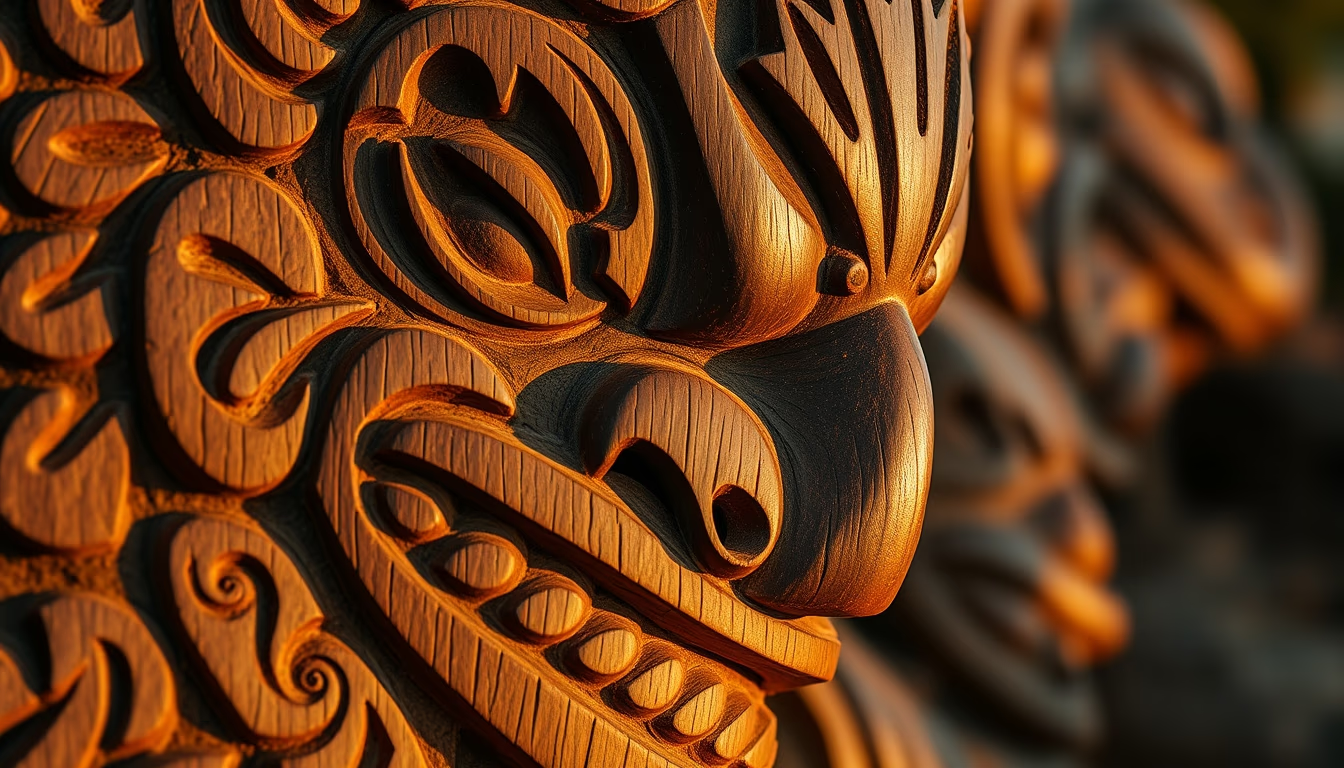
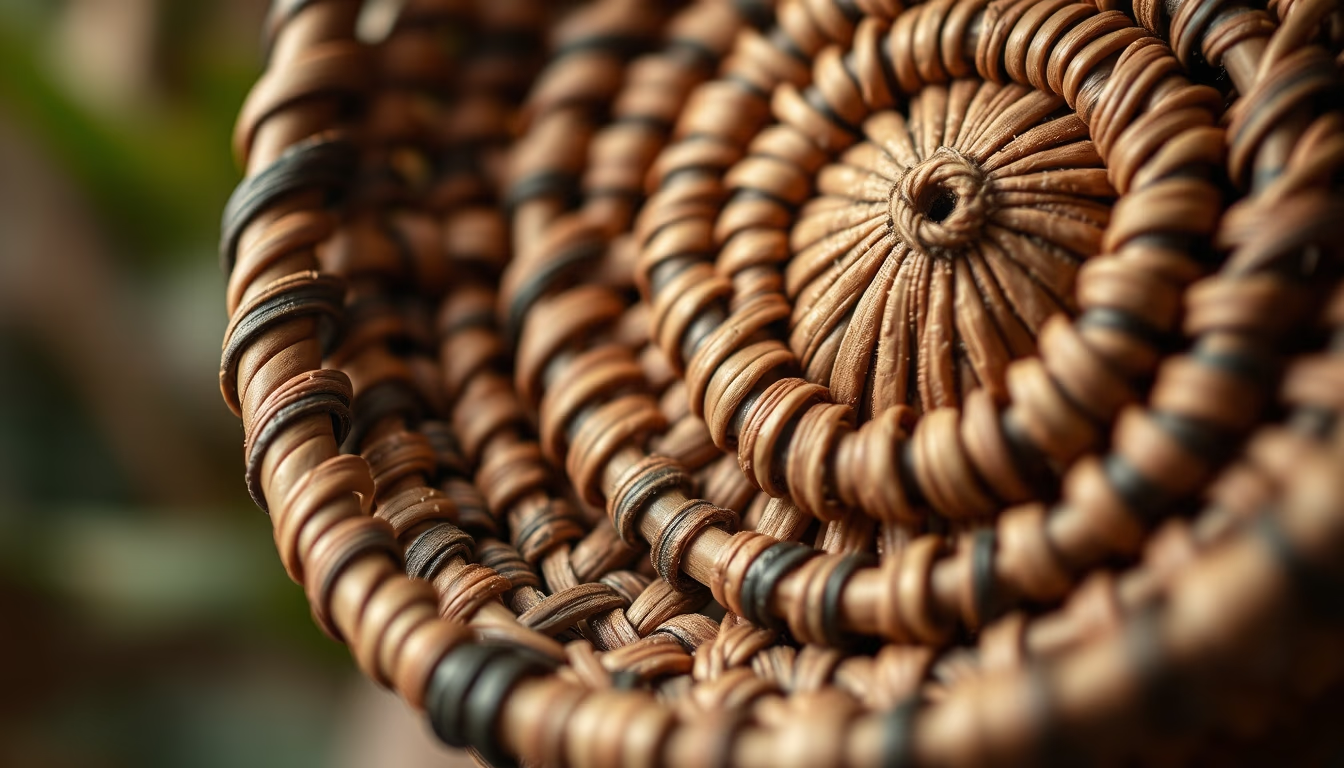
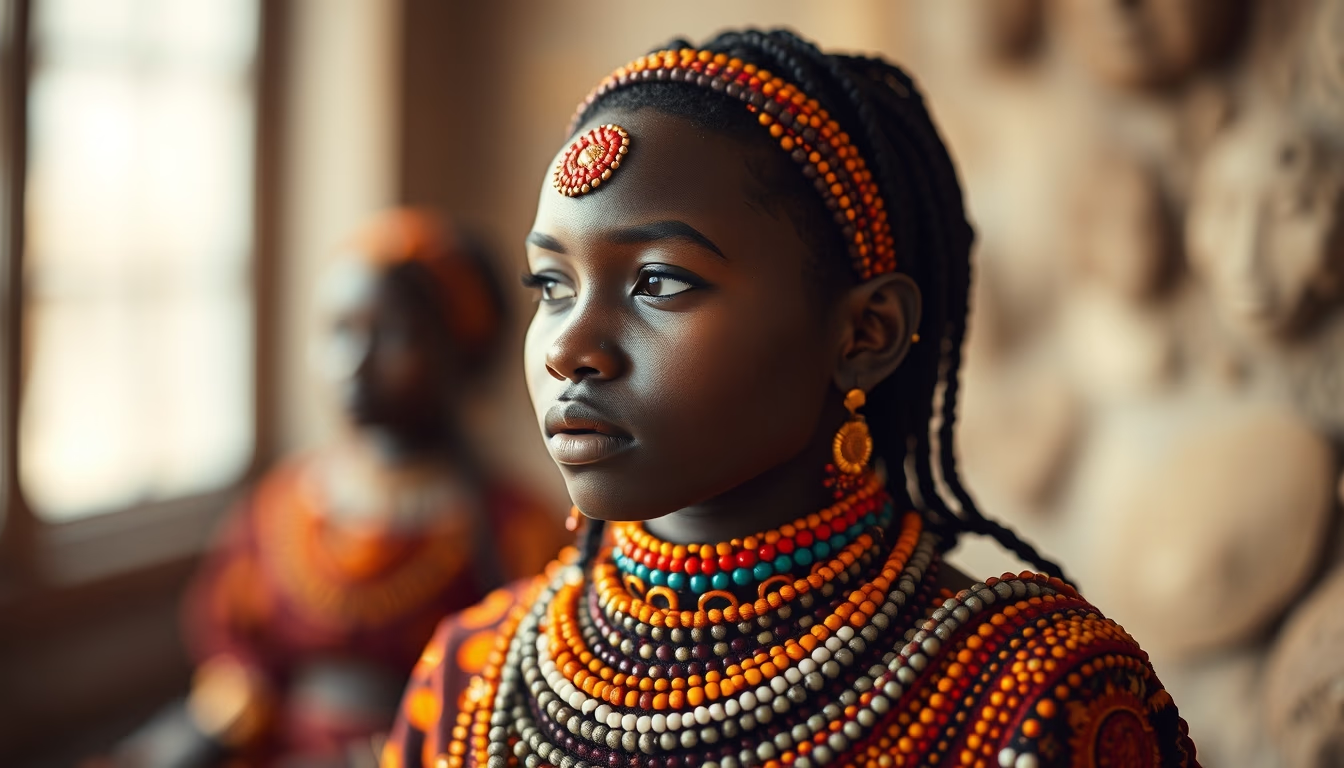
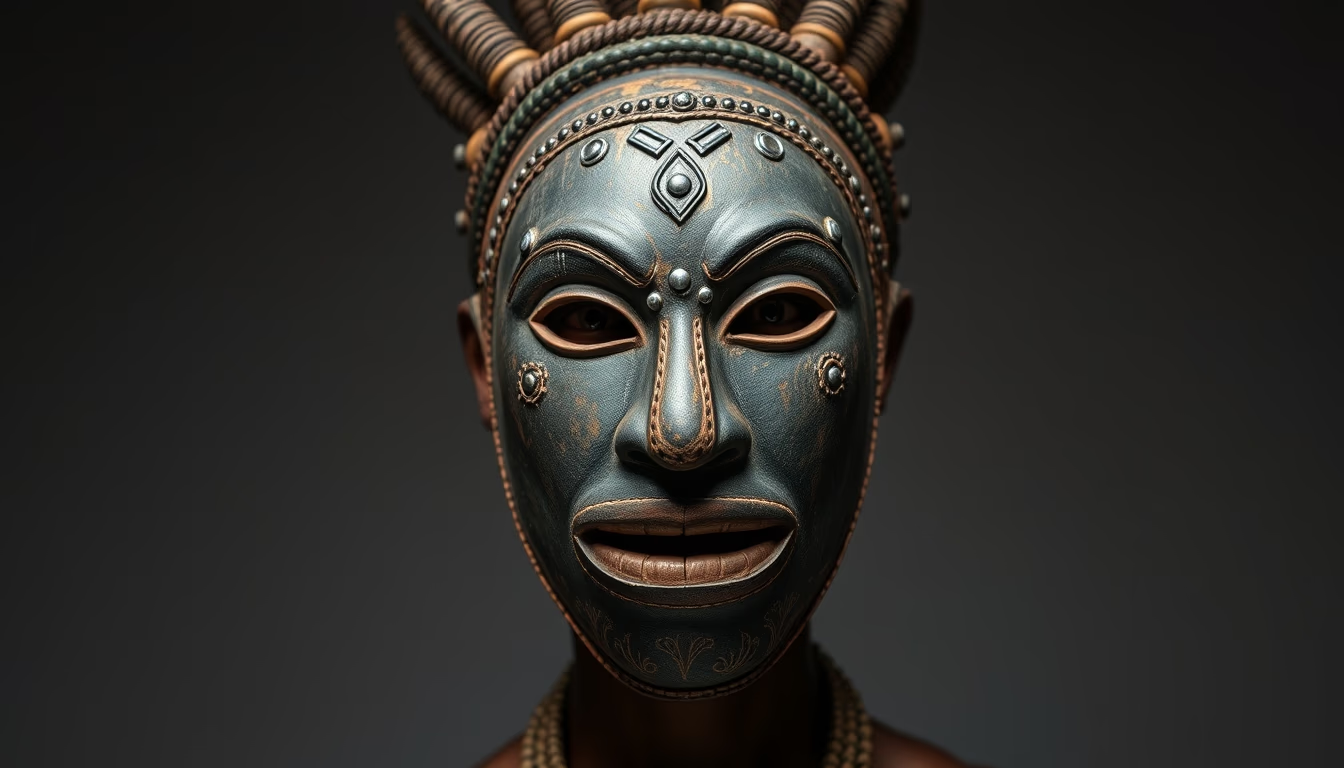
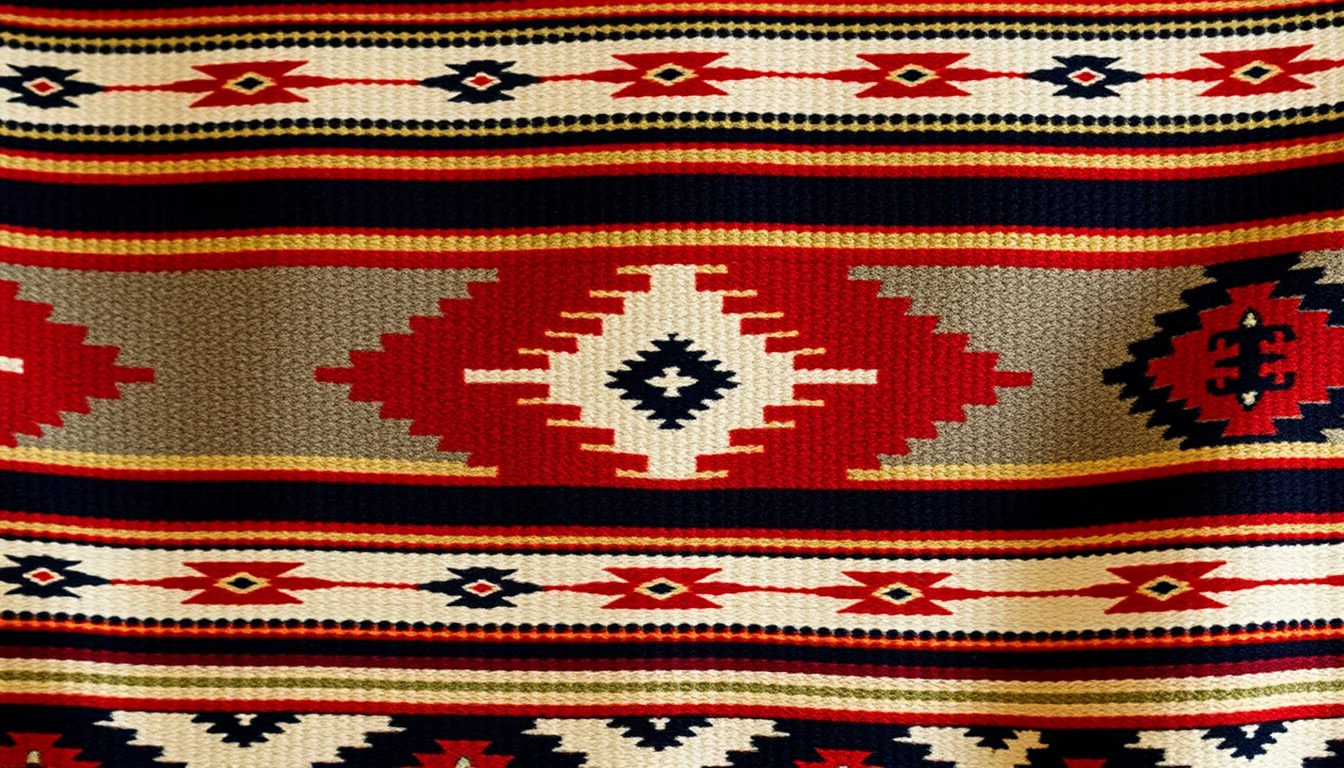
Maori carvings (whakairo) are artistic and spiritual expressions of the indigenous people of New Zealand, carved from wood, bone, or stone.
About this subject
Whakairo, the art of Maori carving, is an ancient tradition with deep cultural and spiritual significance. Each carving tells stories of ancestors, legends, and connections to nature, using patterns such as the koru (spiral), which symbolizes life and rebirth, and the tiki figure, representing the first man. Carvings are often made from totara wood, a native tree resistant to decay, or from pounamu (greenstone) and whale bone.
Traditional artists, known as tohunga whakairo, spent years learning chiseling techniques with stone and bone tools, before the introduction of metals by Europeans. Each piece is considered a taonga (treasure) and carries mana (prestige) and tapu (sacredness). Carvings adorn marae (meeting grounds), waka (canoes), and personal objects, reinforcing tribal identity.
In the Pacific context, Maori carvings share elements with other Polynesian islands but stand out for their characteristic use of spirals and stylized humanoid figures. The revival of Maori culture in the 20th century brought new life to whakairo, with art schools and international exhibitions. Today, the carvings are recognized as symbols of cultural resilience and artistic richness in New Zealand.
Frequently Asked Questions
What does a tiki symbolize in Maori culture?
The tiki represents the first man in Maori mythology, often associated with fertility and protection. It is one of the most common motifs in carvings and jewelry.
How are Maori carvings preserved over time?
Totara wood is naturally resistant, but pieces are stored in dry, ventilated areas. Museums apply conservation treatments to prevent insects and moisture.
What is the difference between whakairo and other Polynesian carvings?
Whakairo is distinguished by extensive use of spirals and curves, as well as figures with protruding tongues (whero) and mother-of-pearl eyes. The forms are more stylized and symbolic than in many other Pacific cultures.
Direct URL
https://pub-c7d6a6ea828543ac903a74a341ccb2e1.r2.dev/imagens/maori-carving-pacific-cinematic-wide-shot-fresh18.avifHow to credit
Include a visible link back to UtilizAí. Copy one of the snippets below:
<a href="https://xn--utiliza-eza.com/en/midia/imagens/maori-carving-pacific-cinematic-wide-shot-fresh18">Maori carving pacific</a> by <a href="https://xn--utiliza-eza.com">UtilizAí</a>, licensed under <a href="https://creativecommons.org/licenses/by/4.0/">CC BY 4.0</a>.
[Maori carving pacific](https://xn--utiliza-eza.com/en/midia/imagens/maori-carving-pacific-cinematic-wide-shot-fresh18) by [UtilizAí](https://xn--utiliza-eza.com), CC BY 4.0
License: CC-BY-4.0