Inuit sculpture stone
1344×768 · AVIF · CC BY 4.0
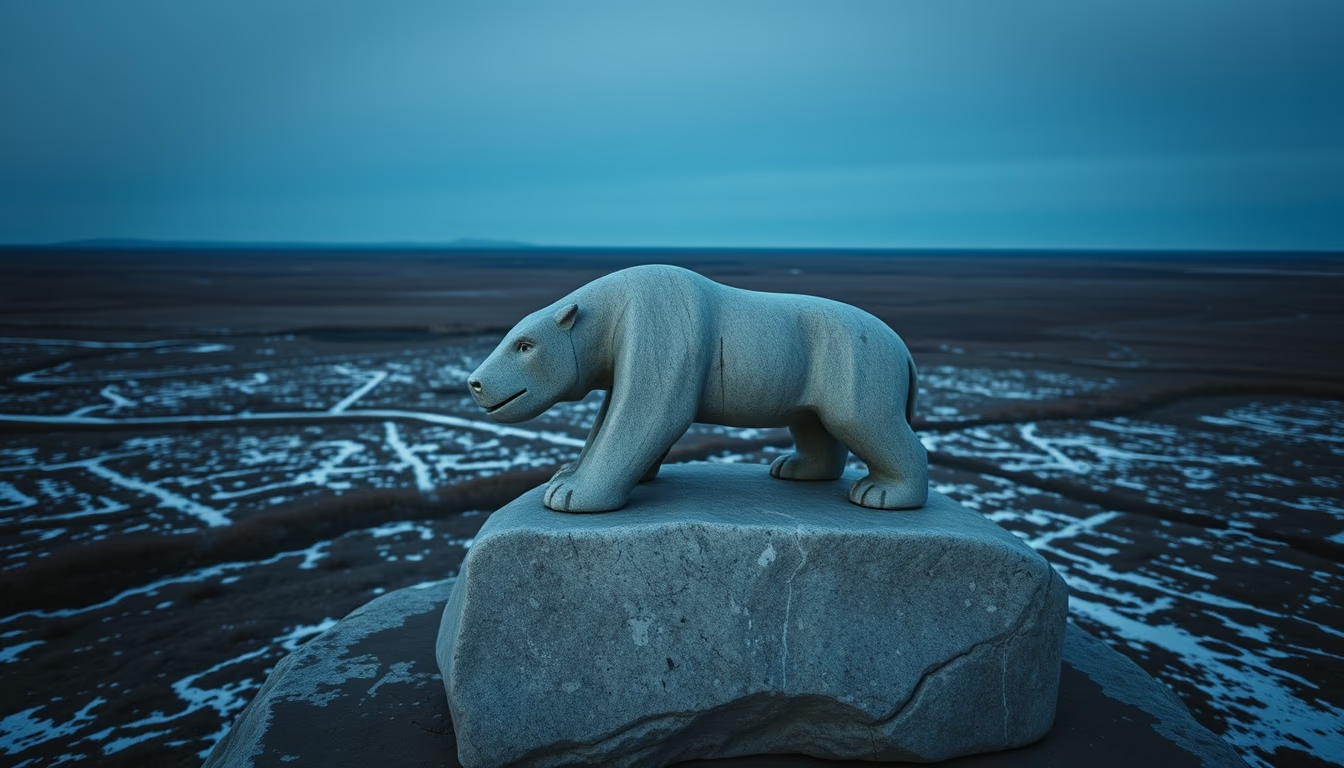
Inuit stone sculpture is an ancient art form depicting Arctic life, fauna, and mythology, carved from materials such as soapstone and serpentine.
About this subject
Inuit stone sculpture is one of the most iconic artistic expressions of the Arctic indigenous peoples. Traditionally, Inuit carvers used stones like soapstone, serpentine, and argillite to create small figures depicting animals, hunters, and mythological spirits. These works were often portable, reflecting the nomadic lifestyle of the Inuit people. The technique of stone carving has roots in the Dorset culture (500 BC to 1500 AD), but it flourished particularly in the 20th century when Canadian artist and missionary James Houston encouraged the commercialization of these pieces in southern Canada. Today, Inuit sculpture is recognized worldwide, with renowned artists such as Kenojuak Ashevak and Pudlo Pudlat, who also excel in printmaking. Sculptures range from a few centimeters to monumental public works, such as the 'Inuksuk' (a stone structure in human shape) that has become a symbol of Canada. In the marketplace, authenticity is crucial: pieces made from local stone by Inuit artists hold higher value. Besides soapstone, other rocks like Arctic marble and granite are also used, each offering unique textures and colors. Inuit stone sculpture is not just art; it is a means of preserving oral history and traditions of a people facing climatic and social changes in the far north of the planet.
Frequently Asked Questions
What materials are used in Inuit stone sculpture?
The most common materials are soapstone, serpentine, and argillite. In some regions, Arctic marble and granite are also used, each with distinct texture and color.
What is the cultural importance of Inuit sculptures?
They depict daily life, local wildlife, and mythological figures, serving as a medium to pass down oral histories and traditions. Additionally, the sale of these pieces generates income for Inuit communities.
How to identify an authentic Inuit sculpture?
Check the artist's signature (usually engraved on the base) and the provenance. Authentic pieces are made with local stones and come with a certificate of authenticity from organizations like the Inuit Art Foundation.
Direct URL
https://pub-c7d6a6ea828543ac903a74a341ccb2e1.r2.dev/imagens/inuit-sculpture-stone-aerial-drone-shot-fresh18.avifHow to credit
Include a visible link back to UtilizAí. Copy one of the snippets below:
<a href="https://xn--utiliza-eza.com/en/midia/imagens/inuit-sculpture-stone-aerial-drone-shot-fresh18">Inuit sculpture stone</a> by <a href="https://xn--utiliza-eza.com">UtilizAí</a>, licensed under <a href="https://creativecommons.org/licenses/by/4.0/">CC BY 4.0</a>.
[Inuit sculpture stone](https://xn--utiliza-eza.com/en/midia/imagens/inuit-sculpture-stone-aerial-drone-shot-fresh18) by [UtilizAí](https://xn--utiliza-eza.com), CC BY 4.0
License: CC-BY-4.0