Totem pole pacific northwest
1344×768 · AVIF · CC BY 4.0
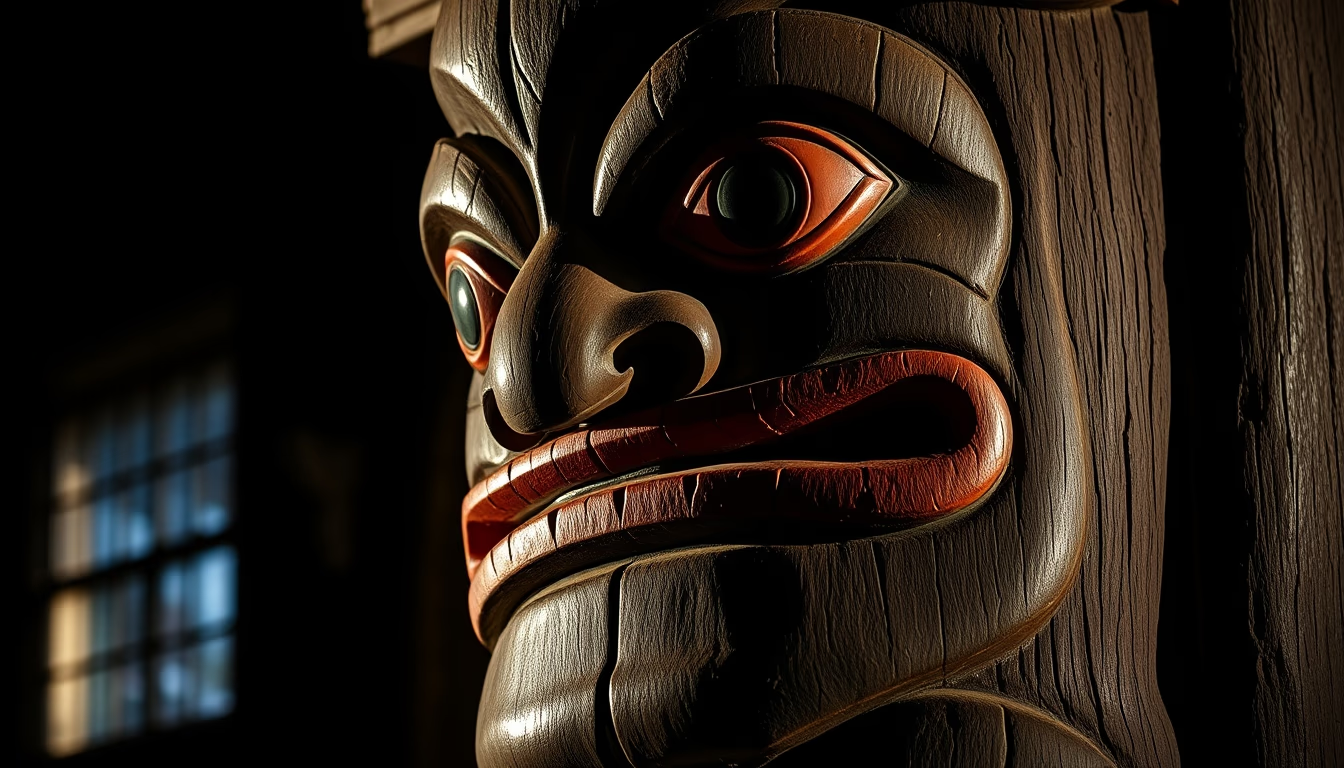
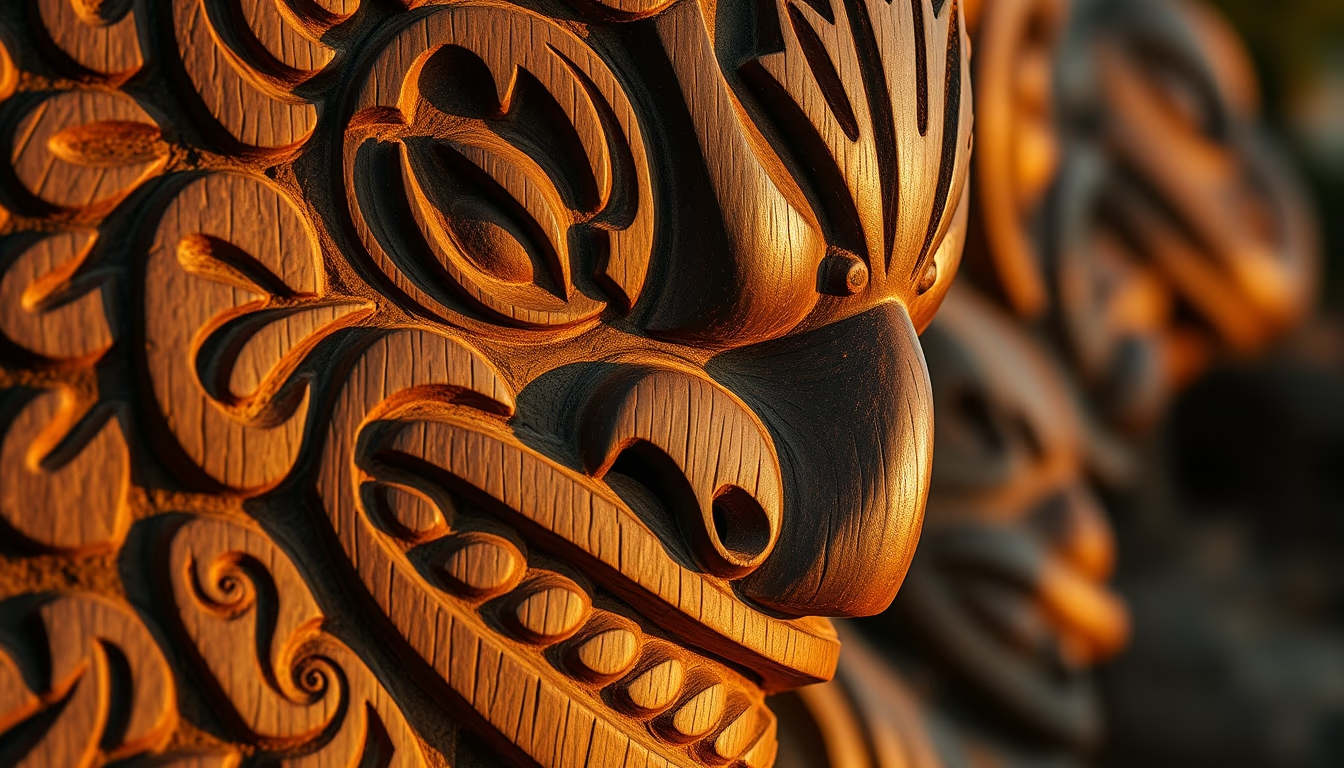
Pacific Northwest totem poles are monumental sculptures carved by Indigenous peoples like the Haida and Tlingit, representing stories, clans, and spirits.
About this subject
Pacific Northwest totem poles are monumental carvings created by Indigenous peoples of the coastal regions of Canada and the United States, including the Haida, Tlingit, Tsimshian, and Kwakwaka'wakw nations. Carved from red or yellow cedar logs, these poles can reach heights of 3 to over 20 meters. Each totem tells a complex story, recording family lineages, historical events, or supernatural myths through stylized figures of animals and humans, such as eagles, wolves, ravens, and killer whales.
The carving of a totem pole is a ritualized process that can take months or years. The master carver, or xuu.aat'aa, uses tools like adzes, chisels, and knives, often made of stone or metal, to sculpt the green wood. Traditional colors include black, red, and blue-green, derived from natural pigments like charcoal, ochre, and cinnabar. Totems were raised in ceremonies called potlatches, where the host asserted status and distributed wealth.
Contrary to popular belief, totem poles were not objects of religious worship but visual records of identity and prestige. Many were cut down by missionaries or collectors in the 19th century, but today there is a revival of this art. Indigenous communities like Haida Gwaii keep the tradition alive, with new poles erected in museums, parks, and ancestral territories. Vancouver's Stanley Park houses an iconic collection, the Brockton Point Totem Poles, attracting visitors worldwide.
Preservation of these poles is challenging due to moisture and rot, but modern conservation techniques and durable replicas ensure the stories continue. Totem pole art is recognized as intangible cultural heritage, and its influence can be seen in contemporary art, fashion, and architecture. With each new pole, the memory and resilience of Pacific Northwest peoples are reaffirmed.
Frequently Asked Questions
What do the animal carvings on totem poles mean?
Each animal represents a clan, a quality, or a mythical event. For example, the eagle symbolizes power and leadership, the raven is a trickster creator, and the killer whale stands for protection and strength.
Are totem poles religious objects?
No. They are not worshipped as idols. They are visual records of family history, social status, and cultural narratives, raised during ceremonies like the potlatch.
Where can I see authentic totem poles today?
Museums such as the Royal BC Museum (Victoria) and the UBC Museum of Anthropology (Vancouver) have collections. Also in parks like Brockton Point in Stanley Park, and in Indigenous communities like Skidegate (Haida Gwaii).
Direct URL
https://pub-c7d6a6ea828543ac903a74a341ccb2e1.r2.dev/imagens/totem-pole-pacific-northwest-rembrandt-lighting-dramatic-shadows-fresh18.avifHow to credit
Include a visible link back to UtilizAí. Copy one of the snippets below:
<a href="https://xn--utiliza-eza.com/en/midia/imagens/totem-pole-pacific-northwest-rembrandt-lighting-dramatic-shadows-fresh18">Totem pole pacific northwest</a> by <a href="https://xn--utiliza-eza.com">UtilizAí</a>, licensed under <a href="https://creativecommons.org/licenses/by/4.0/">CC BY 4.0</a>.
[Totem pole pacific northwest](https://xn--utiliza-eza.com/en/midia/imagens/totem-pole-pacific-northwest-rembrandt-lighting-dramatic-shadows-fresh18) by [UtilizAí](https://xn--utiliza-eza.com), CC BY 4.0
License: CC-BY-4.0