Maori carving pacific
1344×768 · AVIF · CC BY 4.0
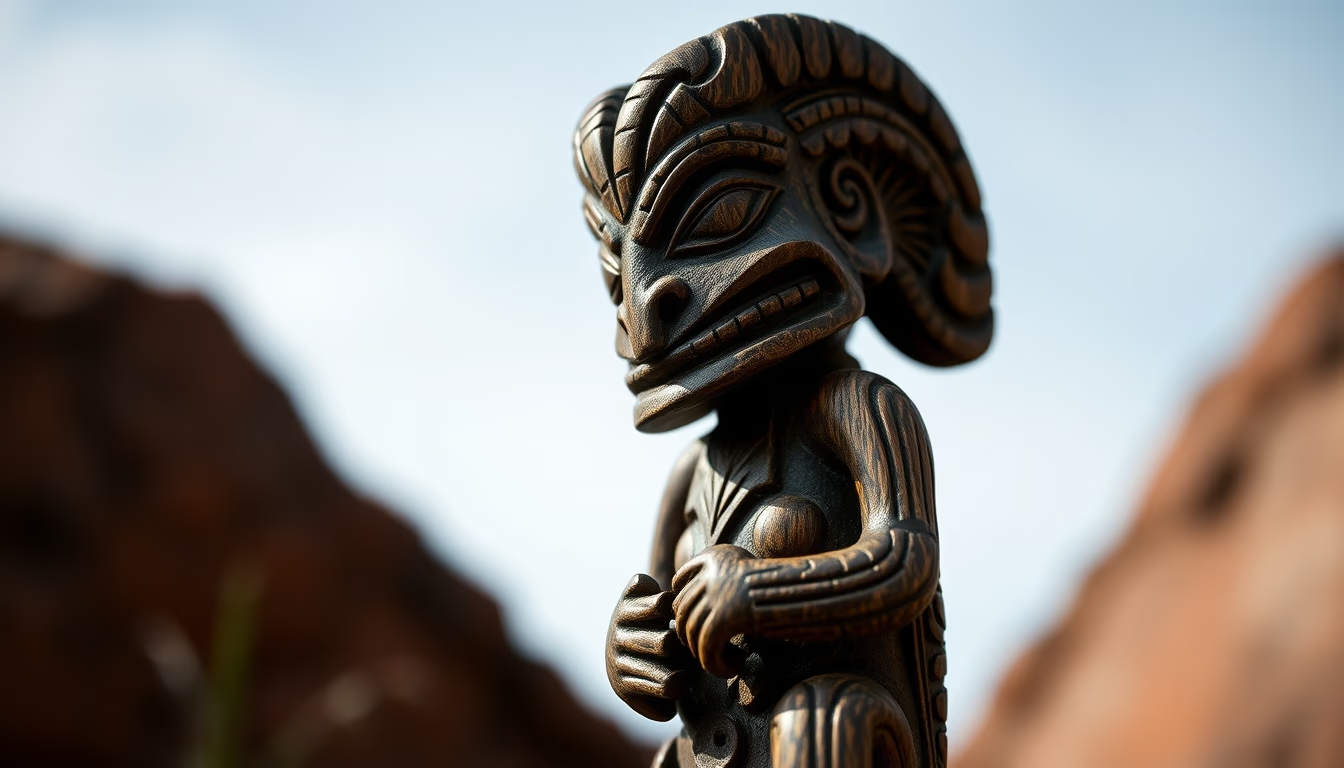
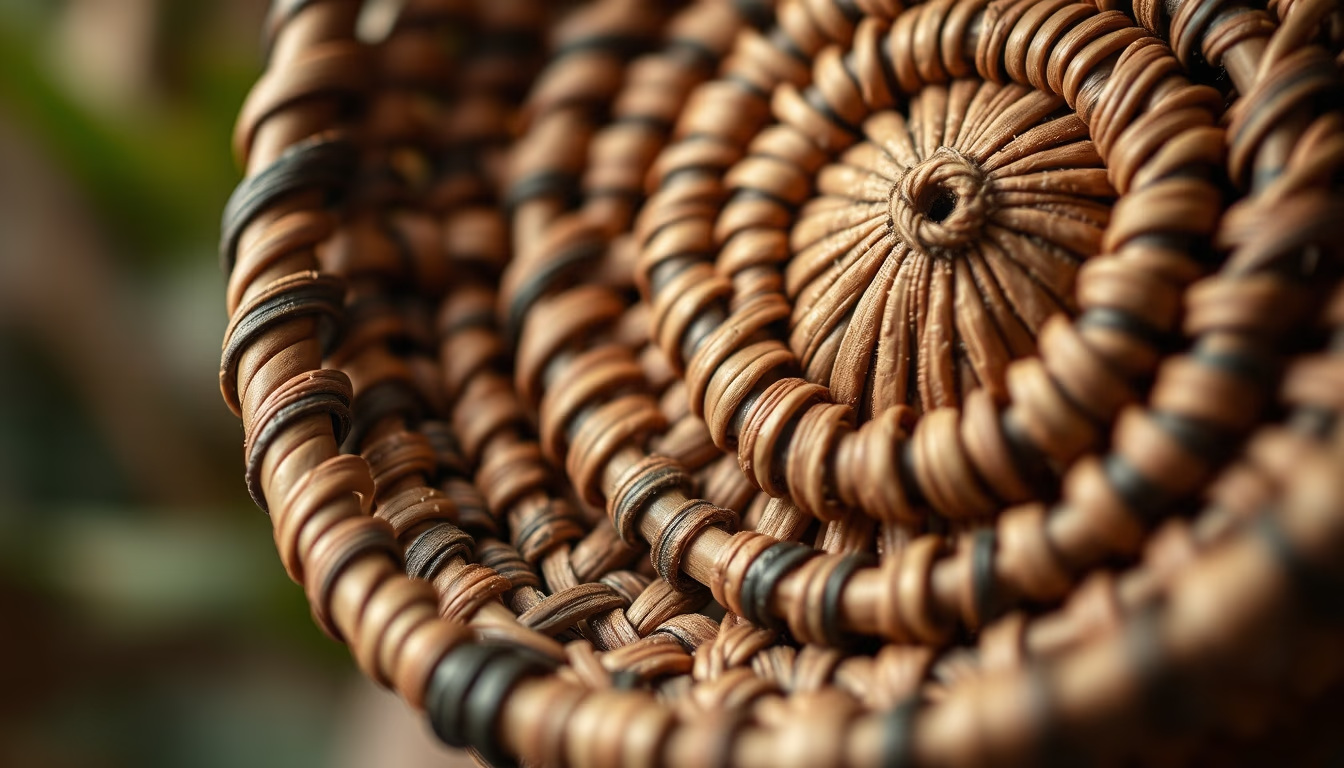
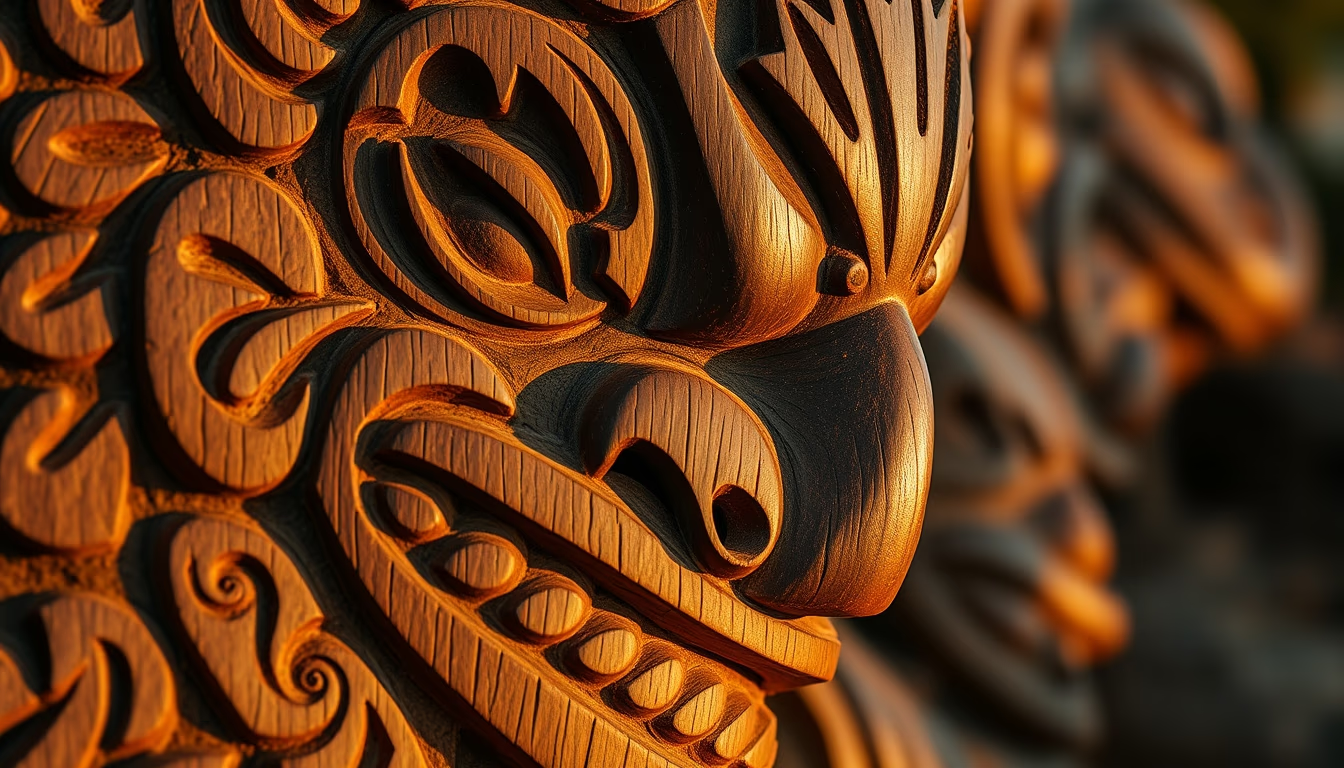
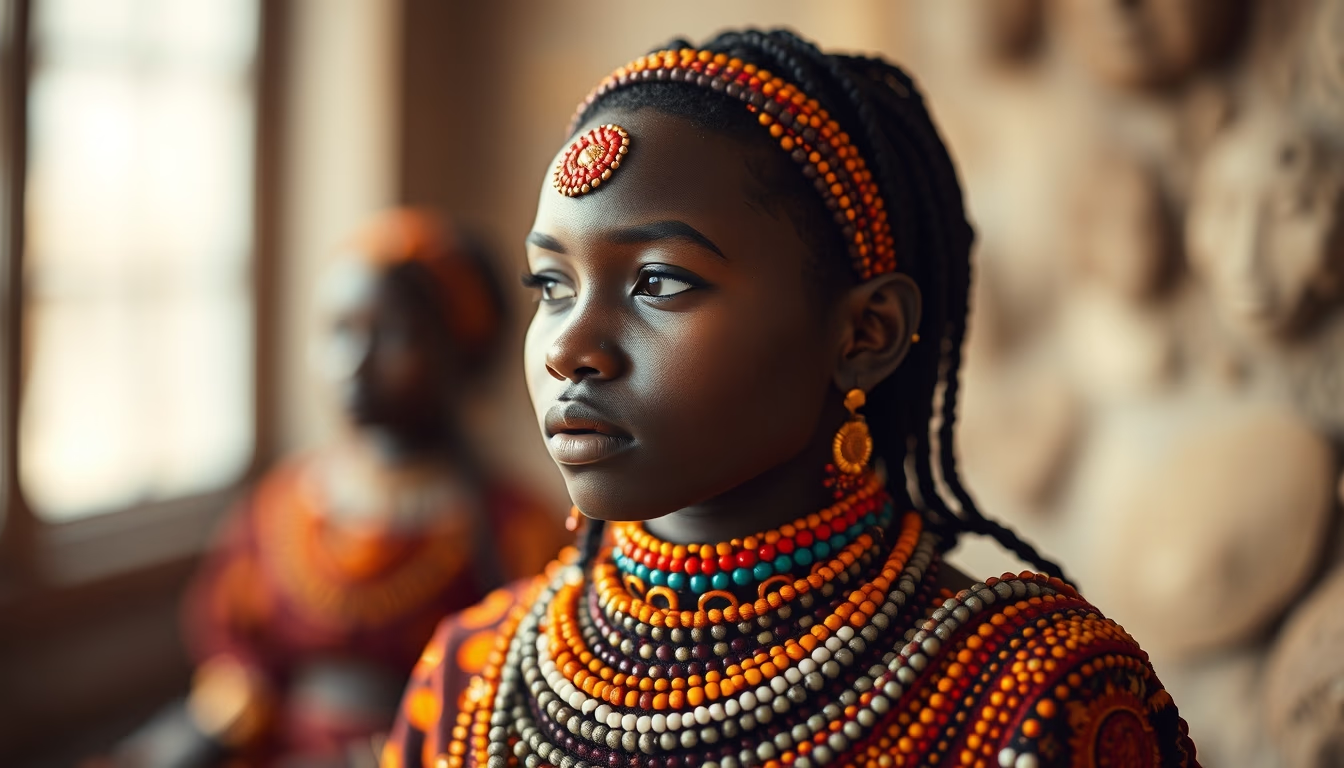
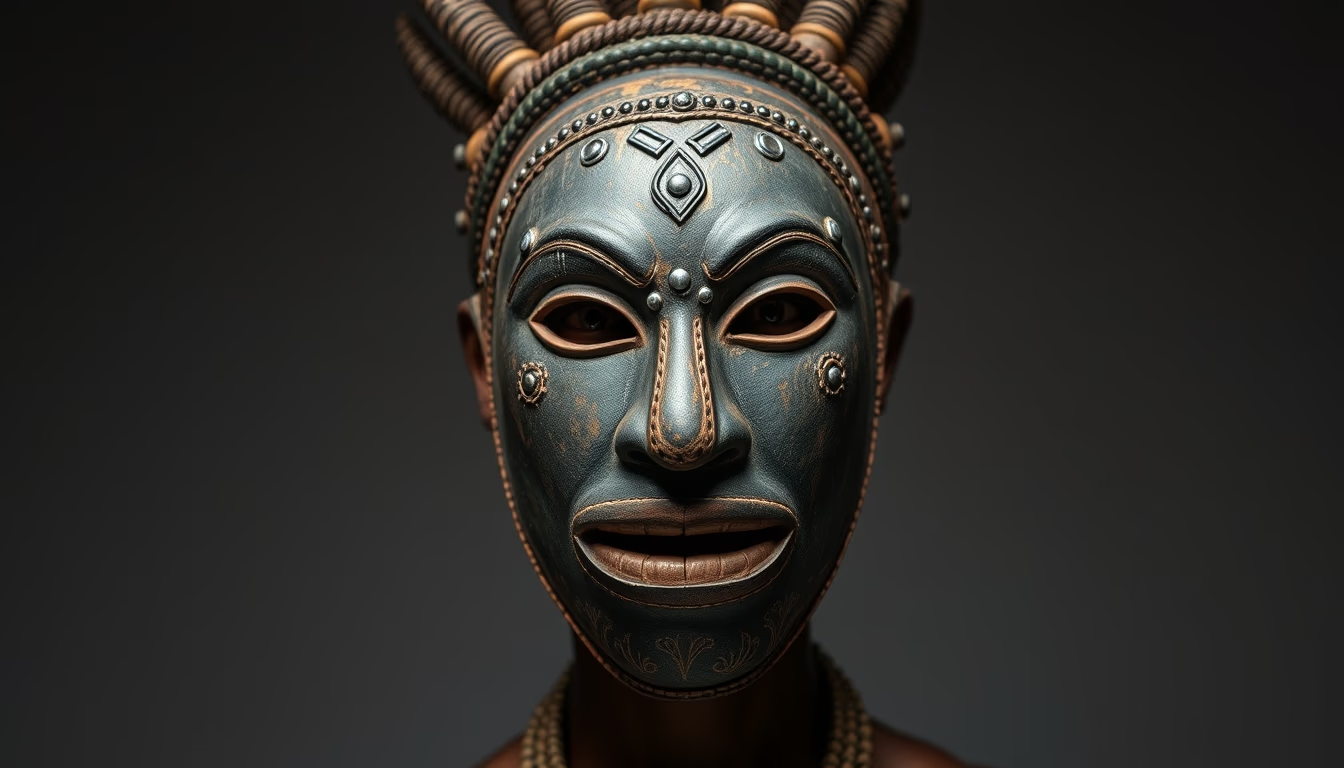
Maori carving is a traditional art form from New Zealand, rich in symbolism and passed down through generations.
About this subject
Maori carving, known as whakairo, is an ancient practice of the Maori people, the indigenous inhabitants of New Zealand. Used to adorn meeting houses (wharenui), canoes (waka), and ceremonial objects, each carving carries deep meanings tied to genealogy, mythology, and tribal history. The artists, called tohunga whakairo, are highly respected and spend years learning traditional techniques and patterns.
Primary materials are wood, especially from trees like totara and kauri, as well as bone, stone, and jade (pounamu). Carvings often feature stylized human figures with protruding tongues, large eyes, and spiral patterns called koru, symbolizing life cycles and renewal. Every curve and detail has a specific name and purpose, conveying sacred knowledge.
Historically, European arrival in the 18th century introduced metal tools, revolutionizing carving precision but also threatening cultural continuity. Today, whakairo is experiencing a revival, with schools and studios dedicated to preserving and innovating this art. Contemporary carvings can be seen across the Pacific, from airports in New Zealand to international museums like the British Museum.
A curiosity: the carving of a Maori figure often includes facial tattoos (moko), unique to each individual. Maori carving is not merely decorative but a visual record of the people's identity and history, connecting the present to ancestors.
Frequently Asked Questions
What is the meaning of the koru in Maori carvings?
The koru is a spiral representing the cycle of life, renewal, and growth. It is inspired by the unfurling fern frond, symbolizing new beginnings and connection to nature.
Who can become a traditional Maori carver?
Traditionally, knowledge of whakairo was passed within specific families or tribes, with apprentices undergoing rigorous spiritual and technical training. Today, there is renewed interest, and open schools teach techniques with respect to Maori culture.
Where can I see authentic examples of Maori carving?
Authentic examples can be seen at marae (Maori community complexes) in New Zealand, at the Museum of New Zealand Te Papa Tongarewa, and in international museums such as the British Museum and the Musée de l'Homme in Paris.
Direct URL
https://pub-c7d6a6ea828543ac903a74a341ccb2e1.r2.dev/imagens/maori-carving-pacific-tilt-shift-miniature-fresh15.avifHow to credit
Include a visible link back to UtilizAí. Copy one of the snippets below:
<a href="https://xn--utiliza-eza.com/en/midia/imagens/maori-carving-pacific-tilt-shift-miniature-fresh15">Maori carving pacific</a> by <a href="https://xn--utiliza-eza.com">UtilizAí</a>, licensed under <a href="https://creativecommons.org/licenses/by/4.0/">CC BY 4.0</a>.
[Maori carving pacific](https://xn--utiliza-eza.com/en/midia/imagens/maori-carving-pacific-tilt-shift-miniature-fresh15) by [UtilizAí](https://xn--utiliza-eza.com), CC BY 4.0
License: CC-BY-4.0