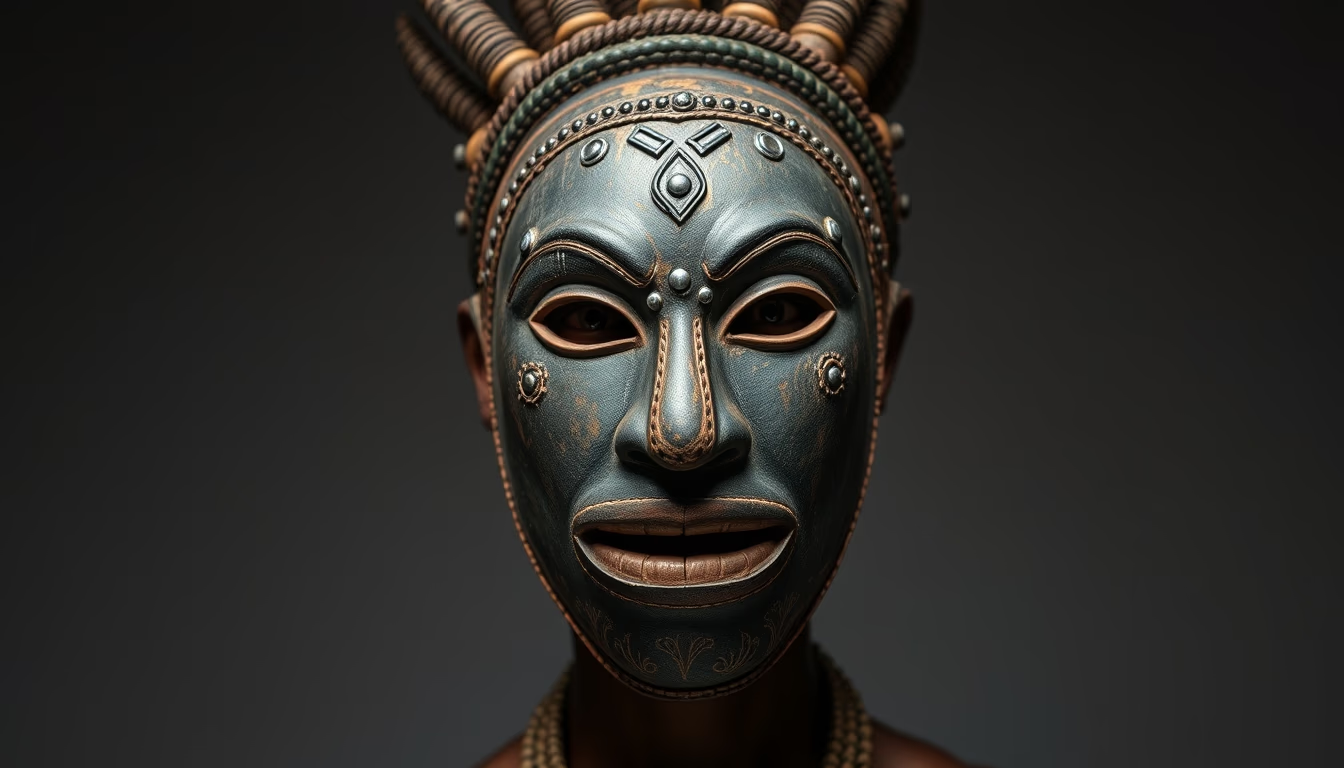
Maori carving pacific
1344×768 · AVIF · CC BY 4.0
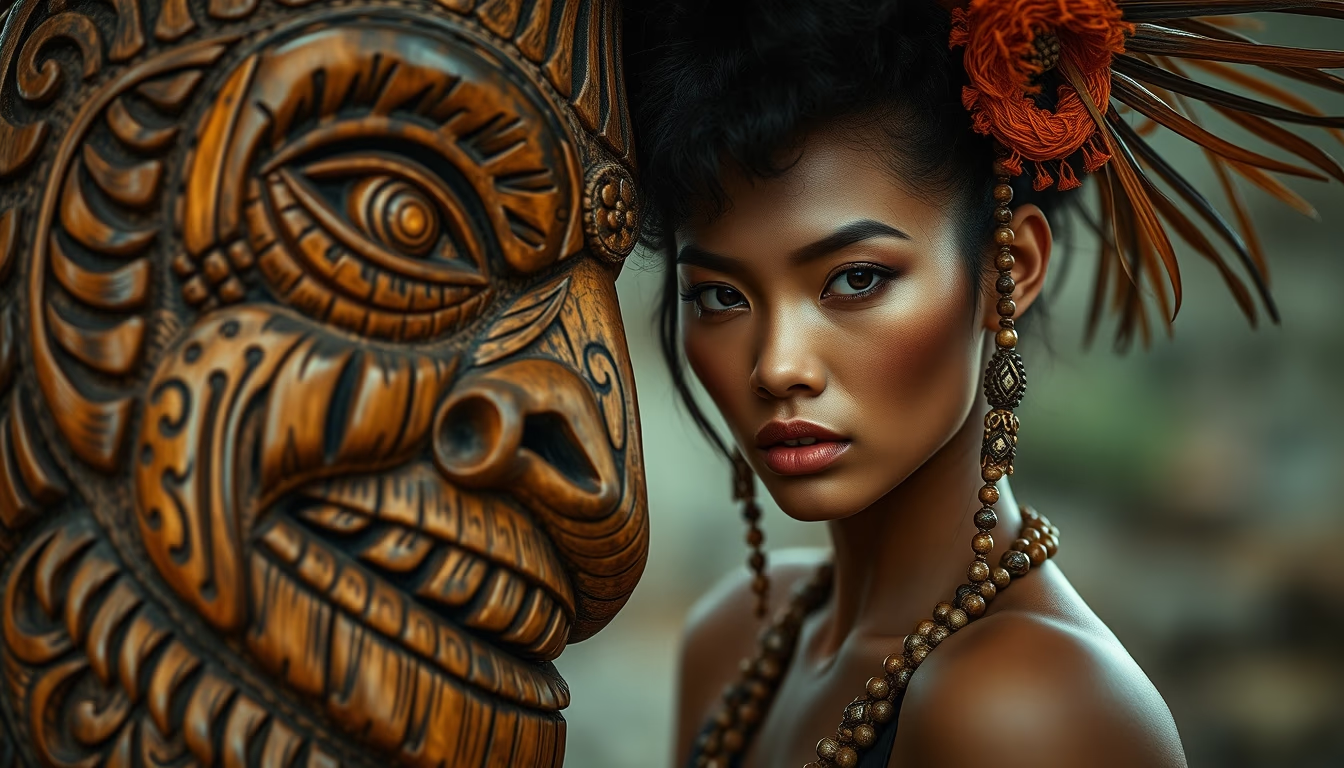
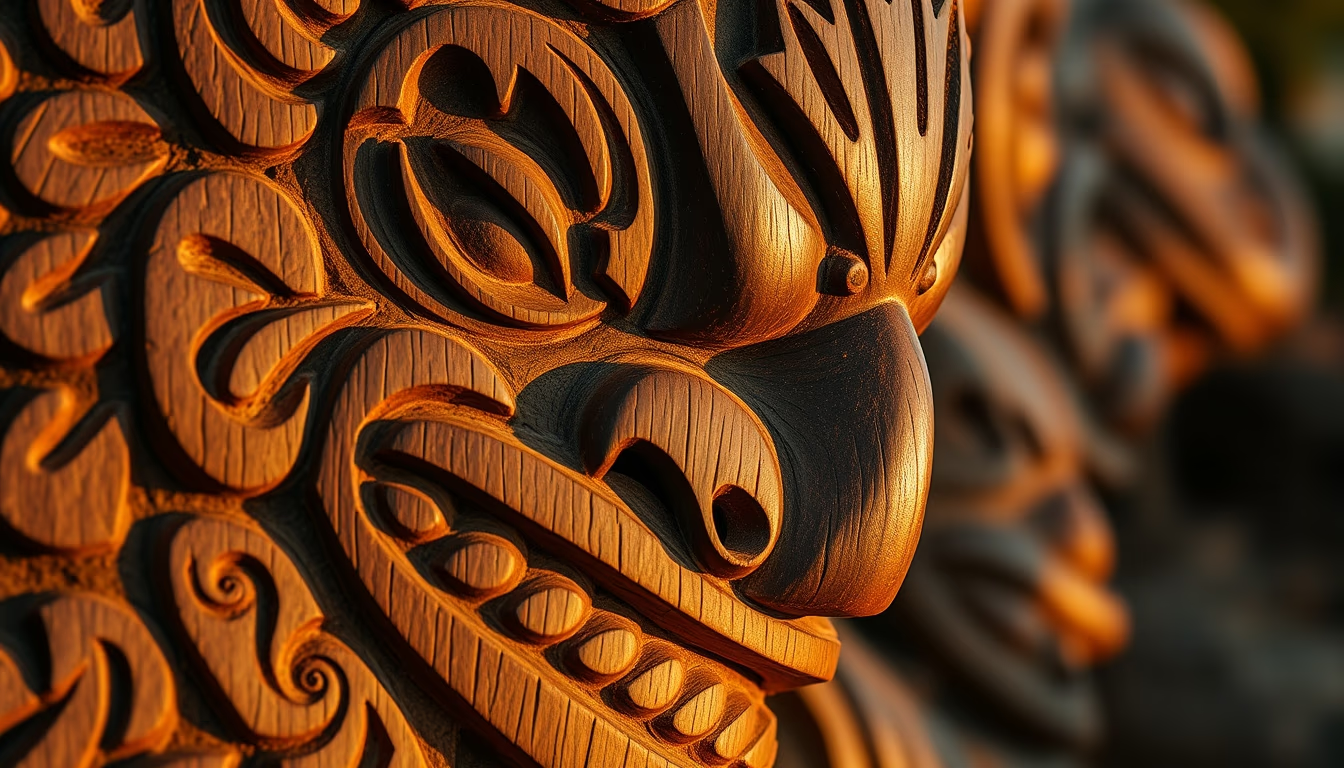
Entalhes maori, conhecidos como whakairo, representam a rica herança cultural do povo Māori da Nova Zelândia, com padrões e figuras ancestrais.
Sobre o tema
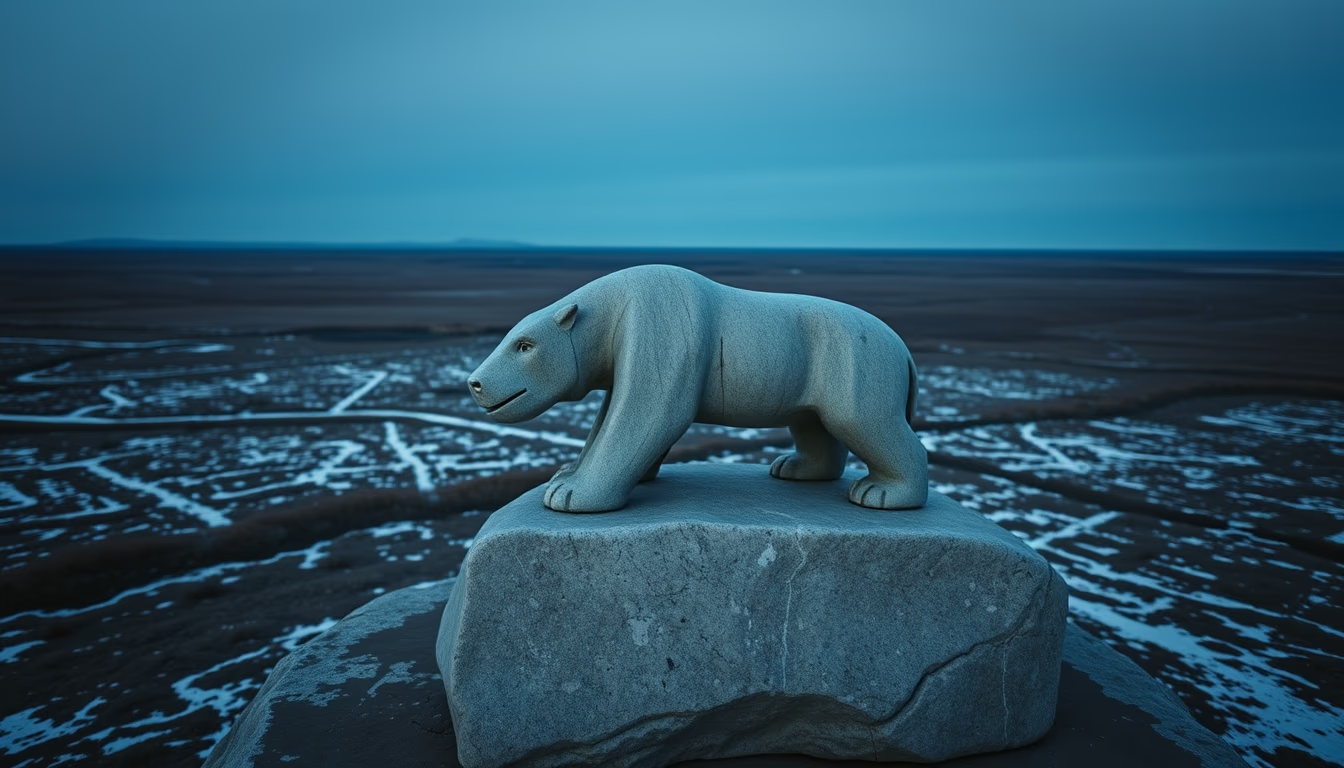
Os entalhes maori, ou whakairo, são uma forma de arte tradicional do povo Māori da Nova Zelândia, profundamente enraizada em sua história e cosmologia. Eles são esculpidos em diversos materiais como madeira, osso, pedra e pounamu (jade neozelandesa). Cada peça carrega significados espirituais e conta histórias de ancestrais, deuses e eventos importantes. As esculturas em madeira adornam casas de reunião (wharenui), canoas de guerra (waka taua) e outros objetos cerimoniais, funcionando como guardiões e registros genealógicos.
As técnicas de entalhe são transmitidas oralmente ao longo de gerações. Os artesãos, chamados tohunga whakairo, utilizam ferramentas como cinzéis e formões de osso ou pedra. Os motivos mais comuns incluem a espiral (koru), que simboliza o crescimento e a vida, e a figura humana estilizada (tiki), que representa os primeiros ancestrais. Cada curva e detalhe tem um propósito narrativo, muitas vezes codificando conhecimento tribal.
Culturalmente, os whakairo são considerados taonga (tesouros) e possuem um status sagrado. Eles são tratados com respeito e frequentemente seguem protocolos (kawa) para sua criação e exibição. A arte não é apenas decorativa, mas uma forma de manter viva a história e a identidade maori. Após o contato europeu, a tradição enfrentou declínio, mas desde o século XX houve um renascimento, com escolas de entalhe e reconhecimento internacional.
Hoje, os entalhes maori são apreciados globalmente como ícones da cultura neozelandesa. Eles influenciam o design contemporâneo, a moda e a arte, mantendo sua relevância. A prática continua evoluindo, combinando técnicas tradicionais com inovações modernas, mas sempre preservando a essência espiritual e ancestral que define o whakairo.
Perguntas frequentes
Qual o significado dos entalhes Māori?
Os entalhes Māori (whakairo) contam histórias de ancestrais, deuses e eventos importantes, além de representar conceitos como crescimento (koru) e proteção. Eles são considerados taonga (tesouros) e possuem um status sagrado, funcionando como registros genealógicos e guardiões espirituais.
Quais materiais são usados nos entalhes Māori?
Tradicionalmente, são usados madeira (como kauri e totara), osso, pedra e pounamu (jade neozelandesa). Cada material é escolhido por sua durabilidade e significado espiritual, sendo a pounamu especialmente valorizada.
Como os entalhes Māori são feitos?
São feitos por artesãos especializados (tohunga whakairo) usando ferramentas como cinzéis e formões de osso ou pedra. O processo envolve rituais e conhecimento transmitido oralmente, seguindo protocolos culturais (kawa) que garantem o respeito ao objeto sagrado.
URL direta
https://pub-c7d6a6ea828543ac903a74a341ccb2e1.r2.dev/imagens/maori-carving-pacific-high-fashion-editorial-fresh7.avifComo creditar
Inclua um link visível de volta pro UtilizAí. Copie um dos snippets abaixo:
<a href="https://xn--utiliza-eza.com/midia/imagens/maori-carving-pacific-high-fashion-editorial-fresh7">Maori carving pacific</a> by <a href="https://xn--utiliza-eza.com">UtilizAí</a>, licensed under <a href="https://creativecommons.org/licenses/by/4.0/">CC BY 4.0</a>.
[Maori carving pacific](https://xn--utiliza-eza.com/midia/imagens/maori-carving-pacific-high-fashion-editorial-fresh7) by [UtilizAí](https://xn--utiliza-eza.com), CC BY 4.0
Licença: CC-BY-4.0