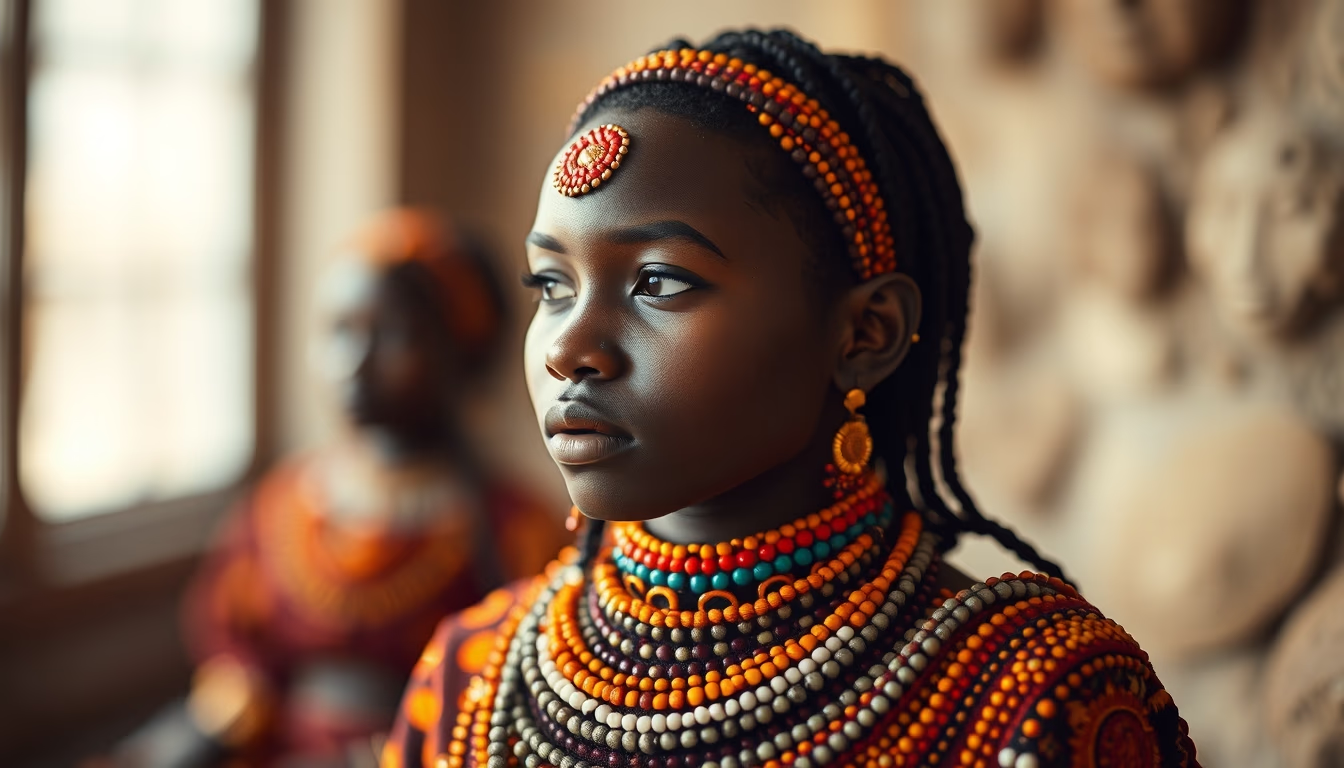
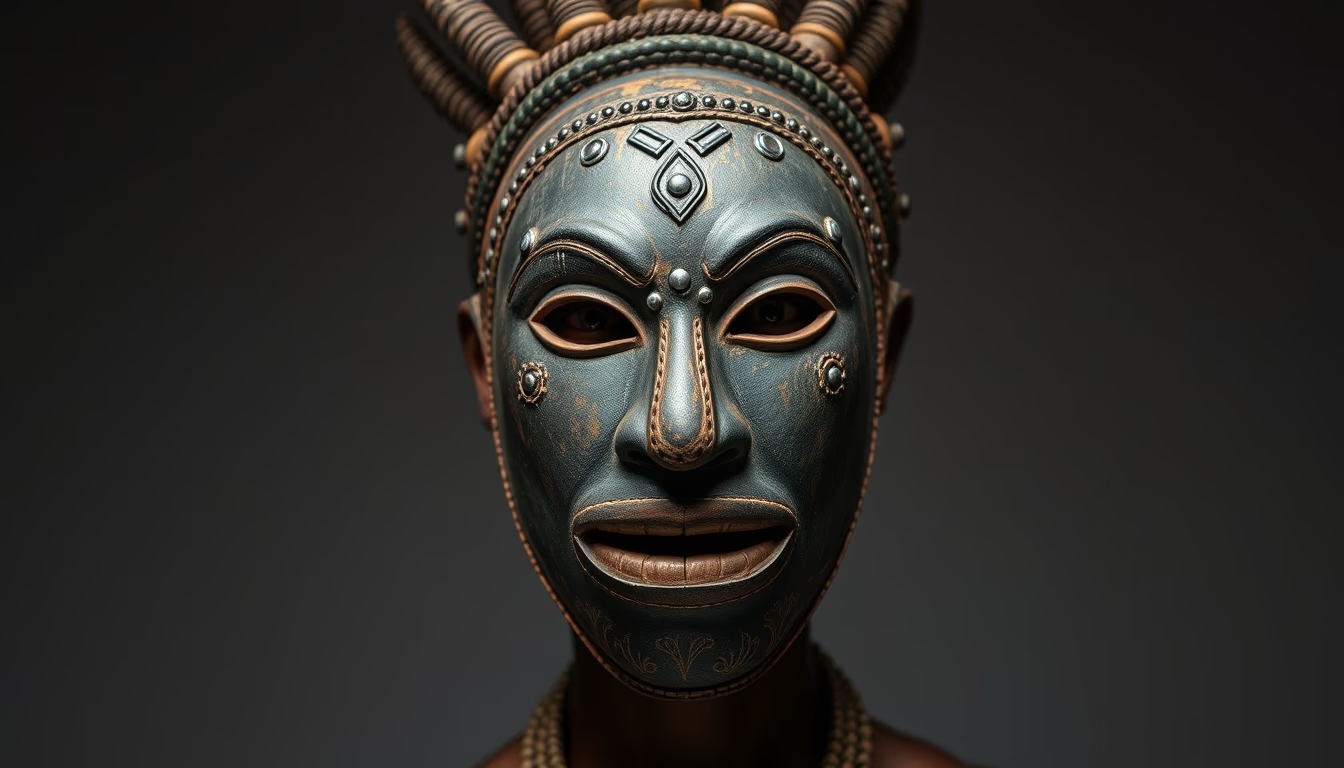
Maori carving pacific
1344×768 · AVIF · CC BY 4.0
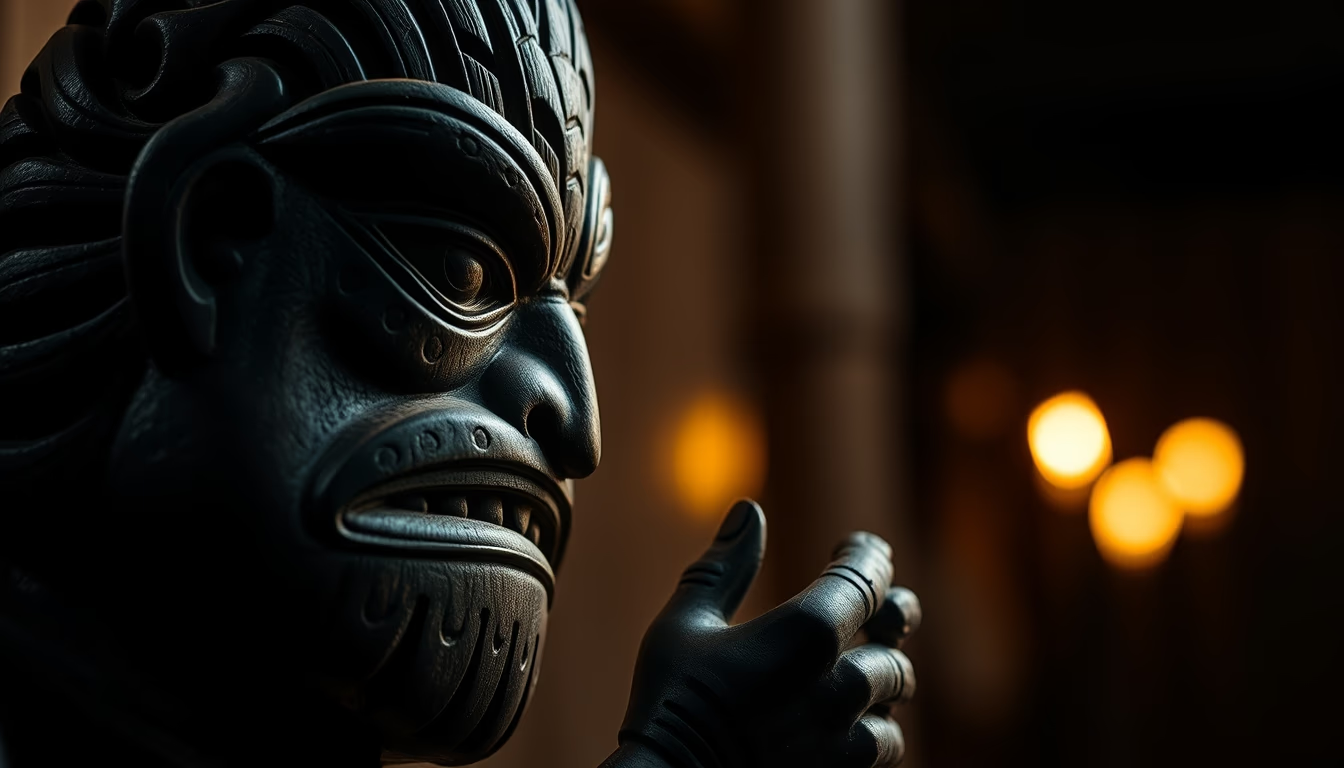
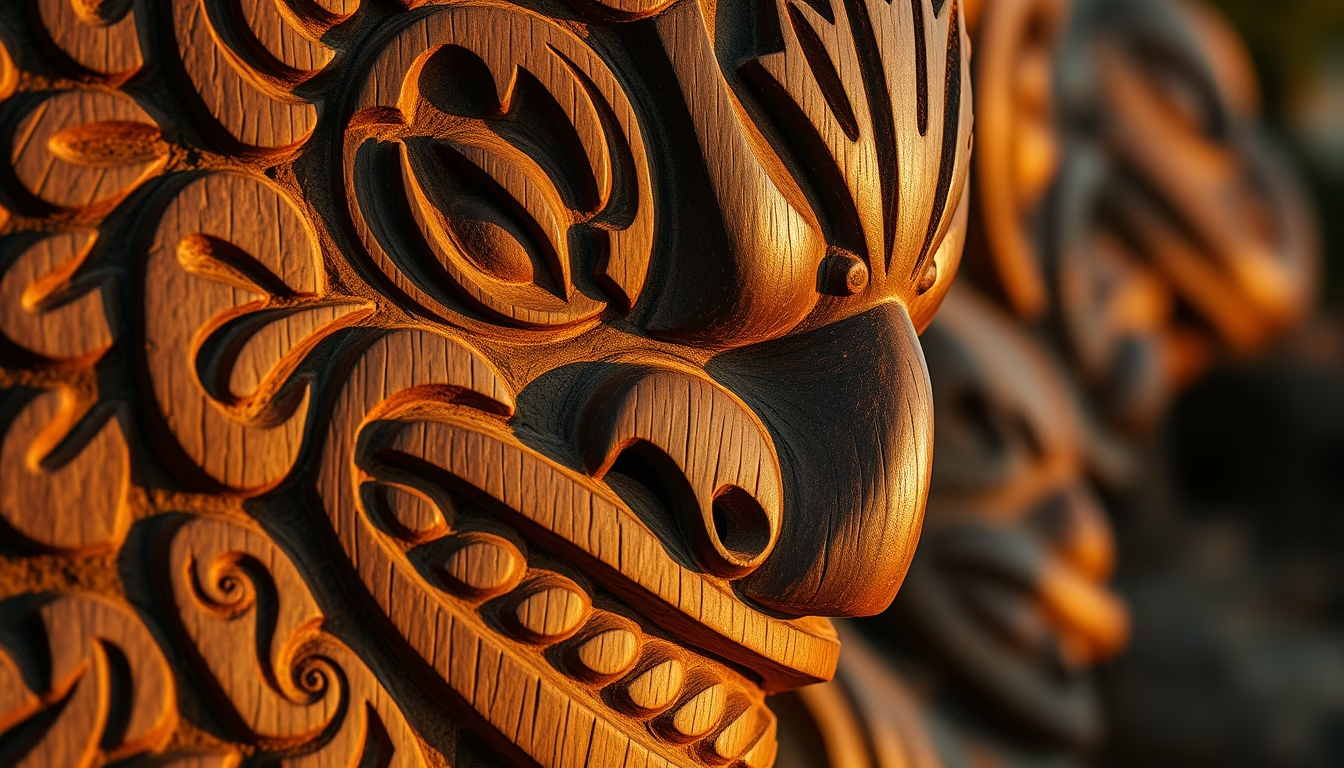
Maori carvings (whakairo) tell stories of ancestors and gods through patterns like the koru spiral and tiki figure, carved in woods such as totara and kauri.
About this subject
The art of Maori carving, known as whakairo, is a millennia-old tradition of the indigenous people of New Zealand. Each piece is laden with symbolism, telling stories of lineages, historical events, and spiritual connections to the divine realm. The most commonly used materials are totara and kauri wood, both native to the region and chosen for their durability and natural beauty. Traditional carvers used tools like stone or bone chisels, now replaced by steel instruments, but manual methods persist to preserve authenticity.
Recurring motifs include the koru spiral, representing rebirth and life, and the stylized tiki figure, a symbol of fertility and protection. Carvings adorn meeting houses (wharenui), war canoes (waka taua), and personal items such as hei tiki pendants. Each pattern carries specific meanings passed down orally through generations, ensuring Maori history and culture remain alive. The arrangement follows strict rules: for example, a figure's head always points upward, honoring ancestors.
In the Pacific context, Maori carvings share similarities with other Polynesian cultures but stand out for their high level of detail and emphasis on genealogical narratives. Today, whakairo is recognized as a sophisticated art form valued internationally, with contemporary artists like Lyonel Grant and Cliff Whiting incorporating modern techniques while retaining traditional essence. Museums worldwide, such as the British Museum and Te Papa Tongarewa, preserve historical pieces and encourage new creations.
Beyond aesthetic value, carvings have social function: each work results from a commission or ceremony, and the carver (tohunga whakairo) is a respected community figure. The process involves rituals of permission and blessing, as wood is believed to possess mana (spiritual power). Thus, whakairo is more than decoration: it is a tangible link between the Maori past and present.
Frequently Asked Questions
What is the meaning of the koru symbol in Maori carvings?
The koru is a spiral that symbolizes rebirth, growth, and life. Inspired by the unfurling silver fern frond, it represents new beginnings and the continuity of generations.
How do Maori carvers choose the wood for their sculptures?
They prefer native woods like totara and kauri, known for their durability and beauty. The choice also depends on the piece's purpose and spiritual approval, as the tree is believed to possess mana.
Are Maori carvings considered art or sacred objects?
Both. While valued as artworks, whakairo carry deep spiritual and cultural significance. Many pieces are used in ceremonies and are believed to embody the presence of ancestors.
Direct URL
https://pub-c7d6a6ea828543ac903a74a341ccb2e1.r2.dev/imagens/maori-carving-pacific-fine-art-photography-fresh3.avifHow to credit
Include a visible link back to UtilizAí. Copy one of the snippets below:
<a href="https://xn--utiliza-eza.com/en/midia/imagens/maori-carving-pacific-fine-art-photography-fresh3">Maori carving pacific</a> by <a href="https://xn--utiliza-eza.com">UtilizAí</a>, licensed under <a href="https://creativecommons.org/licenses/by/4.0/">CC BY 4.0</a>.
[Maori carving pacific](https://xn--utiliza-eza.com/en/midia/imagens/maori-carving-pacific-fine-art-photography-fresh3) by [UtilizAí](https://xn--utiliza-eza.com), CC BY 4.0
License: CC-BY-4.0