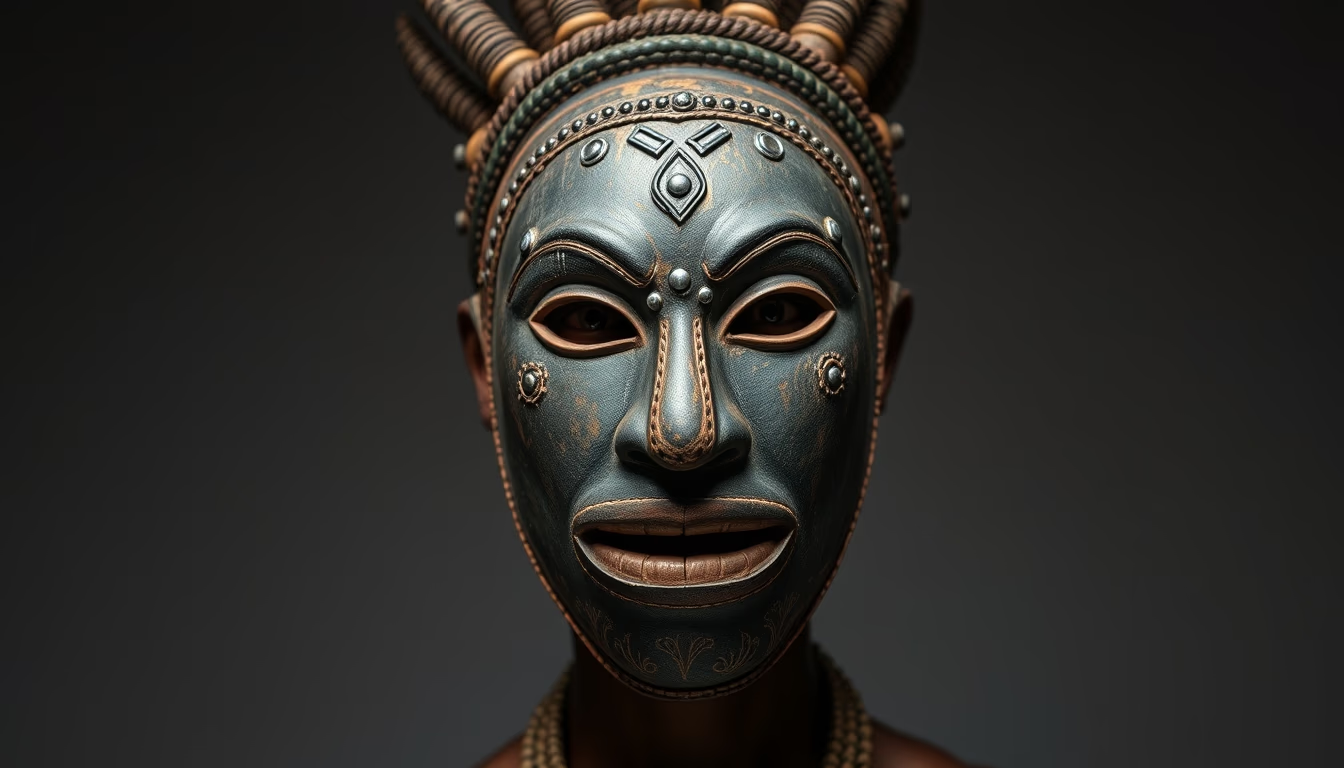
Maori carving pacific
1344×768 · AVIF · CC BY 4.0
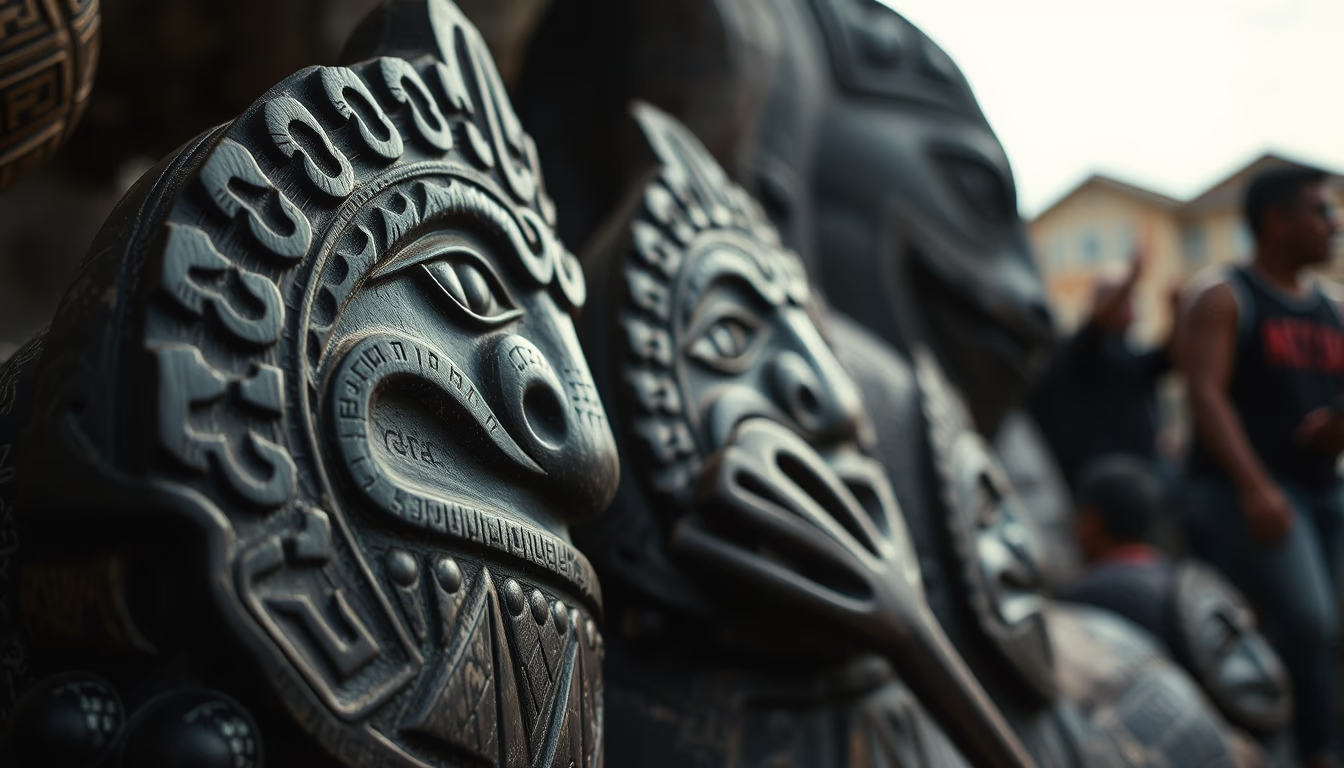
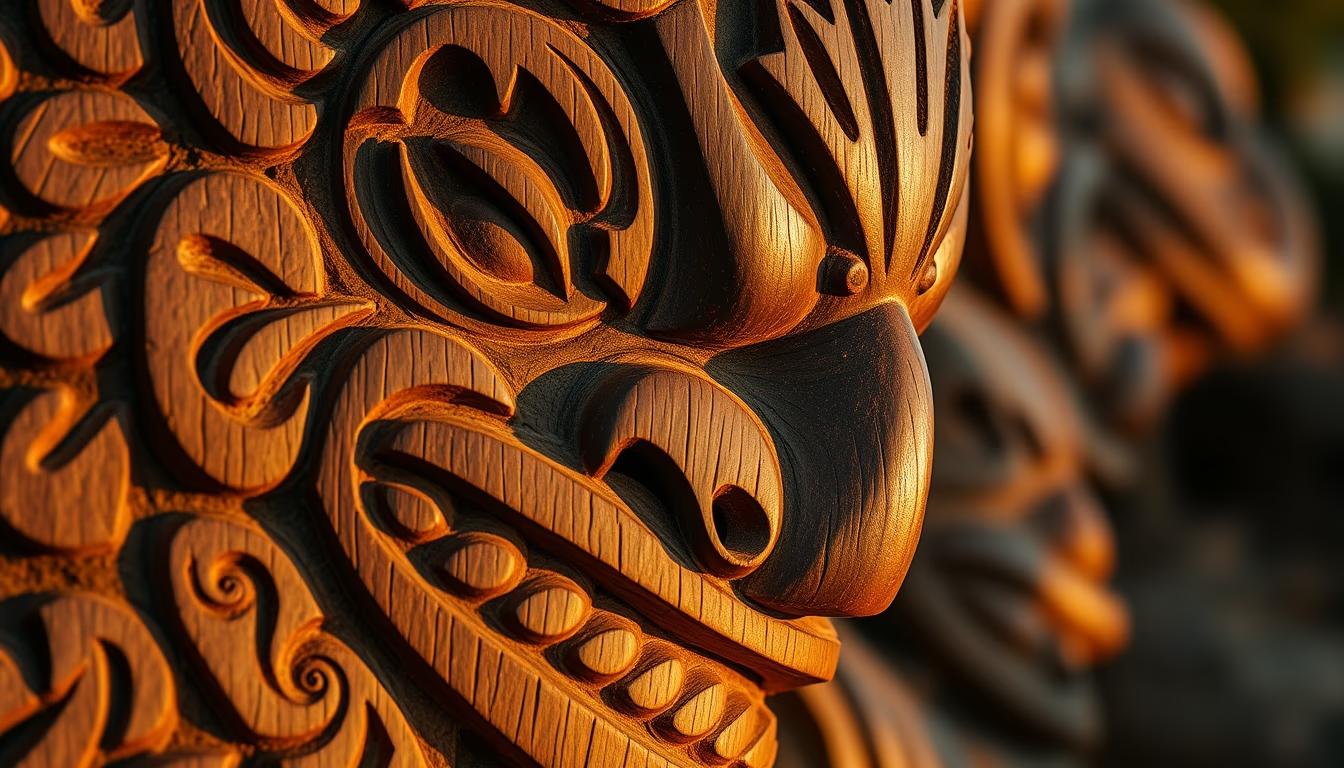
Traditional Maori carving from the Pacific, featuring ancestral symbolism and techniques passed down generations among the Māori people.
About this subject
Maori carving, known as whakairo, is a traditional art of the Māori people of New Zealand, deeply embedded in their culture and history. Made primarily from wood, bone, stone, and greenstone (pounamu), each piece carries spiritual and genealogical meanings. Designs include spirals (koru), humanoid figures (tiki), and geometric patterns representing ancestors, gods, and natural elements. These carvings adorn meeting houses (wharenui), war canoes (waka), weapons, and jewelry, serving as visual records of Māori lineage and mythology.
Common motifs, such as the koru, symbolize new growth, harmony, and renewal. The tiki, a stylized human figure, represents the first man and is associated with fertility and protection. Carving techniques are passed down orally through hands-on apprenticeship, using traditional tools made from stone and bone. Each carving is unique, reflecting the artist's tribal identity (iwi).
Historically, whakairo declined after European colonization, but a significant cultural revival began in the 20th century. Māori art schools, like the ones in Rotorua, keep traditions alive. Today, carvings are protected by cultural property laws and recognized as world heritage. The art also influences contemporary artists who blend ancestral techniques with modern media.
The connection to the Pacific is intrinsic: Māori are descendants of Polynesian navigators who settled New Zealand. Their art shares motifs with other island cultures, such as Hawaiian and Tahitian, but developed a distinct style over centuries. International exhibitions and museum collections, such as Te Papa in Wellington, showcase this rich tradition globally.
Frequently Asked Questions
What do Maori carvings represent?
Maori carvings represent ancestors, gods, and natural elements, telling genealogical and mythological stories. Each pattern and figure has specific meanings, such as the koru symbolizing renewal.
What materials are used in Maori carving?
Traditionally, native woods (like totara and kauri), bone, stone, and pounamu (New Zealand jade) are used. Tools made of stone and bone are employed, though some artists now use modern tools.
Is Maori carving still practiced today?
Yes, whakairo is experiencing a cultural revival. Art schools like the New Zealand Māori Arts and Crafts Institute teach techniques. Contemporary artists also innovate with mixed media, keeping the tradition alive.
Direct URL
https://pub-c7d6a6ea828543ac903a74a341ccb2e1.r2.dev/imagens/maori-carving-pacific-film-grain-authentic-fresh9.avifHow to credit
Include a visible link back to UtilizAí. Copy one of the snippets below:
<a href="https://xn--utiliza-eza.com/en/midia/imagens/maori-carving-pacific-film-grain-authentic-fresh9">Maori carving pacific</a> by <a href="https://xn--utiliza-eza.com">UtilizAí</a>, licensed under <a href="https://creativecommons.org/licenses/by/4.0/">CC BY 4.0</a>.
[Maori carving pacific](https://xn--utiliza-eza.com/en/midia/imagens/maori-carving-pacific-film-grain-authentic-fresh9) by [UtilizAí](https://xn--utiliza-eza.com), CC BY 4.0
License: CC-BY-4.0