Maori carving pacific
1344×768 · AVIF · CC BY 4.0
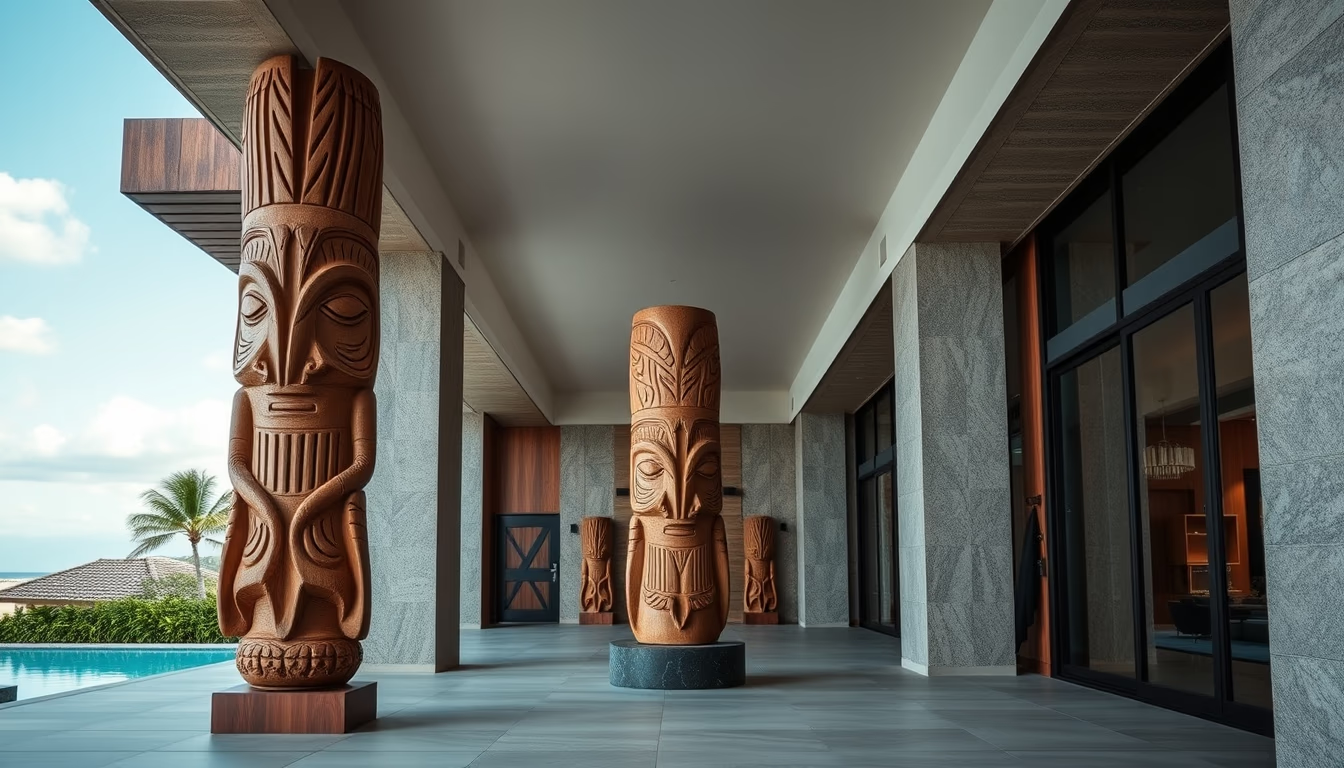
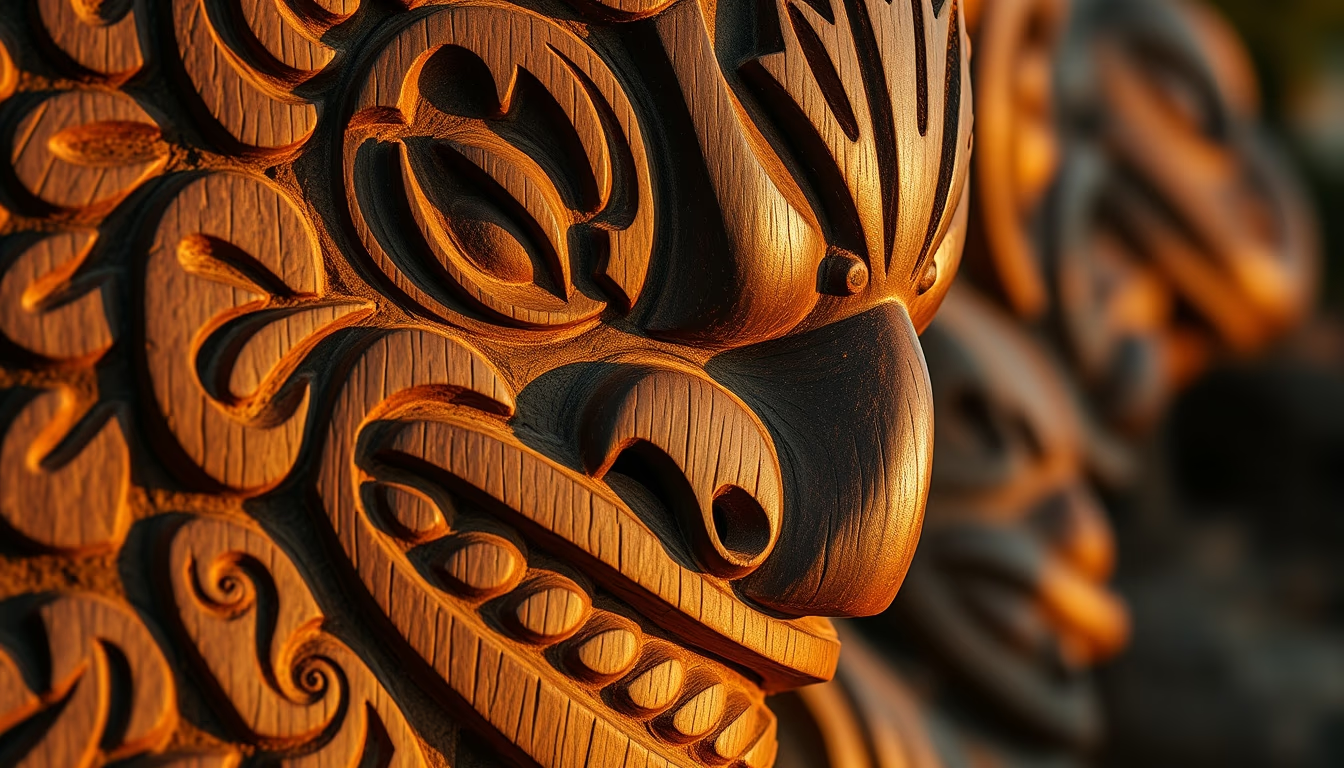
Maori carvings, such as those found on meeting houses and war canoes, represent a Polynesian artistic tradition rich in symbolism and history.
About this subject
Maori carvings, or whakairo, are a traditional art form of the Māori people of New Zealand. They are primarily carved in wood, but also in bone, stone, and jade (pounamu). Each carving tells a story, representing ancestors, gods, or important events. The spiral patterns, called koru, symbolize new life, growth, and harmony.
The art of carving is deeply connected to the wharenui (meeting house) and waka (canoe). Meeting houses are adorned with carved figures depicting tribal ancestors, serving as a link between the past and present. The prows of war canoes, waka taua, were ornamented with intricate carvings for protection and status. Carvers, tohunga whakairo, were highly respected masters who passed down knowledge through generations.
The use of traditional tools, such as stone and bone chisels, gradually gave way to metal tools after European contact. However, traditional motifs and techniques persist. Each pattern and figure holds meaning: a warrior figure with protruding tongue (whero) symbolizes challenge and courage, while a bird figure represents the ability to travel between worlds. The preferred wood is totara, known for its durability and rot resistance.
Today, Maori carvings are valued not only as art but as expressions of cultural identity and sovereignty. They are found in museums, marae (community complexes), and as contemporary art. The tradition remains vibrant, with new artists exploring modern themes without losing ancestral essence.
Frequently Asked Questions
What is the meaning of spiral patterns in Maori carvings?
The spiral patterns, known as koru, symbolize new life, growth, harmony, and rebirth. They are inspired by the unfurling silver fern frond.
What type of wood is traditionally used for Maori carvings?
The preferred wood is totara, a native New Zealand tree valued for its durability, resistance to rot, and ease of carving.
What is the role of the tohunga whakairo in Maori culture?
The tohunga whakairo is a highly respected master carver who holds specialized knowledge of techniques, symbols, and stories. He trains apprentices and ensures the continuation of the tradition.
Direct URL
https://pub-c7d6a6ea828543ac903a74a341ccb2e1.r2.dev/imagens/maori-carving-pacific-architectural-photography-fresh8.avifHow to credit
Include a visible link back to UtilizAí. Copy one of the snippets below:
<a href="https://xn--utiliza-eza.com/en/midia/imagens/maori-carving-pacific-architectural-photography-fresh8">Maori carving pacific</a> by <a href="https://xn--utiliza-eza.com">UtilizAí</a>, licensed under <a href="https://creativecommons.org/licenses/by/4.0/">CC BY 4.0</a>.
[Maori carving pacific](https://xn--utiliza-eza.com/en/midia/imagens/maori-carving-pacific-architectural-photography-fresh8) by [UtilizAí](https://xn--utiliza-eza.com), CC BY 4.0
License: CC-BY-4.0