Inuit sculpture stone
1344×768 · AVIF · CC BY 4.0
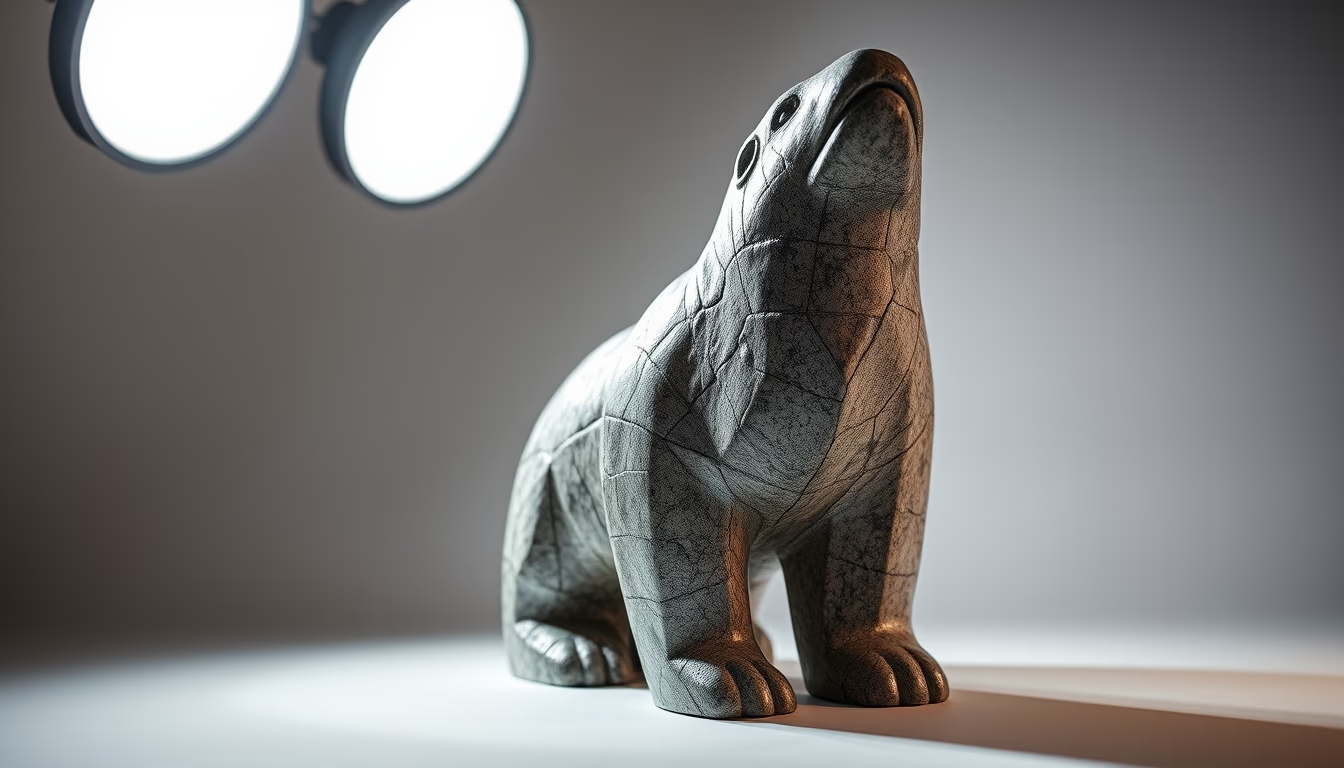
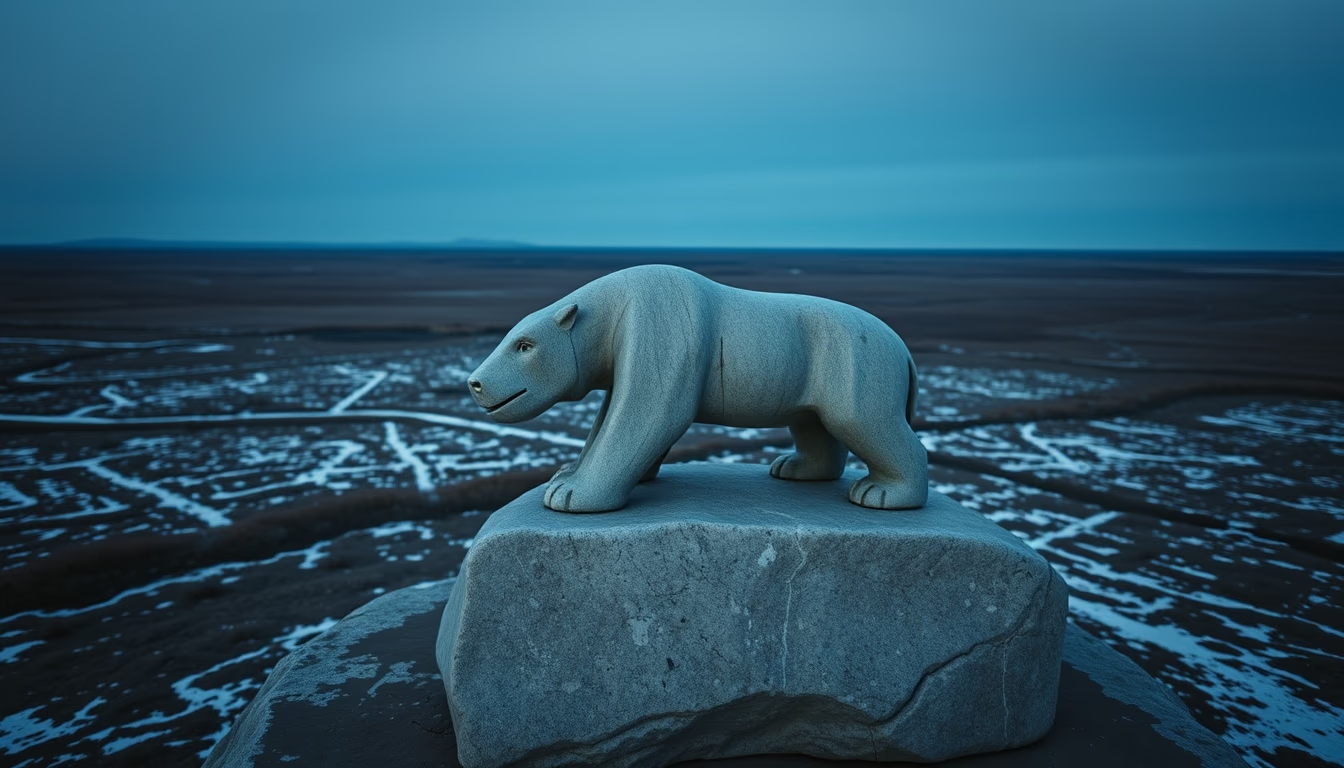
Stone sculptures are a traditional Inuit art form, using materials like soapstone and serpentinite to depict Arctic animals, humans, and spirits.
About this subject
Stone carving is one of the oldest and most representative artistic expressions of Inuit culture, originating from the Arctic regions of Canada, Greenland, and Alaska. Traditionally, Inuit carved local stones such as soapstone (steatite), serpentinite, and argillite, creating figures that depict Arctic life: polar bears, seals, birds, hunters, and shamanic figures. These works are not merely decorative; they carry spiritual and practical meanings, such as hunting talismans or ceremonial objects.
The technique of Inuit carving evolved over millennia, with archaeological evidence from the Dorset culture (500 BC, 1500 AD) showing small figurines carved from bone and ivory. In the 20th century, Inuit art gained international recognition, boosted by cooperatives like the West Baffin Eskimo Cooperative in Cape Dorset, Nunavut. Artists such as Oviloo Tunnillie and John Pangnark became known for their stylized forms and expressive use of stone. The creative process involves chisels, files, and polishing with seal oil or fine sandpaper, enhancing the natural colors of the rock.
Interestingly, each stone has unique characteristics: soapstone is soft and easy to carve, while serpentinite is harder and requires more skill. Color ranges from gray to dark green, with veins that artists use to add texture. Today, Inuit sculpture is collected worldwide and sold in galleries, but it remains a living practice in northern communities, passed down through generations as a fundamental part of Inuit cultural identity.
Frequently Asked Questions
What stones are used in Inuit sculpture?
The most common stones are soapstone (steatite), serpentinite, and argillite. Soapstone is soft and easy to carve, while serpentinite is harder and offers dark green tones.
What is the cultural significance of Inuit sculptures?
They represent Arctic life, spiritual beliefs, and survival skills. Many figures have shamanic functions or serve as hunting talismans, connecting Inuit to nature and ancestors.
How are Inuit sculptures traditionally made?
Hand tools such as chisels, files, and knives are used. Polishing is done with seal oil or sandpaper. Stones are worked along natural veins to enhance colors and textures.
Direct URL
https://pub-c7d6a6ea828543ac903a74a341ccb2e1.r2.dev/imagens/inuit-sculpture-stone-studio-editorial-portrait-fresh17.avifHow to credit
Include a visible link back to UtilizAí. Copy one of the snippets below:
<a href="https://xn--utiliza-eza.com/en/midia/imagens/inuit-sculpture-stone-studio-editorial-portrait-fresh17">Inuit sculpture stone</a> by <a href="https://xn--utiliza-eza.com">UtilizAí</a>, licensed under <a href="https://creativecommons.org/licenses/by/4.0/">CC BY 4.0</a>.
[Inuit sculpture stone](https://xn--utiliza-eza.com/en/midia/imagens/inuit-sculpture-stone-studio-editorial-portrait-fresh17) by [UtilizAí](https://xn--utiliza-eza.com), CC BY 4.0
License: CC-BY-4.0