Inuit sculpture stone
1344×768 · AVIF · CC BY 4.0
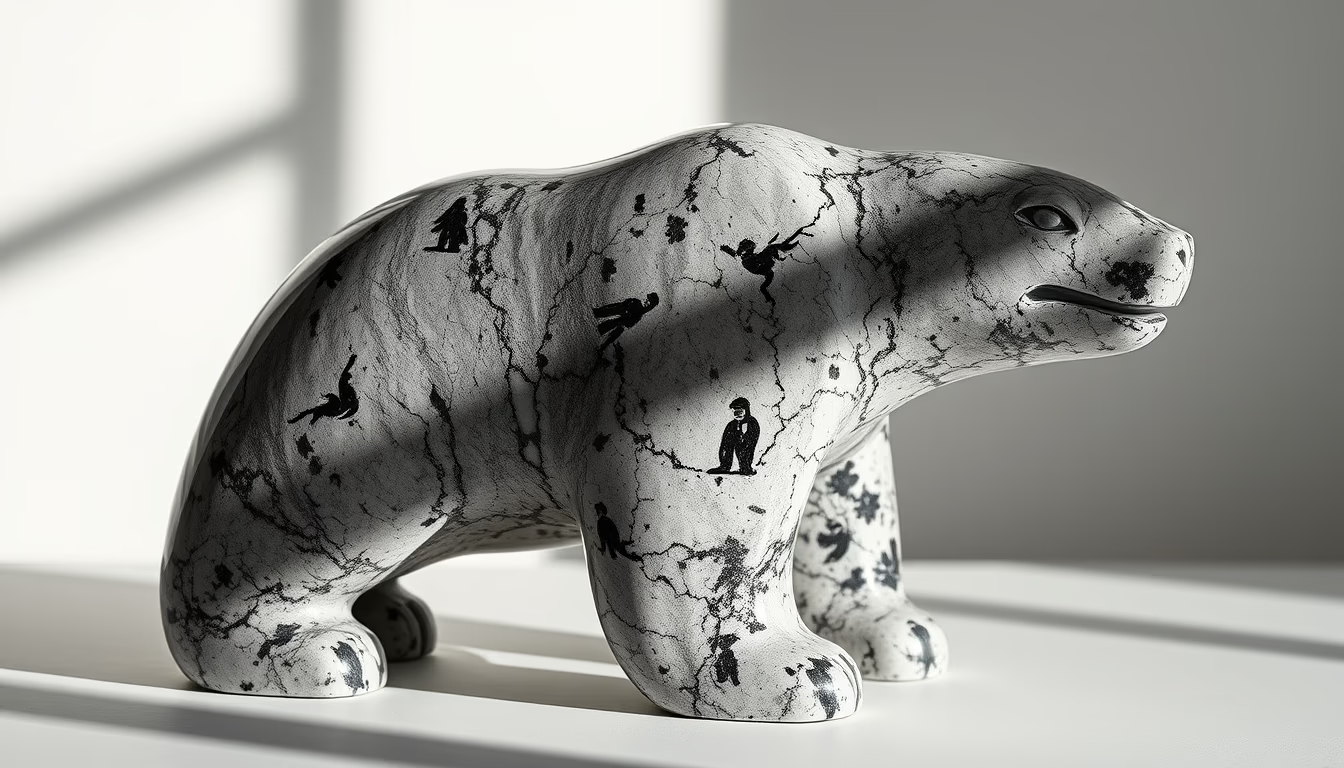
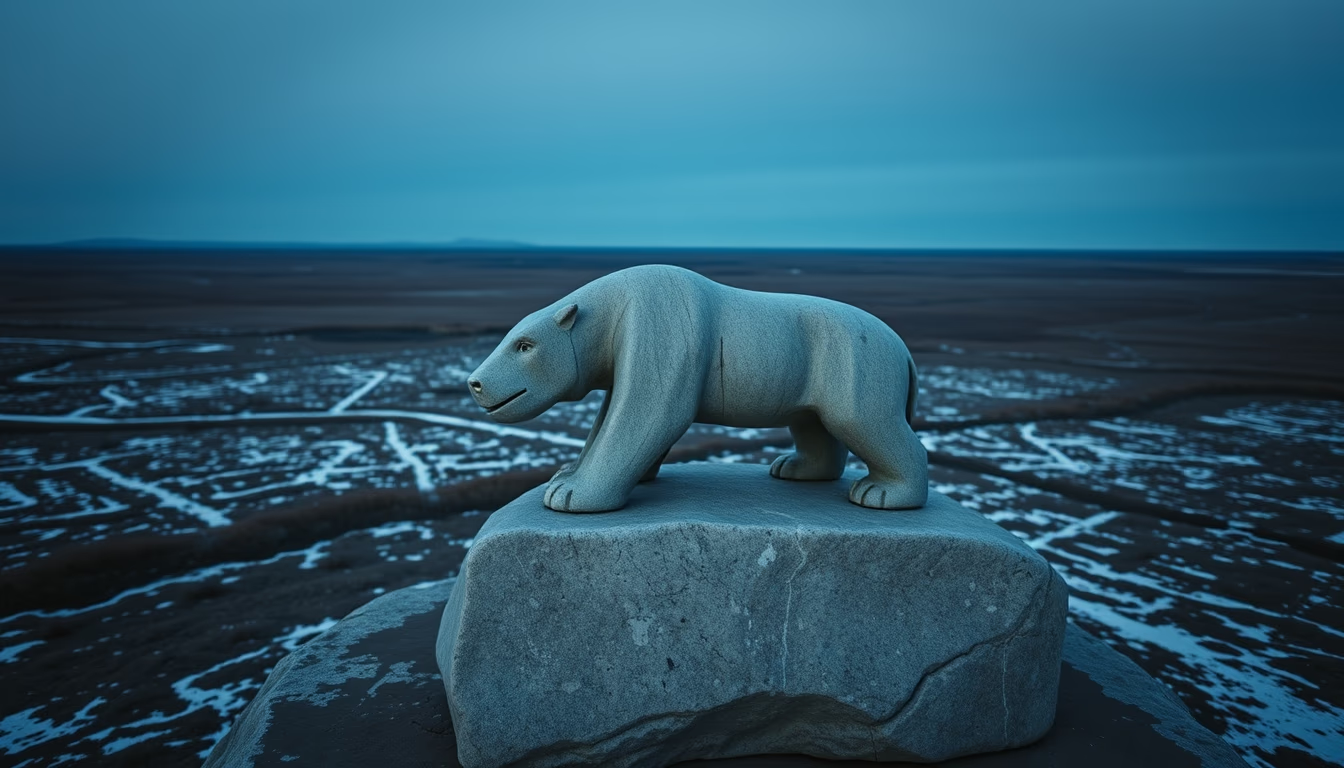
Inuit stone sculptures, such as this soapstone work, represent a millennia-old tradition of art and cultural storytelling in the Canadian Arctic.
About this subject
Inuit stone carving is one of the most recognized forms of Indigenous art from Canada. Originating in the Arctic regions, especially Nunavut and the Northwest Territories, this artistic practice primarily uses soapstone (steatite), but also marble, serpentine, and bone. Soapstone is preferred for its softness, which allows carving details with simple tools like files and knives. Inuit artists transform raw blocks into human figures, animals such as polar bears, seals, and caribou, as well as everyday scenes and spirits from Inuit mythology.
The Inuit sculptural tradition gained international prominence from the 1950s onward, when the Canadian government encouraged artistic production as a source of income for isolated communities. Artists like Kenojuak Ashevak and Pudlo Pudlat helped popularize Inuit art, combining ancestral techniques with contemporary influences. Each piece is unique and often carries spiritual or historical meanings, such as representations of shamans or animals essential for survival in the Arctic.
Today, Inuit stone sculptures are prized by museums and collectors worldwide. The creation process is time-consuming and requires patience: the artist first sketches the piece on the stone, then uses saws and files to rough out the shape, and finally sands and polishes for a smooth finish. Many sculptures retain the natural color of the stone, while others are polished to highlight veins and textures. Inuit art is not merely decorative; it preserves the cultural memory of a people living in one of the planet's harshest environments, connecting generations through carved forms.
Interestingly, stone carving was not the primary art form of Inuit before European contact. Traditionally, they carved walrus ivory and caribou antlers to make tools and amulets. The shift to stone occurred due to the influence of missionaries and traders, who saw greater commercial value in this material. Despite this, artists quickly adapted their skills, creating a style that today is synonymous with Inuit identity.
Frequently Asked Questions
What is the soapstone used in Inuit sculptures?
Soapstone, or steatite, is a soft metamorphic rock composed mainly of talc. Its softness allows easy carving with hand tools, and after polishing it acquires a smooth sheen. It is found in several regions of the Canadian Arctic, especially in deposits near Inuit communities.
What are common themes in Inuit stone carving?
Themes include Arctic animals (polar bear, seal, caribou, owl), human figures in daily activities (hunting, fishing, building igloos), and spiritual or mythological beings such as shamans and ancestral spirits. Many works also depict family scenes and the harmonious relationship with nature.
How has Inuit stone art evolved over time?
Before European contact, Inuit carved ivory and bone for tools and amulets. Stone carving emerged in the 20th century, driven by the art market and Canadian government initiatives. Modern artists combine traditional techniques with contemporary expressions, keeping cultural heritage alive.
Direct URL
https://pub-c7d6a6ea828543ac903a74a341ccb2e1.r2.dev/imagens/inuit-sculpture-stone-magazine-editorial-fresh2.avifHow to credit
Include a visible link back to UtilizAí. Copy one of the snippets below:
<a href="https://xn--utiliza-eza.com/en/midia/imagens/inuit-sculpture-stone-magazine-editorial-fresh2">Inuit sculpture stone</a> by <a href="https://xn--utiliza-eza.com">UtilizAí</a>, licensed under <a href="https://creativecommons.org/licenses/by/4.0/">CC BY 4.0</a>.
[Inuit sculpture stone](https://xn--utiliza-eza.com/en/midia/imagens/inuit-sculpture-stone-magazine-editorial-fresh2) by [UtilizAí](https://xn--utiliza-eza.com), CC BY 4.0
License: CC-BY-4.0