Inuit sculpture stone
1344×768 · AVIF · CC BY 4.0
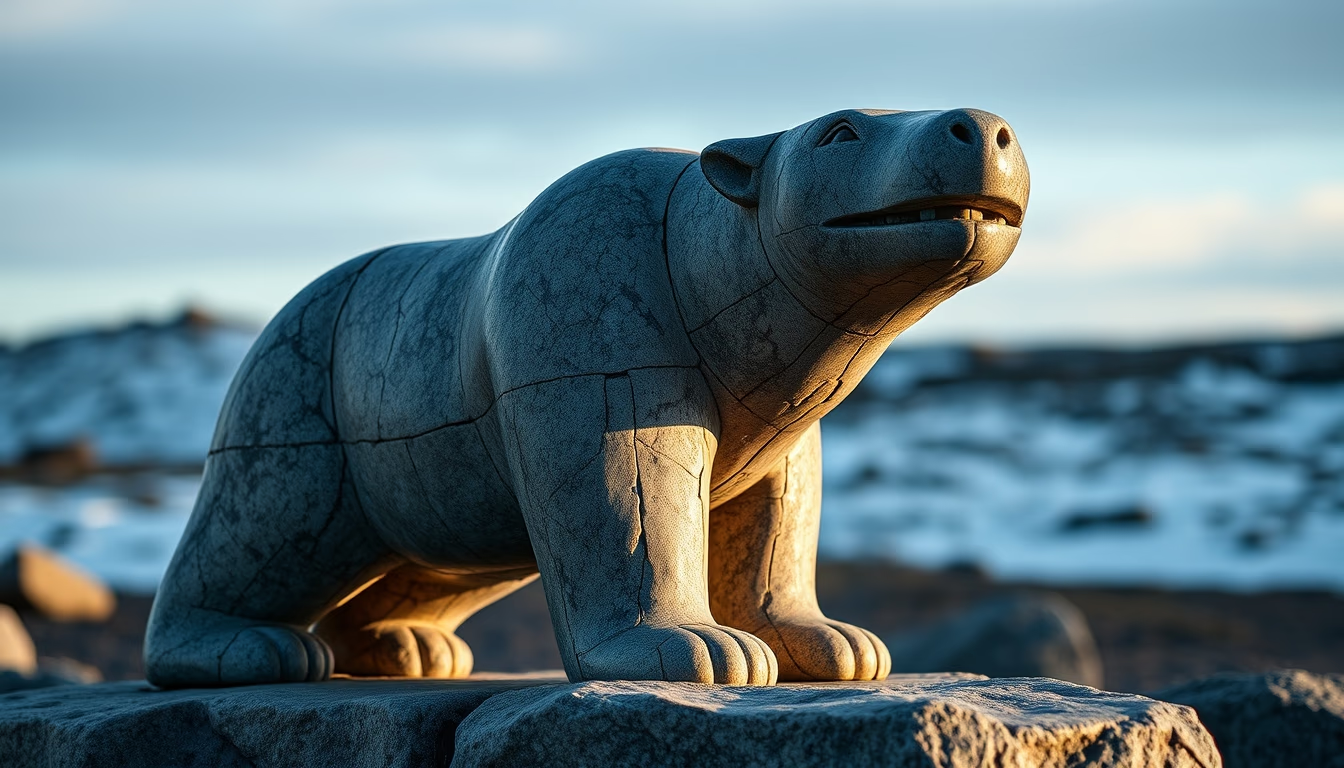
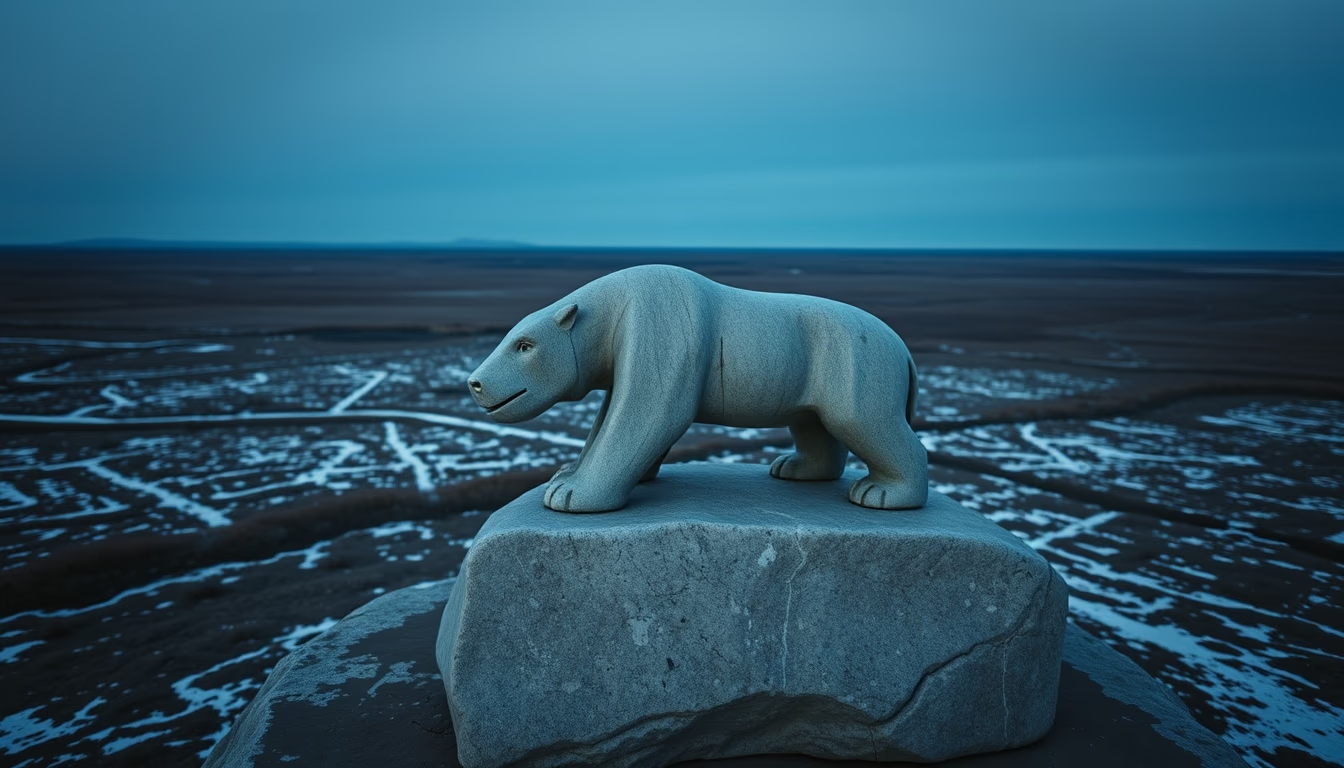
Inuit stone sculpture: ancient art representing the culture and daily life of Arctic peoples.
About this subject
Inuit stone sculpture, commonly known as soapstone carving, is a traditional art form practiced by Indigenous peoples of the Arctic, primarily in Canada, Greenland, and Alaska. This practice dates back thousands of years, with Inuit carving utilitarian and ceremonial objects from soapstone (steatite), serpentine, or marble using tools made of bone, stone, or metal. Soapstone, being soft and easy to carve, is the most common material, found in natural deposits across the Canadian Arctic.
The sculptures often depict animals such as polar bears, seals, caribou, and birds, as well as human figures engaged in activities like hunting, fishing, or dancing. Each piece carries deep cultural significance, often linked to spiritual beliefs, mythology, or important community events. For example, the shaman figure, a spiritual leader, is common, symbolizing the connection between the human and spirit worlds. Styles range from realistic to abstract, with emphasis on the natural shape of the stone, which the artist respects as much as possible.
Today, Inuit sculpture has gained international recognition as contemporary art, with artists like David Ruben Piqtoukun and John Tiktak celebrated in galleries worldwide. The sale of these works has become a vital source of income for many Northern communities, helping preserve culture and pass traditional knowledge to younger generations. However, the art also faces challenges, such as declining high-quality soapstone due to permafrost melt and overexploitation.
Stone carving is not just an artistic expression but also a historical and ethnographic document. Each piece tells a story about life in the Arctic, climate change, and the resilience of Inuit peoples. Museums such as the Canadian Museum of History and the Inuit Heritage Centre in Canada preserve significant collections, ensuring this cultural heritage continues to be studied and appreciated.
Frequently Asked Questions
What are the main materials used in Inuit sculpture?
The main materials are soapstone (steatite), serpentine, and marble, with soapstone being the most common due to its softness and ease of carving.
What is the cultural significance of Inuit sculptures?
The sculptures depict animals, daily activities, and spiritual figures like shamans, connecting the art to mythology and traditions of Arctic peoples.
How did Inuit artists learn stone carving?
The technique was passed down orally through generations, with hands-on learning from childhood. Today, art schools and workshops in Northern communities also teach it.
Direct URL
https://pub-c7d6a6ea828543ac903a74a341ccb2e1.r2.dev/imagens/inuit-sculpture-stone-documentary-photography-fresh15.avifHow to credit
Include a visible link back to UtilizAí. Copy one of the snippets below:
<a href="https://xn--utiliza-eza.com/en/midia/imagens/inuit-sculpture-stone-documentary-photography-fresh15">Inuit sculpture stone</a> by <a href="https://xn--utiliza-eza.com">UtilizAí</a>, licensed under <a href="https://creativecommons.org/licenses/by/4.0/">CC BY 4.0</a>.
[Inuit sculpture stone](https://xn--utiliza-eza.com/en/midia/imagens/inuit-sculpture-stone-documentary-photography-fresh15) by [UtilizAí](https://xn--utiliza-eza.com), CC BY 4.0
License: CC-BY-4.0