Andean textile vivid
1344×768 · AVIF · CC BY 4.0
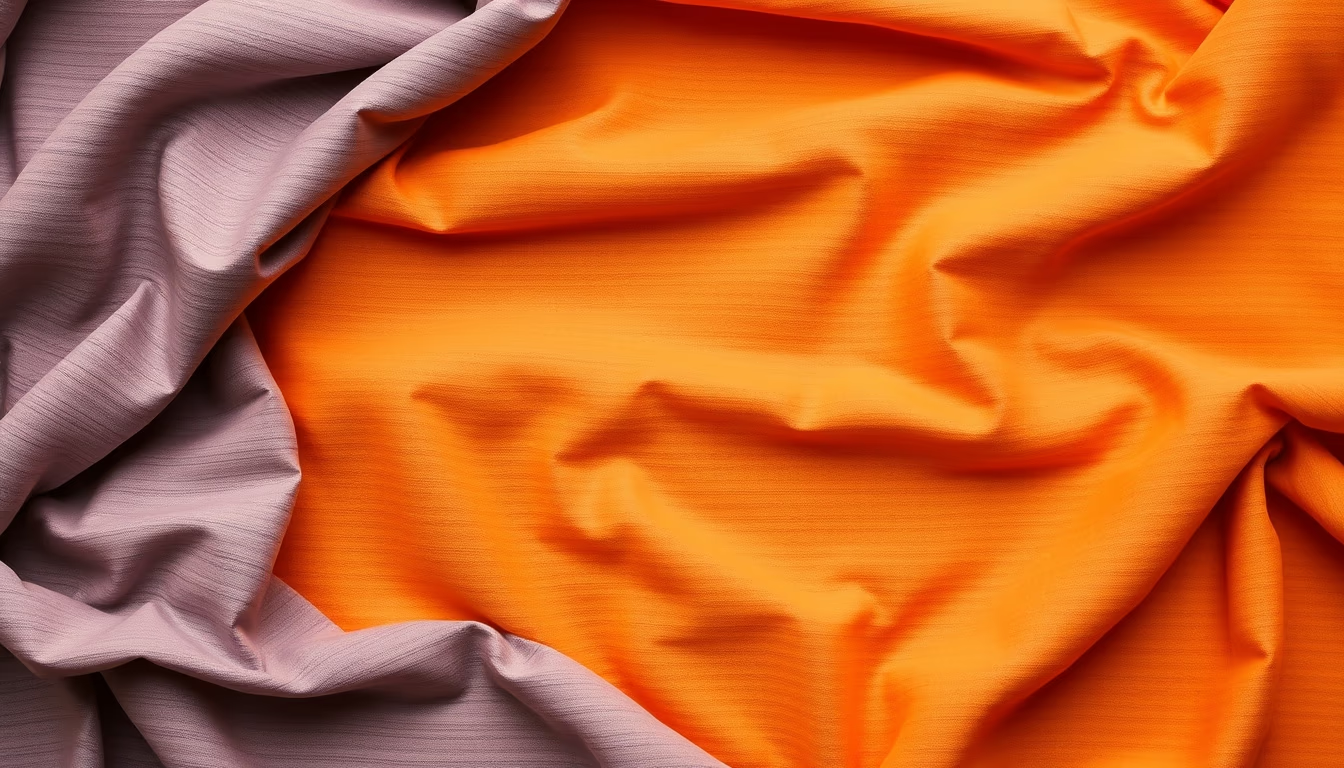
Andean textiles, handwoven from llama and alpaca wool, are ancient cultural expressions combining tradition, vibrant colors, and symbolism.
About this subject
Andean textiles represent one of the oldest continuous textile traditions in the world, with origins dating back over 10,000 years in the Andean region covering Peru, Bolivia, Ecuador, and northern Chile. The fibers used are primarily llama and alpaca wool, prized for their softness, durability, and ability to retain natural dyes extracted from plants, minerals, and insects such as cochineal, which produces an intense red.
Weaving techniques were perfected by pre-Columbian civilizations like the Incas, who considered textiles a form of writing and historical record. Each geometric or figurative pattern carries specific meanings: diamonds represent mountains, zigzags symbolize rivers or snakes, and colors like red and blue are associated with earth and sky. To this day, Quechua and Aymara communities keep this knowledge alive, passed down orally through generations.
Producing a single poncho or blanket can take months of work, from animal husbandry to spinning, dyeing, and weaving on a backstrap or pedal loom. Natural dyeing is an art in itself: indigo produces blues, turmeric yields yellow, and plant blends create shades of green and orange. These pieces are not merely utilitarian; they are objects of cultural identity, used in festivals, rituals, and given as wedding gifts.
Today, Andean textiles are globally recognized as intangible cultural heritage and valued in the ethical fashion market. Organizations like Fair Trade promote equitable commerce to support artisans, predominantly women, who depend on this art for family livelihood. Each piece carries the history and worldview of a people who see weaving as a connection to Pachamama, Mother Earth.
Frequently Asked Questions
What materials are used in traditional Andean textiles?
The main materials are llama and alpaca wool, along with native cotton. Dyes are natural, extracted from plants, minerals, and insects like cochineal.
What is the meaning of geometric patterns in Andean textiles?
Each pattern has symbolism: diamonds represent mountains, zigzags symbolize rivers or snakes, and colors refer to earth, sky, and natural elements. The designs tell stories and beliefs from the Andean worldview.
How are Andean textiles produced today?
Production is handmade using backstrap or pedal looms. Fibers are spun by hand and dyed with natural dyes. Knowledge is passed down through generations, mainly in Quechua and Aymara communities.
Direct URL
https://pub-c7d6a6ea828543ac903a74a341ccb2e1.r2.dev/imagens/andean-textile-vivid-isometric-flat-lay-fresh9.avifHow to credit
Include a visible link back to UtilizAí. Copy one of the snippets below:
<a href="https://xn--utiliza-eza.com/en/midia/imagens/andean-textile-vivid-isometric-flat-lay-fresh9">Andean textile vivid</a> by <a href="https://xn--utiliza-eza.com">UtilizAí</a>, licensed under <a href="https://creativecommons.org/licenses/by/4.0/">CC BY 4.0</a>.
[Andean textile vivid](https://xn--utiliza-eza.com/en/midia/imagens/andean-textile-vivid-isometric-flat-lay-fresh9) by [UtilizAí](https://xn--utiliza-eza.com), CC BY 4.0
License: CC-BY-4.0