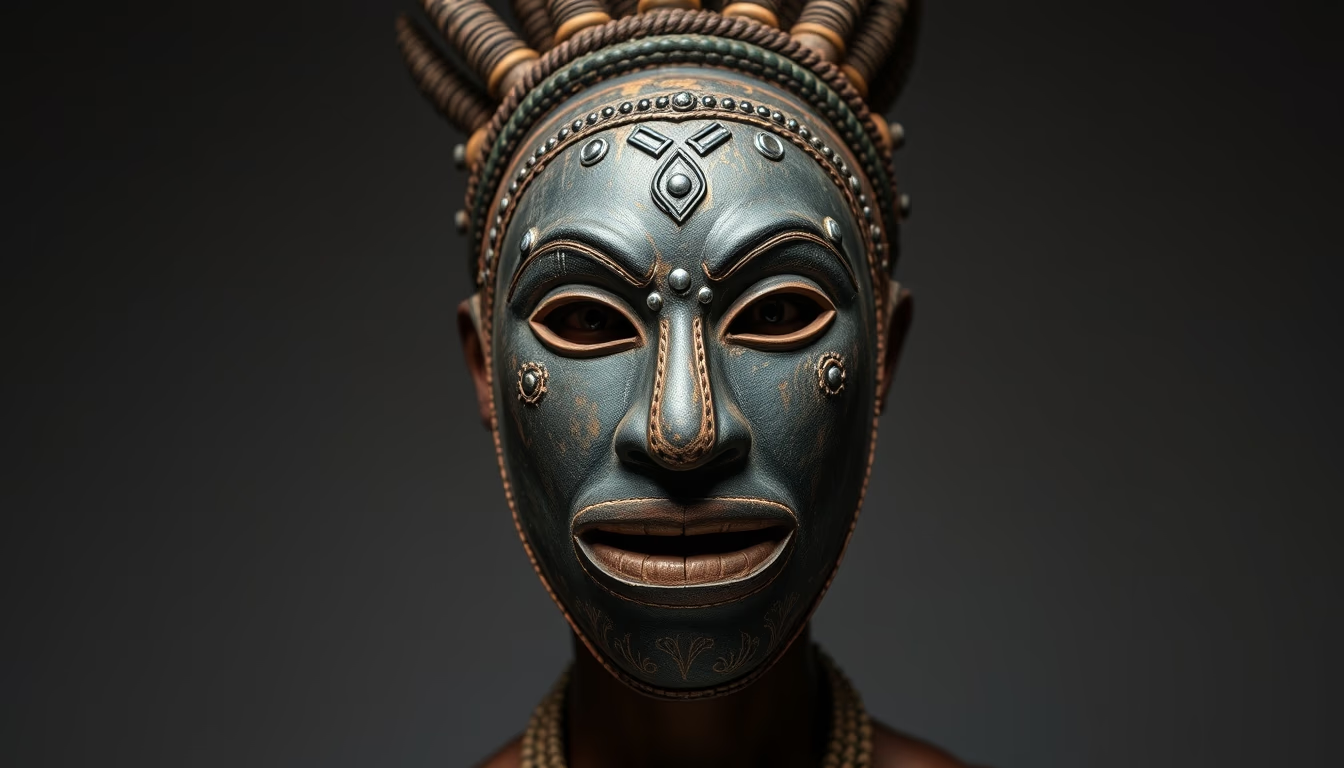
Andean textile vivid
1344×768 · AVIF · CC BY 4.0
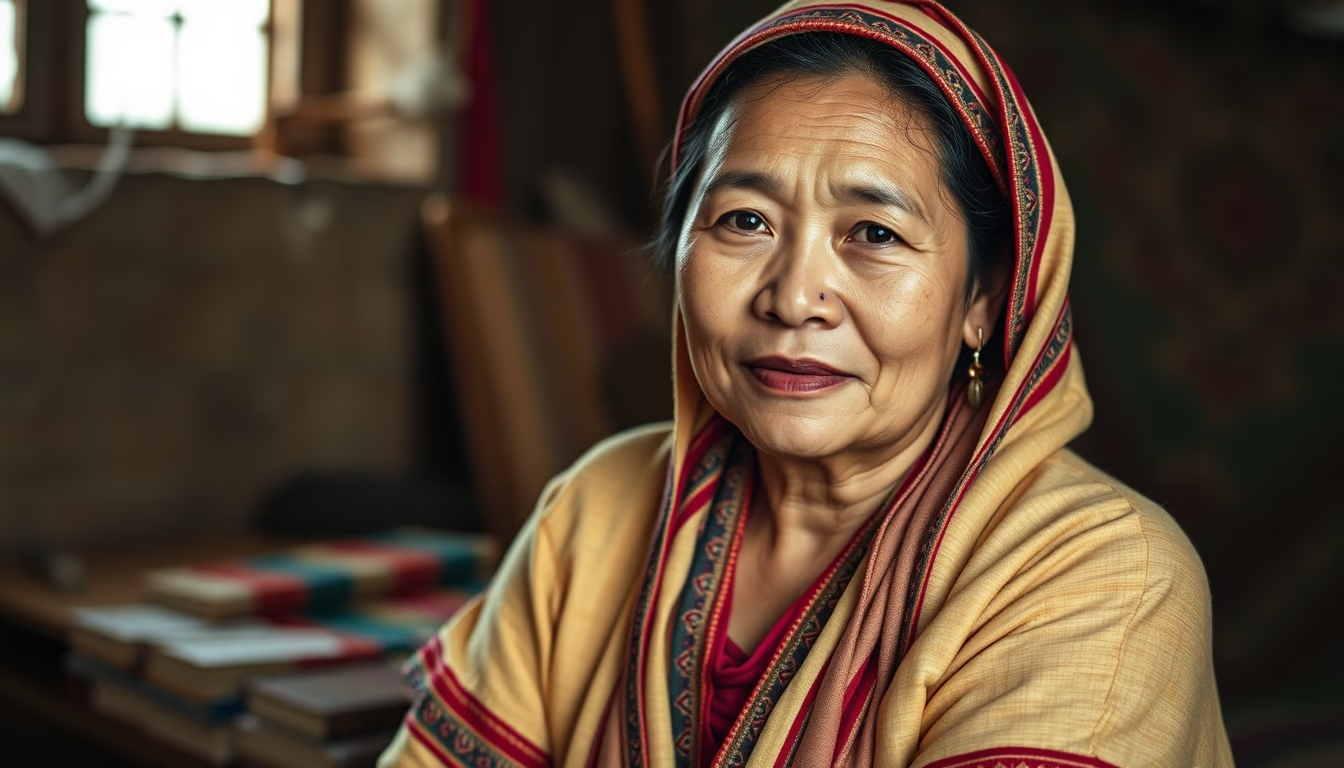
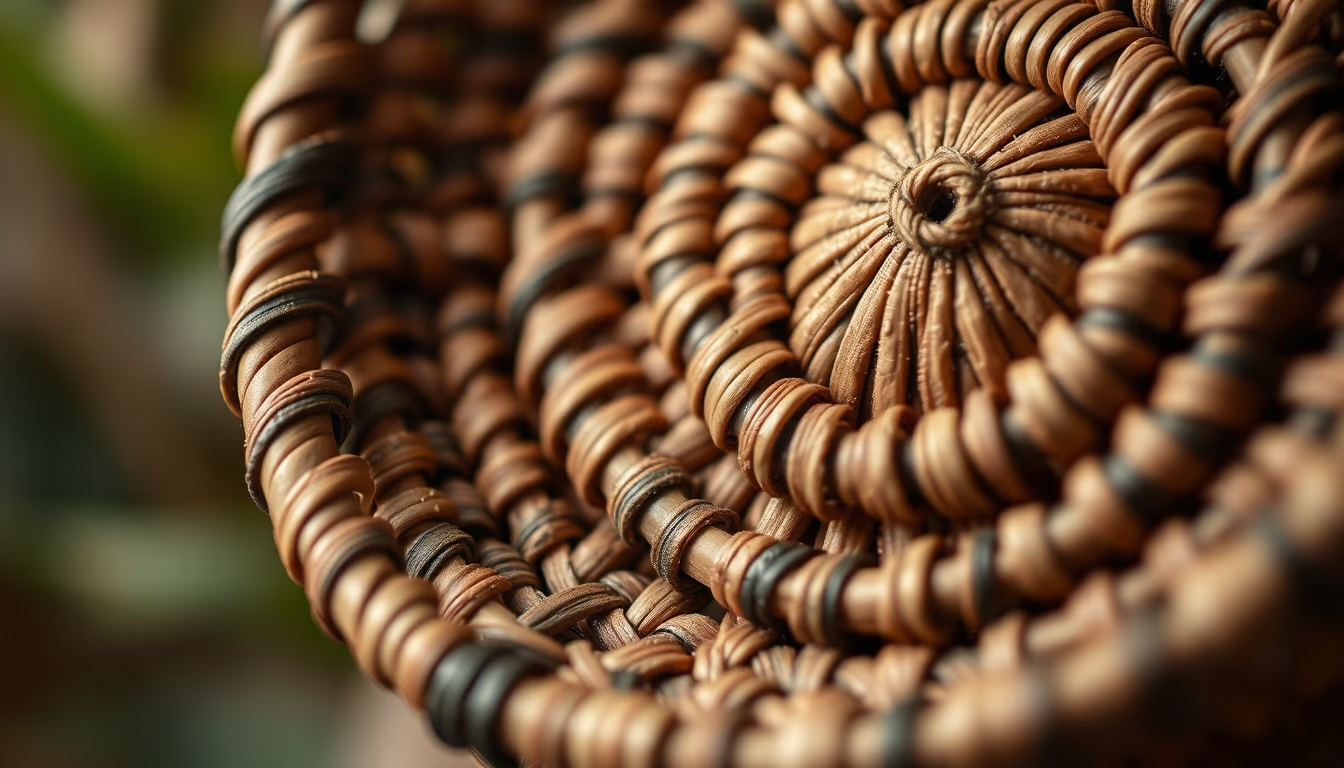
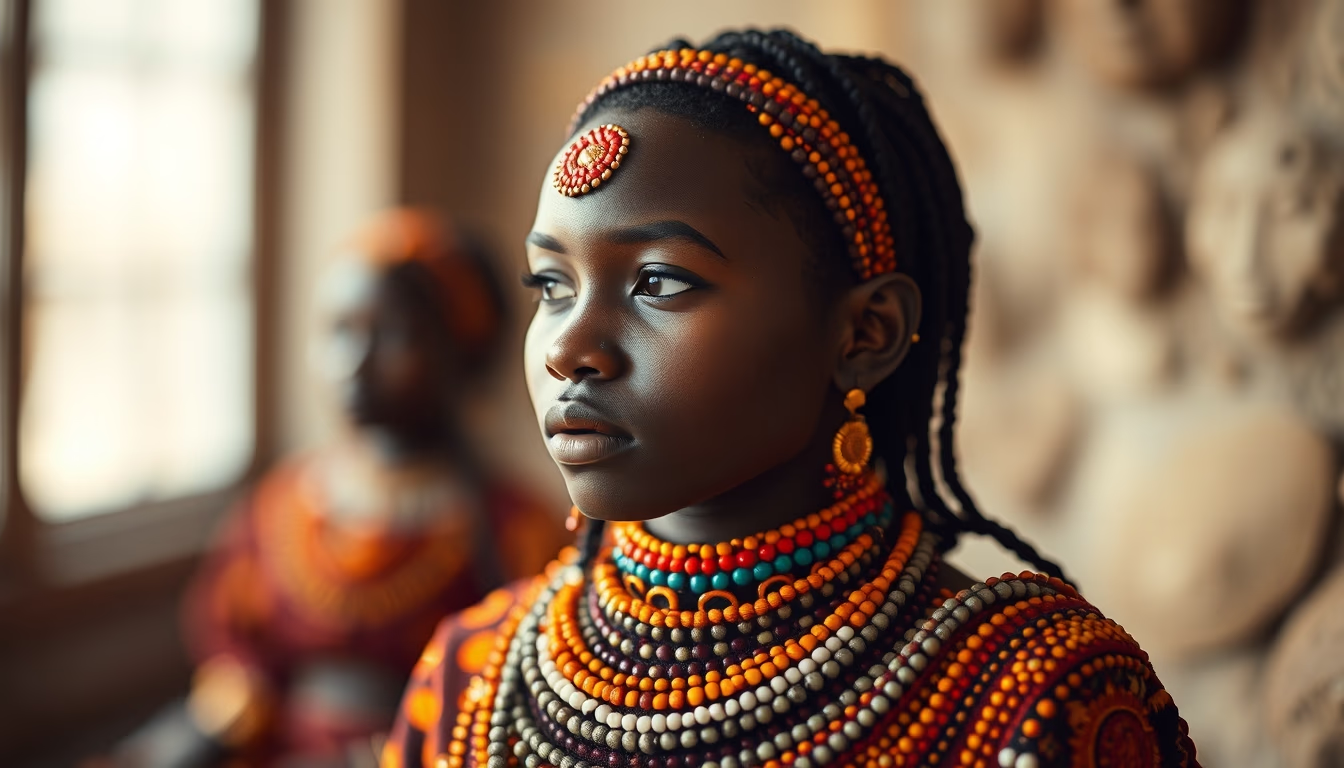
Handwoven Andean textiles, made for millennia from llama and alpaca wool with natural dyes, feature geometric patterns that encode cultural stories.
About this subject
Andean textiles represent one of the oldest continuous artistic traditions in the Americas, with archaeological evidence dating back to 10,000 BCE in the Central Andes (modern Peru, Bolivia, Ecuador, and northern Chile). The primary fibers come from llamas, alpacas, and vicuñas, animals domesticated over 6,000 years ago. Alpaca wool, in particular, is prized for its softness and durability, dyed with natural pigments from sources such as the cochineal insect (intense red), indigo (blue), and onion skins (yellow). Each color and geometric pattern carries symbolic meaning tied to the Andean worldview, representing Pachamama (Mother Earth), sacred mountains, and the tripartite division of the world (underworld, earth, and heaven).
Weaving techniques are passed down orally through generations, predominantly by women, using backstrap looms or treadle looms. Designs include zoomorphic figures (condors, llamas, snakes) and abstract forms like the chakana (Andean cross), symbolizing the connection between heaven and earth. Textiles served not only as clothing but also as currency, historical records, and social markers. During the Inca Empire, the finest cloth (cumbi) was reserved for nobility and used in religious ceremonies. Spanish colonization introduced new techniques and materials, but traditions persisted in remote communities.
Today, Andean textiles are globally recognized for their artistic and cultural significance, with key centers such as Chinchero (Peru) and Otavalo (Ecuador) maintaining artisanal production. UNESCO included Peruvian weaving on its Representative List of the Intangible Cultural Heritage of Humanity in 2005. Collections in museums like the Museo de Arte Precolombino in Cusco and the Smithsonian Institution in the United States preserve ancient pieces, some over 2,000 years old. The contemporary demand for sustainable and ethical fashion has boosted fair trade of these textiles, generating income for indigenous communities and encouraging preservation of ancestral techniques.
Frequently Asked Questions
Which animals provide fibers for Andean textiles?
Llamas, alpacas, and vicuñas are the main sources. Alpaca wool is most prized for its softness, while vicuña fibers are extremely fine and rare.
What do the geometric patterns in Andean textiles mean?
They represent elements of the Andean worldview, such as the chakana (Andean cross linking earth and sky), sacred mountains (apus), and symbolic animals. Colors also carry meanings: red for life, blue for sky, yellow for corn.
Are Andean textiles recognized as cultural heritage?
Yes. In 2005, UNESCO added Peruvian weaving to its Representative List of the Intangible Cultural Heritage of Humanity. Many museums worldwide display both ancient and contemporary pieces.
Direct URL
https://pub-c7d6a6ea828543ac903a74a341ccb2e1.r2.dev/imagens/andean-textile-vivid-documentary-photography-fresh13.avifHow to credit
Include a visible link back to UtilizAí. Copy one of the snippets below:
<a href="https://xn--utiliza-eza.com/en/midia/imagens/andean-textile-vivid-documentary-photography-fresh13">Andean textile vivid</a> by <a href="https://xn--utiliza-eza.com">UtilizAí</a>, licensed under <a href="https://creativecommons.org/licenses/by/4.0/">CC BY 4.0</a>.
[Andean textile vivid](https://xn--utiliza-eza.com/en/midia/imagens/andean-textile-vivid-documentary-photography-fresh13) by [UtilizAí](https://xn--utiliza-eza.com), CC BY 4.0
License: CC-BY-4.0