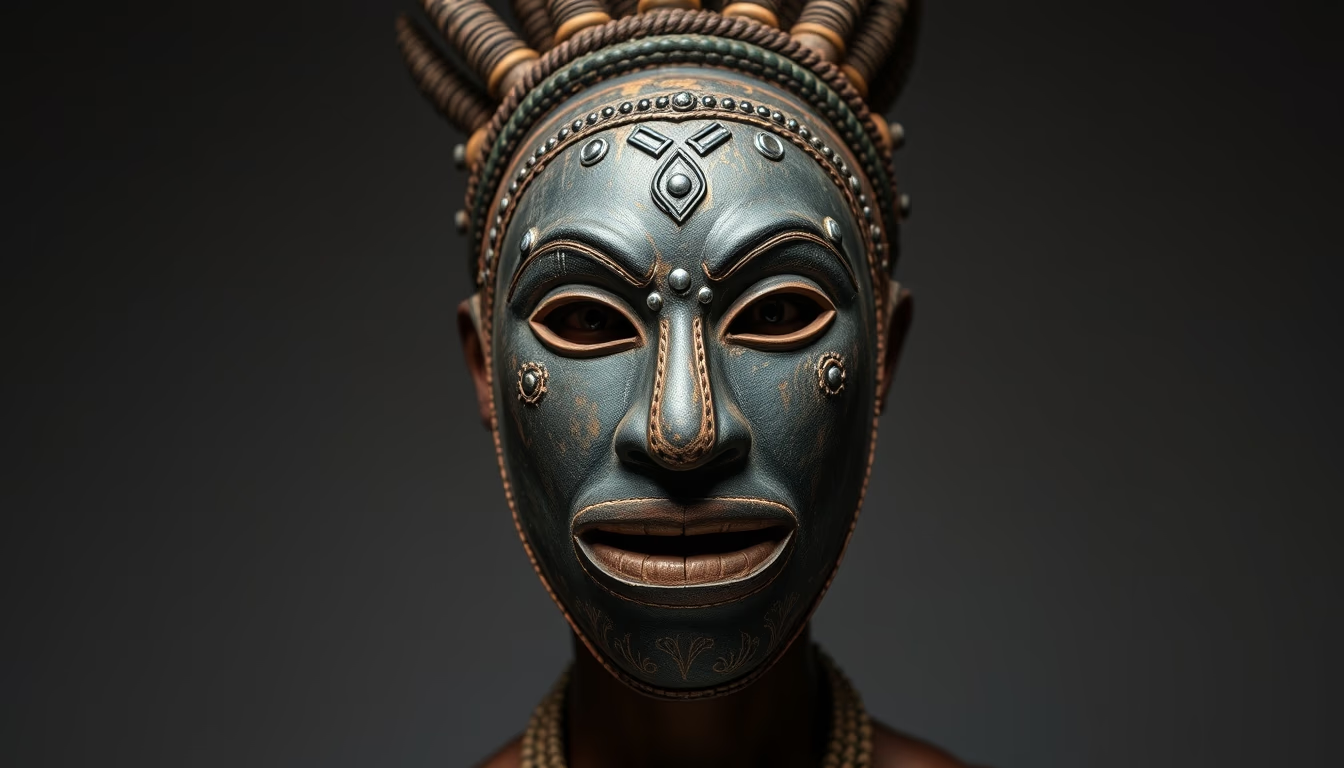
Andean textile vivid
1344×768 · AVIF · CC BY 4.0

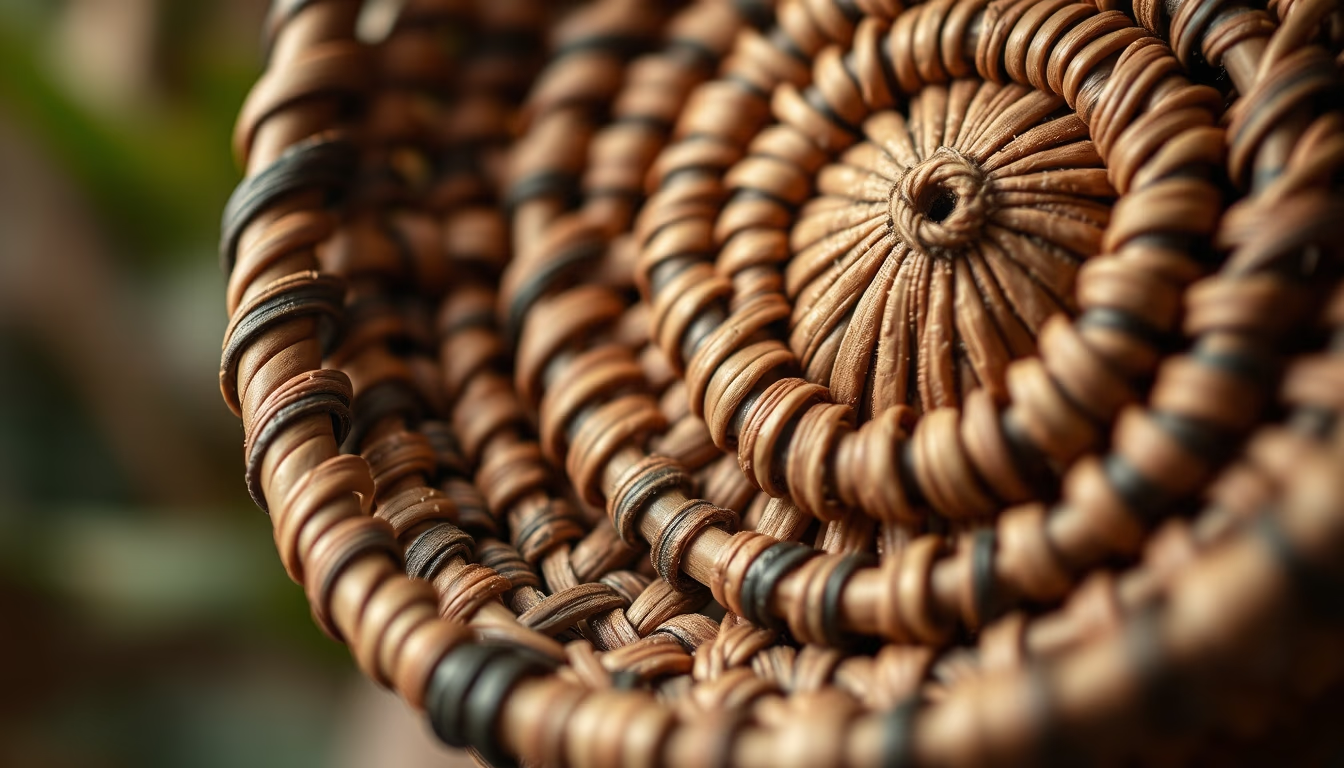
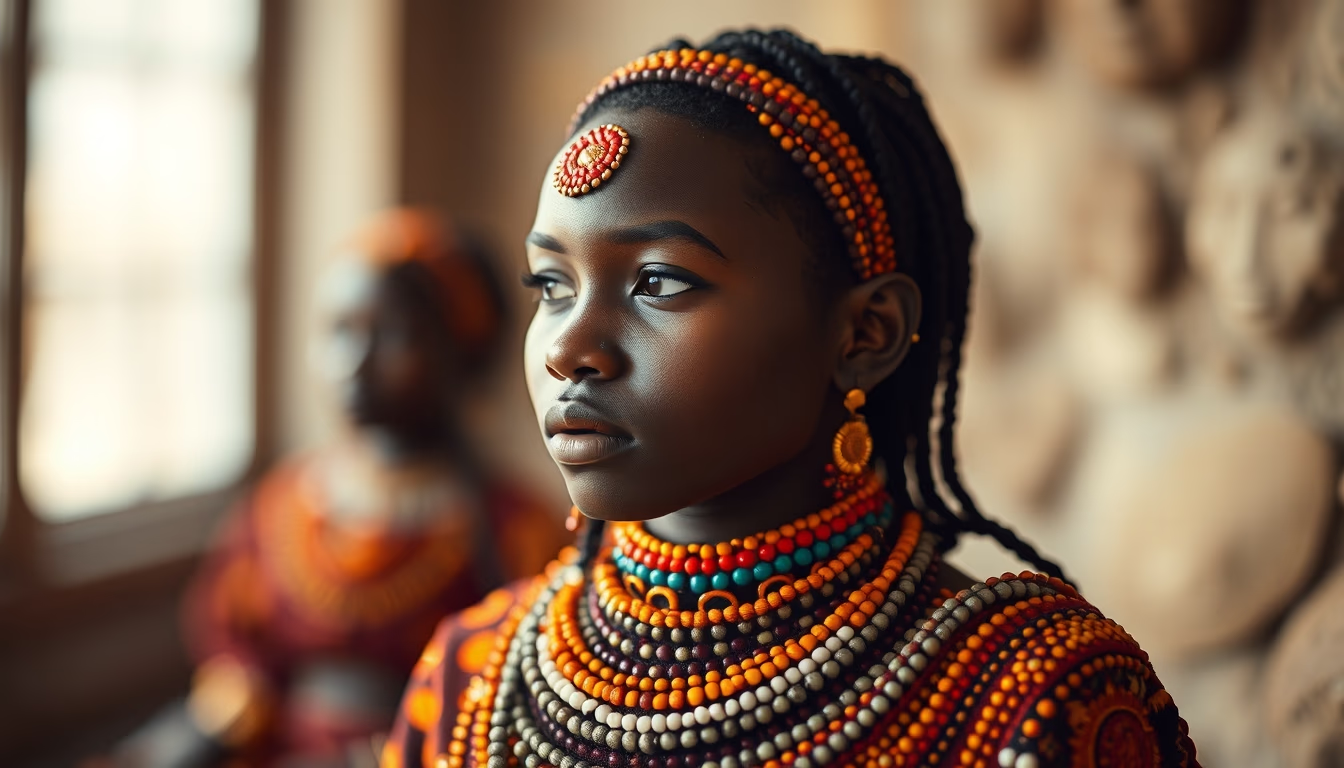
Andean textiles are a millenary artistic expression, with loom techniques and natural dyes dating back to pre-Columbian civilizations.
About this subject
Andean textiles represent one of the oldest and most sophisticated textile traditions in the Americas. They date back to approximately 5000 BCE, with archaeological evidence found in present-day Peru, especially in the Paracas culture (700-200 BCE) and the Nazca civilization (100 BCE-700 CE). These textiles were mainly made from alpaca, llama, and vicuña wool, as well as native cotton. Dyes were extracted from plants such as indigo, cochineal insects (producing red), and minerals, resulting in vibrant colors that withstand the test of time.
The Andean weaving technique involves the use of a backstrap loom, a portable tool that allows the creation of complex geometric patterns and zoomorphic figures. Each piece could take months to complete, and the designs carry deep symbolic meanings, such as representations of gods, agricultural rituals, and social hierarchies. During the Inca Empire (13th-16th centuries), textiles were so valuable that they served as currency, religious offerings, and status indicators. The finest fabrics, called cumbi, were reserved for the nobility and sacred ceremonies.
Today, indigenous communities of the Andes, such as the Quechua and Aymara, keep these ancestral techniques alive. The city of Cusco in Peru and the Bolivian highlands are recognized centers for handmade textile production. In 2005, UNESCO declared Peruvian textile art as Intangible Cultural Heritage of Humanity. Fair trade and cultural tourism have helped preserve this knowledge, although challenges like competition from industrial products and the loss of young people interested in the craft persist.
A notable curiosity is the use of the quipu, a system of knotted cords used by the Incas to record information. While not a textile itself, its entwinement technique has parallels with weaving. Additionally, Andean textile patterns often incorporate iconography from the Chavín culture, such as the staff god, showing a symbolic continuity that spans millennia.
Frequently Asked Questions
What are the main materials used in traditional Andean textiles?
The main materials are alpaca, llama, and vicuña wool, along with native cotton. Fibers are dyed with natural colorants from plants like indigo, insects like cochineal, and minerals.
What was the cultural significance of Andean textiles during Inca times?
In the Inca Empire, textiles were so valuable that they served as currency, religious offerings, and status symbols. Fine fabrics called cumbi were reserved for the nobility and sacred ceremonies.
How are Andean textiles made today?
The primary technique is still the backstrap loom, used by Quechua and Aymara communities. Artisans hand-spin and dye the fibers, weaving geometric patterns and symbolic figures that can take months to complete.
Direct URL
https://pub-c7d6a6ea828543ac903a74a341ccb2e1.r2.dev/imagens/andean-textile-vivid-cinematic-wide-shot-fresh14.avifHow to credit
Include a visible link back to UtilizAí. Copy one of the snippets below:
<a href="https://xn--utiliza-eza.com/en/midia/imagens/andean-textile-vivid-cinematic-wide-shot-fresh14">Andean textile vivid</a> by <a href="https://xn--utiliza-eza.com">UtilizAí</a>, licensed under <a href="https://creativecommons.org/licenses/by/4.0/">CC BY 4.0</a>.
[Andean textile vivid](https://xn--utiliza-eza.com/en/midia/imagens/andean-textile-vivid-cinematic-wide-shot-fresh14) by [UtilizAí](https://xn--utiliza-eza.com), CC BY 4.0
License: CC-BY-4.0