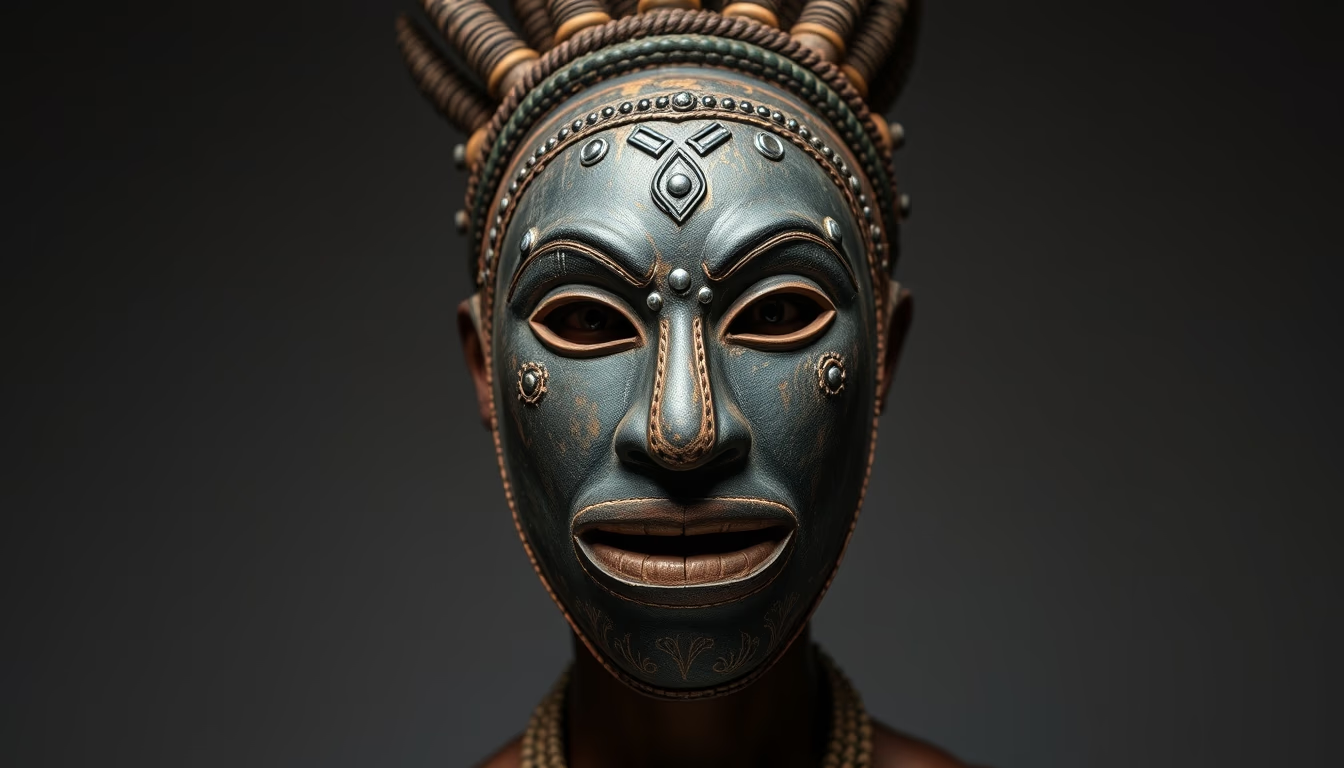
Andean textile vivid
1344×768 · AVIF · CC BY 4.0
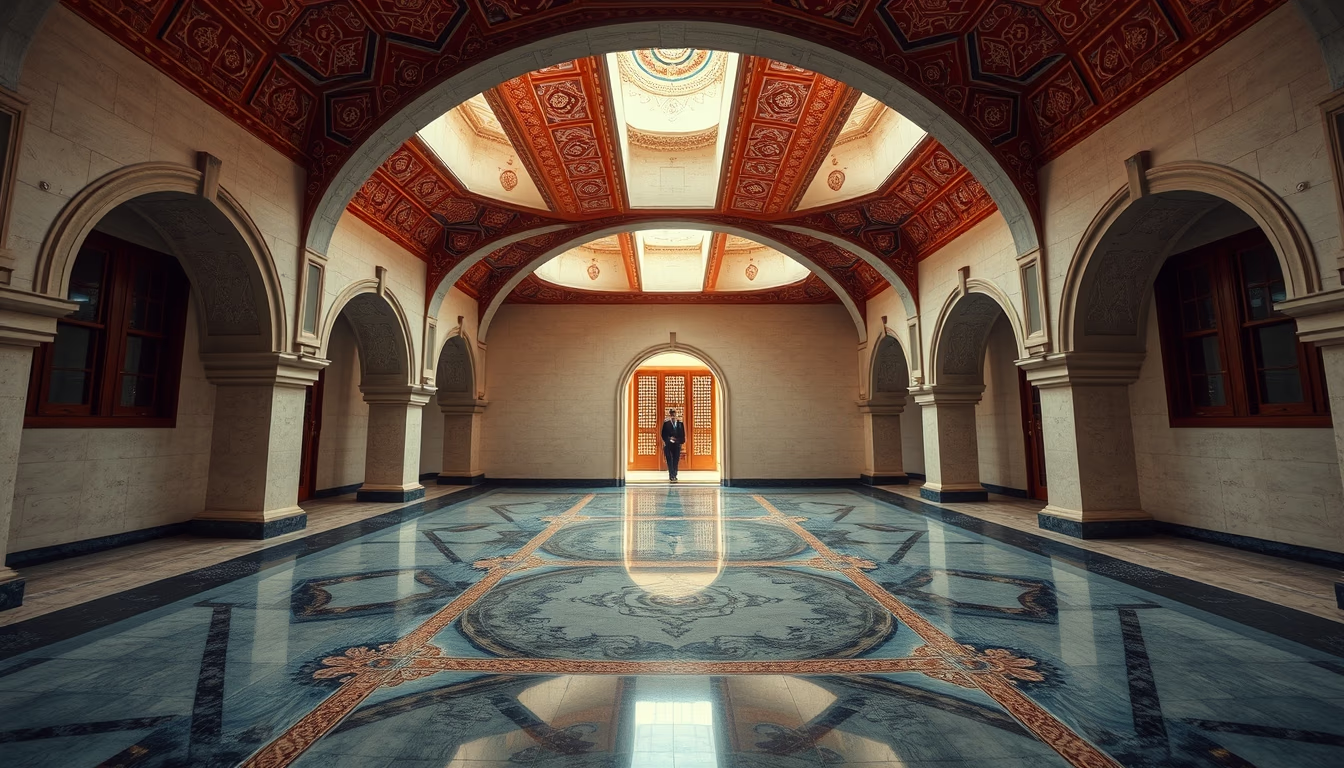
Andean textiles are millenary textile artifacts that express the worldview, identity, and ancestral techniques of the peoples of the Andes.
About this subject
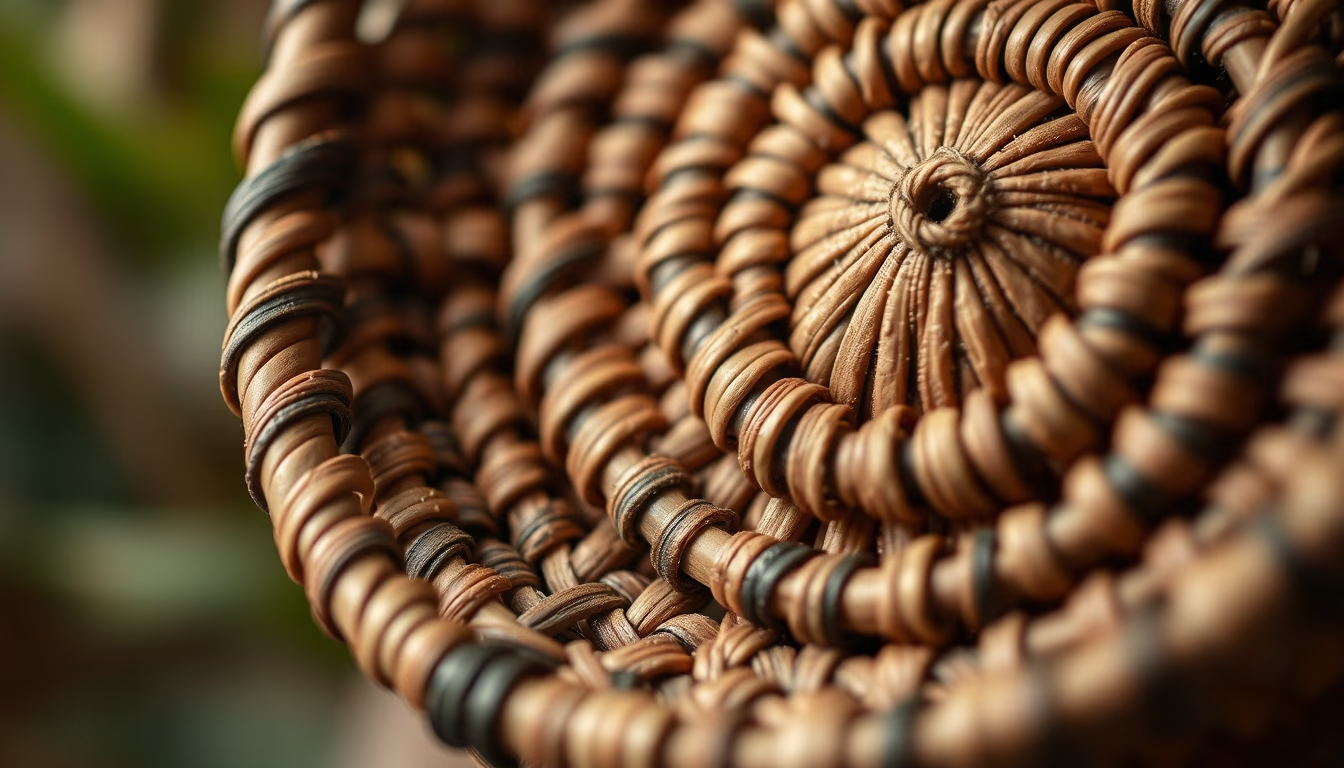
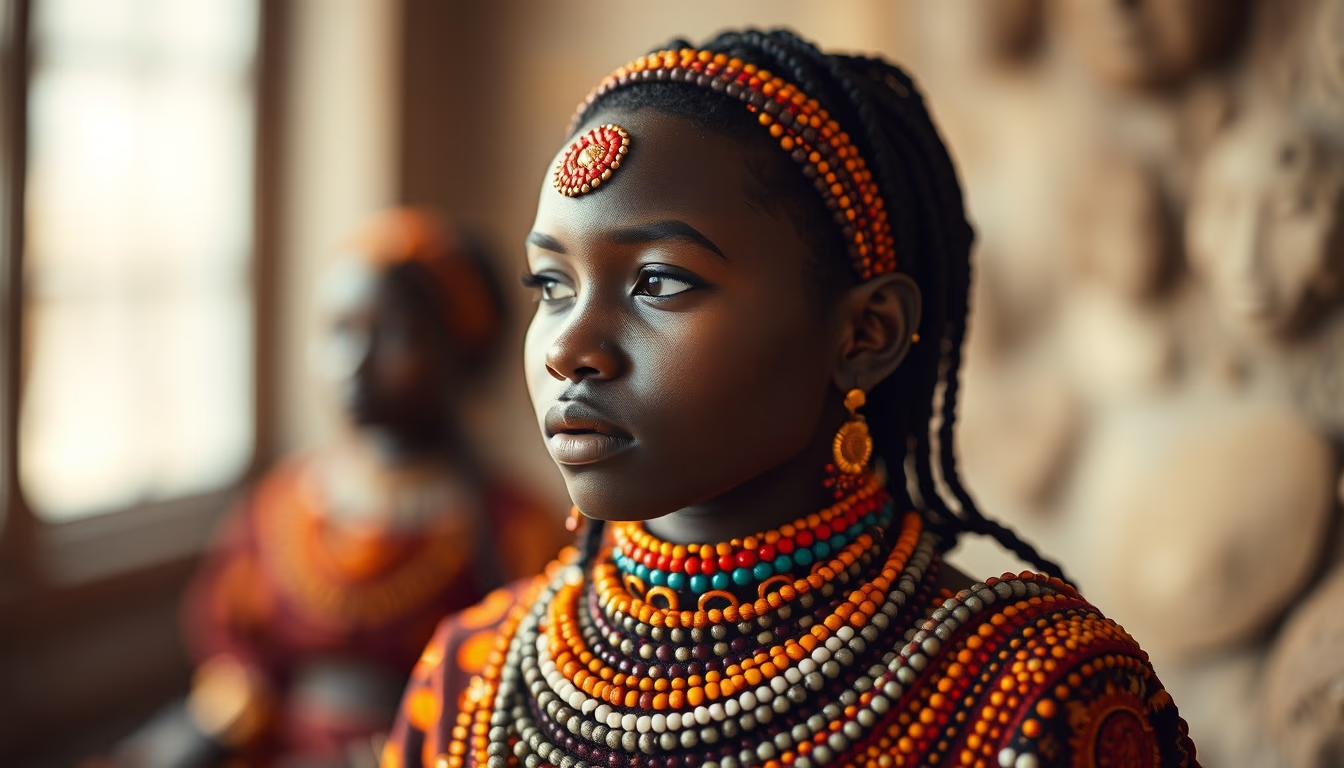
Andean textiles represent one of the oldest and most sophisticated textile traditions in the world, with origins dating back over 5,000 years. Produced mainly in the mountainous regions of Peru, Bolivia, Ecuador, and northern Chile, these textiles were made by pre-Columbian cultures such as the Inca, Wari, Nazca, and Paracas. Alpaca, vicuña, and llama wool, combined with native cotton, were the basic raw materials. Natural dyes extracted from plants (cochineal, indigo, molle) and minerals provided vibrant and lasting colors, often associated with symbolic meanings and social status.
The backstrap loom technique is the most characteristic, allowing the creation of complex geometric patterns and zoomorphic and anthropomorphic figures. Each region developed its own style: for example, Paracas textiles are known for their polychromatic embroidery and mythological figures, while Inca textiles impress with technical precision and abstract motifs such as the chakana (Andean cross). The spinning, dyeing, and weaving processes were often done by women, who orally passed down the secrets of the craft. These textiles served not only as clothing but also as currency, religious offerings, and markers of ethnic identity.
With the Spanish colonization, Andean textile production was suppressed but never extinguished. It underwent transformations, incorporating European elements such as new colors and designs, while maintaining its indigenous essence. Today, Andean textiles are recognized as intangible cultural heritage and continue to be produced by communities like the Quechua and Aymara, especially at fairs and cooperatives. The contemporary appreciation of these artifacts strengthens local economies and the preservation of ancestral knowledge, while inspiring global designers and artists.
Frequently Asked Questions
What materials are used in traditional Andean textiles?
Andean textiles are mainly made from alpaca, vicuña, and llama wool, plus native cotton. Natural dyes come from plants like cochineal (red) and indigo (blue), and from minerals.
What is the cultural significance of Andean textiles?
Andean textiles are more than clothing: they serve as currency, religious offerings, and symbols of ethnic identity. Their colors and patterns convey the Andean worldview, with motifs such as the chakana (Andean cross) and figures of sacred animals.
How are Andean textiles produced today?
They are still made on backstrap looms, an ancient technique passed down through generations. Quechua and Aymara communities maintain the tradition, selling their products at fairs and cooperatives, which helps preserve cultural heritage.
Direct URL
https://pub-c7d6a6ea828543ac903a74a341ccb2e1.r2.dev/imagens/andean-textile-vivid-architectural-photography-fresh4.avifHow to credit
Include a visible link back to UtilizAí. Copy one of the snippets below:
<a href="https://xn--utiliza-eza.com/en/midia/imagens/andean-textile-vivid-architectural-photography-fresh4">Andean textile vivid</a> by <a href="https://xn--utiliza-eza.com">UtilizAí</a>, licensed under <a href="https://creativecommons.org/licenses/by/4.0/">CC BY 4.0</a>.
[Andean textile vivid](https://xn--utiliza-eza.com/en/midia/imagens/andean-textile-vivid-architectural-photography-fresh4) by [UtilizAí](https://xn--utiliza-eza.com), CC BY 4.0
License: CC-BY-4.0