Amazonian basketry
1344×768 · AVIF · CC BY 4.0

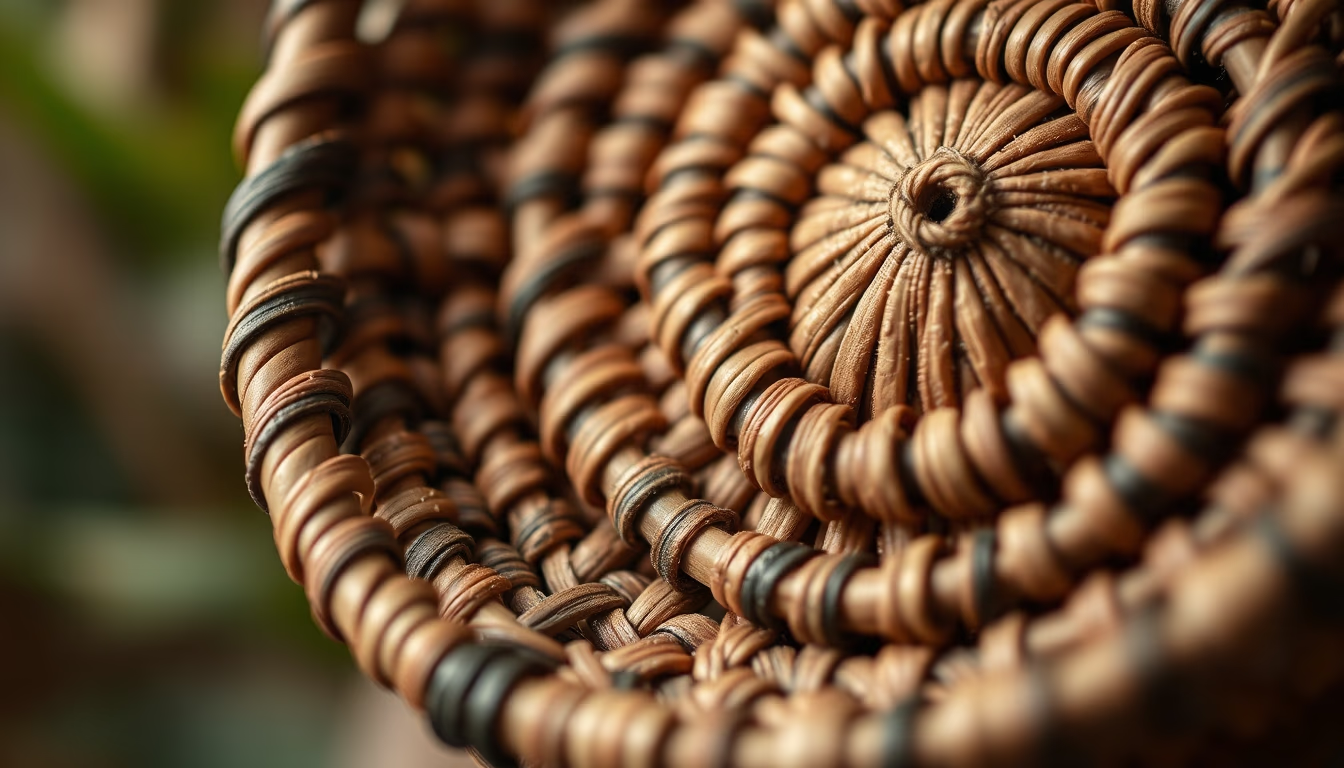
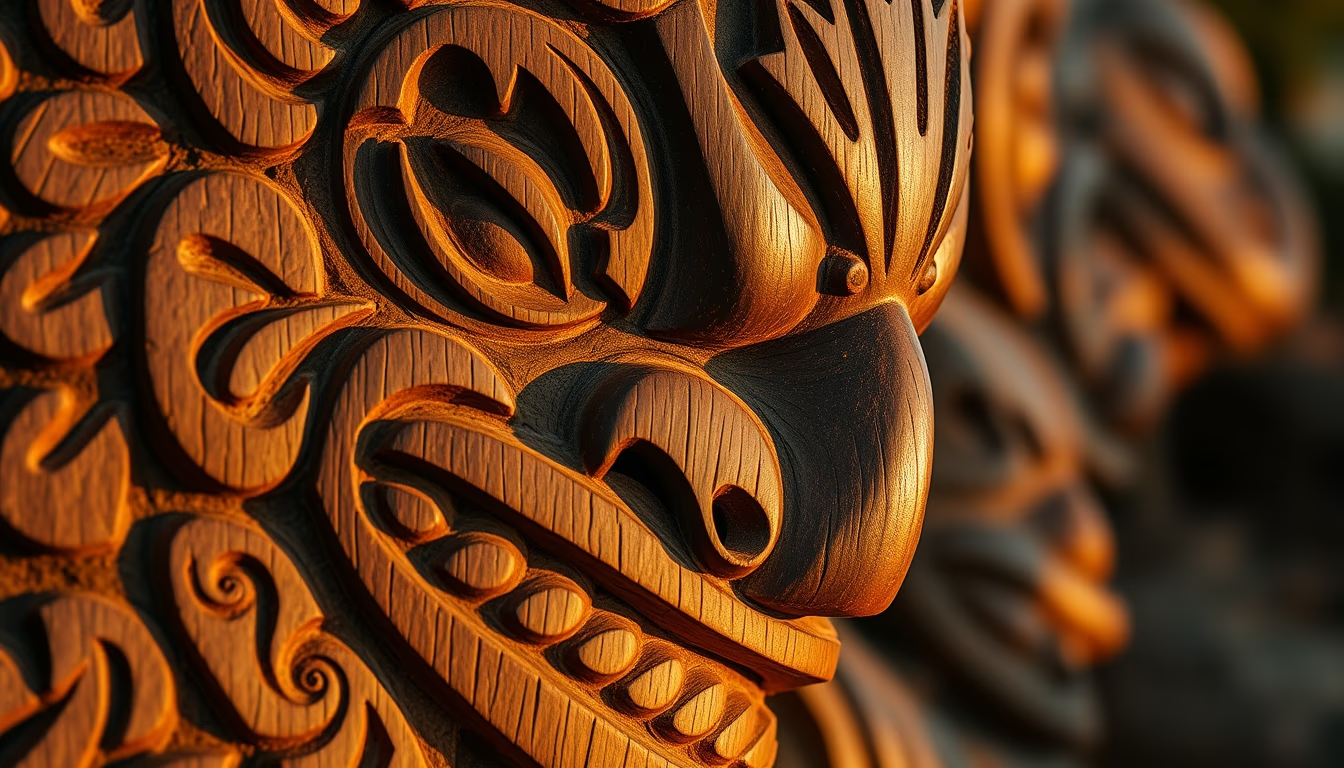
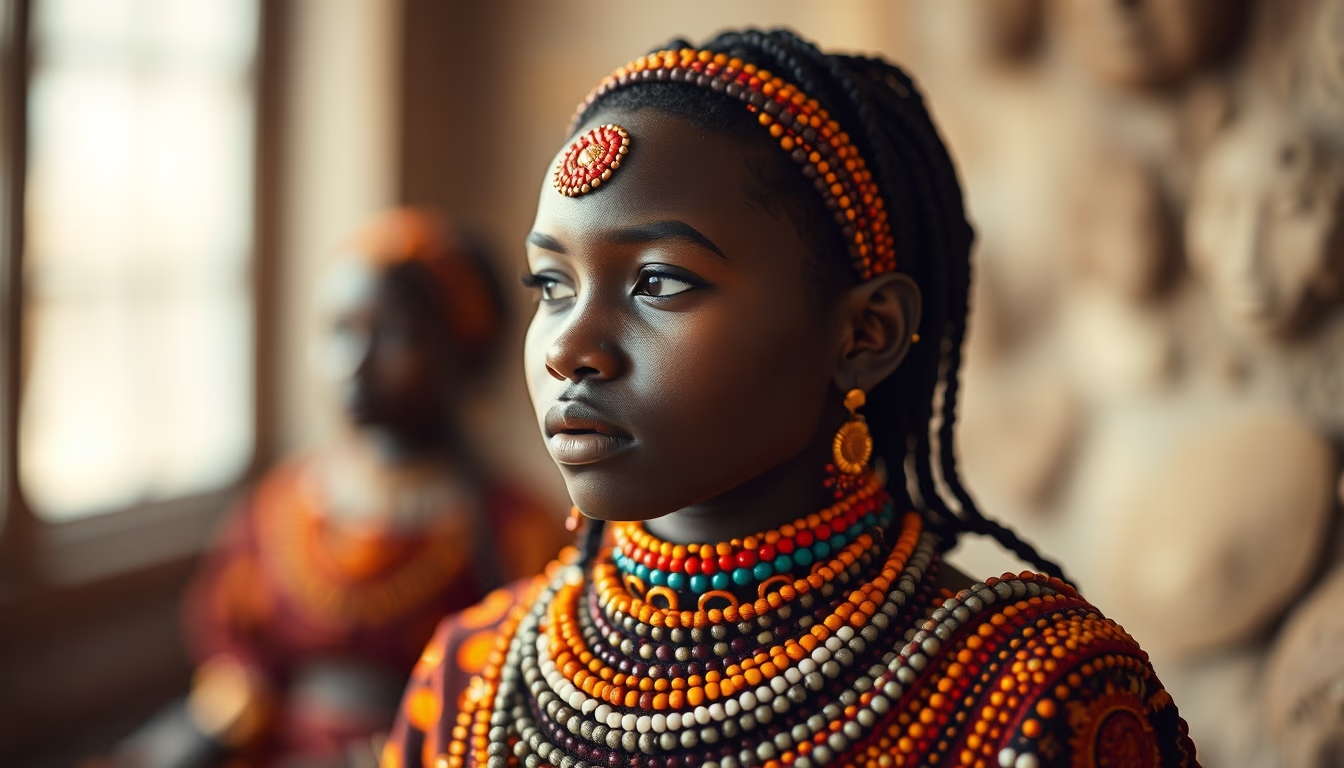
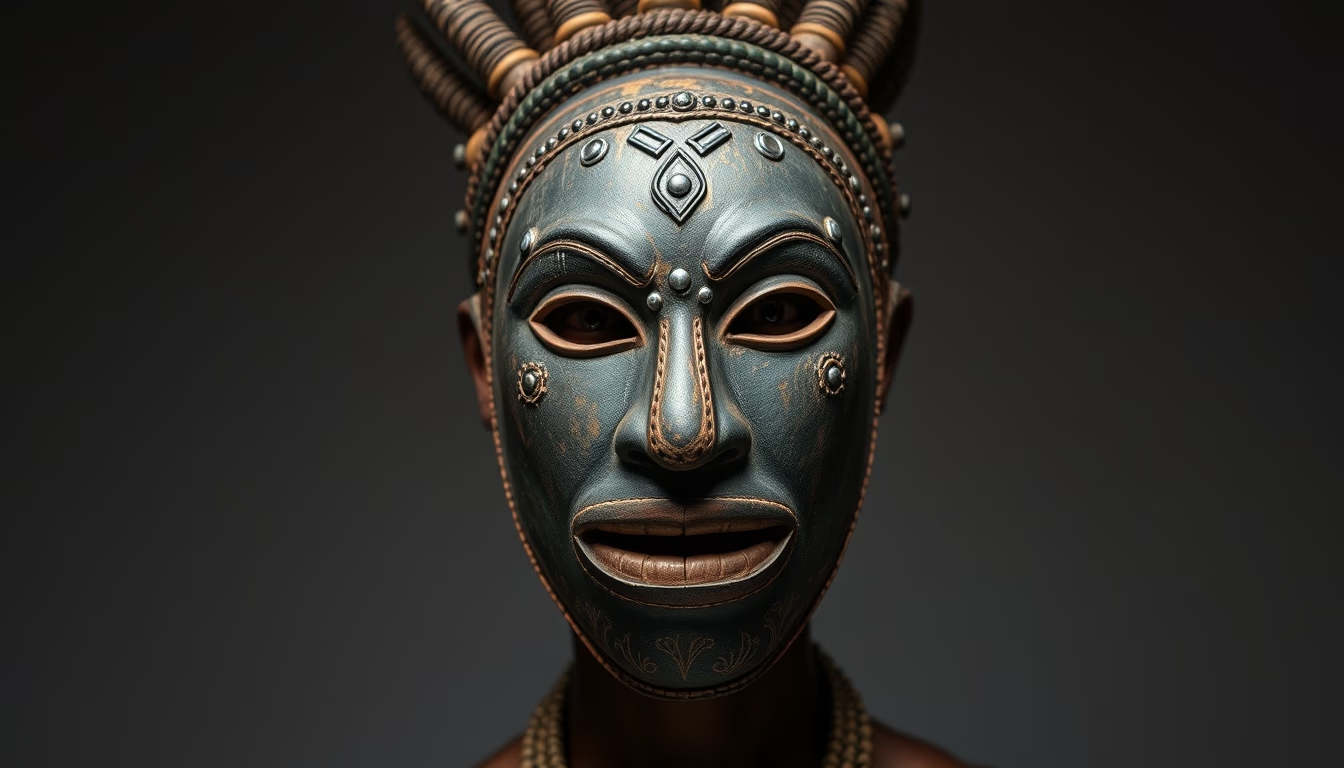
Amazonian basketry is an ancient art combining indigenous techniques with native fibers, representing cultural identity and sustainability.
About this subject
Amazonian basketry, practiced by indigenous peoples across the Amazon basin, uses plant fibers such as arumã, tucum, buriti, and liana. Each ethnic group developed specific weaving techniques, including simple twining, spiral coiling, and basic loom weaving. Objects range from utilitarian items like tipitis (manioc presses) and sieves to ceremonial pieces such as masks and adornments. In Amazonas, the Baniwa are renowned for their arumã baskets with geometric designs; in Pará, the Tembé use tucum fibers for bags and mats. The choice of fiber depends on desired durability: buriti is flexible for mats, while liana is strong for carrying baskets.
The geometric patterns are not merely decorative. They narrate creation myths, represent animals or landscape elements, and indicate the artisan's clan or social status. For instance, a zigzag pattern may symbolize the great snake, an important aquatic entity in many cosmologies. Knowledge transmission is oral and practical, passed down through generations. In recent years, cooperatives such as the Association of Artisans of the Upper Rio Negro have strengthened production, ensuring income and cultural preservation.
Amazonian basketry has also gained international recognition. Pieces have been exhibited at museums like MASP and the Musée du Quai Branly, and contemporary designers incorporate traditional techniques into furniture and decorative objects. However, the practice faces threats: deforestation reduces the availability of native fibers, and urban migration among young people weakens knowledge transmission. Sustainable management projects and digital documentation efforts aim to reverse this trend, valuing the art as intangible heritage.
Frequently Asked Questions
Which fibers are used in Amazonian basketry?
The most common fibers are arumã, tucum, buriti, miriti, and liana. Each has specific properties: arumã is tough and flexible for fine baskets; tucum is durable for bags and mats; buriti is soft for delicate weaves.
How do basketry patterns reflect indigenous culture?
The geometric patterns carry cosmological, mythological, and social meanings. They may represent animals like the great snake or caiman, or symbols of fertility and protection. The choice of design often indicates ethnic identity and the artisan's status.
Where can I find authentic Amazonian basketry?
Authentic basketry can be purchased at indigenous craft fairs in Manaus, Belém, and São Gabriel da Cachoeira, or through cooperatives like the Association of Artisans of the Upper Rio Negro. Fair trade online stores also offer certified pieces.
Direct URL
https://pub-c7d6a6ea828543ac903a74a341ccb2e1.r2.dev/imagens/amazonian-basketry-studio-editorial-portrait-fresh16.avifHow to credit
Include a visible link back to UtilizAí. Copy one of the snippets below:
<a href="https://xn--utiliza-eza.com/en/midia/imagens/amazonian-basketry-studio-editorial-portrait-fresh16">Amazonian basketry</a> by <a href="https://xn--utiliza-eza.com">UtilizAí</a>, licensed under <a href="https://creativecommons.org/licenses/by/4.0/">CC BY 4.0</a>.
[Amazonian basketry](https://xn--utiliza-eza.com/en/midia/imagens/amazonian-basketry-studio-editorial-portrait-fresh16) by [UtilizAí](https://xn--utiliza-eza.com), CC BY 4.0
License: CC-BY-4.0