Amazonian basketry
1344×768 · AVIF · CC BY 4.0
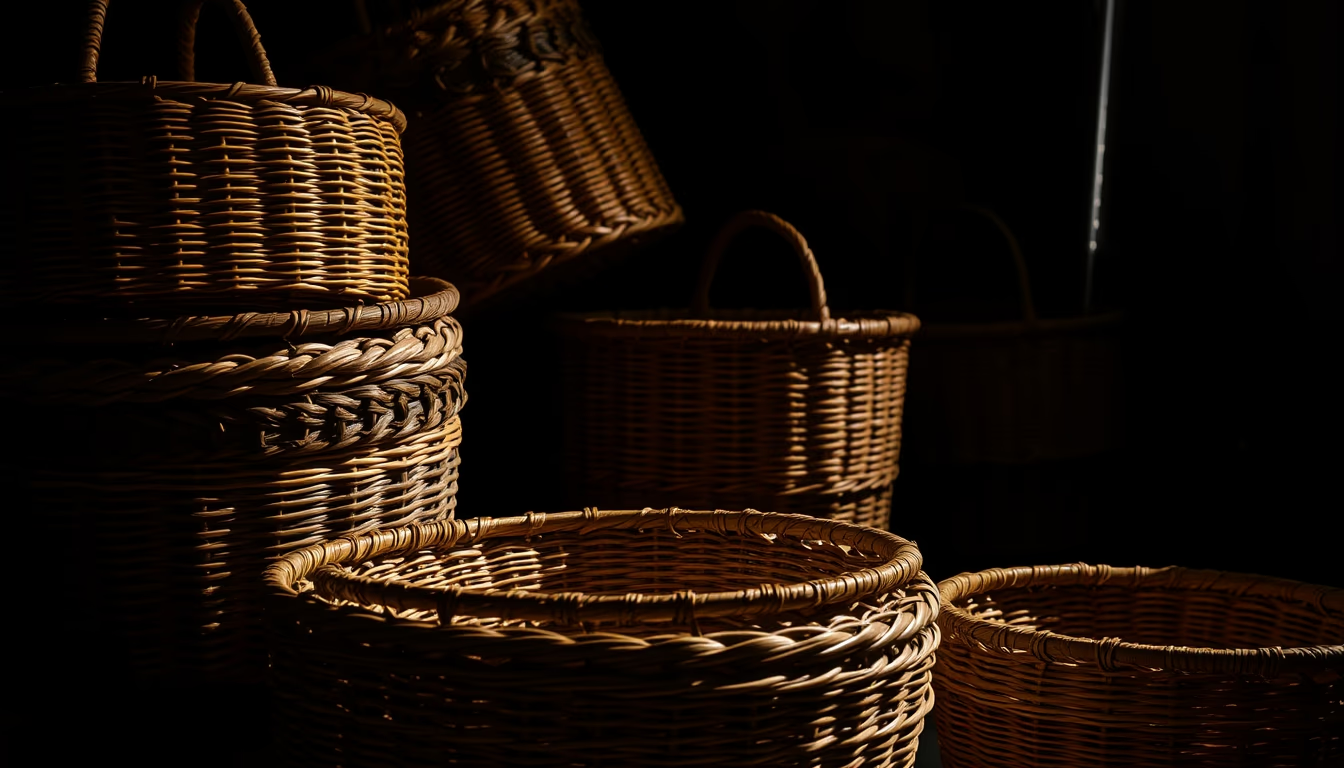
Amazonian basketry is an ancient craft practiced by indigenous peoples, using natural forest fibers to create utilitarian and ceremonial pieces.
About this subject
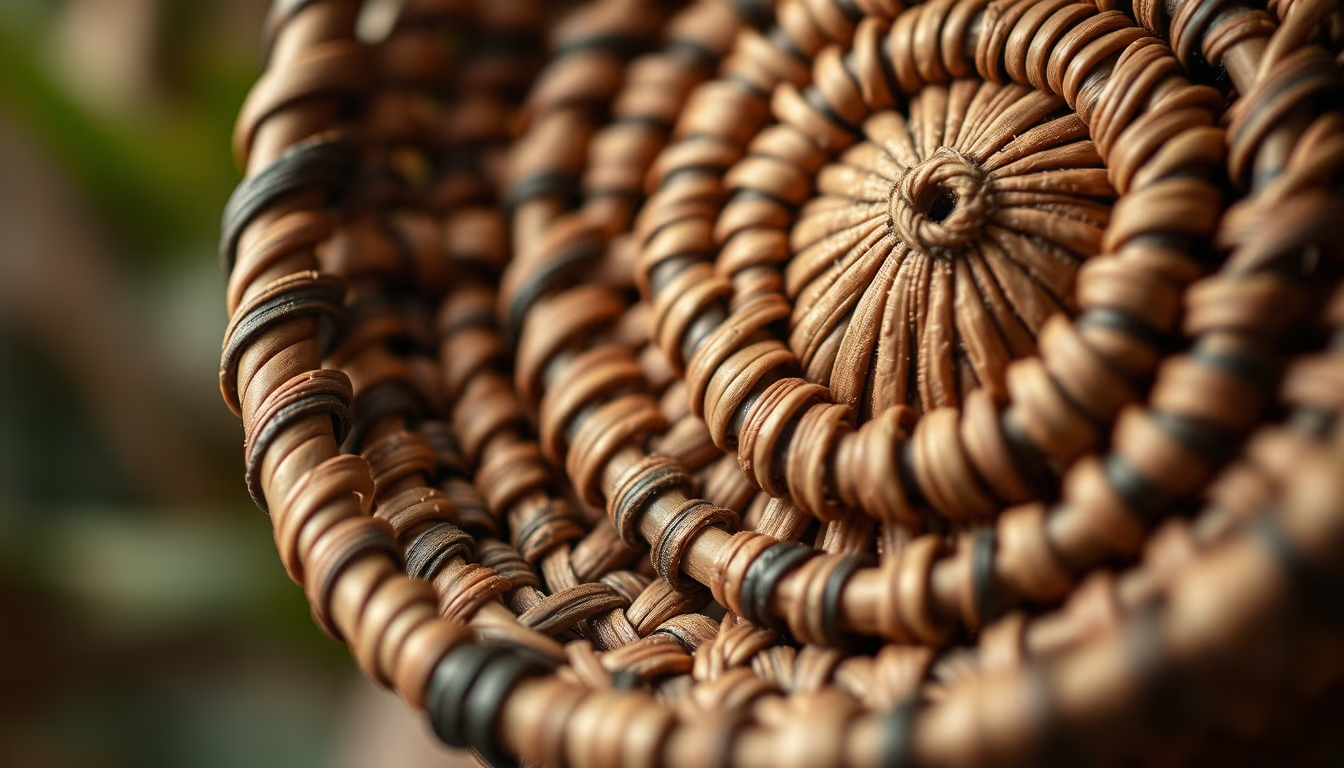
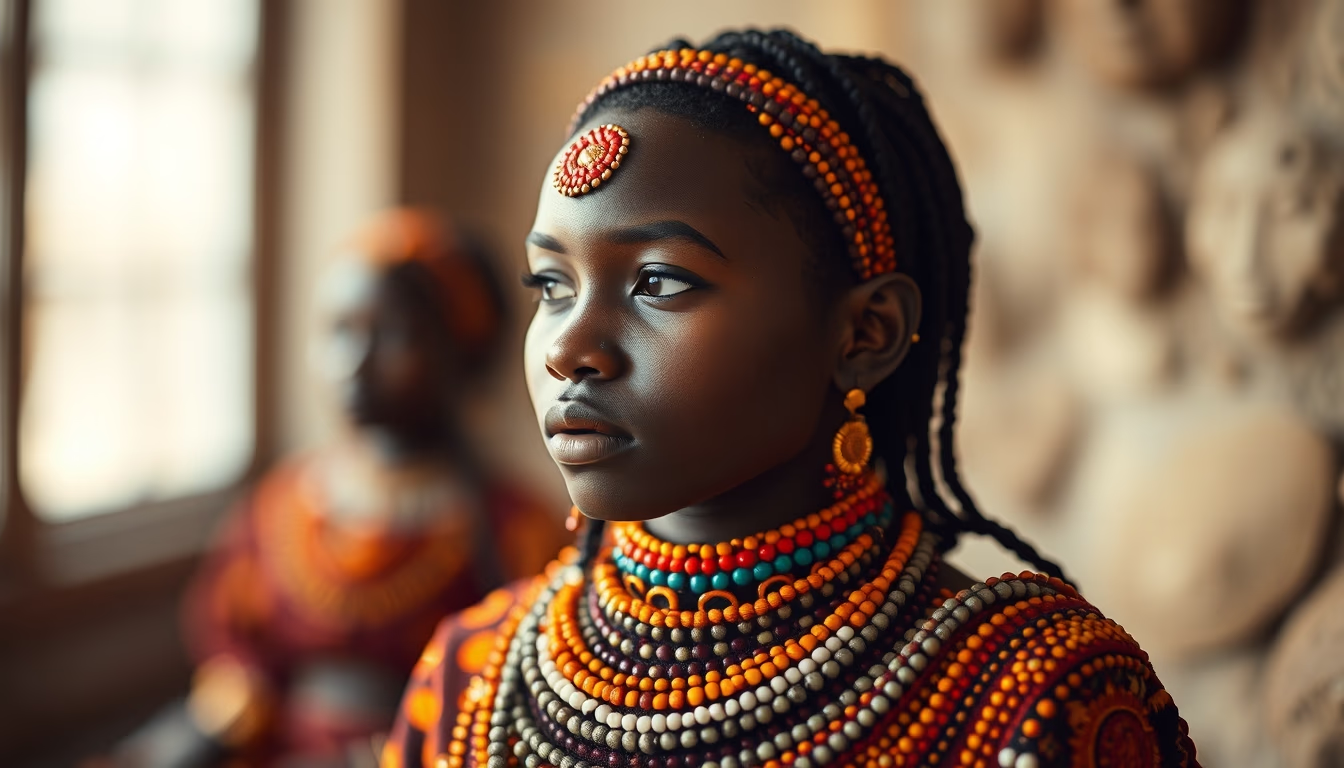
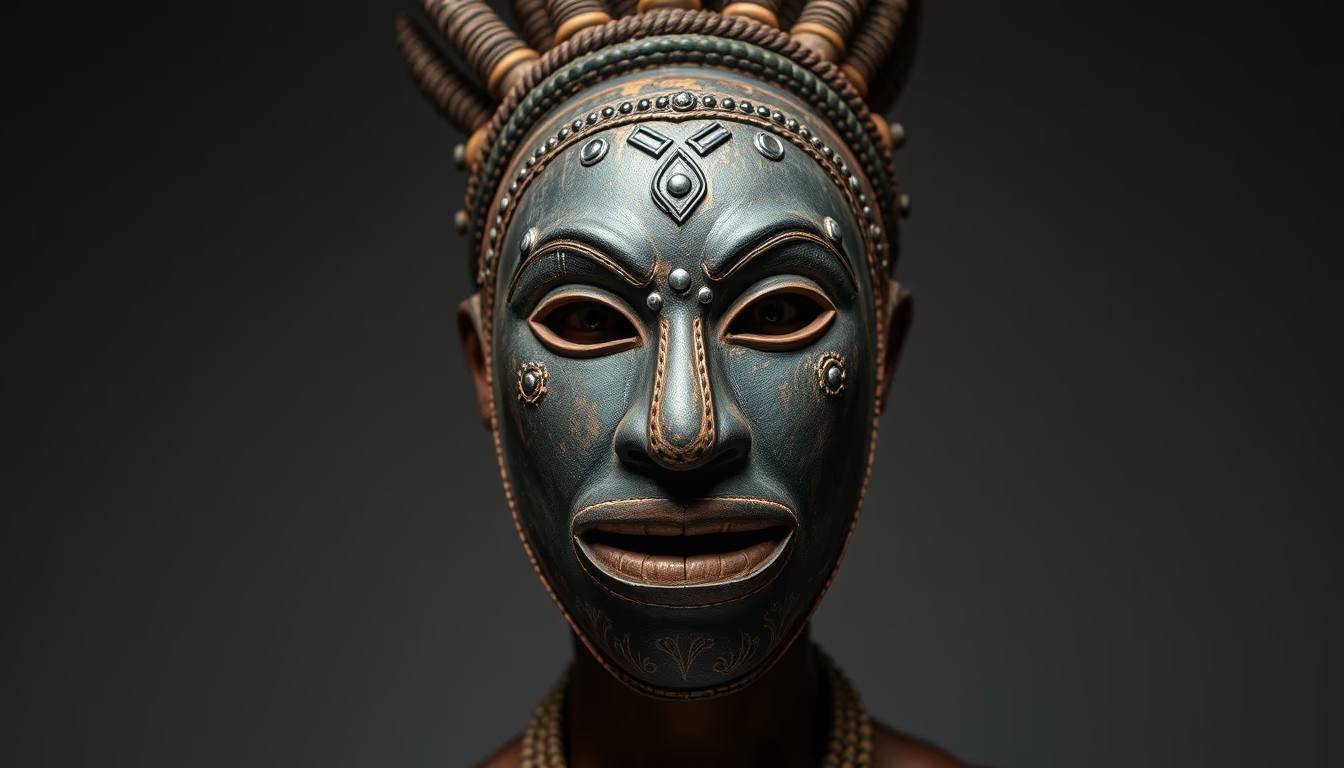
Amazonian basketry is one of the richest expressions of indigenous material culture in the Amazon. Using plant fibers such as tucumã straw, arumã, cipó-titica, and buriti, artisans weave pieces ranging from small fruit-gathering baskets to large storage containers for flour. Each ethnic group has specific techniques, like the spiral weave of the Baniwa or the geometric patterns of the Tukano, passed down orally through generations.
Fibers are sustainably harvested from the forest, usually by women, who prepare them by beating, drying, and dyeing with natural pigments like annatto and genipap. Weaving can take days or weeks depending on complexity. Beyond domestic use, basketry plays a central role in rituals, such as the dance baskets of the Karajá, and in trade between villages.
In recent years, Amazonian basketry has gained international recognition as part of the contemporary indigenous art movement. Exhibitions in European and Brazilian museums highlight the technical precision and aesthetic beauty of these pieces, which are also sold at craft fairs, generating income for communities. The sustainability of the practice exemplifies non-timber forest management, valuing the standing forest.
Remarkably, some Amazonian weave patterns resemble natural barcodes, studied by mathematicians and designers as inspiration for algorithms and biomimetic structures. The diversity of forms, from handled baskets (tipiti) to mats and fans, reveals the deep integration of art, function, and ecology in the Amazon.
Frequently Asked Questions
What materials are used in Amazonian basketry?
The main materials are plant fibers such as tucumã straw, arumã, cipó-titica, buriti, and miriti. They are sustainably harvested from the forest and dyed with natural pigments.
How is basketry passed down through generations?
The technique is passed down orally from parents to children, usually from mothers to daughters. Children learn by observing and practicing, with each ethnic group preserving its traditional patterns.
Does Amazonian basketry have commercial value?
Yes. Today, pieces are sold at craft fairs, specialty stores, and galleries in Brazil and abroad, providing important income for indigenous and riverside communities.
Direct URL
https://pub-c7d6a6ea828543ac903a74a341ccb2e1.r2.dev/imagens/amazonian-basketry-rembrandt-lighting-dramatic-shadows-fresh13.avifHow to credit
Include a visible link back to UtilizAí. Copy one of the snippets below:
<a href="https://xn--utiliza-eza.com/en/midia/imagens/amazonian-basketry-rembrandt-lighting-dramatic-shadows-fresh13">Amazonian basketry</a> by <a href="https://xn--utiliza-eza.com">UtilizAí</a>, licensed under <a href="https://creativecommons.org/licenses/by/4.0/">CC BY 4.0</a>.
[Amazonian basketry](https://xn--utiliza-eza.com/en/midia/imagens/amazonian-basketry-rembrandt-lighting-dramatic-shadows-fresh13) by [UtilizAí](https://xn--utiliza-eza.com), CC BY 4.0
License: CC-BY-4.0