Amazonian basketry
1344×768 · AVIF · CC BY 4.0
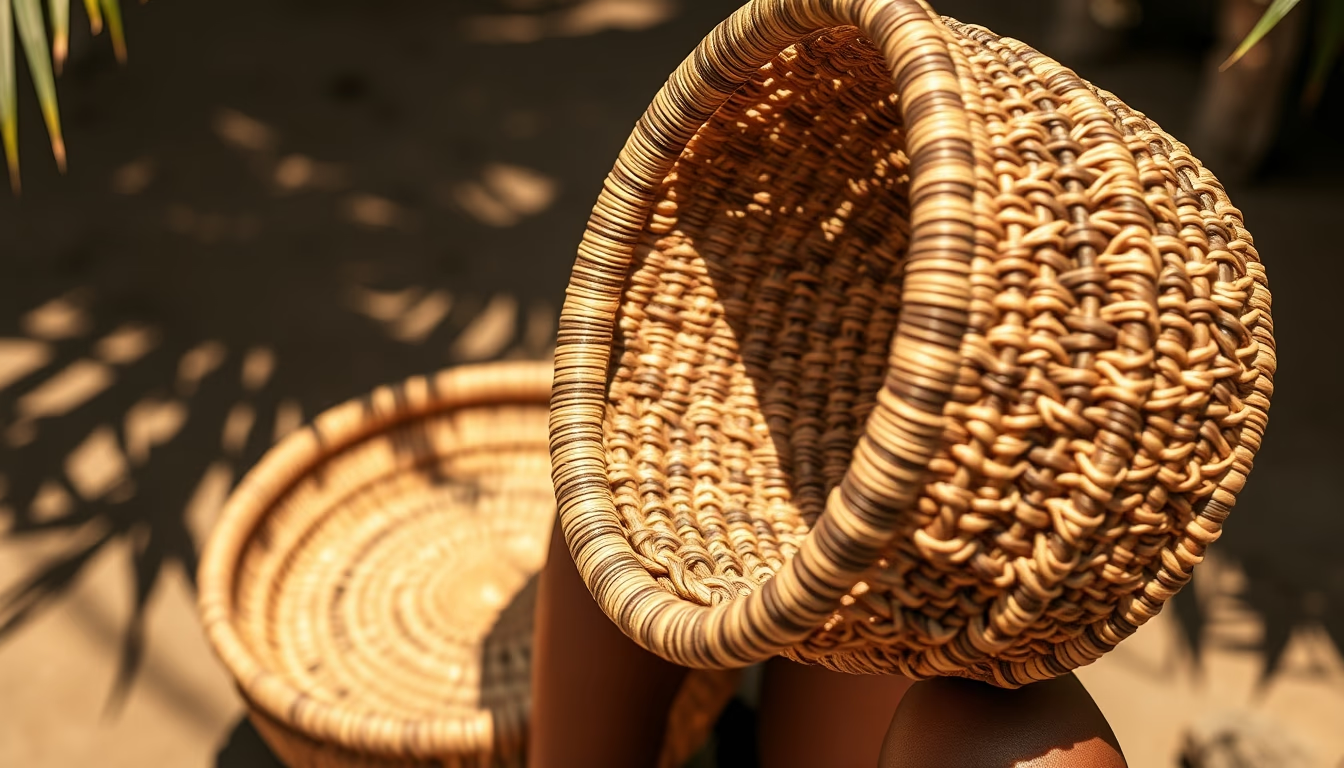
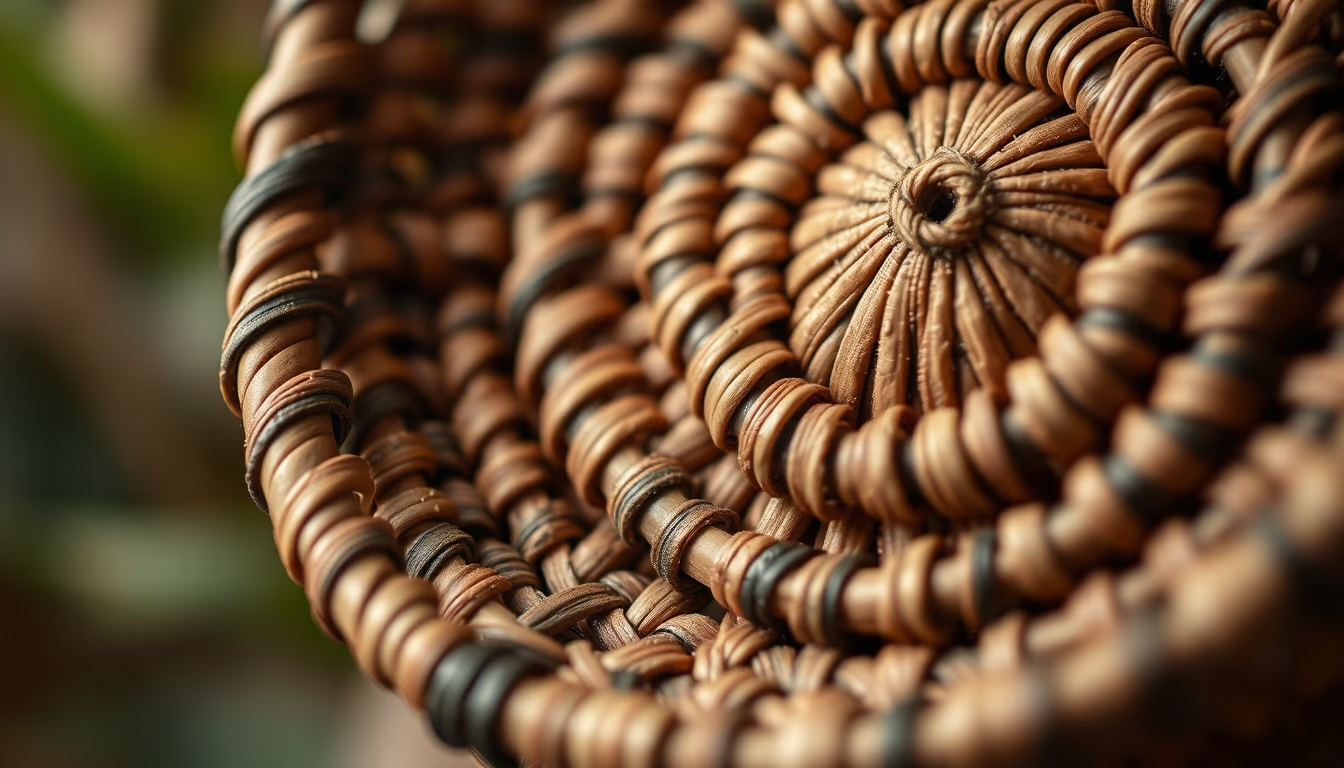
Amazonian basketry is a millennia-old tradition of indigenous peoples, using natural forest fibers to create utilitarian and ceremonial objects.
About this subject
Amazonian basketry is one of the oldest and most sophisticated expressions of Brazilian indigenous art. Using fibers extracted from palm trees such as buriti, tucum, and arumã, artisans weave baskets, sieves, and storage containers that blend functionality and beauty. Each indigenous group developed specific techniques, like the herringbone weave of the Baniwa or the geometric patterns of the Desana. These pieces are essential for daily life: they store food, carry crops, sift flour, and even appear in coming-of-age rituals.
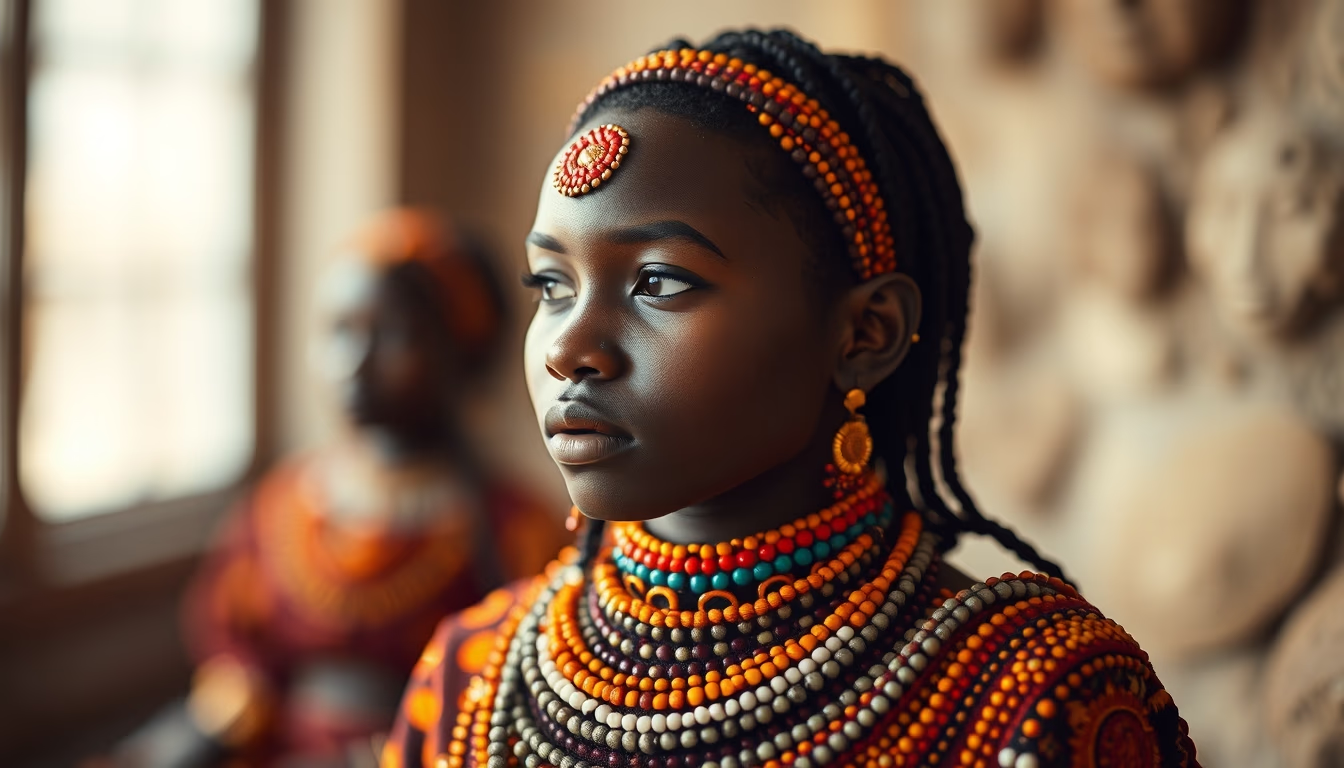
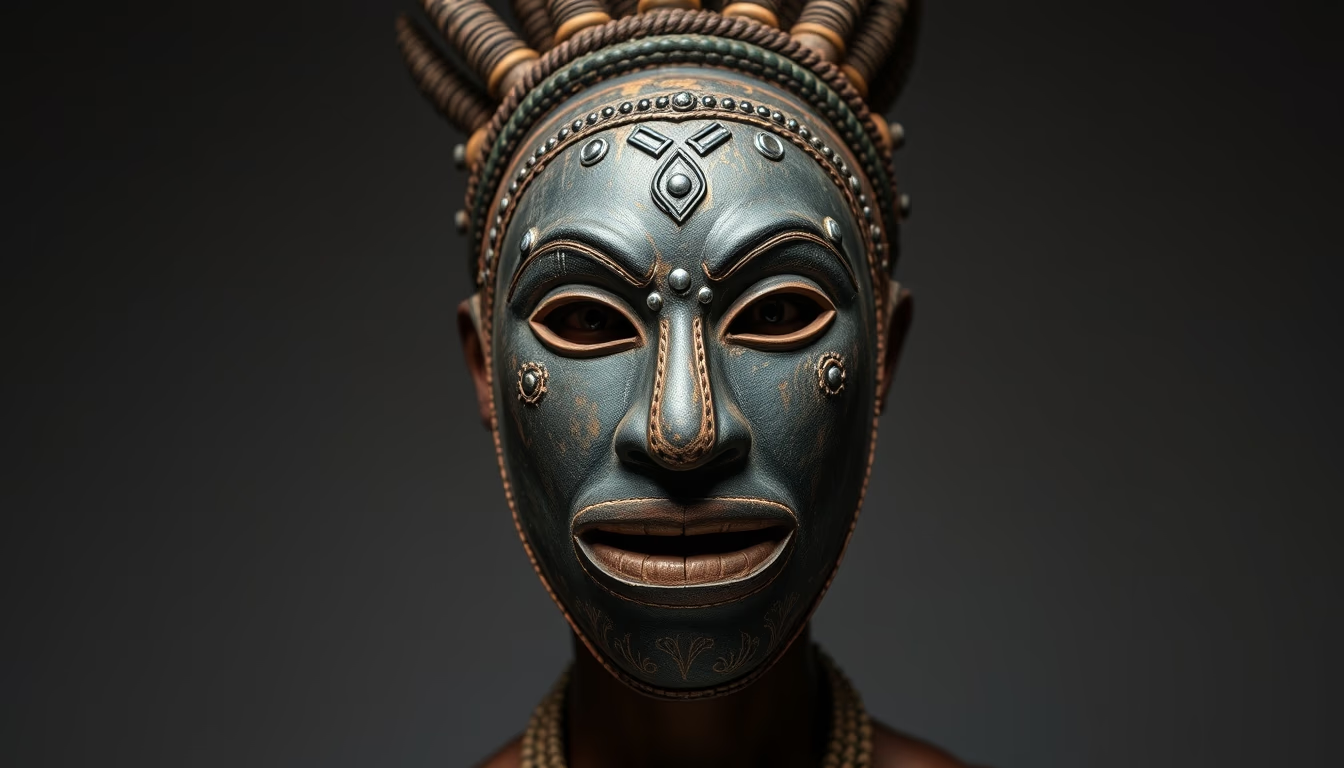
Basketry production is deeply tied to indigenous cosmology. For many groups, the act of weaving replicates the creation of the world, and each design carries symbolic meaning. Materials are gathered sustainably, respecting natural cycles. Knowledge is passed orally from generation to generation, usually by women who master the craft since childhood. Unfortunately, market pressure and loss of territories threaten these traditions.
Beyond cultural value, Amazonian basketry has gained international recognition as sustainable design. Contemporary artists and designers draw inspiration from patterns and techniques to create decoration and fashion pieces. Fair-trade initiatives help value artisans' work, ensuring income and preservation of knowledge. Basketry is an example of how the forest provides renewable resources and how indigenous peoples manage these resources with ancestral wisdom.
Frequently Asked Questions
What are the main fibers used in Amazonian basketry?
The most common fibers come from buriti, tucum, and arumã palms. Each has specific properties: buriti is strong and flexible, tucum is durable, and arumã is light and pliable.
How is basketry knowledge transmitted across generations?
Knowledge is passed orally, usually from mother to daughter. Girls learn from a young age by observing and practicing, and patterns are memorized without written records.
What is the cultural significance of basketry for indigenous peoples?
Beyond practical use, basketry holds cosmological meaning. Each pattern can represent myths, animals, or natural elements. It is also used in rituals and as trade items.
Direct URL
https://pub-c7d6a6ea828543ac903a74a341ccb2e1.r2.dev/imagens/amazonian-basketry-magazine-editorial-fresh1.avifHow to credit
Include a visible link back to UtilizAí. Copy one of the snippets below:
<a href="https://xn--utiliza-eza.com/en/midia/imagens/amazonian-basketry-magazine-editorial-fresh1">Amazonian basketry</a> by <a href="https://xn--utiliza-eza.com">UtilizAí</a>, licensed under <a href="https://creativecommons.org/licenses/by/4.0/">CC BY 4.0</a>.
[Amazonian basketry](https://xn--utiliza-eza.com/en/midia/imagens/amazonian-basketry-magazine-editorial-fresh1) by [UtilizAí](https://xn--utiliza-eza.com), CC BY 4.0
License: CC-BY-4.0