Amazonian basketry
1344×768 · AVIF · CC BY 4.0
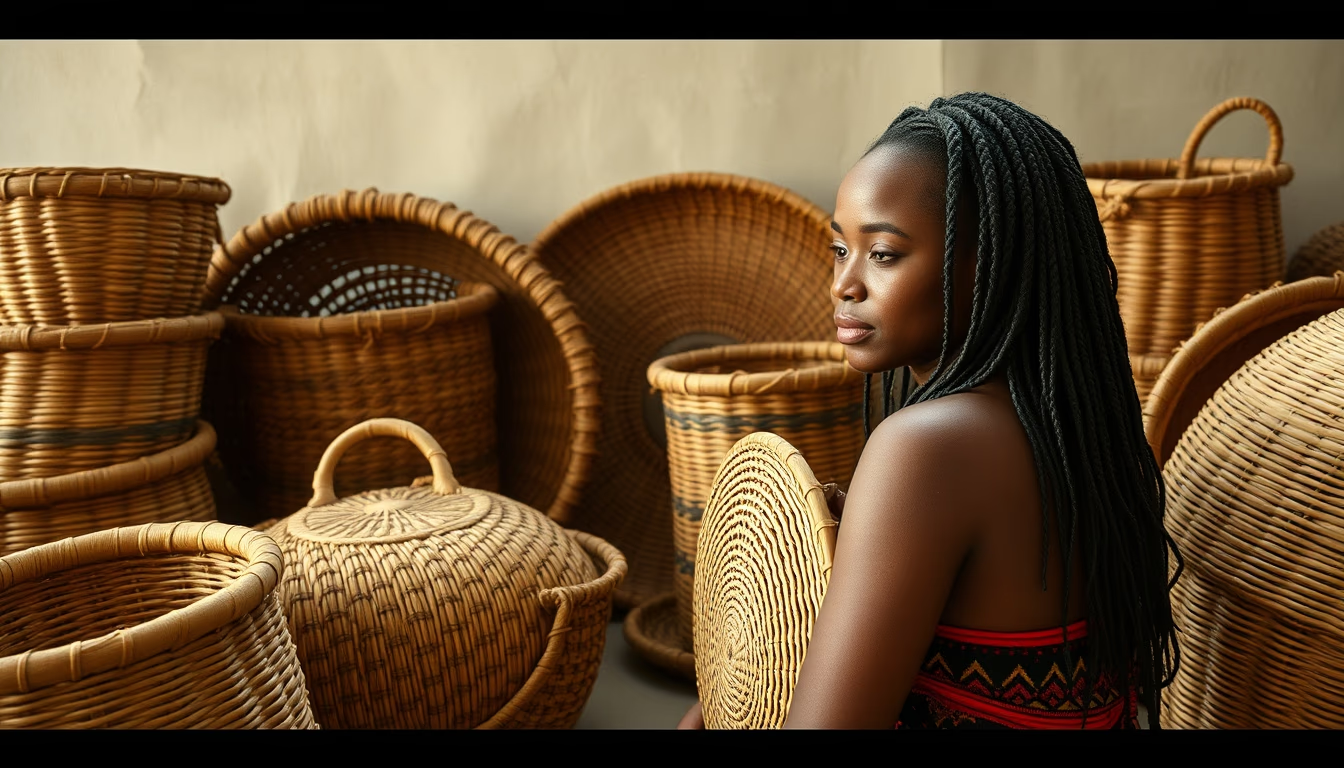
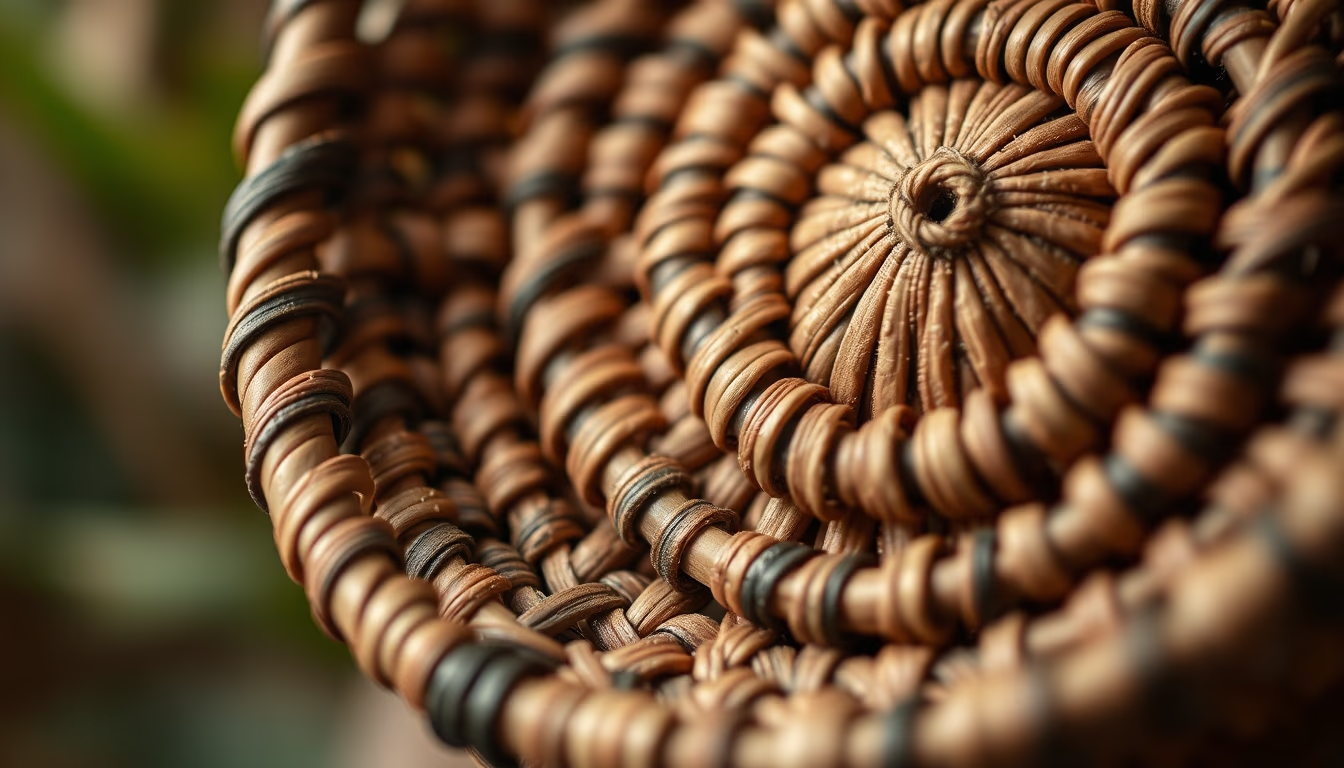
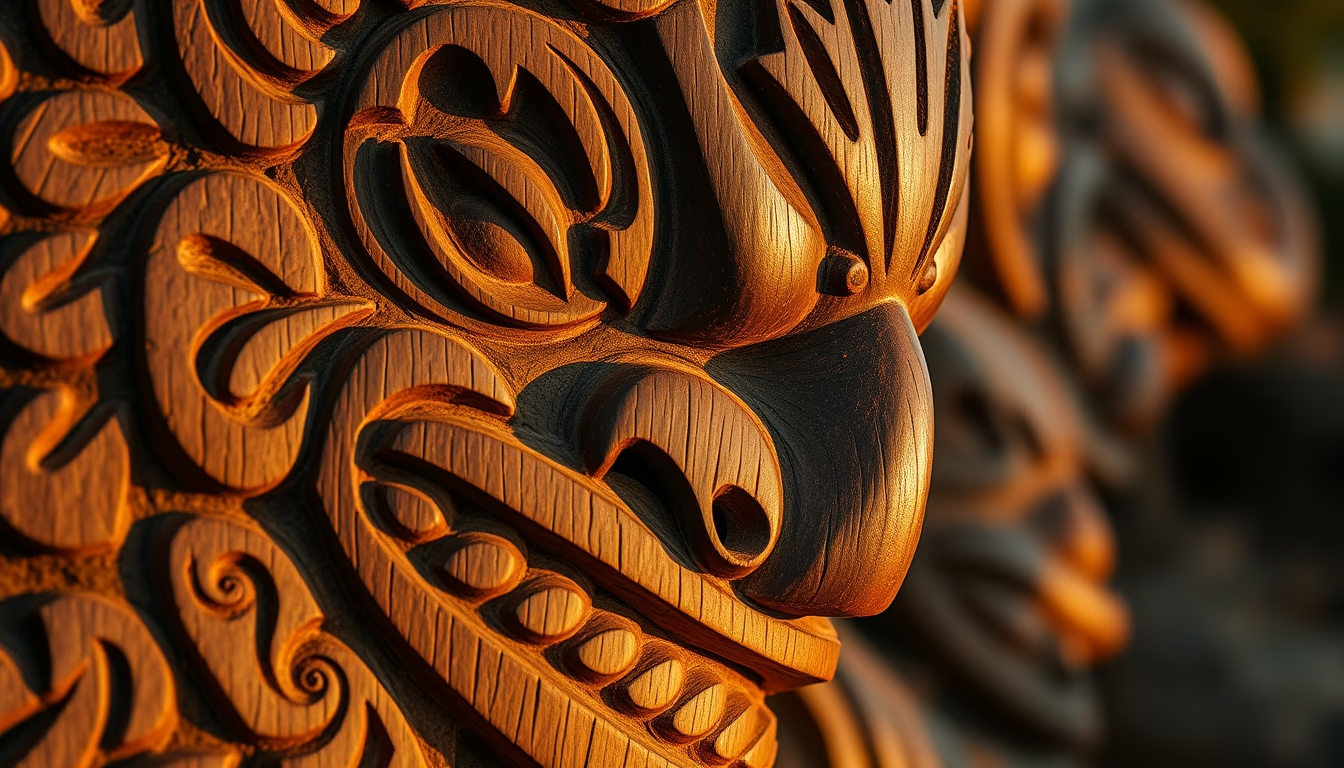
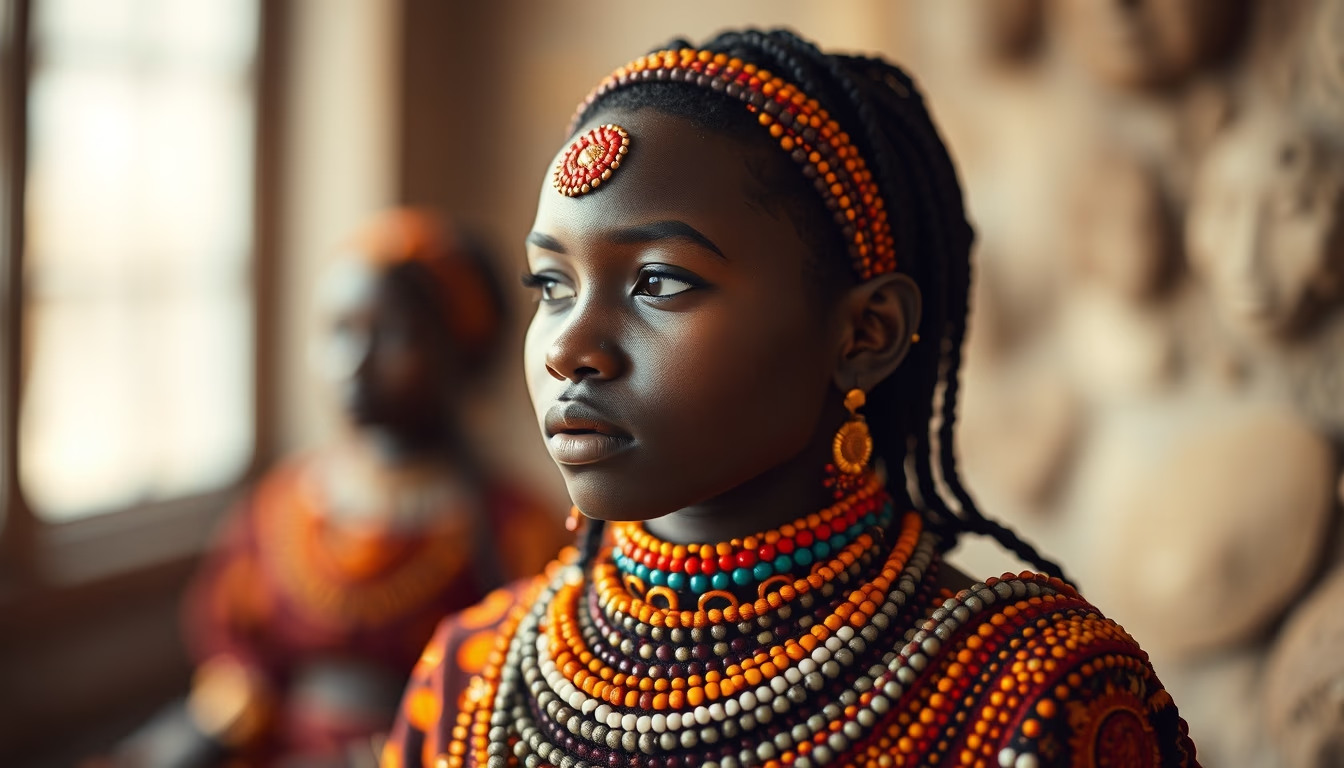
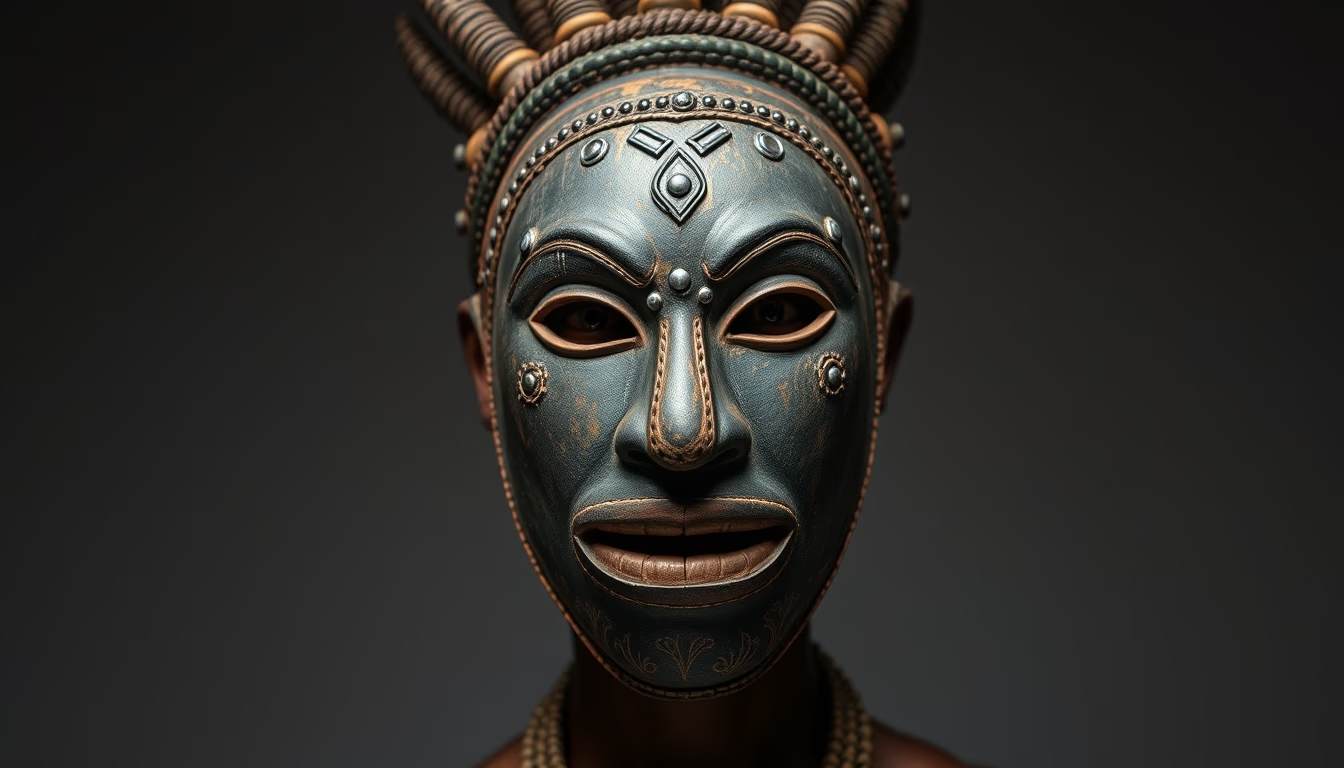
Amazonian basketry is an ancient indigenous art form using plant fibers to create utilitarian and ceremonial objects, reflecting ancestral knowledge.
About this subject
Amazonian basketry is one of the oldest and most complex artisanal expressions among the indigenous peoples of the Amazon. It utilizes fibers extracted from palms such as arumã, tucum, buriti and piaçava, each with specific properties of strength and flexibility. Weaving techniques vary among ethnic groups: the Tukano of the Upper Rio Negro use spiral weaving with geometric designs representing animals and spiritual entities, while the Baniwa produce baskets from arumã dyed with natural pigments from genipap and annatto. The Kayapó of the Xingu weave large palm-leaf baskets for food transportation and rituals.
Beyond daily use for gathering, storage and transport, basketry holds deep cultural significance. Many designs transmit creation myths, genealogies and ecological knowledge. Patterns are passed down orally between generations, with each family holding secrets of dyeing and graphic design. In some tribes, such as the Yanomami, baskets are used in healing ceremonies and marriage exchanges.
Historically, Amazonian basketry was documented by travelers and naturalists since the 16th century. Today it faces challenges like loss of territories and cultural devaluation, but revitalization efforts are underway. Indigenous organizations and NGOs promote workshops and fairs to value crafts as sustainable income. Basketry also inspires contemporary designers who seek traditional materials and techniques to create modern pieces.
Curiosities: Arumã is cultivated in managed areas by communities, ensuring raw material without deforestation. A single basket can take weeks to complete, depending on design complexity. The "two-needle weaving" technique is exclusive to some ethnic groups in northwestern Amazonia.
Frequently Asked Questions
Which fibers are most commonly used in Amazonian basketry?
The main fibers are from arumã, tucum, buriti and piaçava palms. Arumã is highly valued for its flexibility and strength, and is cultivated in agroforestry systems by indigenous communities.
How are geometric patterns created in the baskets?
Patterns are achieved by combining natural fibers dyed with plant-based pigments such as genipap (black) and annatto (red). Each ethnic group has specific designs that represent elements of nature, myths or social hierarchies.
What is the cultural importance of basketry for indigenous peoples?
Beyond utilitarian use, basketry carries spiritual and social meanings. The designs transmit ancestral knowledge, cosmologies and stories. In rituals, baskets may serve as offerings or ceremonial instruments.
Direct URL
https://pub-c7d6a6ea828543ac903a74a341ccb2e1.r2.dev/imagens/amazonian-basketry-lo-fi-disposable-camera-fresh7.avifHow to credit
Include a visible link back to UtilizAí. Copy one of the snippets below:
<a href="https://xn--utiliza-eza.com/en/midia/imagens/amazonian-basketry-lo-fi-disposable-camera-fresh7">Amazonian basketry</a> by <a href="https://xn--utiliza-eza.com">UtilizAí</a>, licensed under <a href="https://creativecommons.org/licenses/by/4.0/">CC BY 4.0</a>.
[Amazonian basketry](https://xn--utiliza-eza.com/en/midia/imagens/amazonian-basketry-lo-fi-disposable-camera-fresh7) by [UtilizAí](https://xn--utiliza-eza.com), CC BY 4.0
License: CC-BY-4.0