Amazonian basketry
1344×768 · AVIF · CC BY 4.0
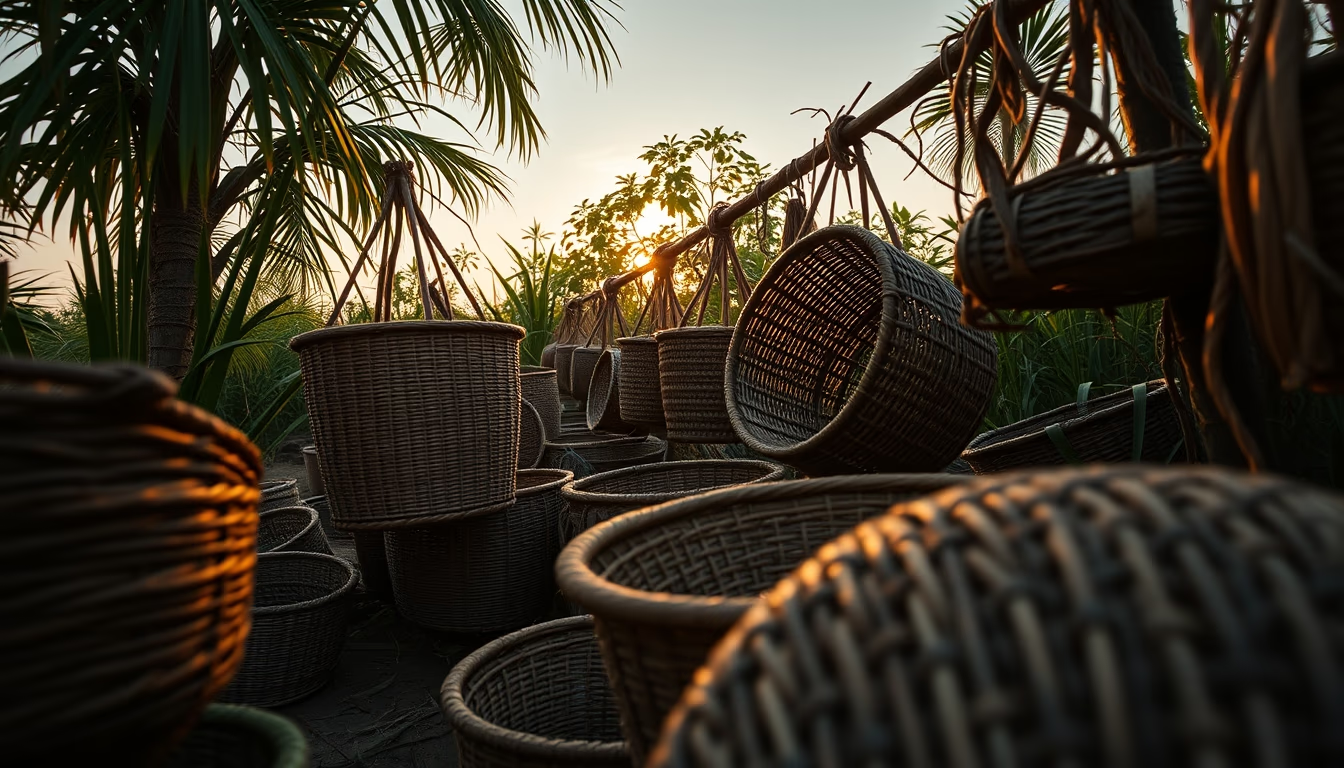
Amazonian basketry is an ancient indigenous craft using natural forest fibers to create utilitarian and ritualistic pieces.
About this subject
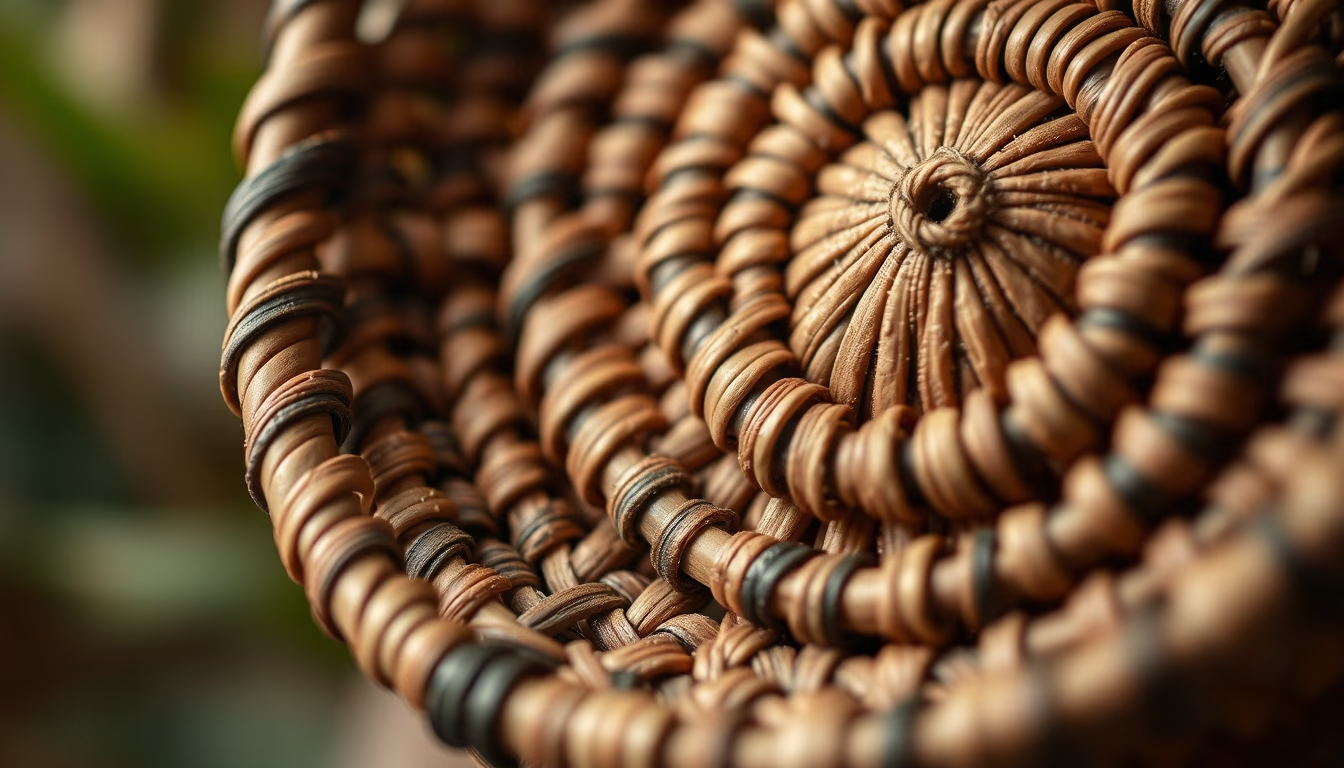
Amazonian basketry is one of the oldest and most sophisticated artistic expressions of the indigenous peoples of the region. Using fibers such as arumã, cipó-titica, and buriti palm straw, artisans weave geometric patterns that carry cosmological and historical meanings. Each ethnic group developed specific techniques: the Baniwa, for example, are known for arumã basketry with zoomorphic designs, while the Tukano use spiral weaving to create sturdy baskets. These pieces are not merely decorative; they serve to store food, carry objects, and in shamanic ceremonies, where patterns represent spiritual paths.
Raw materials are harvested sustainably from the forest, following lunar calendars that ensure fiber quality. The preparation process includes drying, dyeing with natural pigments (like annatto and genipap), and manual twisting. Baskets can take weeks or months to complete depending on complexity. The weaving technique is passed down orally through generations, often accompanied by creation myths. Today, Amazonian basketry has gained international recognition, exhibited in museums such as the Museu do Homem Americano (Brazil) and the Musée du Quai Branly (France).
Despite modernization, the tradition remains alive in communities like those of the Rio Negro and Alto Xingu regions. Cultural valorization projects, such as the Arumã Artisans Association (AM), promote fair trade and preservation of ancestral knowledge. Each basket carries not only functionality but the identity of a people and their symbiotic relationship with the Amazon.
Frequently Asked Questions
What materials are used in Amazonian basketry?
The main materials are plant fibers such as arumã, cipó-titica, buriti palm straw, and tucum fiber. These are harvested from the forest and processed using traditional techniques, including dyeing with annatto, genipap, and other plants.
What is the cultural importance of basketry for indigenous peoples?
Basketry goes beyond utility; geometric patterns convey cosmological knowledge, stories, and ethnic identity. In ceremonies, baskets may be used as offerings or ritual instruments, connecting the material world to the spiritual.
How is Amazonian basketry preserved today?
Indigenous associations and ethnodevelopment projects, such as the Arumã Artisans Association, encourage oral transmission and fair trade. Craft fairs and exhibitions in international museums also help to value and keep the tradition alive.
Direct URL
https://pub-c7d6a6ea828543ac903a74a341ccb2e1.r2.dev/imagens/amazonian-basketry-cinematic-wide-shot-fresh15.avifHow to credit
Include a visible link back to UtilizAí. Copy one of the snippets below:
<a href="https://xn--utiliza-eza.com/en/midia/imagens/amazonian-basketry-cinematic-wide-shot-fresh15">Amazonian basketry</a> by <a href="https://xn--utiliza-eza.com">UtilizAí</a>, licensed under <a href="https://creativecommons.org/licenses/by/4.0/">CC BY 4.0</a>.
[Amazonian basketry](https://xn--utiliza-eza.com/en/midia/imagens/amazonian-basketry-cinematic-wide-shot-fresh15) by [UtilizAí](https://xn--utiliza-eza.com), CC BY 4.0
License: CC-BY-4.0