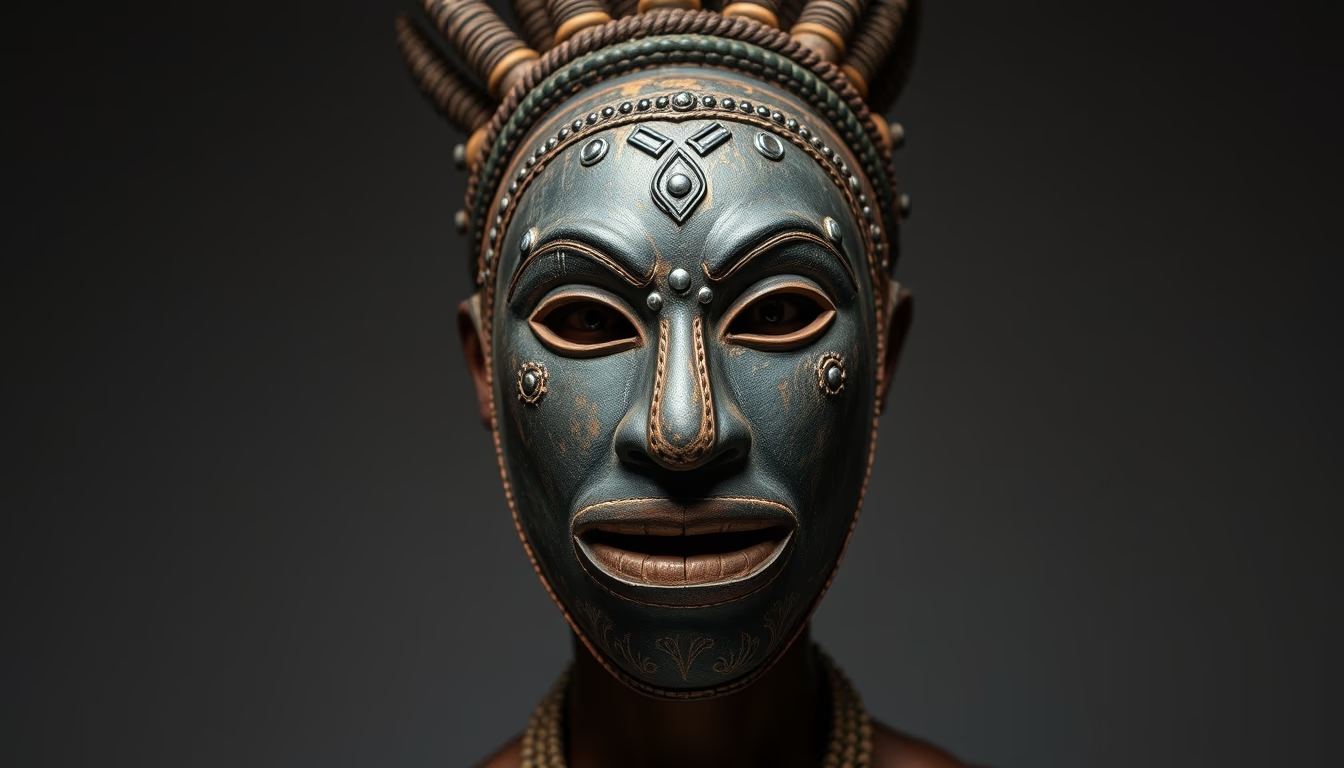
African tribal mask
1344×768 · AVIF · CC BY 4.0
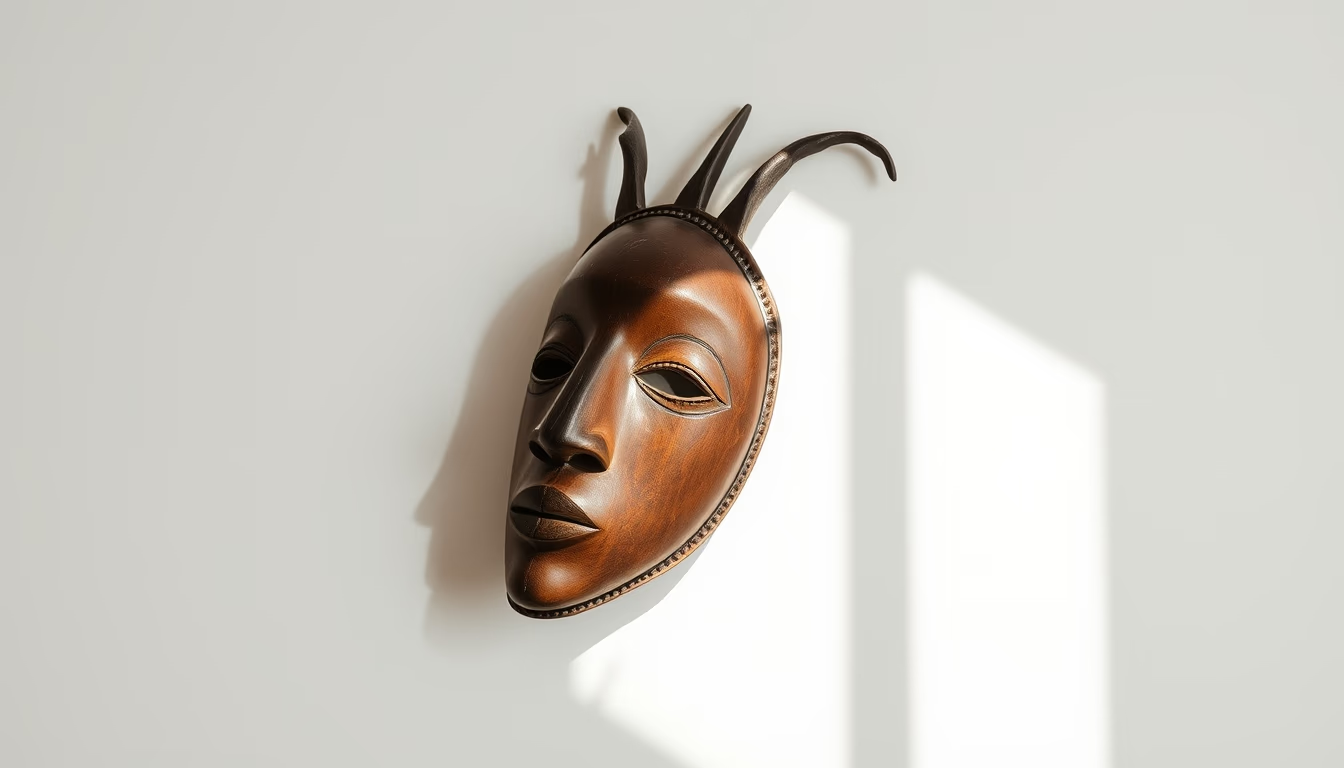
African tribal masks are ceremonial artifacts representing spirits, ancestors, and natural forces, essential in rituals and traditions across the continent.
About this subject
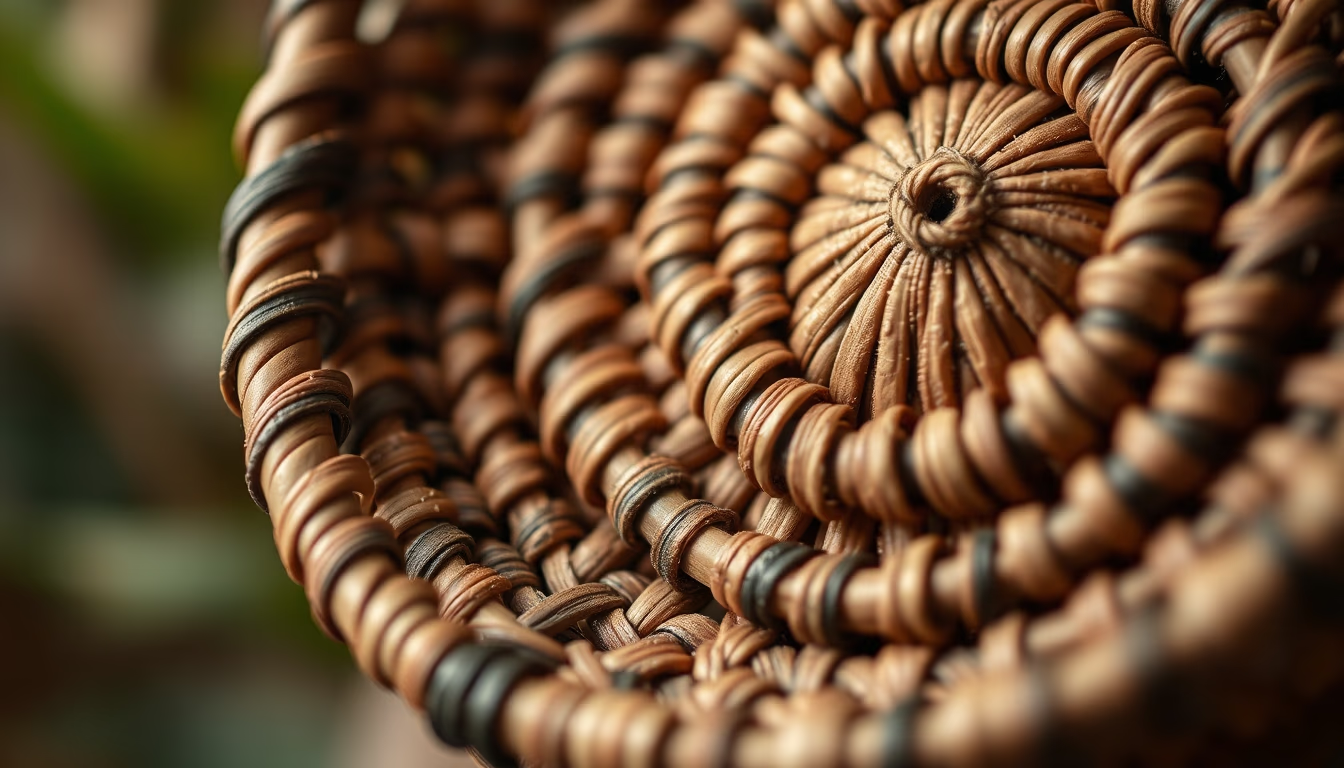
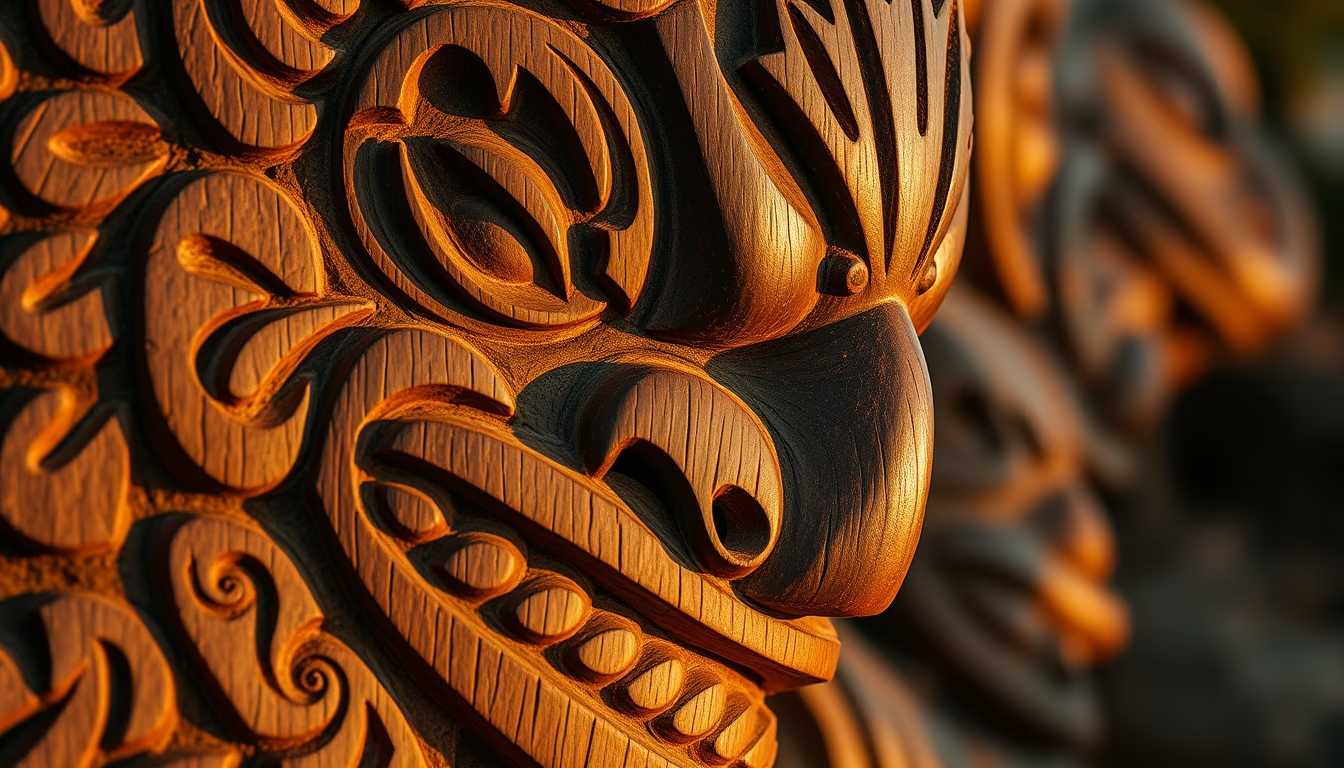
African tribal masks have a rich history dating back thousands of years, used across diverse cultures on the continent. Carved from wood, ivory, metal, or fabric, each mask carries specific meanings tied to rites of passage, funerals, harvests, and religious ceremonies. For instance, the Dogon masks of Mali represent ancestral knowledge and are used in dances to honor the deceased. The Bwa masks of Burkina Faso symbolize nature spirits and are painted with geometric patterns that tell stories.
The creation of a mask involves a specialized carver who often undergoes spiritual training. Forms can be stylized, with elongated features, slit eyes, or open mouths, intended to impress and connect the wearer to the supernatural world. In many cultures, the mask is more than an object: it is a vehicle for transforming the wearer into a divine or ancestral entity.
Today, these masks are globally appreciated as artistic expressions and have influenced movements like Cubism, with artists like Picasso drawing inspiration from them. However, it is crucial to respect their original context and avoid disrespectful appropriation. Many pieces were taken from Africa during the colonial period and now reside in Western museums, sparking debates about repatriation.
The diversity is immense: while Guro masks from Ivory Coast are known for their elegance and acrobatic dances, Punu masks from Gabon feature white faces and almond-shaped eyes, representing ideals of feminine beauty. Each mask tells a unique story, reflecting the worldview of its people.
Frequently Asked Questions
What is the meaning of African tribal masks?
They represent spirits, ancestors, or natural forces and are used in rituals to connect the human world to the supernatural.
What materials are African masks made from?
Mostly wood, but also ivory, metal, fabric, plant fibers, and shells, depending on the culture and purpose.
How have African masks influenced modern art?
Artists like Pablo Picasso and Georges Braque drew inspiration from the stylized and expressive forms of African masks, contributing to the development of Cubism.
Direct URL
https://pub-c7d6a6ea828543ac903a74a341ccb2e1.r2.dev/imagens/african-tribal-mask-minimalist-composition-fresh1.avifHow to credit
Include a visible link back to UtilizAí. Copy one of the snippets below:
<a href="https://xn--utiliza-eza.com/en/midia/imagens/african-tribal-mask-minimalist-composition-fresh1">African tribal mask</a> by <a href="https://xn--utiliza-eza.com">UtilizAí</a>, licensed under <a href="https://creativecommons.org/licenses/by/4.0/">CC BY 4.0</a>.
[African tribal mask](https://xn--utiliza-eza.com/en/midia/imagens/african-tribal-mask-minimalist-composition-fresh1) by [UtilizAí](https://xn--utiliza-eza.com), CC BY 4.0
License: CC-BY-4.0