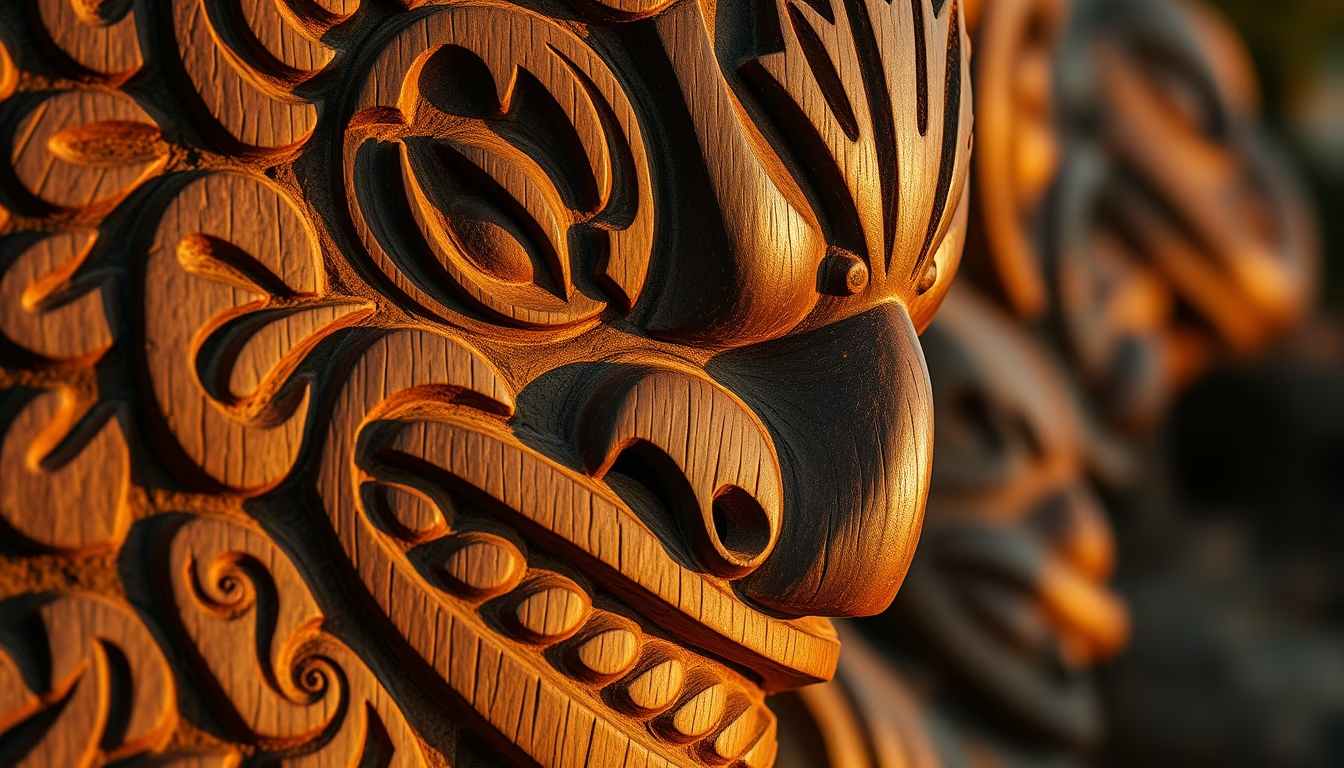
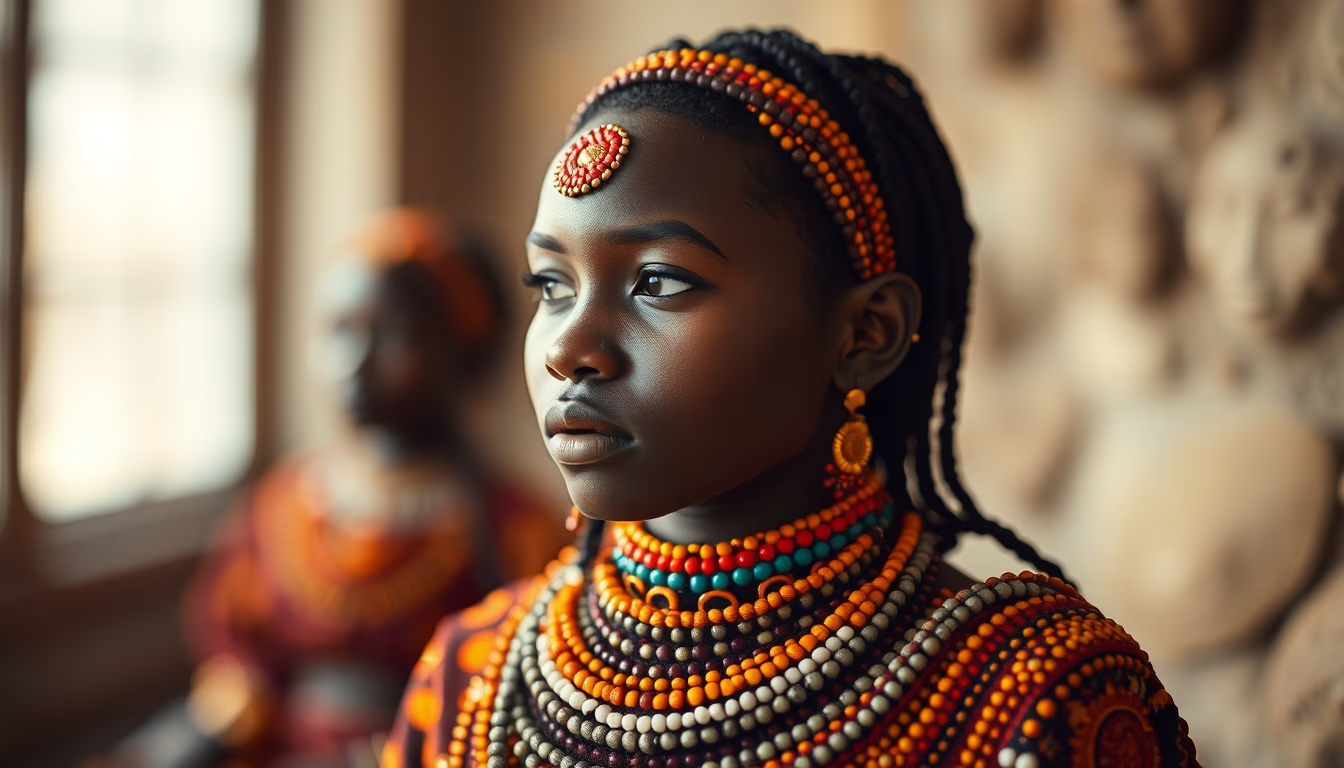
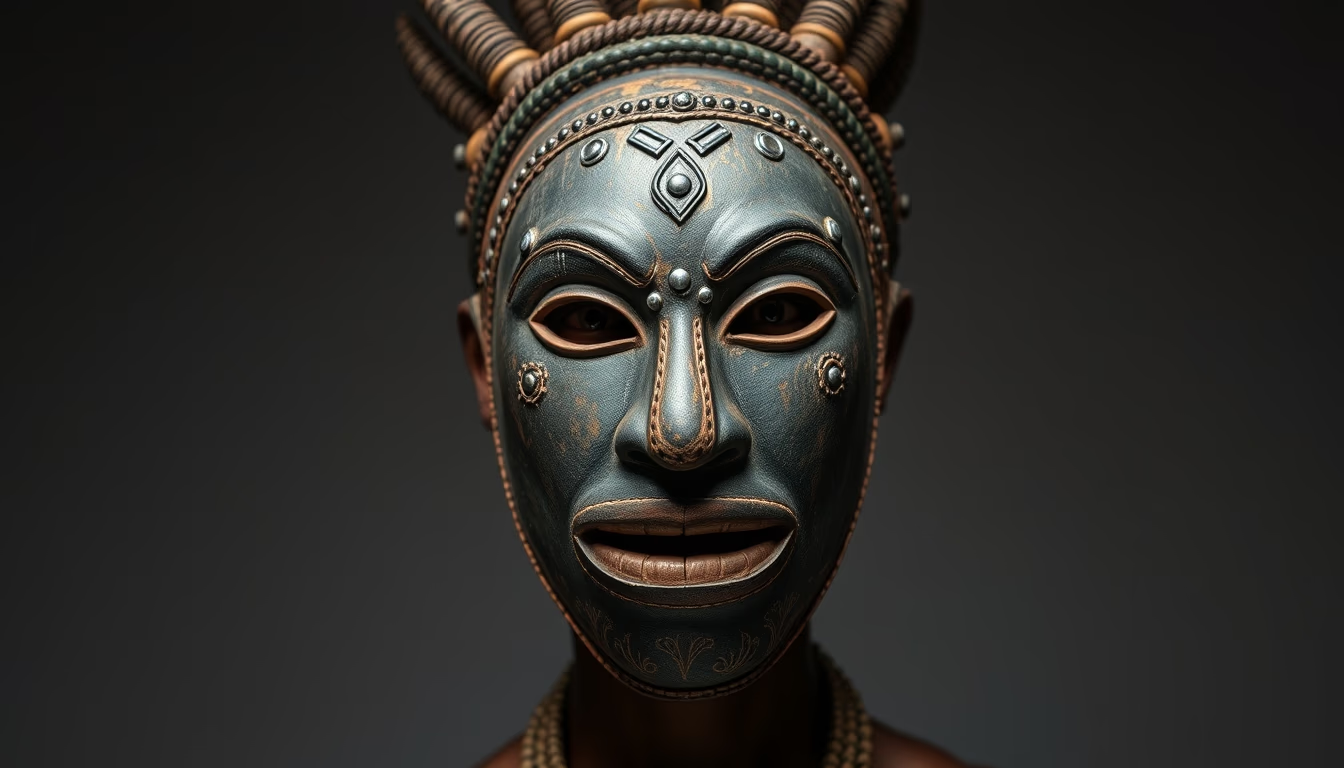
African tribal mask
1344×768 · AVIF · CC BY 4.0
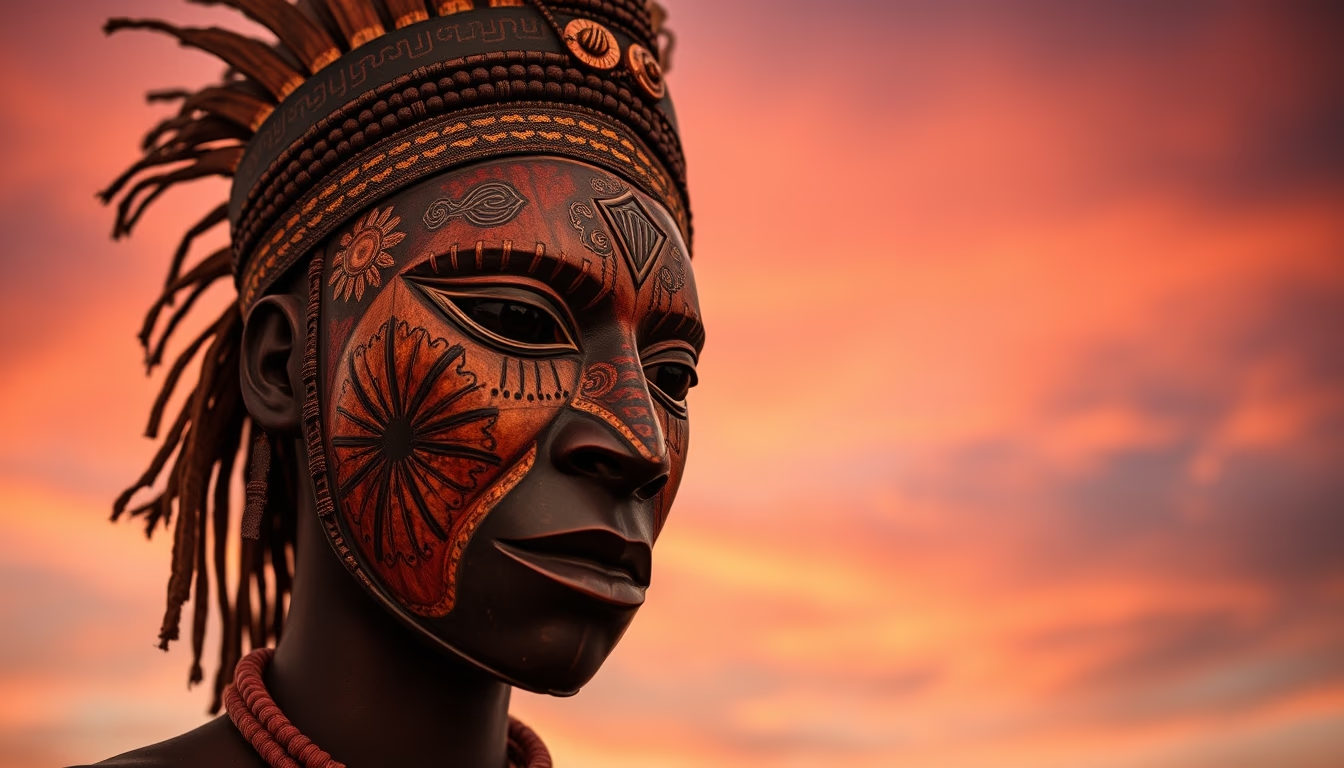
African tribal masks are ceremonial artifacts with deep spiritual significance, used in rites of passage, hunting, and ancestor worship across diverse ethnic groups in Africa.
About this subject
African tribal masks are among the continent's most iconic artistic expressions, transcending mere decoration to assume central roles in religious and social ceremonies. Carved primarily from wood, but also from ivory, metal, or fabric, each mask reflects the beliefs and worldview of the people who created it. For example, among the Dogon of Mali, kanaga masks represent the universe's creator and are used in funerals to guide souls. The Bwa of Burkina Faso produce leaf and fiber masks during initiation ceremonies, connecting youth to nature spirits.
The diversity of styles is immense. The gèlèdé masks of the Yoruba in Nigeria and Benin honor elder mothers and fertility, while the pwamu masks of the Kota in Gabon guard ancestral relics. Many masks feature symbolic colors: red for blood and life, white for purity, and black for the spiritual world. Almond-shaped or slit eyes, common in masks from various groups, allow limited vision for the dancer, emphasizing trance and connection to the supernatural.
Historically, mask use was documented by European travelers and ethnographers from the 15th century onward, but their origins date back thousands of years. Similar artifacts appear in Saharan rock art over 10,000 years old. During the colonial period, many masks were looted and now reside in Western museums, sparking debates on repatriation. Nonetheless, contemporary production remains vibrant, with artists like those in Senegal using traditional techniques to create works that engage with the present.
It is essential to understand that each mask has a specific purpose, whether for entertainment, social control, or communication with deities. The mask wearer, often an initiate, embodies the represented spirit, dancing to drums and chants. This performative aspect makes the mask a vehicle for temporary identity transformation, a central element in preserving African cultural memory.
Frequently Asked Questions
What is the main function of African tribal masks?
They serve as intermediaries between the human and spiritual worlds, used in initiation rites, funerals, harvests, and healing ceremonies, and represent ancestors or deities.
What materials are commonly used to make these masks?
Wood is the most frequent material, but ivory, bone, metal, fabric, plant fibers, feathers, and shells are also used, depending on the ethnic group and ceremonial purpose.
How can one identify the style of an African mask?
Look at the eye shape (almond, cylindrical), treatment of nose and mouth, scarification patterns, and dominant colors. Each ethnic group has distinct traits, such as the geometric masks of the Fang or the elongated ones of the Dan.
Direct URL
https://pub-c7d6a6ea828543ac903a74a341ccb2e1.r2.dev/imagens/african-tribal-mask-long-exposure-fresh11.avifHow to credit
Include a visible link back to UtilizAí. Copy one of the snippets below:
<a href="https://xn--utiliza-eza.com/en/midia/imagens/african-tribal-mask-long-exposure-fresh11">African tribal mask</a> by <a href="https://xn--utiliza-eza.com">UtilizAí</a>, licensed under <a href="https://creativecommons.org/licenses/by/4.0/">CC BY 4.0</a>.
[African tribal mask](https://xn--utiliza-eza.com/en/midia/imagens/african-tribal-mask-long-exposure-fresh11) by [UtilizAí](https://xn--utiliza-eza.com), CC BY 4.0
License: CC-BY-4.0