African tribal mask
1344×768 · AVIF · CC BY 4.0
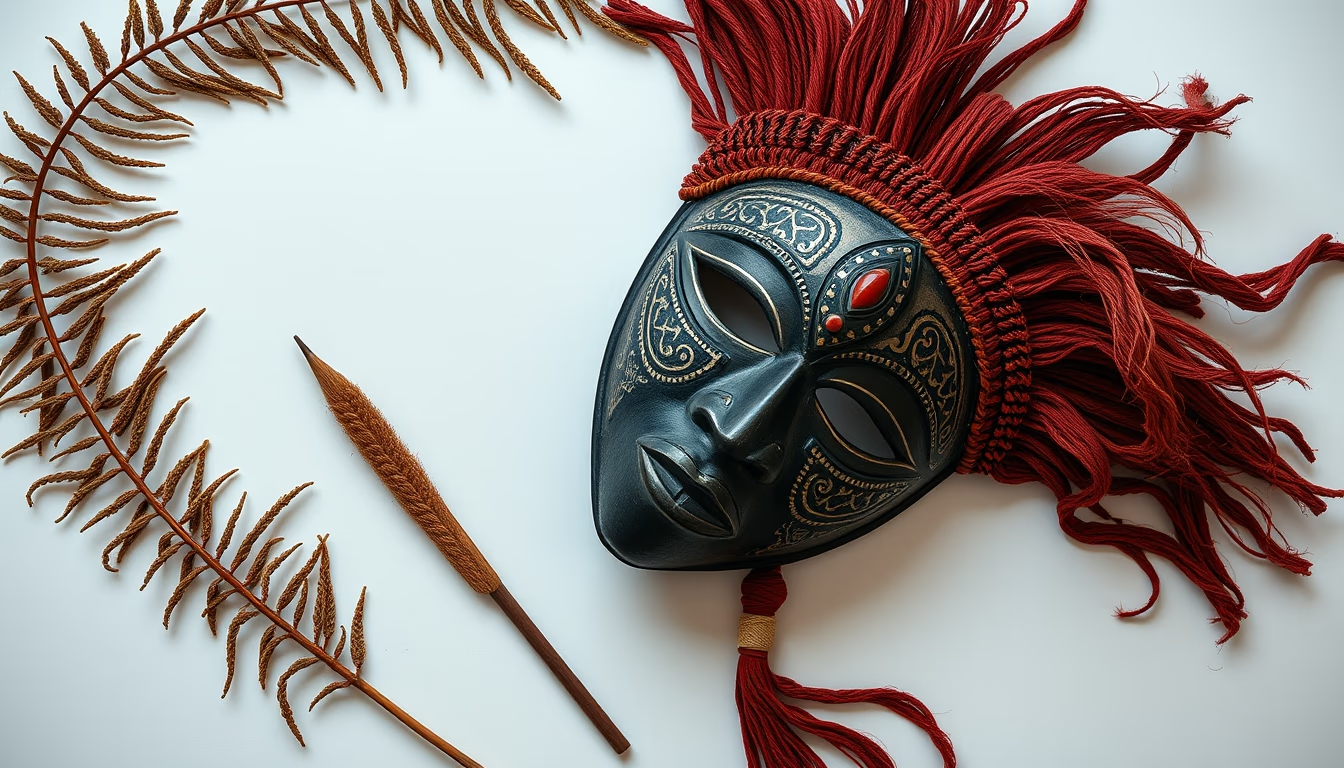
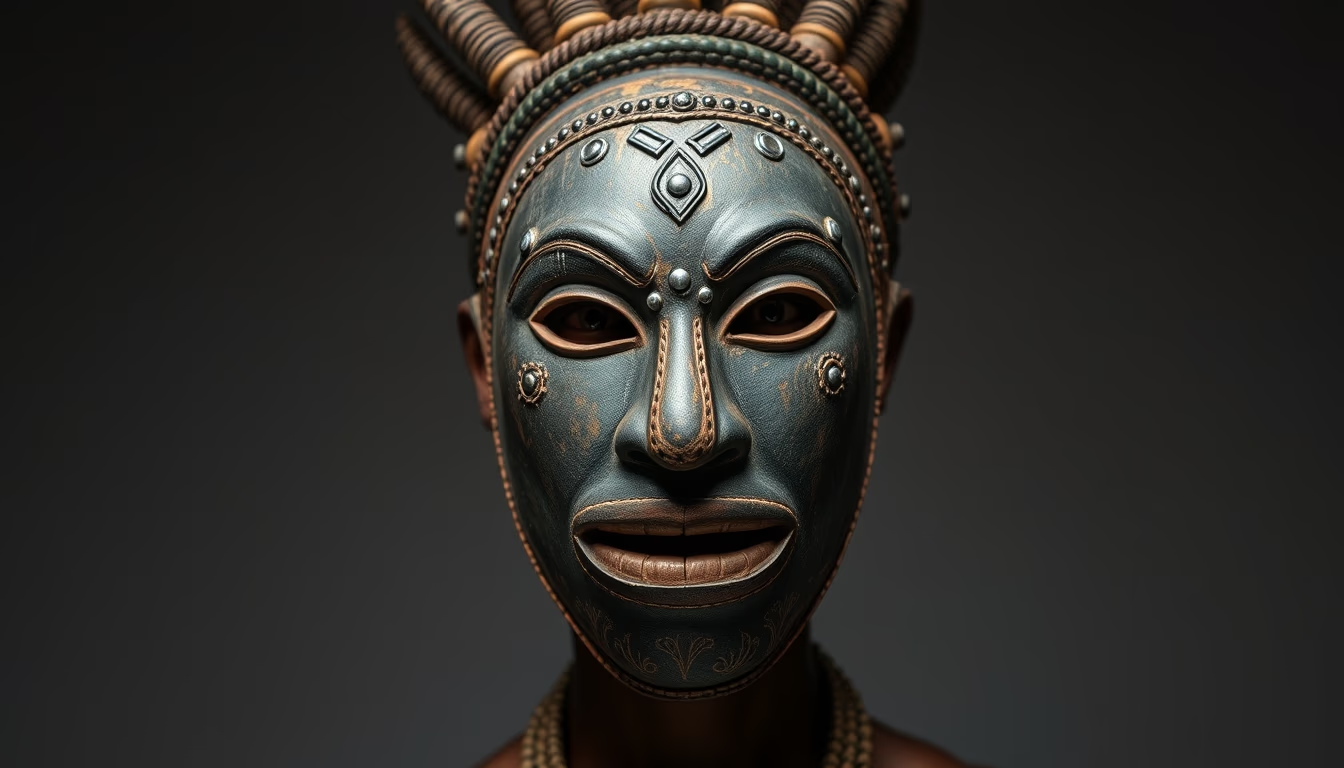
African tribal masks are ritual artifacts representing spirits, ancestors, and natural forces, essential in ceremonies and traditions across the continent.
About this subject
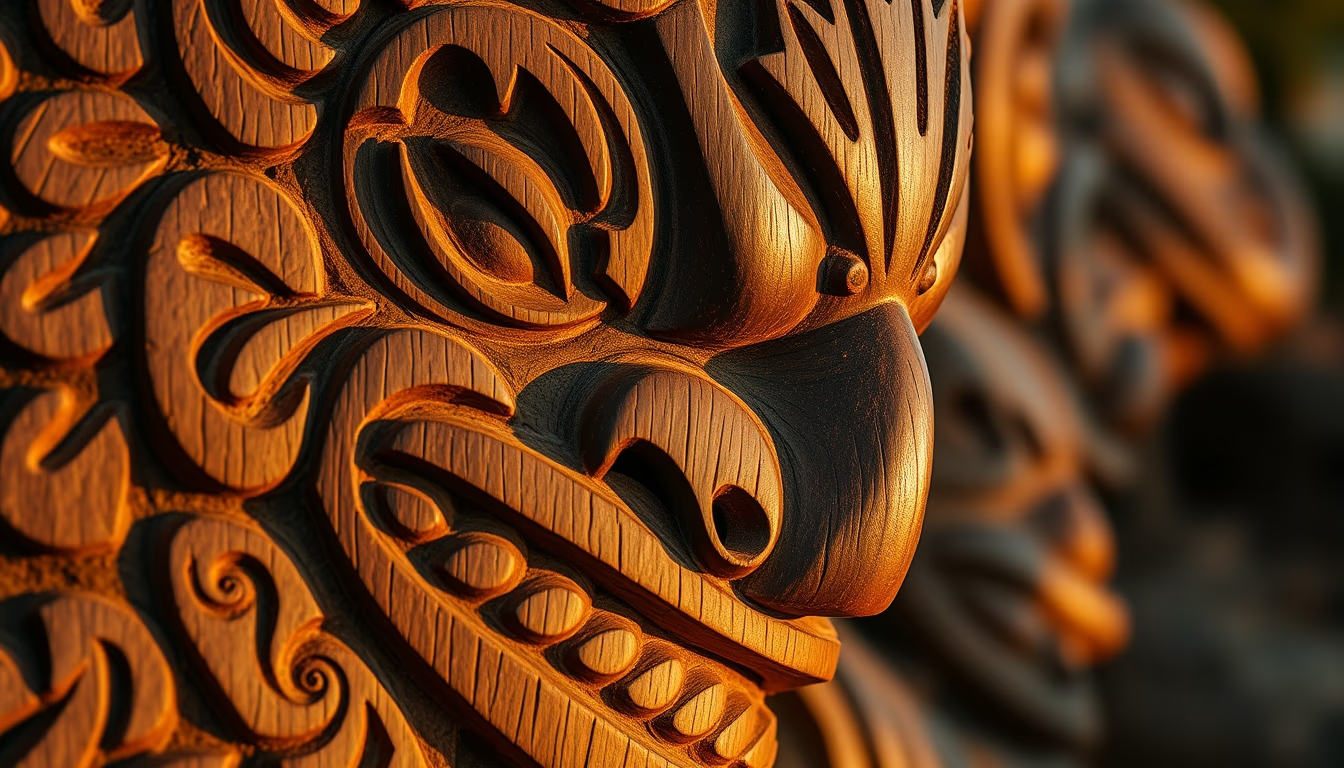
African tribal masks play a central role in the cultures of sub-Saharan Africa, especially in West Africa, Central Africa, and parts of Southeast Africa. They are used in initiation rites, funerals, harvest celebrations, and healing ceremonies. Each mask is carved to embody a specific spirit, ancestor, or natural entity, and its use is often restricted to initiated members of secret societies or age groups. Wood is the most common material, but ivory, metal, fabric, and plant fibers are also employed, with pigments derived from minerals and plants.
Ethnic diversity across the continent produces distinct styles: the Fang of Gabon create masks with elongated faces and a pale heart (white egret), while the Dan of Ivory Coast craft masks with slit eyes and serene expressions. The Yoruba of Nigeria are famous for their Gelede masks, honoring the mother ancestors (Iyá Nlá) with vibrant colors. The Chokwe of Angola and Congo use masks representing mythical heroes, like Mwana Pwo, a fertility symbol. Each style carries symbolic functions: fear, authority, beauty, or protection.
Despite their local importance, African masks gained global recognition from the 19th century, influencing artists like Pablo Picasso and Amedeo Modigliani. European collectors and museums acquired them in large numbers, often lacking ritual context. Today, the art market and repatriation of pieces are debated, with African nations seeking to bring back artifacts removed during colonial times. Contemporary production maintains traditional techniques but also incorporates recycled materials and modern themes, adapting cultural heritage to new generations.
Frequently Asked Questions
What is the significance of African tribal masks?
African tribal masks represent spirits, ancestors, or natural forces, used in rituals to mediate between the human and supernatural realms. They symbolize fertility, protection, authority, or justice, depending on the culture and ceremonial context.
What materials are African masks made from?
Most are carved from wood, but ivory, bone, horn, metal, fabric, and plant fibers are also used. Natural pigments like clay, charcoal, and plant sap provide colors, each with symbolic meaning.
How did African masks influence modern art?
Artists like Pablo Picasso, Henri Matisse, and Modigliani were deeply influenced by the stylized, expressive forms of African masks, helping to drive Cubism and Expressionism in the early 20th century.
Direct URL
https://pub-c7d6a6ea828543ac903a74a341ccb2e1.r2.dev/imagens/african-tribal-mask-isometric-flat-lay-fresh12.avifHow to credit
Include a visible link back to UtilizAí. Copy one of the snippets below:
<a href="https://xn--utiliza-eza.com/en/midia/imagens/african-tribal-mask-isometric-flat-lay-fresh12">African tribal mask</a> by <a href="https://xn--utiliza-eza.com">UtilizAí</a>, licensed under <a href="https://creativecommons.org/licenses/by/4.0/">CC BY 4.0</a>.
[African tribal mask](https://xn--utiliza-eza.com/en/midia/imagens/african-tribal-mask-isometric-flat-lay-fresh12) by [UtilizAí](https://xn--utiliza-eza.com), CC BY 4.0
License: CC-BY-4.0