Aboriginal dot painting
1344×768 · AVIF · CC BY 4.0
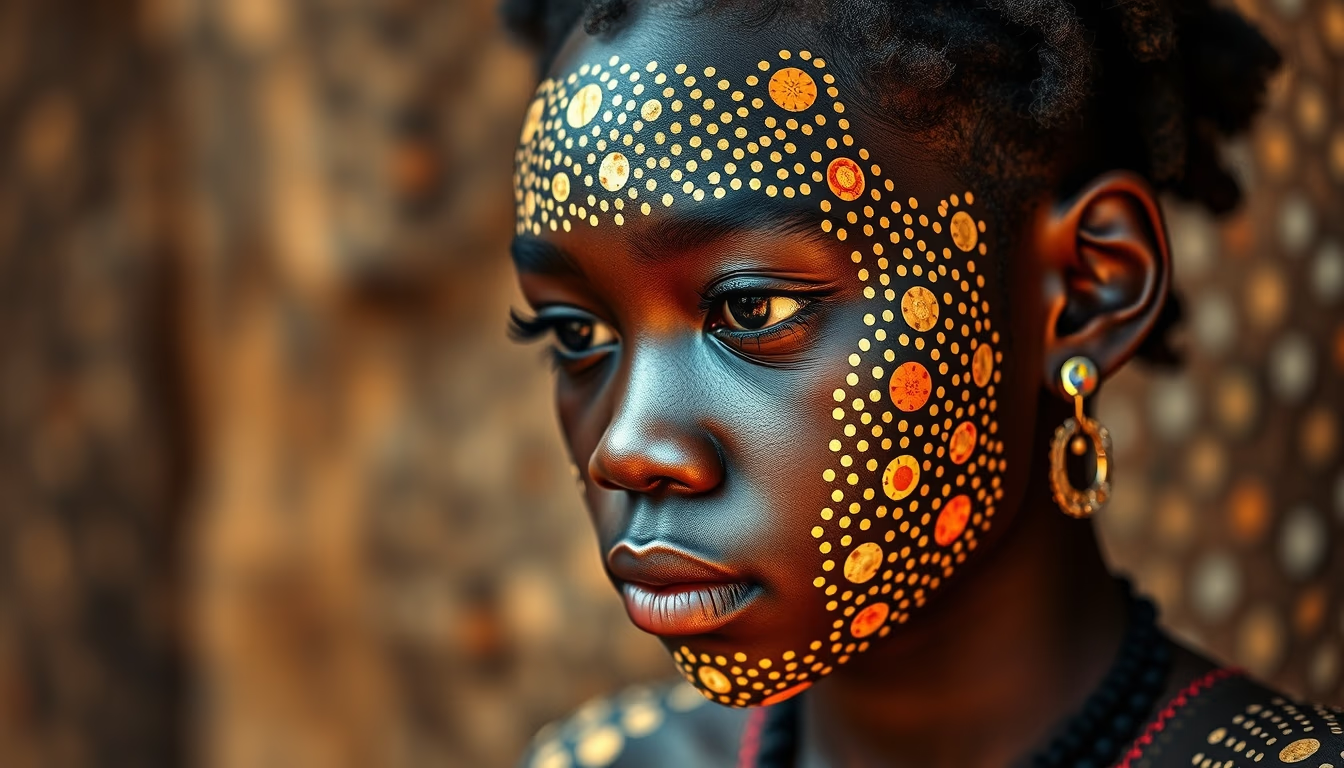
Australian Aboriginal dot painting is an ancient art form that expresses Dreamtime stories, connecting culture, land, and spirituality through symbolic patterns.
About this subject
Aboriginal dot painting, also known as dot painting, is a traditional artistic technique of the Indigenous peoples of Australia. It emerged in the 1970s in the Papunya community in the Northern Territory, when artists began transferring sacred symbols from the ground to canvas using dots of acrylic paint. These dots represent elements of nature such as water, fire, stars, and animals, as well as narratives from the Dreamtime, the Aboriginal cosmology explaining the creation of the world.
The technique is not merely decorative; each pattern carries deep meanings often restricted to specific clans. The dots create effects of vibration and movement, simulating the texture of sand and rocks. Earthy colors like ochre, red, and yellow are common, but contemporary artists also use vibrant hues. Dot painting is one of the most recognized forms of Aboriginal art and has helped bring these cultures to a global audience.
It is important to note that reproducing sacred symbols without permission is considered disrespectful. Therefore, many artists create works specifically for the uninitiated public, keeping ceremonial secrets. Works by painters such as Emily Kame Kngwarreye and Clifford Possum Tjapaltjarri are celebrated internationally, fetching high prices at auctions. Dot painting is a vital link between ancestral past and contemporary Aboriginal identity.
Frequently Asked Questions
What is the origin of Aboriginal dot painting?
Modern dot painting originated in the 1970s in Papunya, Australia, when Aboriginal artists began using acrylic paint and dots to represent traditional Dreamtime symbols on canvas.
What do the dot patterns in Aboriginal art mean?
The patterns represent sacred stories, natural elements, and ancestral sites. Each dot and color carries symbolic meaning, often restricted to specific groups.
Can non-Aboriginal people reproduce dot painting?
Creating paintings that imitate sacred symbols without permission is disrespectful. Many Aboriginal artists produce works for sale that do not reveal secret knowledge, but cultural appropriation is a sensitive issue.
Direct URL
https://pub-c7d6a6ea828543ac903a74a341ccb2e1.r2.dev/imagens/aboriginal-dot-painting-lo-fi-disposable-camera-fresh13.avifHow to credit
Include a visible link back to UtilizAí. Copy one of the snippets below:
<a href="https://xn--utiliza-eza.com/en/midia/imagens/aboriginal-dot-painting-lo-fi-disposable-camera-fresh13">Aboriginal dot painting</a> by <a href="https://xn--utiliza-eza.com">UtilizAí</a>, licensed under <a href="https://creativecommons.org/licenses/by/4.0/">CC BY 4.0</a>.
[Aboriginal dot painting](https://xn--utiliza-eza.com/en/midia/imagens/aboriginal-dot-painting-lo-fi-disposable-camera-fresh13) by [UtilizAí](https://xn--utiliza-eza.com), CC BY 4.0
License: CC-BY-4.0