Aboriginal dot painting
1344×768 · AVIF · CC BY 4.0
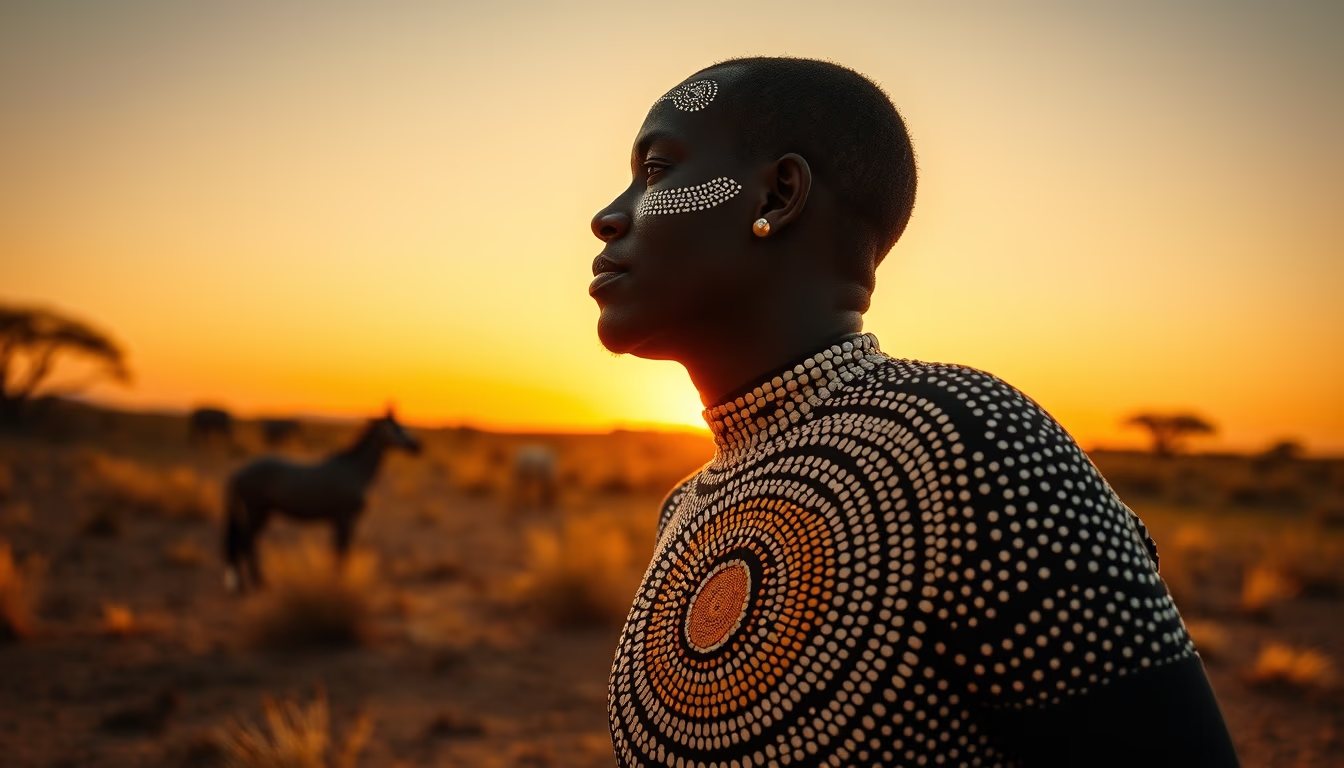
Aboriginal dot painting is a traditional Australian art form that uses dot patterns to narrate Dreamtime stories and the connection to the land.
About this subject
Aboriginal dot painting, also known as dot painting, originated among the Indigenous peoples of Central Australia, particularly the Anangu, starting in the 1970s. Initially, this technique developed as a way to conceal sacred symbols when artists began using acrylic paints on canvas, replacing traditional sand drawings. The dots are meticulously applied with fine brushes or sticks, creating geometric patterns that represent landscape features such as rivers, mountains, and animal paths.
Each artwork carries deep meaning linked to the Dreamtime (Tjukurrpa), the mythological creation period that explains the origin of the world and ancestral laws. Artists use earth-derived colors like ochre, red, and yellow, along with white and black obtained from minerals and charcoal. The art is not merely decorative; it serves to transmit cultural knowledge, hunting stories, rituals, and ancestral maps across generations.
The cultural significance is such that within communities, only authorized individuals may reproduce certain patterns due to their sacred nature. With international recognition, painters like Emily Kame Kngwarreye and Clifford Possum Tjapaltjarri became leading figures, bringing Aboriginal art to museums and galleries worldwide. In 1988, Clifford Possum's work "Possum Dreaming" sold for over A$500,000, marking a milestone in the Indigenous art market.
Today, dot painting is one of the most iconic forms of Australian art, promoting appreciation of Aboriginal culture and generating income for remote communities. However, ethical challenges such as cultural appropriation and forgery spark debates about authenticity and the rights of traditional artists.
Frequently Asked Questions
What does Aboriginal dot painting mean?
Aboriginal dot painting represents Dreamtime stories, the creation mythology of Indigenous Australians. Each dot and pattern carries specific meaning related to land, ancestry, and cultural laws.
What materials are used in dot painting?
Traditionally, natural pigments like ochre, charcoal, and clay were used. Today, many artists use acrylic paints on canvas, but colors still reflect earthy tones.
Can anyone create dot painting?
No. Many patterns are sacred and restricted to authorized community members. Unauthorized reproduction is considered disrespectful and may violate Indigenous cultural rights laws.
Direct URL
https://pub-c7d6a6ea828543ac903a74a341ccb2e1.r2.dev/imagens/aboriginal-dot-painting-cinematic-wide-shot-fresh1.avifHow to credit
Include a visible link back to UtilizAí. Copy one of the snippets below:
<a href="https://xn--utiliza-eza.com/en/midia/imagens/aboriginal-dot-painting-cinematic-wide-shot-fresh1">Aboriginal dot painting</a> by <a href="https://xn--utiliza-eza.com">UtilizAí</a>, licensed under <a href="https://creativecommons.org/licenses/by/4.0/">CC BY 4.0</a>.
[Aboriginal dot painting](https://xn--utiliza-eza.com/en/midia/imagens/aboriginal-dot-painting-cinematic-wide-shot-fresh1) by [UtilizAí](https://xn--utiliza-eza.com), CC BY 4.0
License: CC-BY-4.0