Inuit sculpture stone
1344×768 · AVIF · CC BY 4.0
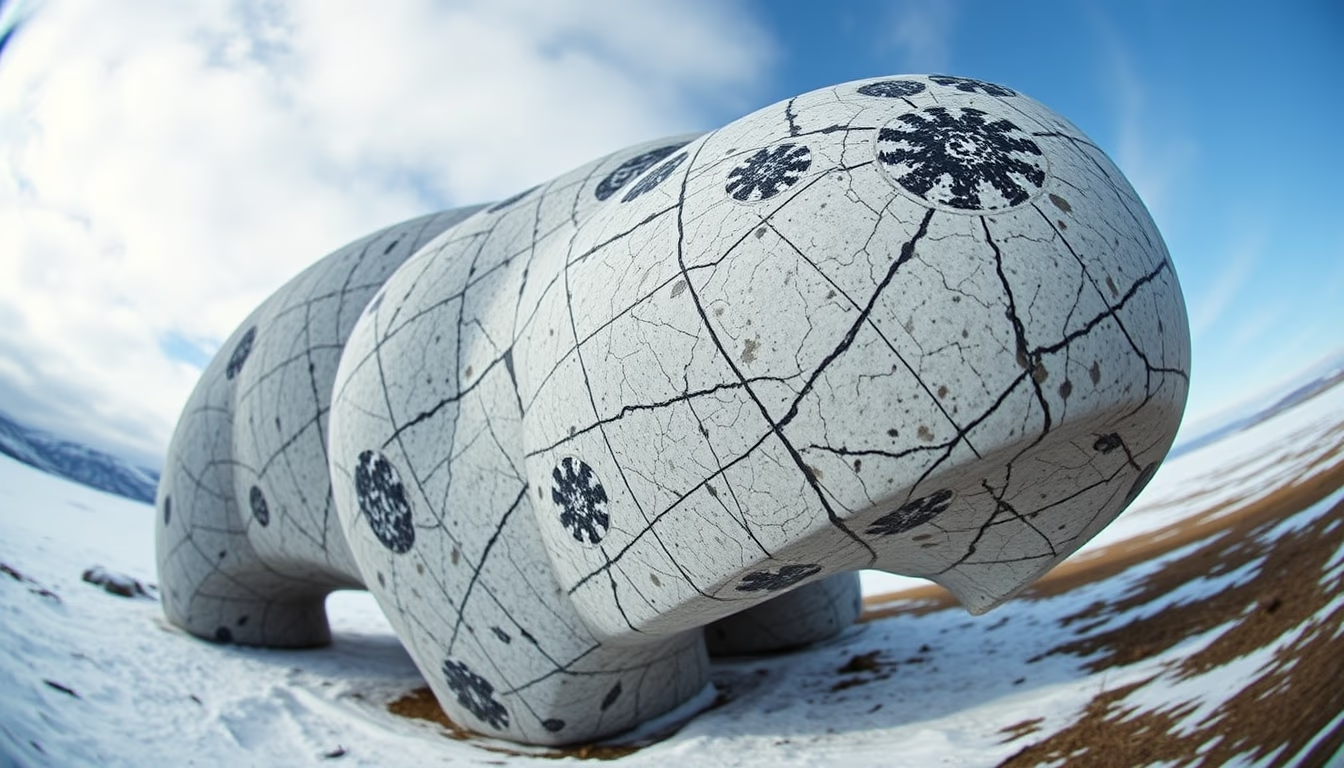
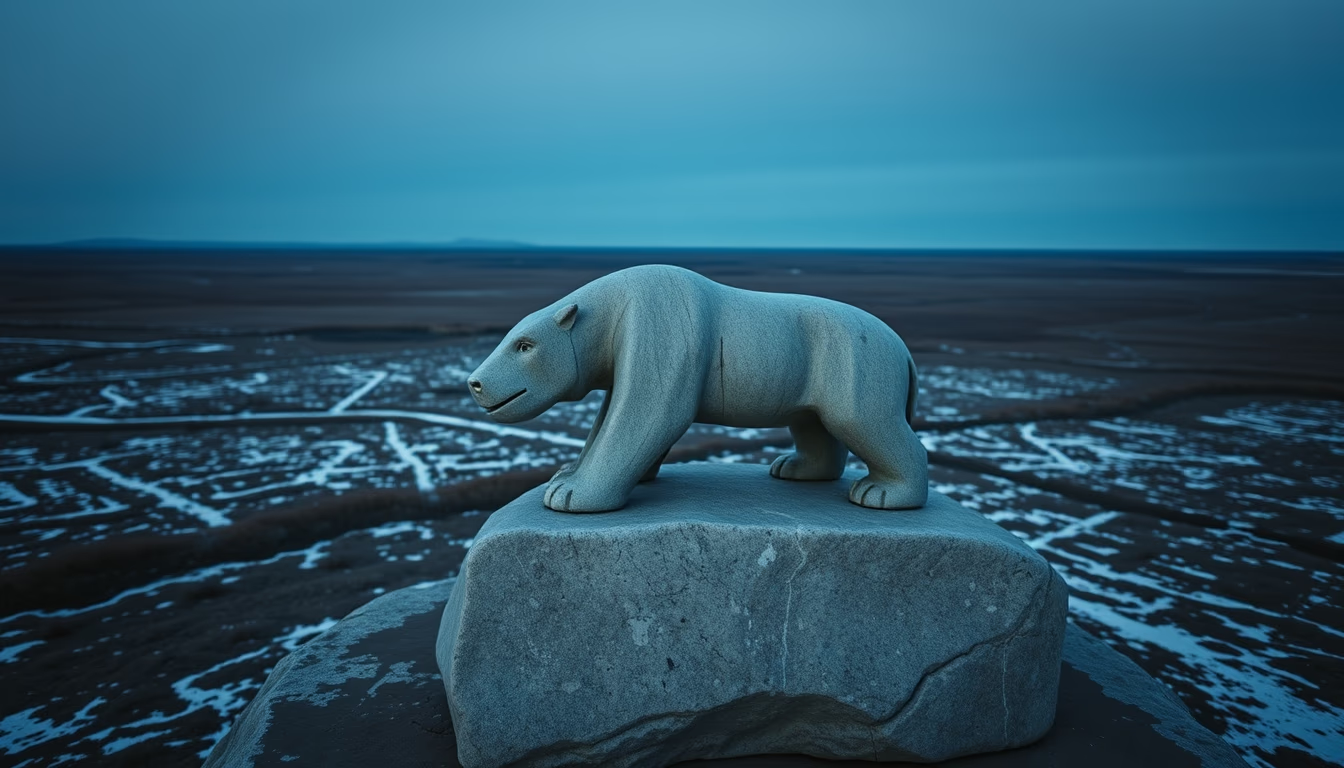
Inuit stone carvings represent an ancient artistic tradition of the Canadian Arctic, sculpted from materials such as soapstone and serpentine.
About this subject
Inuit stone carving is one of the most iconic art forms of the Arctic indigenous peoples. Originating thousands of years ago, this handicraft primarily uses soapstone, serpentine, and marmolite, mined from local deposits in Canada (especially Nunavut, Northwest Territories, and Labrador) and Greenland. Pieces range from small amulets to large sculptures, depicting animals such as polar bears, seals, ravens, and human figures in daily or spiritual scenes.
The traditional technique involves hand carving with simple tools like files and knives, followed by sanding and oil polishing to enhance the stone's natural luster. Each sculpture carries deep symbolism: animals represent guardian spirits (inua) and shamanic narratives; abstract forms may evoke the movement of ice or wind. Renowned artists like Osuitok Ipeelee and John Pijamini became references, but the practice continues in small communities, where each piece is unique.
International recognition grew from the 1950s onward, when Inuit art cooperatives were established in northern Canada. Today, sculptures are sold in global galleries and museums, such as the Canadian Museum of History (Gatineau) and the National Gallery of Canada (Ottawa). Authenticity is valued: certification seals confirm Inuit origin and respect for traditions. Besides aesthetic value, these works contribute to local economies and preserve cultural identity amid climate change and modernization.
Frequently Asked Questions
Which stones are most used in Inuit sculptures?
Soapstone (steatite), serpentine, and marmolite are the most common, quarried in the Canadian Arctic and Greenland. Soapstone is preferred for its softness and ease of carving.
Do Inuit sculptures have religious or spiritual meaning?
Yes, many represent guardian spirits (inua), totemic animals, and shamanic scenes. Each figure carries meaning tied to Inuit cosmology and the relationship with nature.
How can I tell if an Inuit sculpture is authentic?
Authentic pieces usually bear a certification mark (like the Igloo Tag or artist’s symbol) and are sold through recognized cooperatives or galleries. Natural stone and unique carving style also indicate authenticity.
Direct URL
https://pub-c7d6a6ea828543ac903a74a341ccb2e1.r2.dev/imagens/inuit-sculpture-stone-fish-eye-wide-angle-fresh12.avifHow to credit
Include a visible link back to UtilizAí. Copy one of the snippets below:
<a href="https://xn--utiliza-eza.com/en/midia/imagens/inuit-sculpture-stone-fish-eye-wide-angle-fresh12">Inuit sculpture stone</a> by <a href="https://xn--utiliza-eza.com">UtilizAí</a>, licensed under <a href="https://creativecommons.org/licenses/by/4.0/">CC BY 4.0</a>.
[Inuit sculpture stone](https://xn--utiliza-eza.com/en/midia/imagens/inuit-sculpture-stone-fish-eye-wide-angle-fresh12) by [UtilizAí](https://xn--utiliza-eza.com), CC BY 4.0
License: CC-BY-4.0