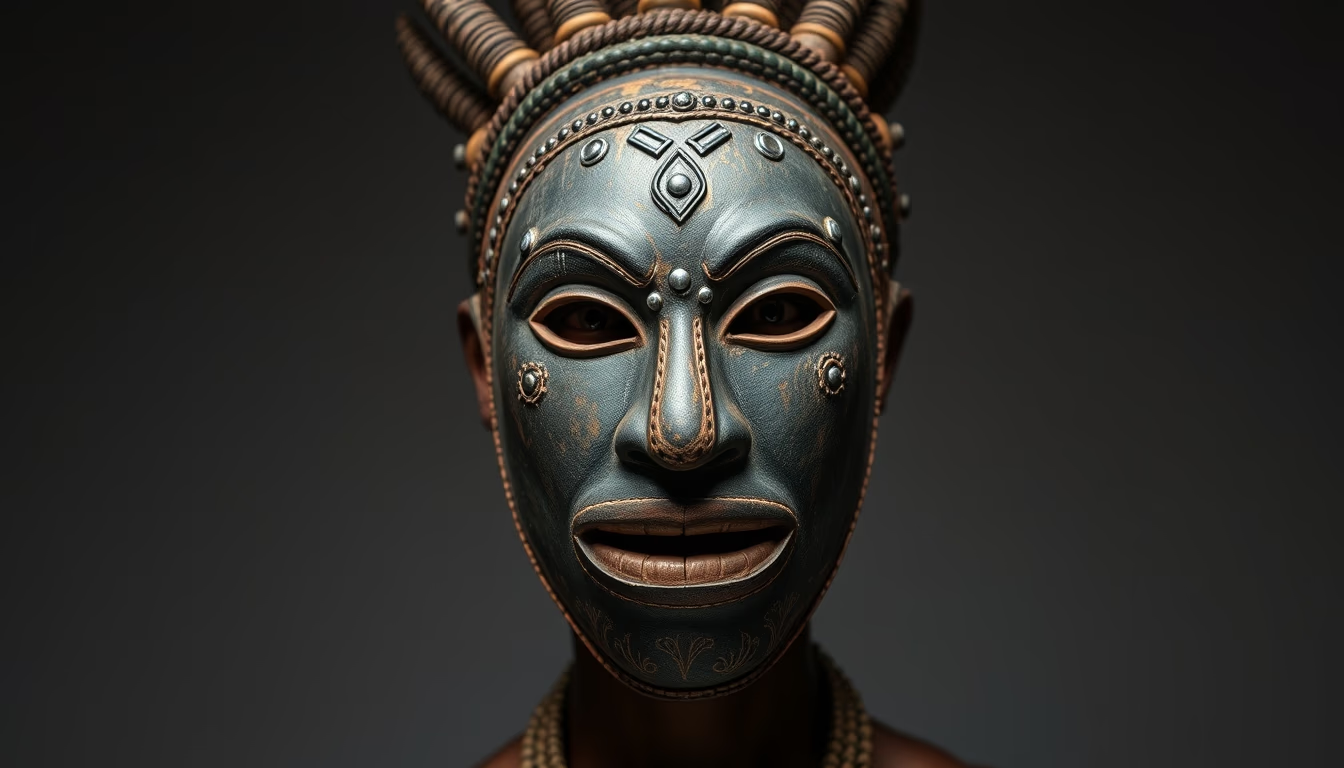
African tribal mask
1344×768 · AVIF · CC BY 4.0
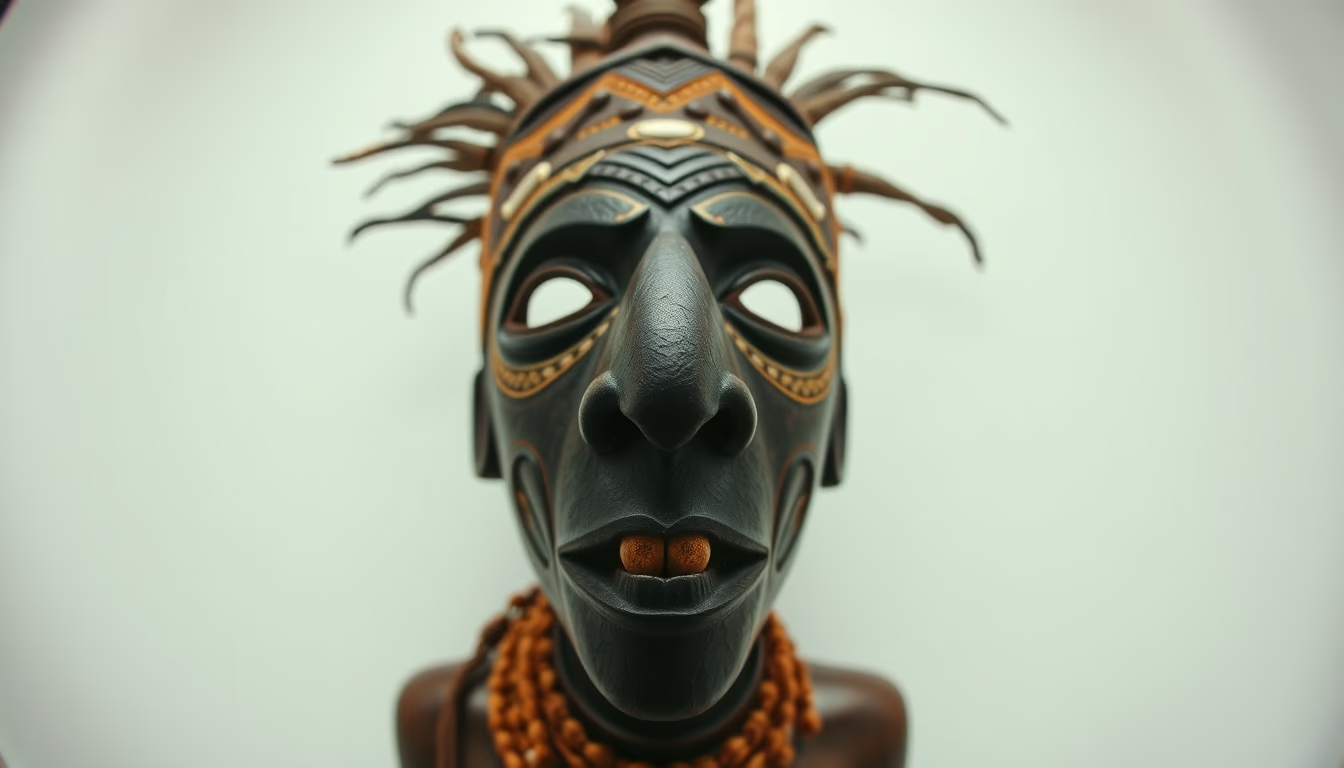
African tribal masks are ceremonial and ritual objects representing ancestral spirits, deities or natural forces, carrying deep cultural symbolism.
About this subject
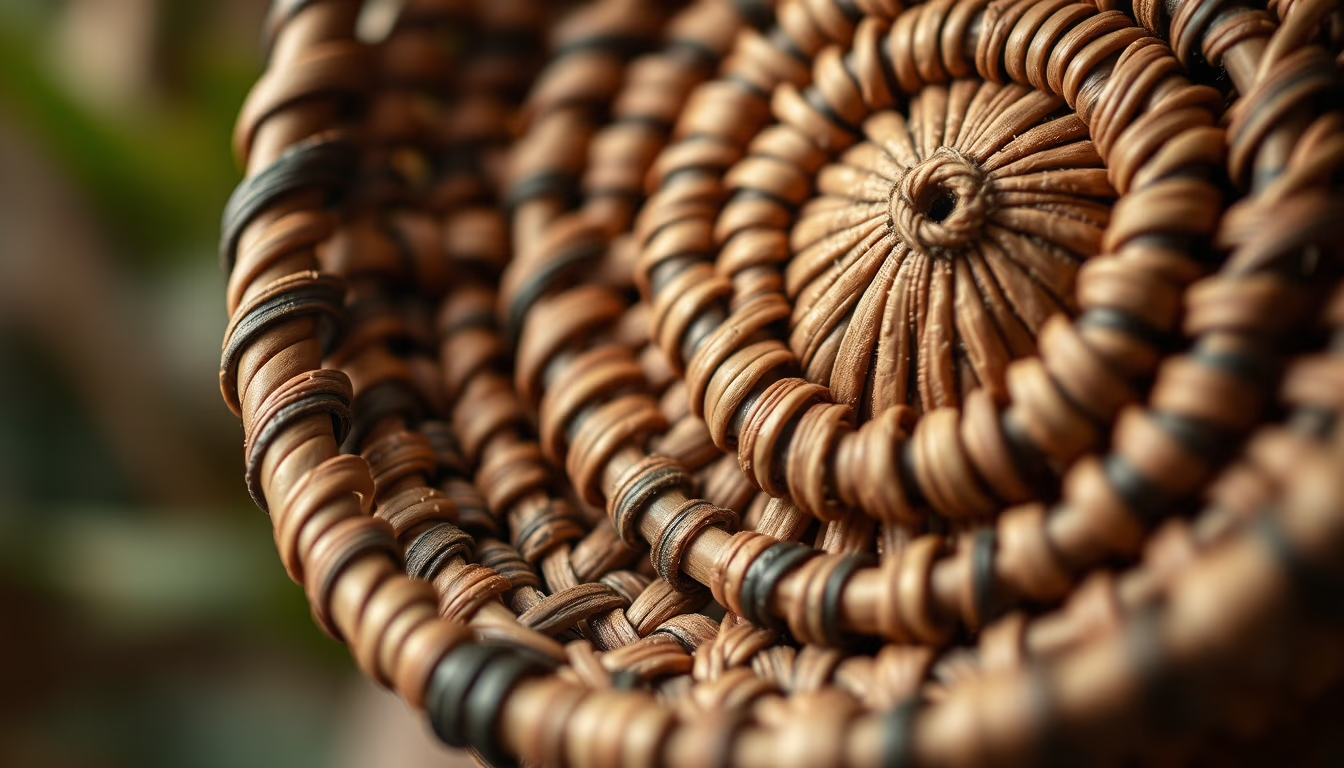
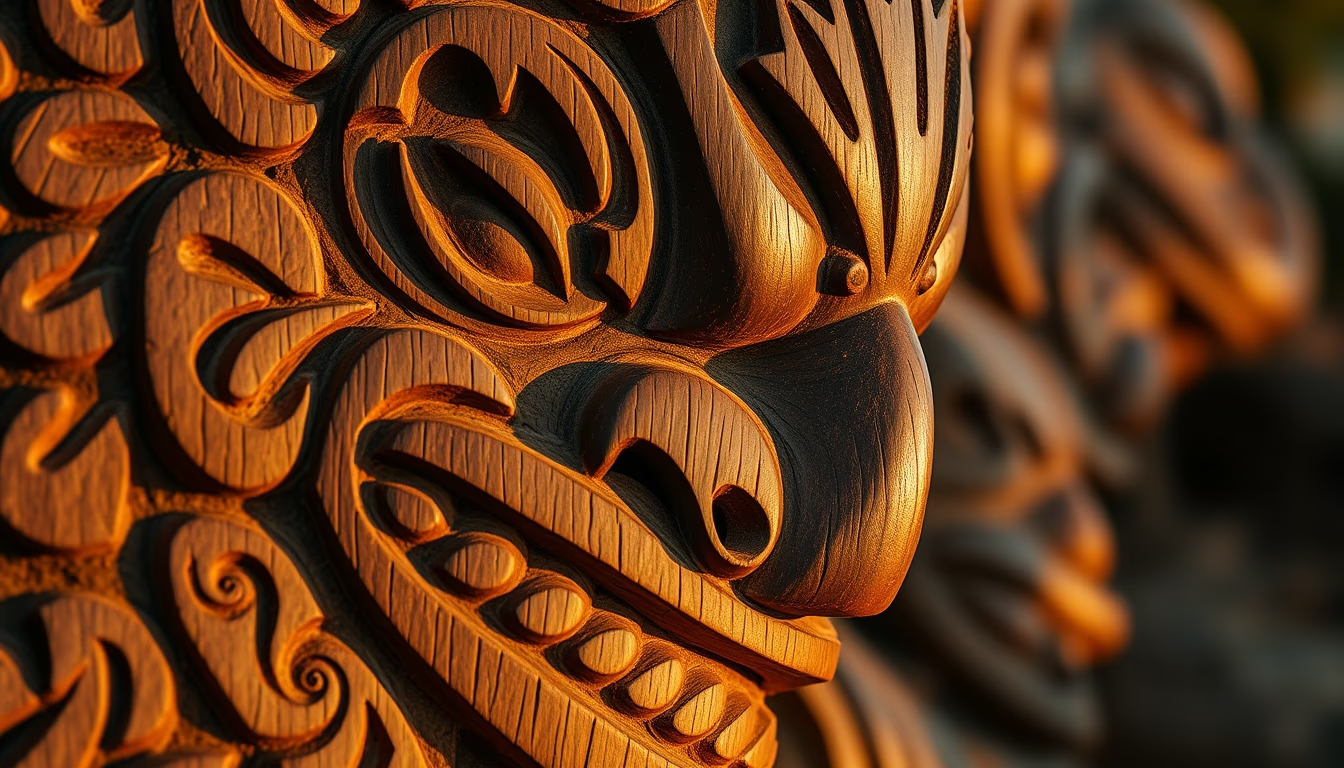
African tribal masks are central to rituals and ceremonies across numerous ethnic groups in Africa. They are not mere decorative items but vehicles for communicating with the spirit world. Each mask is carved with a specific purpose, usually by trained artisans within orally transmitted traditions. Wood is the most common material, but ivory, metal, fabric and plant fibers are also used. The choice of material and applied colors carry meanings: red may symbolize blood or life, white purity or female spirits.
The diversity of styles reflects the continent's vast cultural variety. The Dogon people of Mali create antelope masks (cana) linked to agricultural fertility. The Guro of Ivory Coast produce Zaouli masks, danced to honor legendary women. In Central Africa, the Kuba masks of the Democratic Republic of the Congo are known for intricate geometric patterns. Each ethnicity develops its own forms, but all share the function of connecting the visible world to the invisible one.
Mask use is inseparable from performance. During ceremonies, the mask wearer dances to drums and songs, believed to be temporarily possessed by the represented entity. This role is often reserved for members of secret societies or initiates. Masks can also act as judges in disputes, guardians of morality or educators in rites of passage. The visual impact is intensified by rhythmic movements and music, creating a complete sensory experience.
Western museums and collectors have shown increasing interest in these works, sparking debates on cultural appropriation and repatriation. Tribal art deeply influenced modernists like Pablo Picasso and Amedeo Modigliani, who found a new aesthetic language in abstract forms. Yet it is crucial to understand masks within their original context, where they are not merely art objects but living instruments of belief and community identity.
Frequently Asked Questions
What is the main meaning of African tribal masks?
They represent ancestral spirits, deities or natural forces, acting as intermediaries between the human and spiritual worlds during rituals.
What materials are African masks made from?
Mostly wood, but also ivory, metal, fabric and plant fibers. Each material carries specific symbolic meanings.
Are African masks considered art?
Yes, in the West they are appreciated as art, but in their original cultures they are functional ritual objects, not merely decorative.
Direct URL
https://pub-c7d6a6ea828543ac903a74a341ccb2e1.r2.dev/imagens/african-tribal-mask-fish-eye-wide-angle-fresh13.avifHow to credit
Include a visible link back to UtilizAí. Copy one of the snippets below:
<a href="https://xn--utiliza-eza.com/en/midia/imagens/african-tribal-mask-fish-eye-wide-angle-fresh13">African tribal mask</a> by <a href="https://xn--utiliza-eza.com">UtilizAí</a>, licensed under <a href="https://creativecommons.org/licenses/by/4.0/">CC BY 4.0</a>.
[African tribal mask](https://xn--utiliza-eza.com/en/midia/imagens/african-tribal-mask-fish-eye-wide-angle-fresh13) by [UtilizAí](https://xn--utiliza-eza.com), CC BY 4.0
License: CC-BY-4.0