Totem pole pacific northwest
1344×768 · AVIF · CC BY 4.0
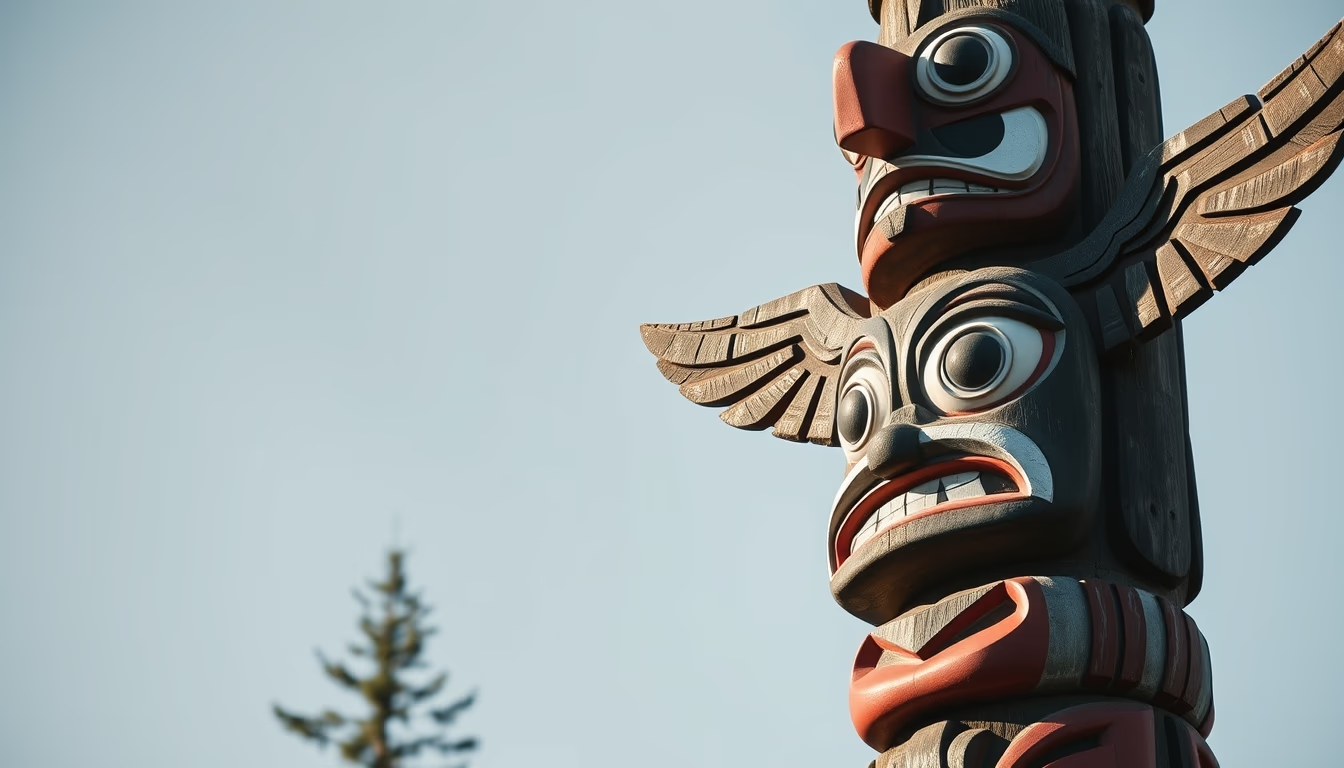
Totem poles are monuments carved by Indigenous peoples of the Pacific Northwest Coast, such as the Haida, Tlingit, and Kwakwaka'wakw, representing clans, stories, and spiritual beliefs.
About this subject
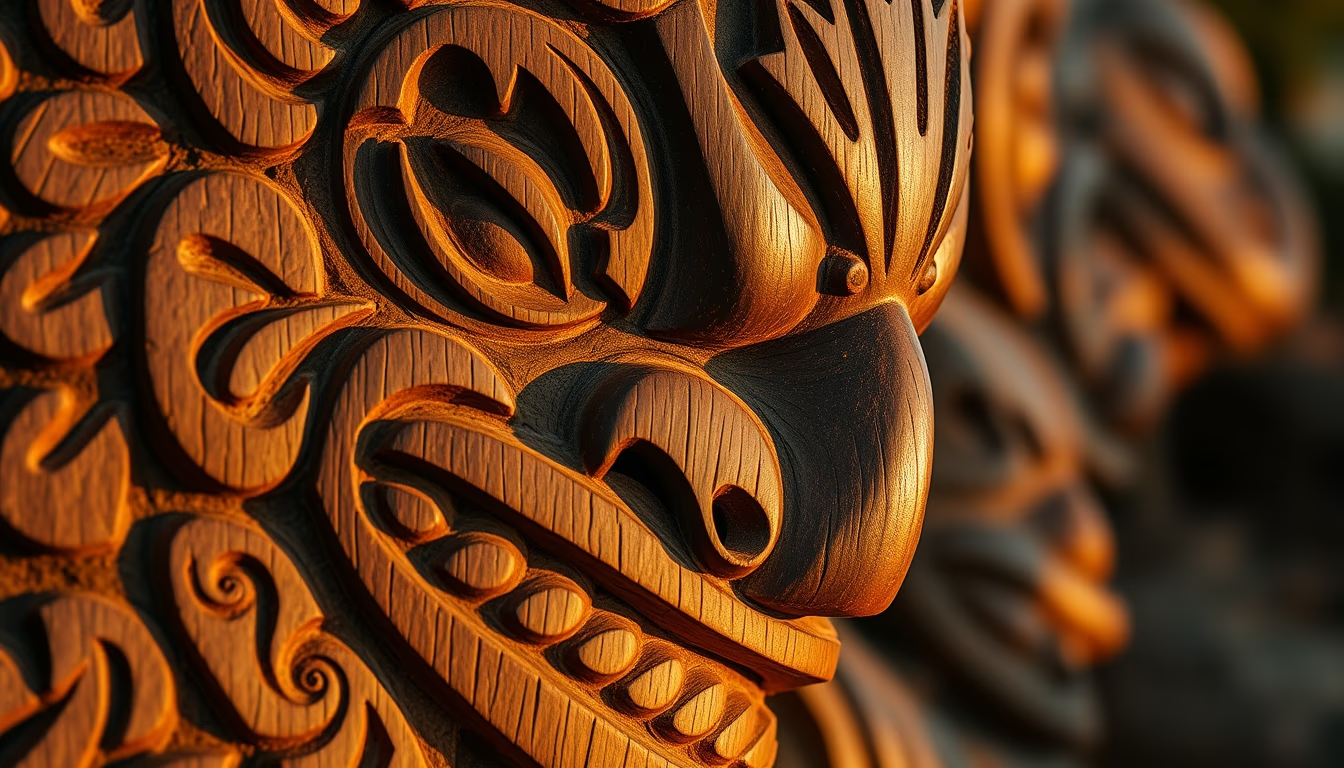
Totem poles are monumental sculptures typical of the Indigenous peoples of the Pacific Northwest Coast, a region stretching from southeastern Alaska to British Columbia, Canada. They are traditionally carved from red or yellow cedar wood using tools such as stone or metal adzes and knives. Each totem pole is unique and can tell the story of a clan, record important events, honor ancestors, or represent mythological figures and guardian spirits. The carved figures, such as bears, eagles, wolves, and whales, are stylized and carry specific meanings within each nation's culture.
The tradition of carving totem poles dates back centuries, but it was heavily suppressed during colonization and forced assimilation policies, such as the ban on potlatch ceremonies in Canada between 1885 and 1951. Despite this, many peoples kept the art alive, and from the 1960s onward, a significant cultural revival occurred. Today, totem poles are erected both in ceremonial contexts and in museums and public spaces, serving as symbols of identity and resilience.
The making of a totem pole is a complex process involving not only carving skills but also spiritual knowledge and rituals. Before cutting the tree, the carver performs ceremonies to ask permission from the tree's spirit. The figures are arranged vertically in a narrative order, and every detail, from the position of the wings to the shape of the beak, conveys information about the story or clan represented. Some totem poles can reach over 20 meters in height and take months to complete.
Today, totem poles are recognized as invaluable works of art, displayed in institutions such as the Museum of Anthropology at UBC in Vancouver and the National Museum of the American Indian in Washington, D.C. However, it is important to remember that their original meaning is deeply tied to Indigenous worldviews and oral transmission of knowledge. For the peoples of the Northwest Coast, a totem pole is not merely a decorative object but a living testament to their history and spirituality.
Frequently Asked Questions
What is the meaning of the figures carved on totem poles?
The figures represent animals, mythical beings, and ancestors, each with specific meanings. For example, the eagle symbolizes power and vision, the bear represents strength and protection, and the wolf denotes loyalty and intelligence. The combination and placement of figures tell stories of clans or important events.
Are totem poles considered sacred objects?
Yes, for many Indigenous peoples of the Northwest Coast, totem poles have a sacred and spiritual character. They are often erected during ceremonies and can serve as guardians of a community or as memorials for deceased leaders.
How are totem poles preserved today?
Many old totem poles are in museums or parks, where they undergo conservation processes to prevent decay. Some are protected by shelters or treated with chemicals. Indigenous communities also continue to carve new totem poles, keeping the tradition alive.
Direct URL
https://pub-c7d6a6ea828543ac903a74a341ccb2e1.r2.dev/imagens/totem-pole-pacific-northwest-magazine-editorial-fresh6.avifHow to credit
Include a visible link back to UtilizAí. Copy one of the snippets below:
<a href="https://xn--utiliza-eza.com/en/midia/imagens/totem-pole-pacific-northwest-magazine-editorial-fresh6">Totem pole pacific northwest</a> by <a href="https://xn--utiliza-eza.com">UtilizAí</a>, licensed under <a href="https://creativecommons.org/licenses/by/4.0/">CC BY 4.0</a>.
[Totem pole pacific northwest](https://xn--utiliza-eza.com/en/midia/imagens/totem-pole-pacific-northwest-magazine-editorial-fresh6) by [UtilizAí](https://xn--utiliza-eza.com), CC BY 4.0
License: CC-BY-4.0