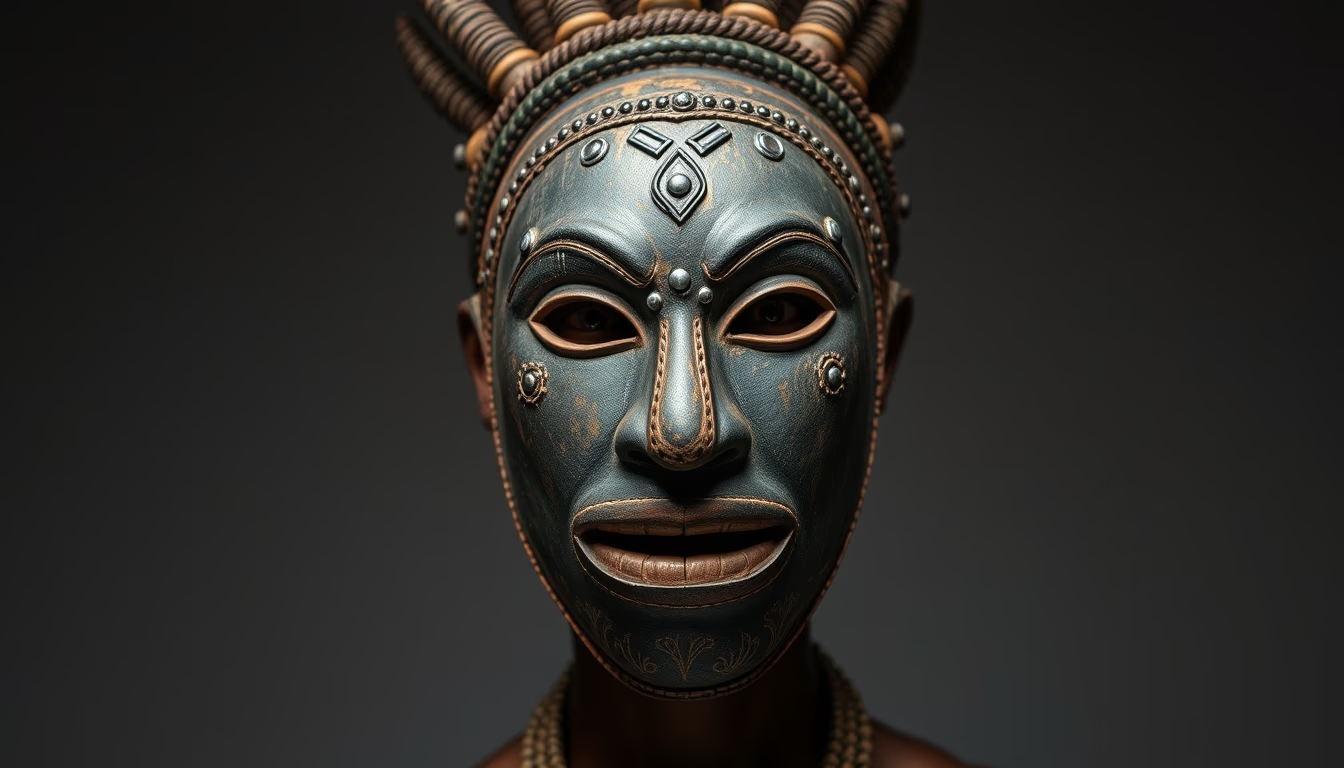
Totem pole pacific northwest
1344×768 · AVIF · CC BY 4.0
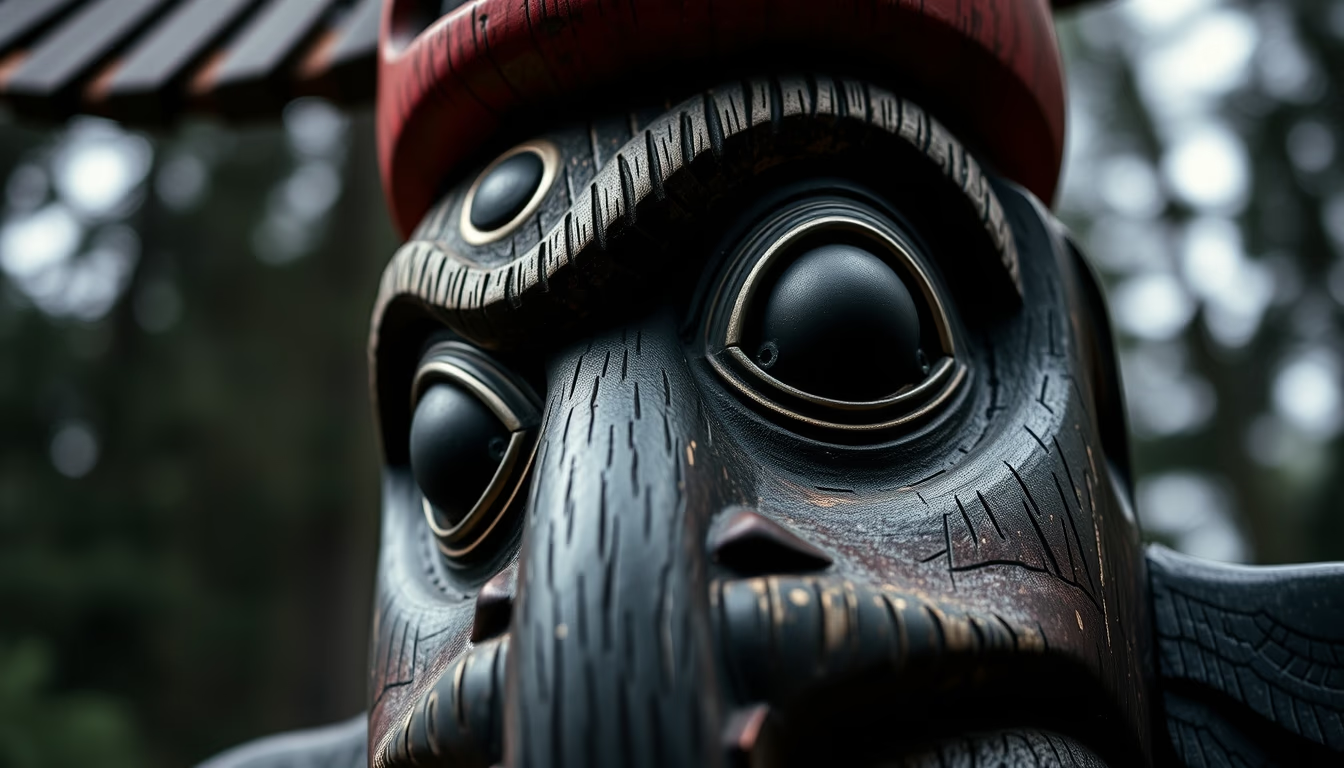
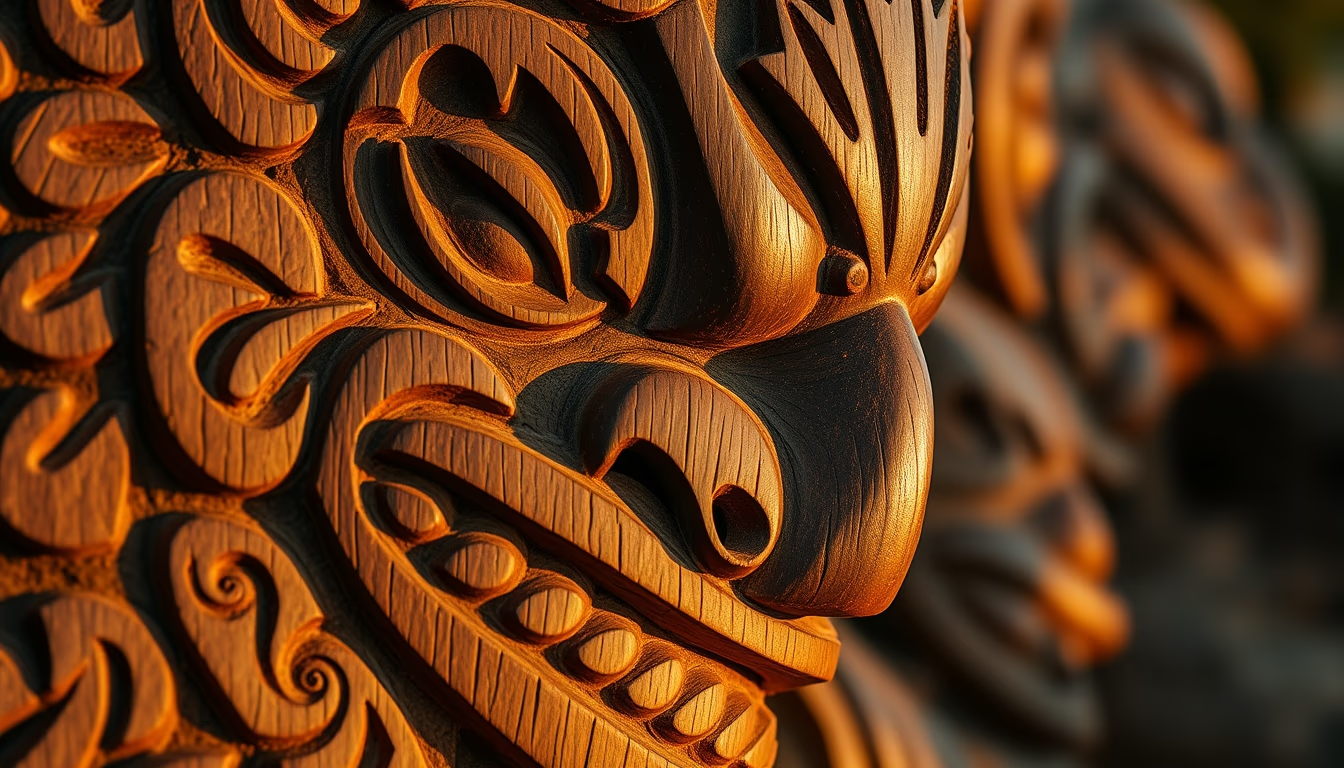
Monumental totem poles carved from red cedar by Indigenous peoples of the Pacific Northwest Coast record family histories, events, and myths through animal and spiritual figures.
About this subject
Totem poles of the Pacific Northwest Coast are creations of the Haida, Tlingit, Kwakwaka'wakw, Tsimshian, and other nations, whose territories span from southeastern Alaska to British Columbia. Contrary to common belief, they are not religious idols but heraldic and narrative monuments. Each carved figure represents a clan, an ancestor, a guardian animal, or an important event. The position of figures on the pole also carries meaning: lower figures typically represent founders or central characters in the story.
The wood used is western red cedar (Thuja plicata), a sacred tree to these cultures for its durability and ease of carving. Artisans traditionally use hand tools such as adzes and knives made of bone or stone, though today they also employ chainsaws and modern chisels. Traditional colors include black (charcoal), red (ochre), and blue-green (copper sulfate), derived from minerals and natural substances. The carving process can take months or even years, and the master carver is often hereditary, learning the craft within the family.
Totem poles are erected on special occasions, such as potlatches (grand ceremonial feasts), to honor a deceased person, mark a marriage, or celebrate the construction of a new house. Outdoors, a pole's lifespan is about 60 to 100 years, as cedar slowly rots. Therefore, many original poles have been lost, but replicas and new carvings continue to be made. Outdoor museums and parks, such as Stanley Park in Vancouver and Sitka National Historical Park in Alaska, preserve important examples.
Stylistically, each nation has its characteristics. The Haida are known for intricate details and almond-shaped eyes. The Kwakwaka'wakw use more vibrant colors and rounded forms. The Tlingit tend toward sturdier figures and striking facial expressions. Totem art is alive and constantly renewing, with new generations of Indigenous carvers maintaining the tradition and innovating in techniques and themes.
Frequently Asked Questions
What do the colors on a totem pole mean?
Traditional colors are black, red, and blue-green. Black symbolizes power or the primordial void, red represents life and blood, and blue-green alludes to sky and water. Variations exist among different nations.
How long does it take to carve a totem pole?
Depending on size and complexity, it can take from a few months to over a year. Experienced carvers use chainsaws for rough shaping and hand tools for details.
Are totem poles religious objects?
No. They are secular monuments that tell clan stories, honor ancestors, or mark important events. They are not worshipped as gods but respected as historical and cultural records.
Direct URL
https://pub-c7d6a6ea828543ac903a74a341ccb2e1.r2.dev/imagens/totem-pole-pacific-northwest-macro-closeup-fresh3.avifHow to credit
Include a visible link back to UtilizAí. Copy one of the snippets below:
<a href="https://xn--utiliza-eza.com/en/midia/imagens/totem-pole-pacific-northwest-macro-closeup-fresh3">Totem pole pacific northwest</a> by <a href="https://xn--utiliza-eza.com">UtilizAí</a>, licensed under <a href="https://creativecommons.org/licenses/by/4.0/">CC BY 4.0</a>.
[Totem pole pacific northwest](https://xn--utiliza-eza.com/en/midia/imagens/totem-pole-pacific-northwest-macro-closeup-fresh3) by [UtilizAí](https://xn--utiliza-eza.com), CC BY 4.0
License: CC-BY-4.0