Totem pole pacific northwest
1344×768 · AVIF · CC BY 4.0
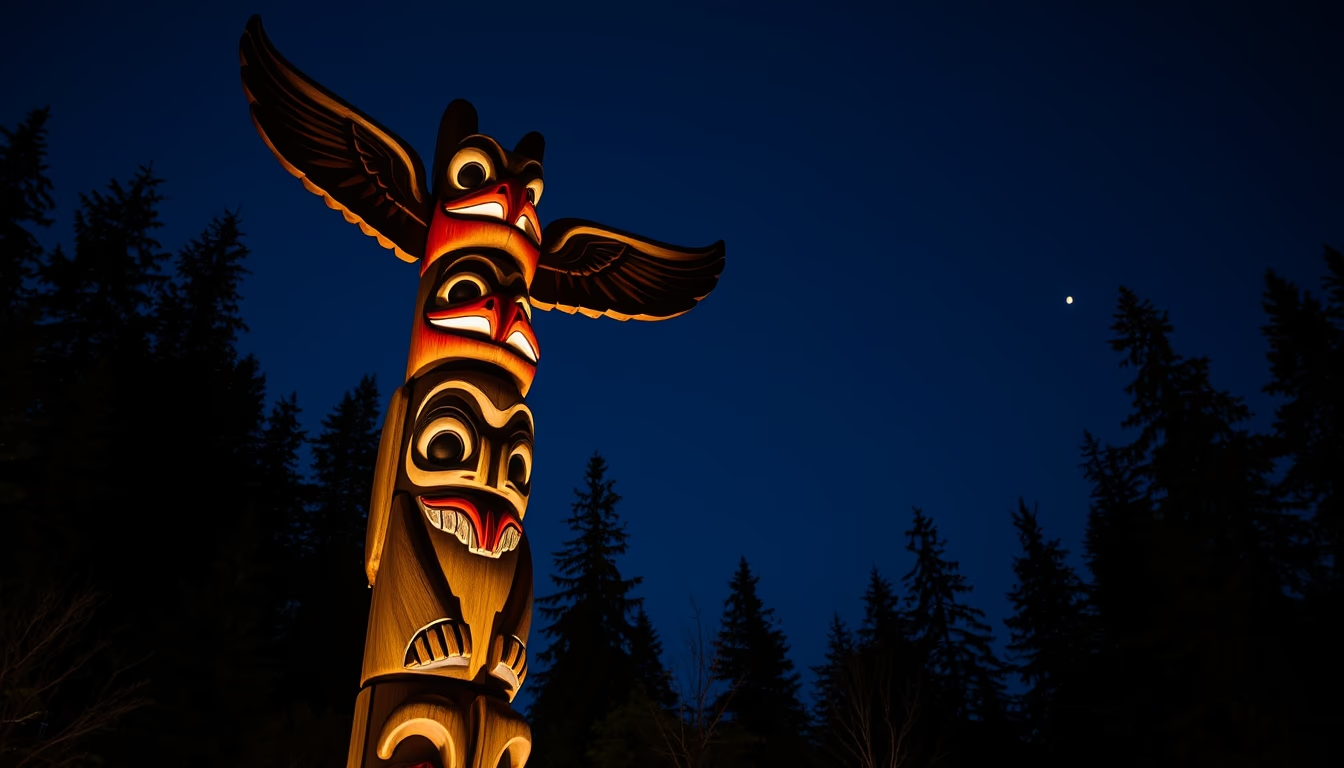
Pacific Northwest totem pole: a symbol of Indigenous art, carved from red cedar, representing clans and ancestral stories.
About this subject
Totem poles are monumental carvings made from tree trunks, especially red cedar, by Indigenous cultures of the Pacific Northwest Coast, such as the Haida, Tlingit, Kwakwaka'wakw, and Coast Salish. Each carving tells a story: figures of animals, supernatural beings, and humans are stacked in a narrative order, representing clans, historical events, or myths. The tradition dates back centuries, with the oldest poles dating from the 18th century, although the practice flourished after the introduction of metal tools by Europeans.
Totem poles were not objects of worship but visual records of genealogy and social status. They were raised on special occasions such as potlatches ceremonial feasts involving wealth distribution. Each figure has specific meaning: the eagle symbolizes power and vision; the raven, creativity and trickery; the bear, strength and protection; the whale, knowledge and family. Traditional colors red, black, blue, and green were obtained from natural pigments like ochre and charcoal.
With the arrival of colonists and missionaries, totem pole production declined in the late 19th century, but a revivalist interest starting in the 1930s, driven by anthropologists and artists, helped preserve the technique. Today, many original poles are in museums, while Indigenous communities continue to carve new ones to keep their traditions alive. National parks like Sitka National Historical Park in Alaska house a collection of restored totem poles.
A curiosity: the world's tallest totem pole measures 56 meters and is located in Alert Bay, British Columbia, carved by Kwakwaka'wakw artist Mungo Martin. Red cedar wood is especially resistant to decay, explaining the durability of some poles for over 100 years. Totem pole carving is recognized as a major art form, influencing modern artists such as painter Emily Carr.
Frequently Asked Questions
What is the meaning of totem poles?
Totem poles tell stories of clans, lineages, and important events. The figures represent animals, spirits, or ancestors, each with specific symbolism such as strength, wisdom, or protection.
Where are totem poles found?
They are typical of the Pacific Northwest coast, especially Alaska and British Columbia (Canada). They can be seen in national parks, museums, and Indigenous communities.
Are totem poles religious objects?
No, they are not worshiped. They are visual records of family and social identity, used in ceremonies like potlatches to assert status and narrate clan history.
Direct URL
https://pub-c7d6a6ea828543ac903a74a341ccb2e1.r2.dev/imagens/totem-pole-pacific-northwest-fine-art-photography-fresh5.avifHow to credit
Include a visible link back to UtilizAí. Copy one of the snippets below:
<a href="https://xn--utiliza-eza.com/en/midia/imagens/totem-pole-pacific-northwest-fine-art-photography-fresh5">Totem pole pacific northwest</a> by <a href="https://xn--utiliza-eza.com">UtilizAí</a>, licensed under <a href="https://creativecommons.org/licenses/by/4.0/">CC BY 4.0</a>.
[Totem pole pacific northwest](https://xn--utiliza-eza.com/en/midia/imagens/totem-pole-pacific-northwest-fine-art-photography-fresh5) by [UtilizAí](https://xn--utiliza-eza.com), CC BY 4.0
License: CC-BY-4.0