Totem pole pacific northwest
1344×768 · AVIF · CC BY 4.0
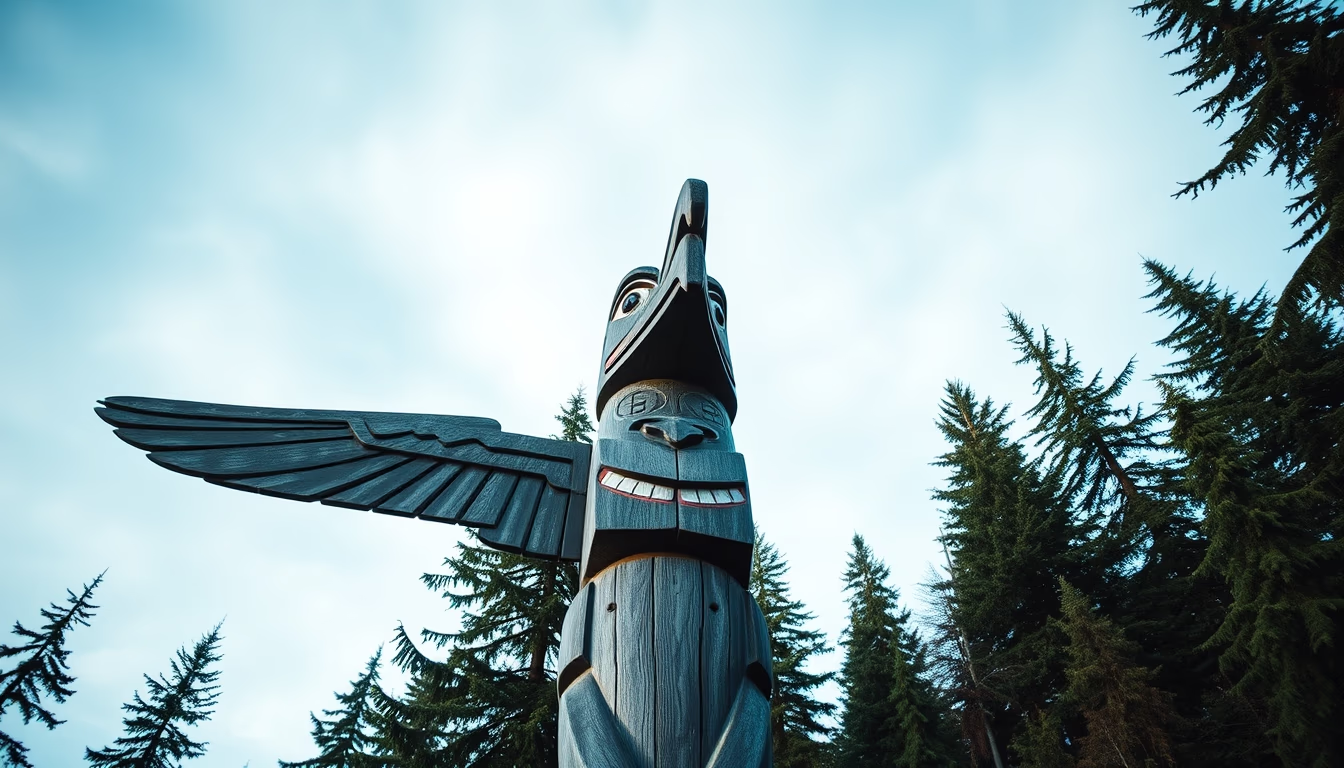
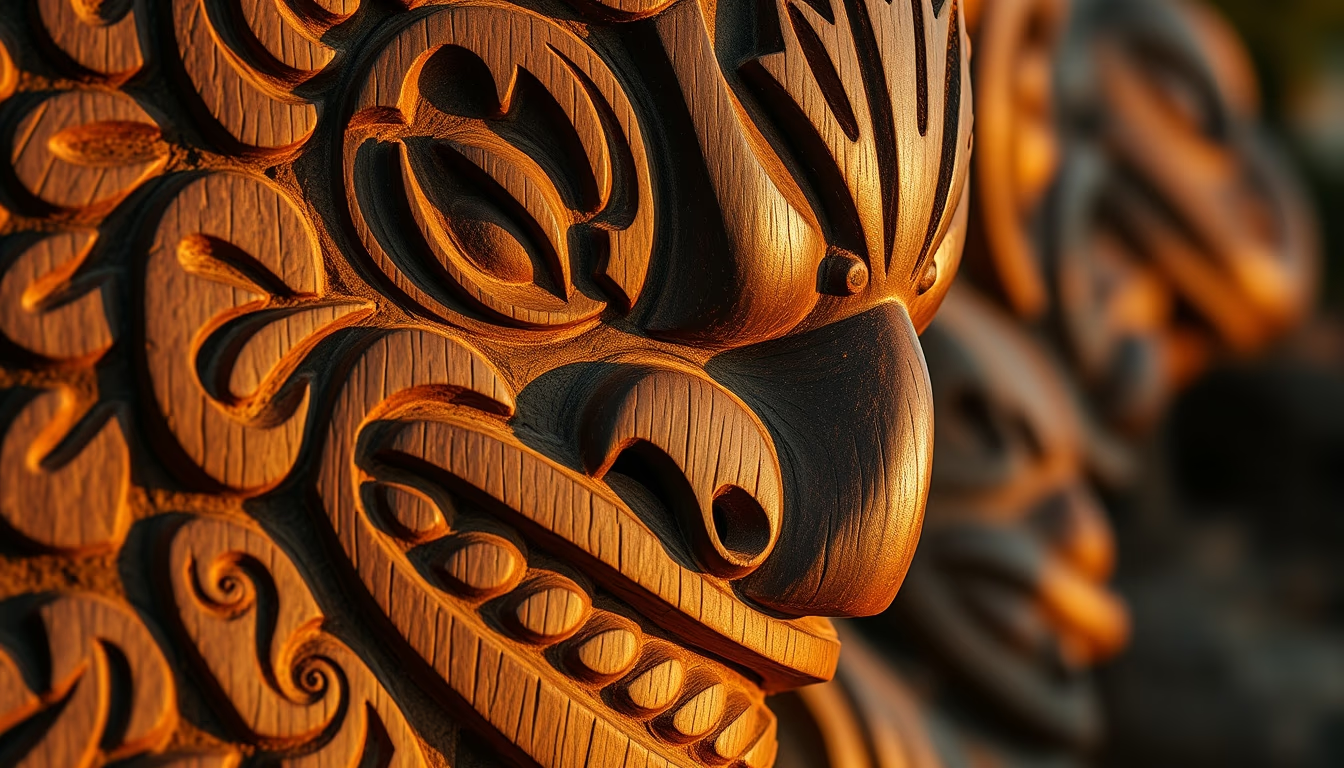
Totem poles of the Pacific Northwest are carved wooden monuments by Indigenous peoples such as Haida, Tlingit, and Kwakwaka'wakw, representing clans, stories, and spiritual beliefs.
About this subject
Totem poles are a tradition of the Pacific Northwest, spanning parts of Alaska, British Columbia, and Washington state. They are carved from Western red cedar, a rot-resistant wood. Contrary to common belief, they are not religious idols but historical and cultural records. Each carved figure holds meaning: animals like eagle, raven, wolf, and bear represent clans or ancestors. Traditional colors, red, black, blue, and green, came from mineral and plant sources.
The practice flourished between the 18th and 19th centuries, fueled by the fur trade and abundant coastal resources. Chiefs commissioned poles for events like weddings, funerals, or to shame debtors. Carving took months using stone or metal chisels, with techniques passed down orally. Colonization and bans on Indigenous ceremonies in Canada and the US in the late 1800s suppressed many traditions. However, a cultural revival began in the 1960s, and today poles are erected in parks, museums, and Indigenous territories.
Interestingly, totem poles are not universal across Native American cultures; they are specific to the Northwest Coast. The Haida are known for complex, stylized poles. The tallest existing pole, over 50 meters, stands in Alert Bay, British Columbia. Besides storytelling, poles served as house posts, territorial markers, and beam supports. Contemporary carvings address social and environmental issues, keeping the ancient art alive.
Preservation is challenging due to natural decay. Many original poles are in museums, while replicas are made for public sites. Cedar wood is treated with oils and natural pigments to withstand damp weather. Today, Indigenous artists like Bill Reid and Robert Davidson have revived ancestral techniques, gaining international recognition. Totem poles remain powerful symbols of identity and cultural resilience.
Frequently Asked Questions
What do the animals on totem poles mean?
Each animal represents a clan, ancestor, or trait. For example, the eagle symbolizes power and vision, the raven is a creative trickster, the wolf stands for loyalty, and the bear for strength and healing.
Are totem poles religious objects?
No, they are not worshipped. They are visual narratives depicting family stories, historical events, and spiritual beliefs, serving as genealogical and cultural records.
Where can I see original totem poles?
Many are in museums like the Royal BC Museum (Victoria) and the Burke Museum (Seattle). Parks such as Stanley Park (Vancouver) and Sitka National Historical Park (Alaska) display replicas and historic poles.
Direct URL
https://pub-c7d6a6ea828543ac903a74a341ccb2e1.r2.dev/imagens/totem-pole-pacific-northwest-documentary-nature-style-fresh8.avifHow to credit
Include a visible link back to UtilizAí. Copy one of the snippets below:
<a href="https://xn--utiliza-eza.com/en/midia/imagens/totem-pole-pacific-northwest-documentary-nature-style-fresh8">Totem pole pacific northwest</a> by <a href="https://xn--utiliza-eza.com">UtilizAí</a>, licensed under <a href="https://creativecommons.org/licenses/by/4.0/">CC BY 4.0</a>.
[Totem pole pacific northwest](https://xn--utiliza-eza.com/en/midia/imagens/totem-pole-pacific-northwest-documentary-nature-style-fresh8) by [UtilizAí](https://xn--utiliza-eza.com), CC BY 4.0
License: CC-BY-4.0