Totem pole pacific northwest
1344×768 · AVIF · CC BY 4.0
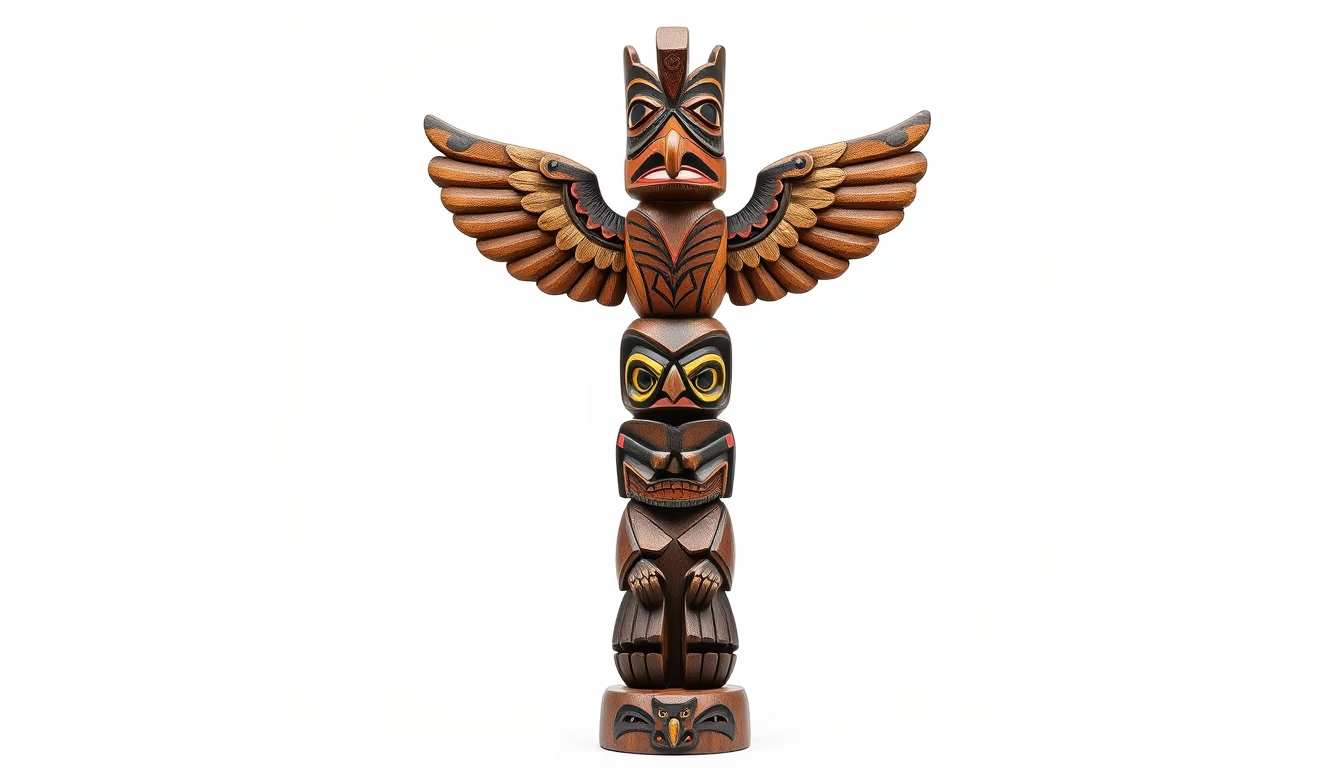
Totem poles are monumental sculptures carved by Indigenous peoples of the Pacific Northwest Coast, such as the Haida and Tlingit, representing stories and family lineages.
About this subject
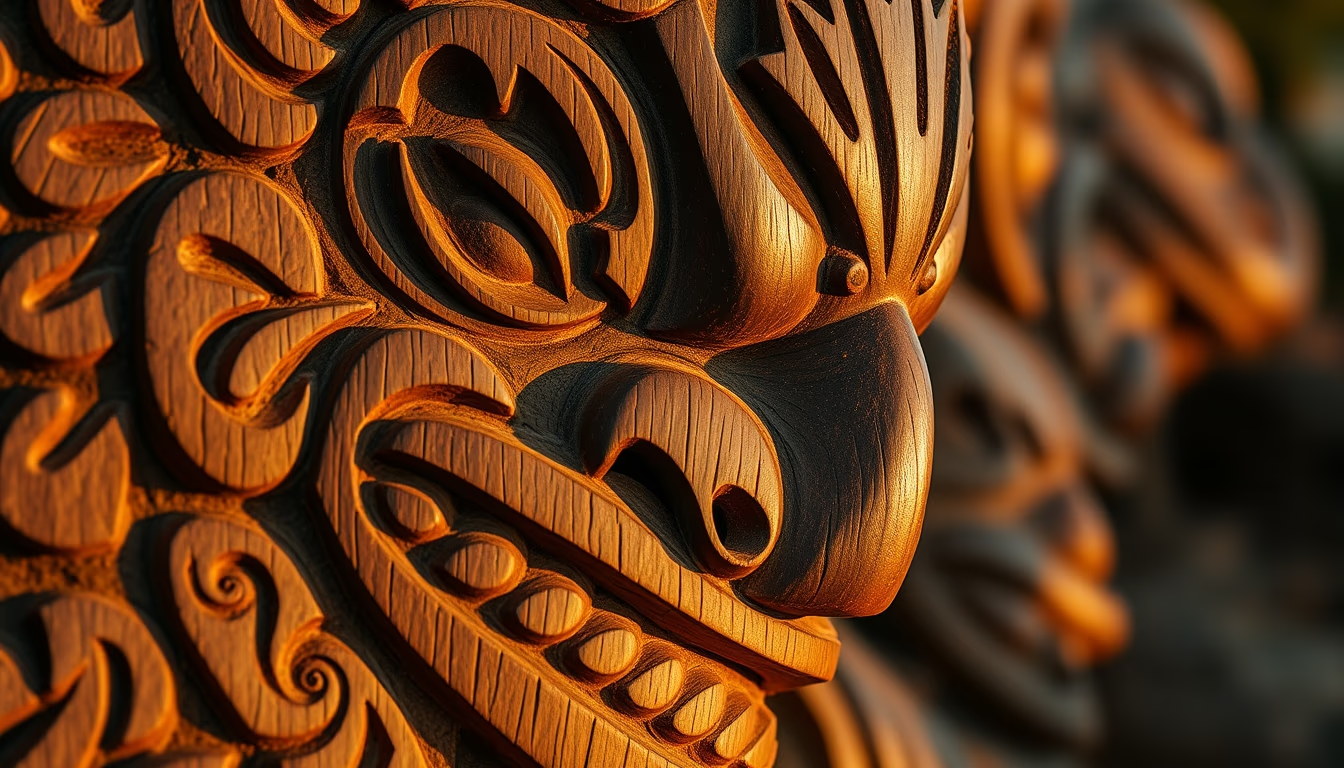
Totem poles are imposing wooden sculptures traditionally carved from red cedar by Indigenous peoples of the Pacific Northwest Coast, including the Haida, Tlingit, Kwakwaka'wakw, and Coast Salish nations. Each totem pole is unique, carved to tell the story of a clan, record important events, honor deceased leaders, or assert territorial rights. The stylized figures, such as eagles, bears, wolves, frogs, and supernatural beings, are not worshiped gods but symbols representing ancestors, protectors, and community values.
The height of a totem pole can range from a few meters to over twenty meters, depending on its purpose and the prestige of the owning family. The carving process, done with stone, bone, and later metal tools, could take months or even years. Traditional colors black, red, and bluish-green were obtained from natural sources like charcoal, ochre, and minerals. After European contact, totem poles faced persecution from missionaries and collectors, but today they are celebrated as icons of Indigenous art.
Many original totem poles were removed from their villages by anthropologists and traders in the 19th and early 20th centuries, and are now housed in museums around the world. However, contemporary Indigenous communities are revitalizing the tradition by carving new totem poles for ceremonies, cultural centers, and public spaces, such as in Stanley Park in Vancouver and the totem park in Ketchikan, Alaska. This practice not only preserves ancestral techniques but also reaffirms the cultural identity and sovereignty of the region's peoples.
Frequently Asked Questions
What does each figure on a totem pole mean?
Each figure represents an animal, human, or supernatural being with symbolic meaning for the clan or family, such as ancestors, protectors, or values. The exact interpretation depends on the specific story of the pole.
What material are totem poles made of?
Traditionally, they are carved from red cedar (Thuja plicata), a decay-resistant wood that is easy to carve and abundant in the Pacific Northwest region.
Are totem poles religious objects?
They are not objects of worship but ceremonial artifacts that tell stories, honor ancestors, and affirm cultural identity. They are often used in potlatches and other celebrations.
Direct URL
https://pub-c7d6a6ea828543ac903a74a341ccb2e1.r2.dev/imagens/totem-pole-pacific-northwest-commercial-product-photography-fresh7.avifHow to credit
Include a visible link back to UtilizAí. Copy one of the snippets below:
<a href="https://xn--utiliza-eza.com/en/midia/imagens/totem-pole-pacific-northwest-commercial-product-photography-fresh7">Totem pole pacific northwest</a> by <a href="https://xn--utiliza-eza.com">UtilizAí</a>, licensed under <a href="https://creativecommons.org/licenses/by/4.0/">CC BY 4.0</a>.
[Totem pole pacific northwest](https://xn--utiliza-eza.com/en/midia/imagens/totem-pole-pacific-northwest-commercial-product-photography-fresh7) by [UtilizAí](https://xn--utiliza-eza.com), CC BY 4.0
License: CC-BY-4.0