Totem pole pacific northwest
1344×768 · AVIF · CC BY 4.0
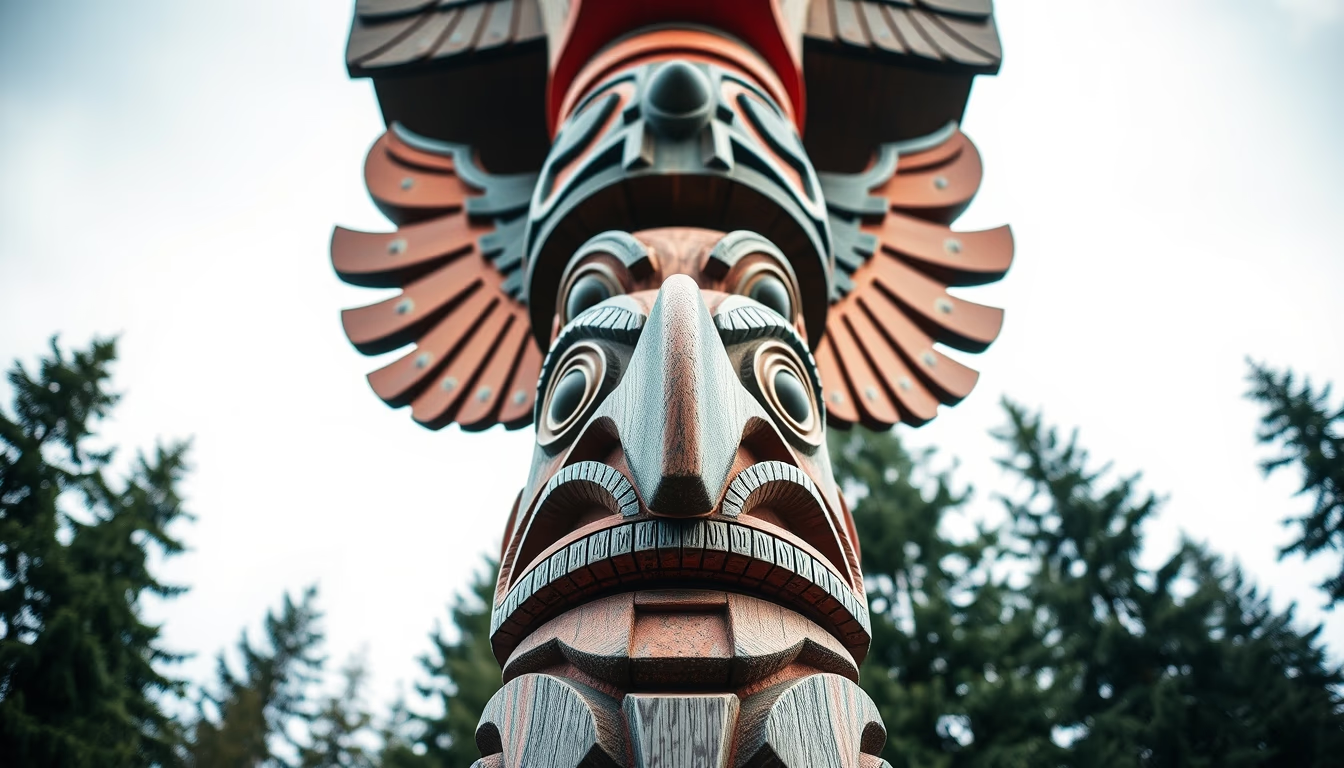
Totem poles of the Pacific Northwest are monumental carvings by Indigenous peoples like Haida and Tlingit, representing clan histories and spiritual beliefs.
About this subject
Totem poles are monumental carvings created by Indigenous peoples of the Pacific Northwest Coast, including the Haida, Tlingit, Kwakwaka'wakw, and Coast Salish. Typically carved from red cedar wood, these poles can reach over 60 feet in height and are adorned with figures of animals, mythical beings, and clan symbols. Each totem tells a specific story: it may recount family lineage, commemorate a significant event, or represent a social contract. Contrary to popular misconception, totem poles are not objects of worship but rather visual records of identity and status.
The carving technique is passed down orally through generations, using traditional tools such as stone adzes and metal knives. The predominant colors are black, red, and blue-green, derived from natural pigments like charcoal, ochre, and copper. Common animal figures include the eagle, raven, wolf, whale, and bear, each with distinct meanings. For instance, the raven is seen as a trickster creator, while the eagle symbolizes power and vision. The placement of figures on the pole follows a hierarchy: the most important ones are at the top.
Historically, totem poles were erected in front of communal houses or ceremonial sites. With European colonization and forced assimilation policies, many practices were suppressed, and poles were destroyed or taken to museums. In recent decades, a cultural revitalization movement has emerged, with Indigenous artists reclaiming carving and repatriating pieces. Today, original totem poles can be seen in parks and historic sites in Alaska, British Columbia, and Washington state, as well as replicas in museums worldwide. Preservation remains a challenge due to wood decay in humid climates.
A curious fact: the tallest known totem pole was about 170 feet high and erected in Alert Bay, Canada. Modern poles often incorporate contemporary themes such as environmental issues and Indigenous rights. Totem pole art is protected by cultural heritage laws, and each new pole is created with ceremonial protocols, reaffirming the living connection between communities and their ancestral traditions.
Frequently Asked Questions
What do the animals carved on totem poles represent?
Each animal carries specific meanings: the eagle symbolizes power and vision, the raven is a trickster creator, the wolf represents loyalty and strength, the whale is linked to abundance, and the bear symbolizes protection. The choice of animals reflects the clan's history and values.
Are totem poles religious objects?
No, totem poles are not objects of worship. They function as genealogical records, historical narratives, or social status markers. However, their creation and erection involve spiritual ceremonies that honor ancestors.
Where can I see original totem poles in the United States?
Original totem poles are found in the Pacific Northwest, especially in Alaska's Sitka National Historical Park, British Columbia's Stanley Park in Vancouver, and Washington's Olympic National Park. Many museums also have collections, such as the Burke Museum in Seattle.
Direct URL
https://pub-c7d6a6ea828543ac903a74a341ccb2e1.r2.dev/imagens/totem-pole-pacific-northwest-architectural-photography-fresh10.avifHow to credit
Include a visible link back to UtilizAí. Copy one of the snippets below:
<a href="https://xn--utiliza-eza.com/en/midia/imagens/totem-pole-pacific-northwest-architectural-photography-fresh10">Totem pole pacific northwest</a> by <a href="https://xn--utiliza-eza.com">UtilizAí</a>, licensed under <a href="https://creativecommons.org/licenses/by/4.0/">CC BY 4.0</a>.
[Totem pole pacific northwest](https://xn--utiliza-eza.com/en/midia/imagens/totem-pole-pacific-northwest-architectural-photography-fresh10) by [UtilizAí](https://xn--utiliza-eza.com), CC BY 4.0
License: CC-BY-4.0