Navajo blanket pattern
1344×768 · AVIF · CC BY 4.0
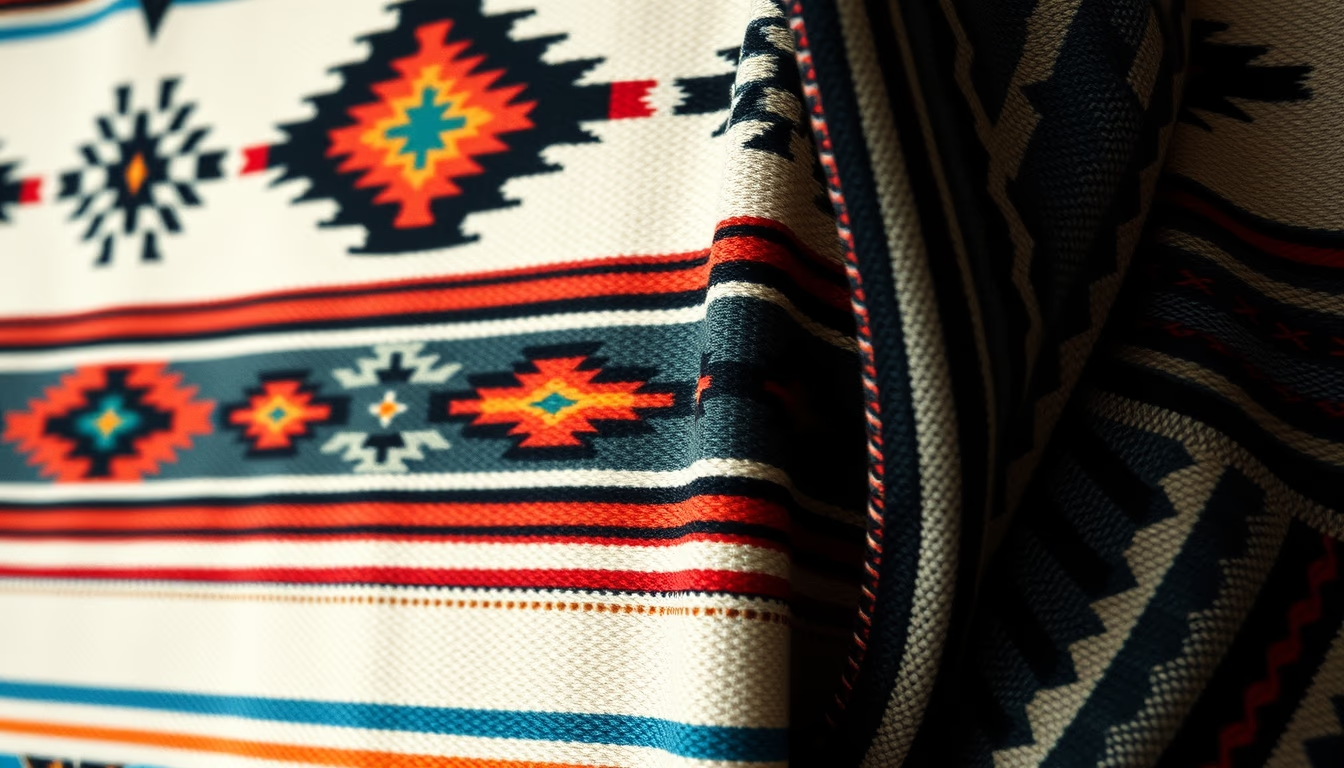
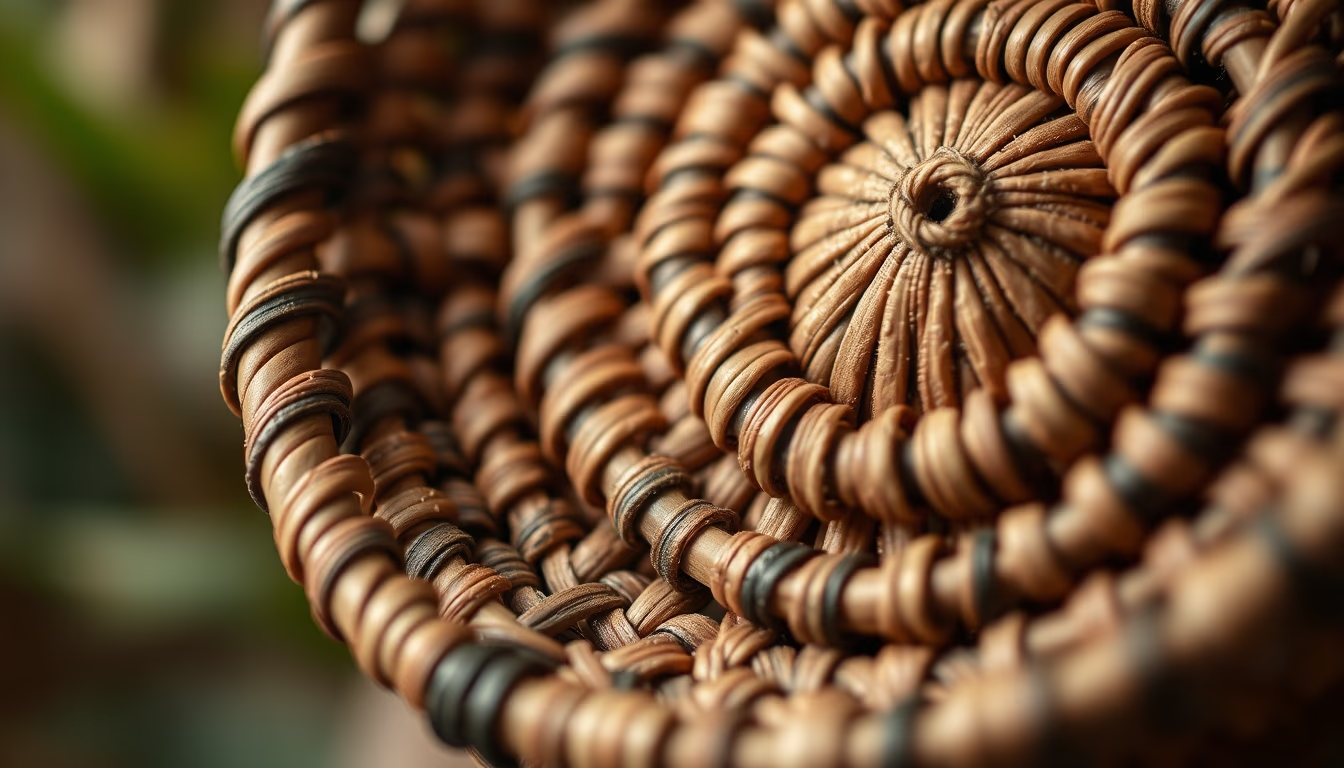
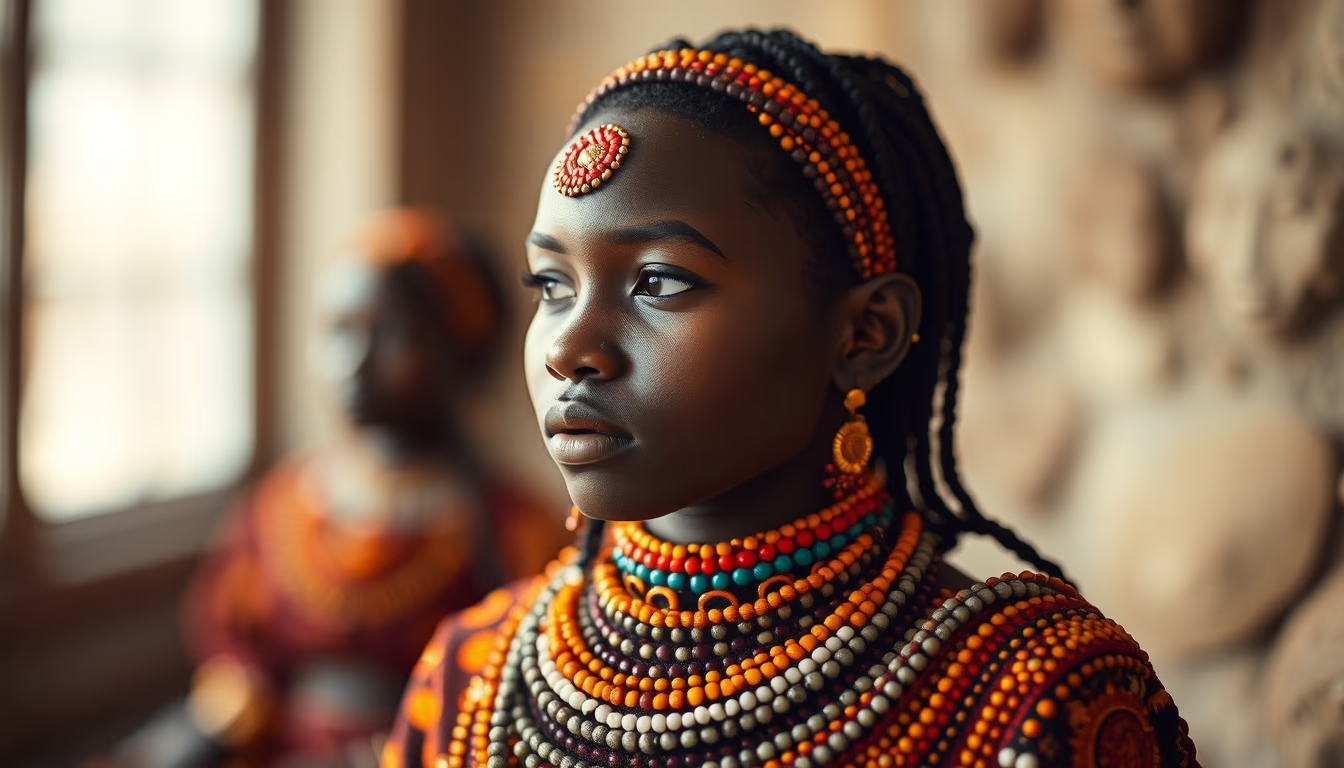
Navajo blanket patterns blend millennia-old textile tradition, geometric symbolism, and handcraft techniques passed down through generations.
About this subject
Navajo blankets are among the most iconic expressions of Native American textile art. Originating from the Diné (Navajo) people, who inhabit the southwestern United States (Arizona, Utah, New Mexico, Colorado), these textiles were traditionally made from Churro sheep wool, introduced by Spanish colonists in the 17th century. Weaving, a female-only activity among the Navajo, uses a vertical loom and dyes from natural sources like plants, minerals, and insects.
The hallmark geometric patterns include diamonds, zigzags, triangles, and stripes, often representing elements of Navajo cosmology: sacred mountains, lightning, rainbows, and Mother Earth. Colors like red, blue, black, white, and yellow hold spiritual and ritual meanings. Blankets served not only as household items but also as garments, ceremonial robes, and trade goods. By the 19th century, with the arrival of railroads, designs incorporated commercial influences while retaining cultural identity.
Each piece is unique, handwoven in processes that can take months. Pattern precision requires years of practice. The Navajo developed regional styles such as the "Chief Blanket" with horizontal bands and stepped motifs, and the "Germantown" style influenced by imported wool from Germany. Today, Navajo blankets are collected by museums and valued as Indigenous art; their technique has been recognized as an Intangible Cultural Heritage by the state of Arizona.
Frequently Asked Questions
What do the geometric patterns on Navajo blankets mean?
Patterns like diamonds and zigzags represent Navajo cosmology elements such as sacred mountains, lightning, and rainbows. Each shape and color carries spiritual symbolism and a connection to nature.
How are Navajo blankets made?
They are handwoven on a vertical loom by Navajo women, using Churro sheep wool and natural dyes. The process can take months and requires great skill to achieve precise patterns.
Are Navajo blankets used only for decoration?
Originally, they served as garments, ceremonial robes, and trade goods. Today, they are highly valued as art and collectibles, but still hold cultural and ceremonial importance.
Direct URL
https://pub-c7d6a6ea828543ac903a74a341ccb2e1.r2.dev/imagens/navajo-blanket-pattern-film-grain-authentic-fresh10.avifHow to credit
Include a visible link back to UtilizAí. Copy one of the snippets below:
<a href="https://xn--utiliza-eza.com/en/midia/imagens/navajo-blanket-pattern-film-grain-authentic-fresh10">Navajo blanket pattern</a> by <a href="https://xn--utiliza-eza.com">UtilizAí</a>, licensed under <a href="https://creativecommons.org/licenses/by/4.0/">CC BY 4.0</a>.
[Navajo blanket pattern](https://xn--utiliza-eza.com/en/midia/imagens/navajo-blanket-pattern-film-grain-authentic-fresh10) by [UtilizAí](https://xn--utiliza-eza.com), CC BY 4.0
License: CC-BY-4.0