Maori carving pacific
1344×768 · AVIF · CC BY 4.0
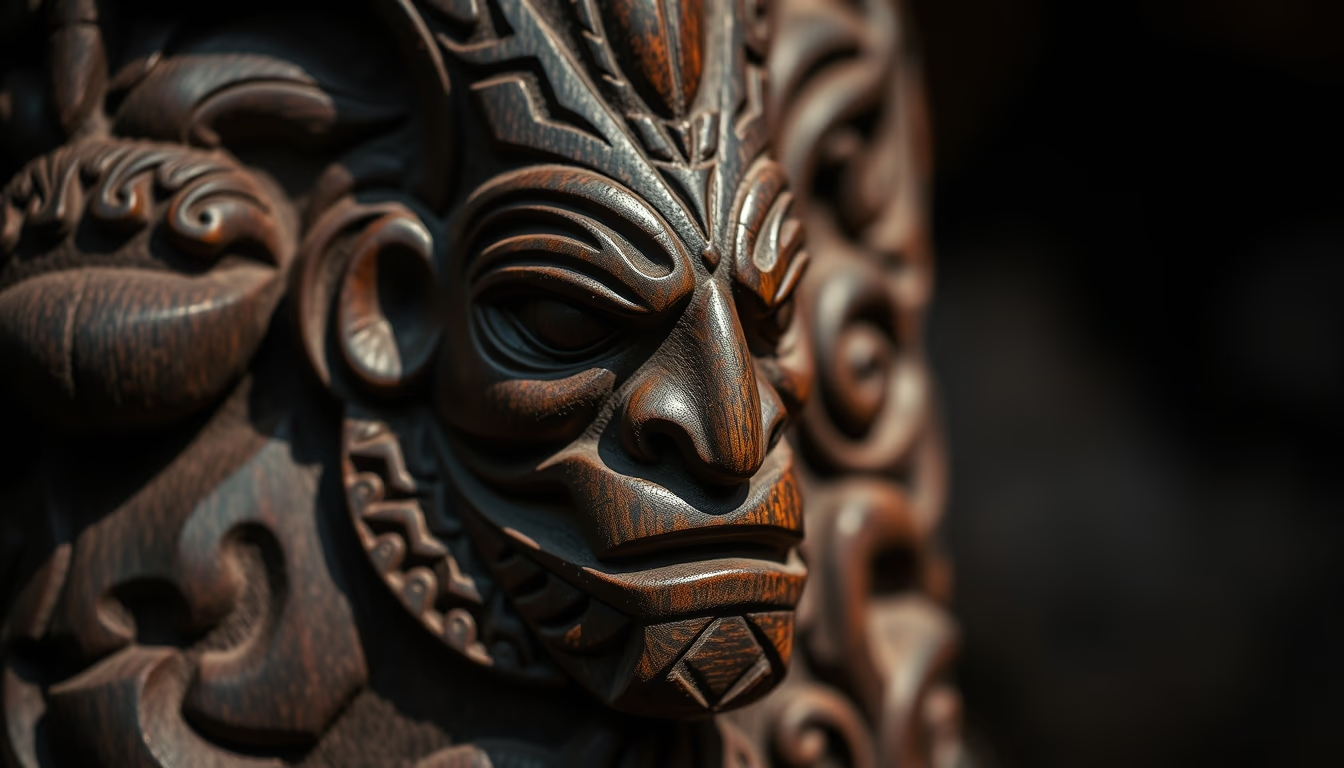
The art of Maori carving, known as whakairo, is a fundamental cultural expression of the indigenous people of New Zealand, rich in symbolism and history.
About this subject
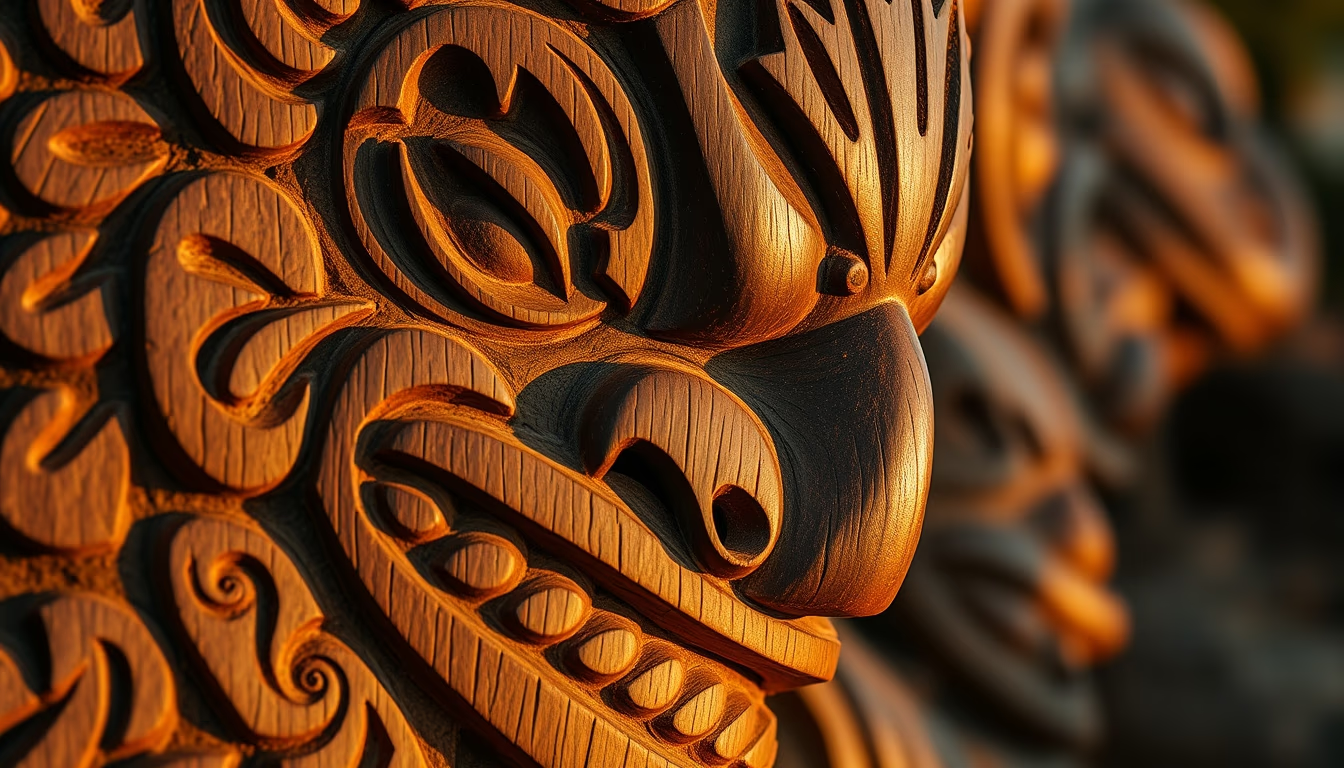
Maori carving, or whakairo, is an ancient artistic tradition dating back to the first Polynesian settlers of New Zealand. Each piece is hand-carved using tools of stone, bone, or metal, primarily from native woods such as kauri and totara. The motifs represent ancestors, deities, and natural elements, with prominent figures like the tiki (a symbol of fertility and protection) and the manaia (a mythical guardian creature).
Whakairo play a central role in marae, the community meeting grounds. The carved beams of wharenui (meeting houses) recount genealogies and tribal histories, connecting present generations to their ancestors. Every carving has specific meaning: curves represent the cycle of life, spirals signify spiritual growth, and geometric patterns denote connection to the cosmos. The technique requires years of training and is passed down orally by master carvers (tohunga whakairo).
Beyond wood, Maori also carved in jade (pounamu), bone, and stone to create personal adornments and ceremonial tools. The hei tiki, a jade pendant, is one of the most recognizable symbols of Maori culture, worn as a good luck charm and status symbol. Today, Maori carving is experiencing a revival, with contemporary artists blending traditional techniques into modern works, preserving cultural identity and gaining international recognition.
Frequently Asked Questions
What does a Maori tiki carving symbolize?
The tiki is a stylized human figure that symbolizes fertility, protection, and good luck. In Maori culture, it represents the first man, Tiki, and is often worn as a pendant or carved in larger works.
What materials are used in traditional Maori carving?
Traditional materials include wood (such as kauri and totara), jade (pounamu), whale bone, and stone. Each material holds spiritual significance and is chosen according to the piece's purpose.
What is the importance of carvings in a marae?
Carvings in the marae, especially in the wharenui (meeting house), tell the tribe's (iwi) history and lineages. They serve as visual records that educate younger generations and honor ancestors.
Direct URL
https://pub-c7d6a6ea828543ac903a74a341ccb2e1.r2.dev/imagens/maori-carving-pacific-magazine-editorial-fresh4.avifHow to credit
Include a visible link back to UtilizAí. Copy one of the snippets below:
<a href="https://xn--utiliza-eza.com/en/midia/imagens/maori-carving-pacific-magazine-editorial-fresh4">Maori carving pacific</a> by <a href="https://xn--utiliza-eza.com">UtilizAí</a>, licensed under <a href="https://creativecommons.org/licenses/by/4.0/">CC BY 4.0</a>.
[Maori carving pacific](https://xn--utiliza-eza.com/en/midia/imagens/maori-carving-pacific-magazine-editorial-fresh4) by [UtilizAí](https://xn--utiliza-eza.com), CC BY 4.0
License: CC-BY-4.0