Maori carving pacific
1344×768 · AVIF · CC BY 4.0
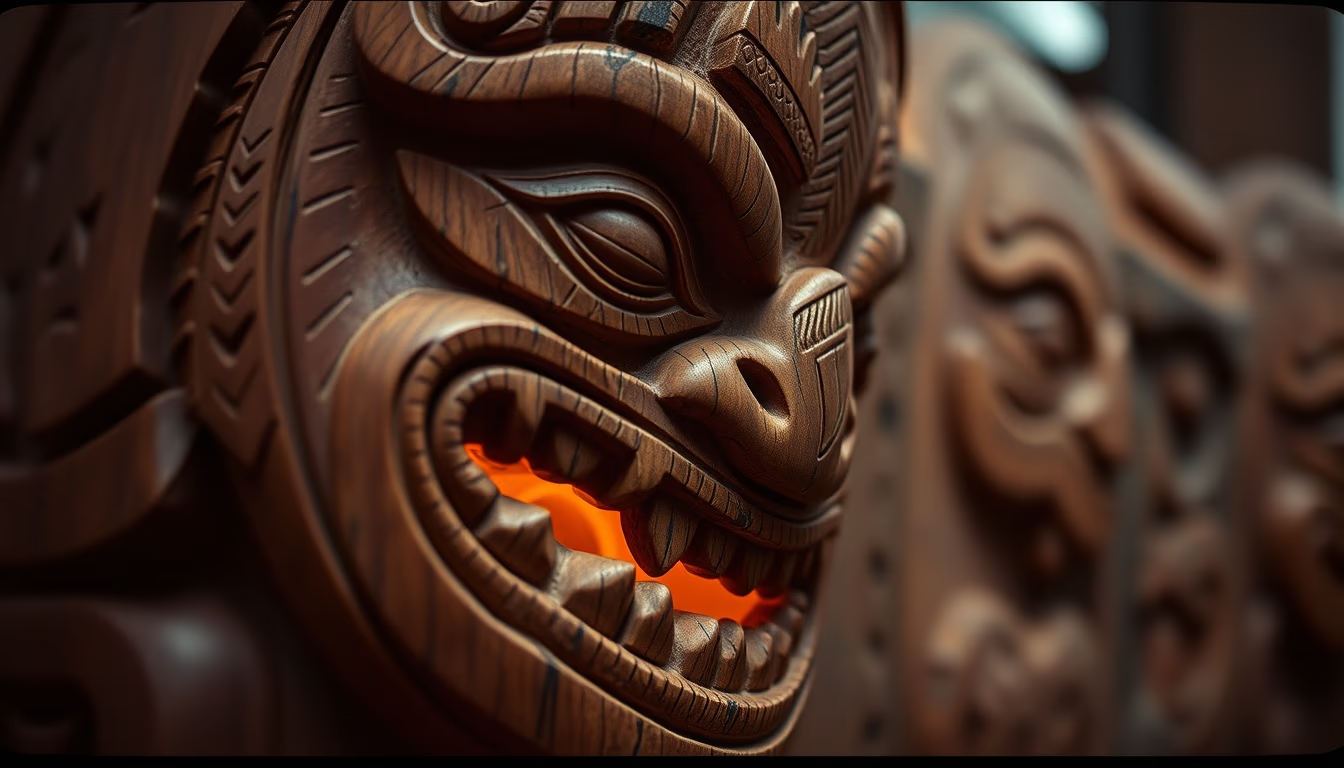
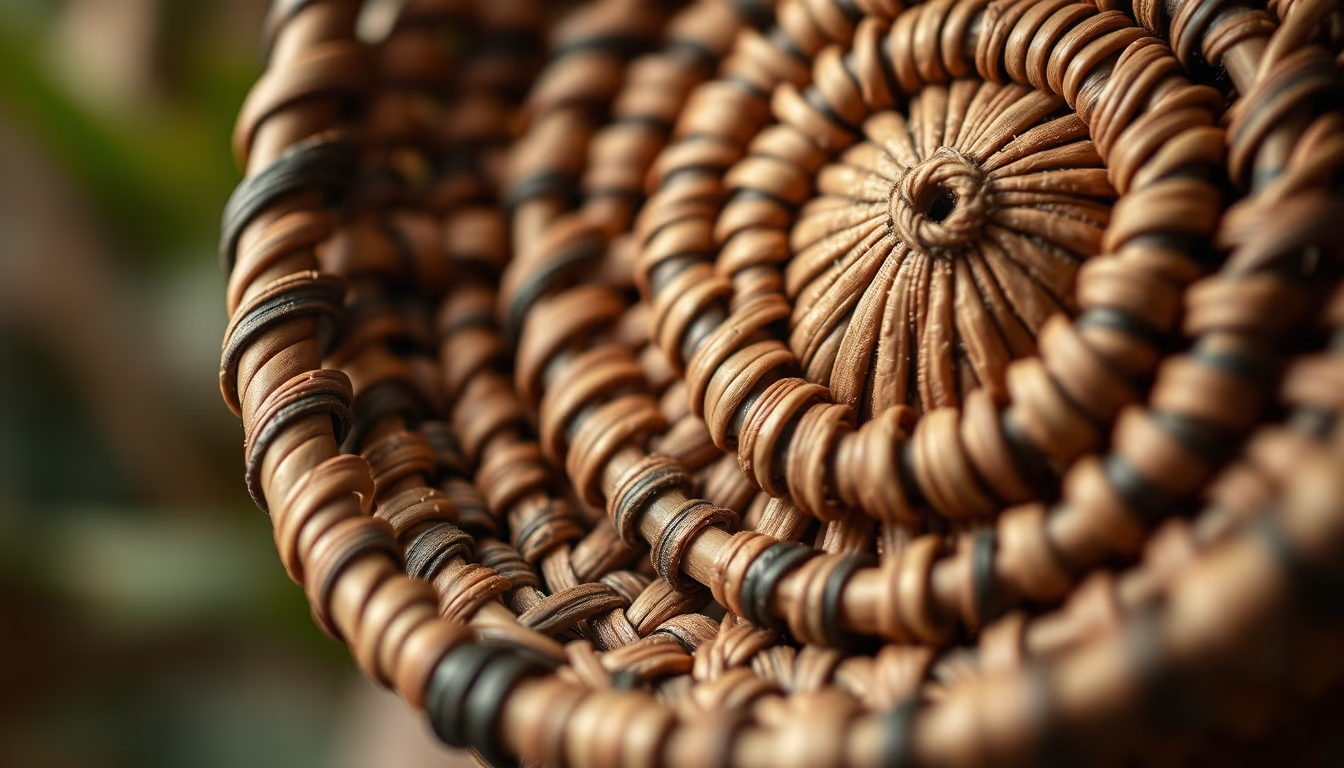
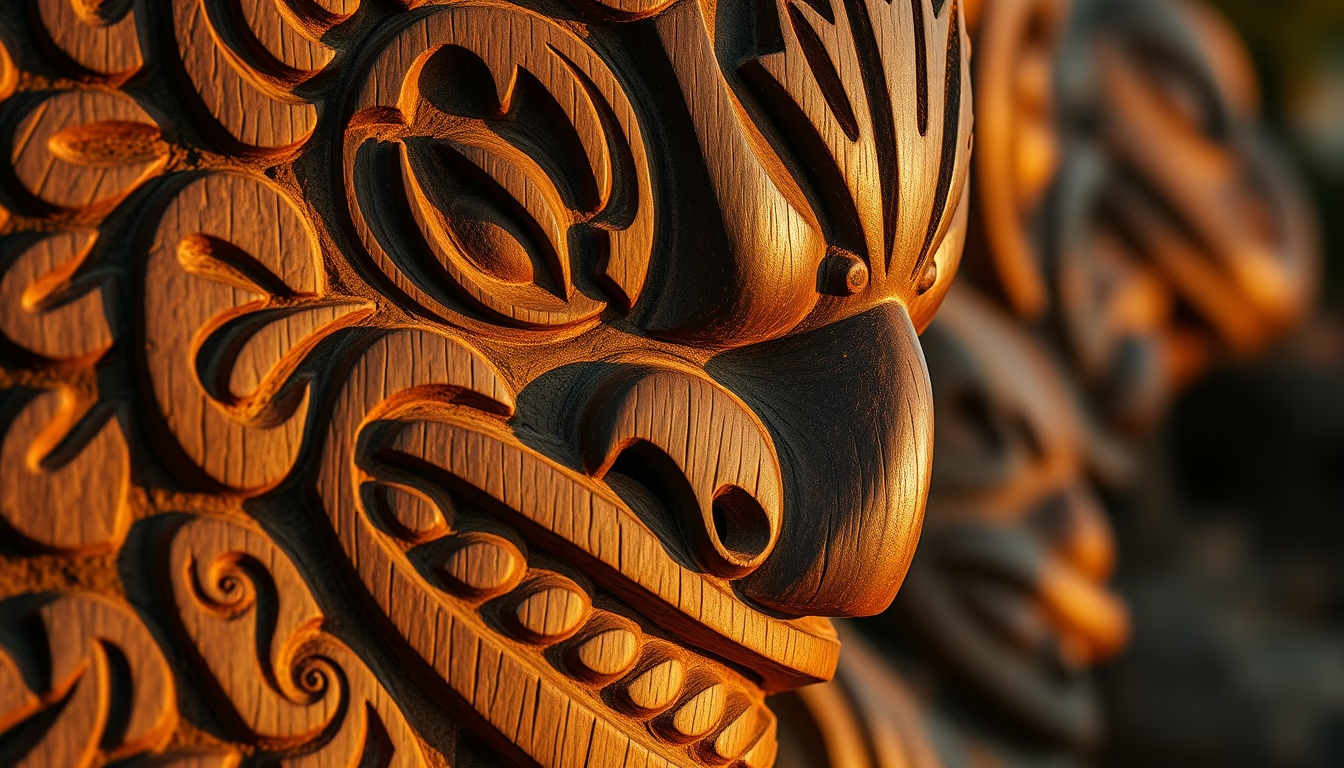
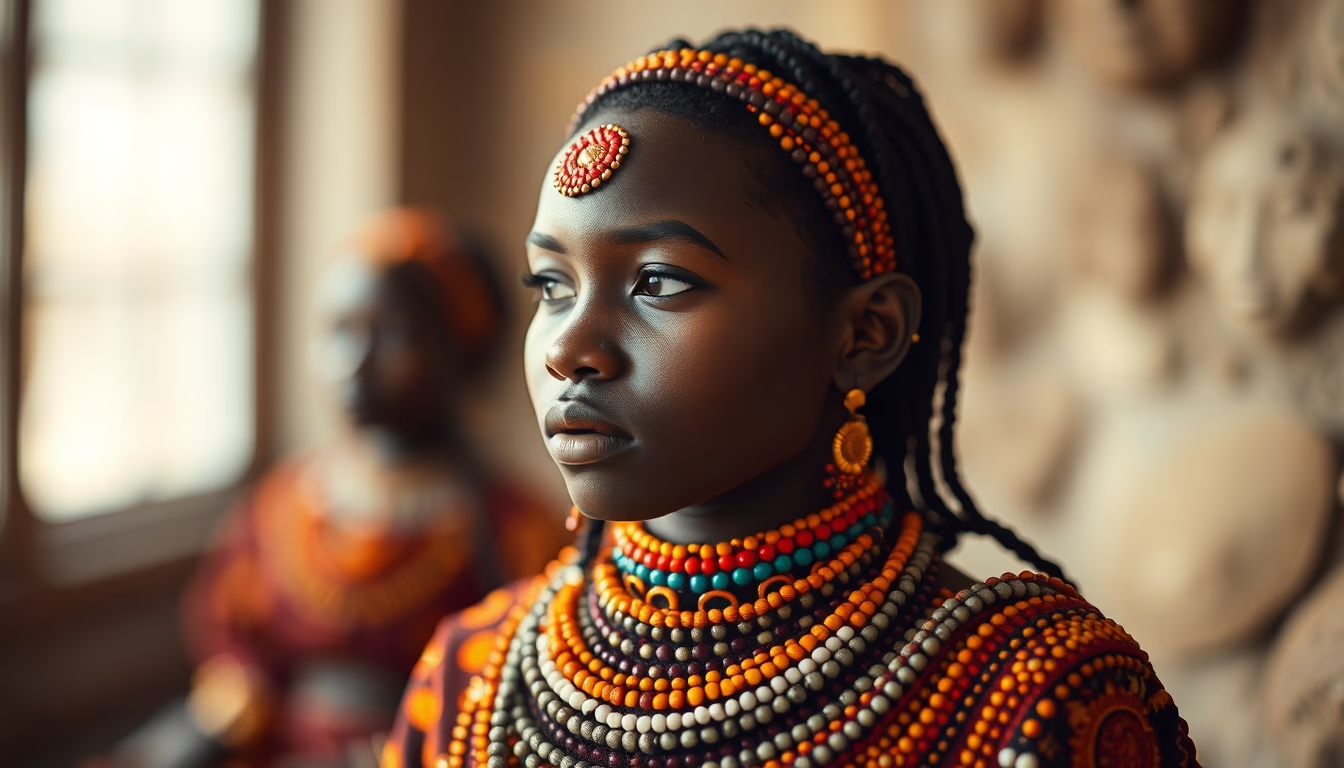
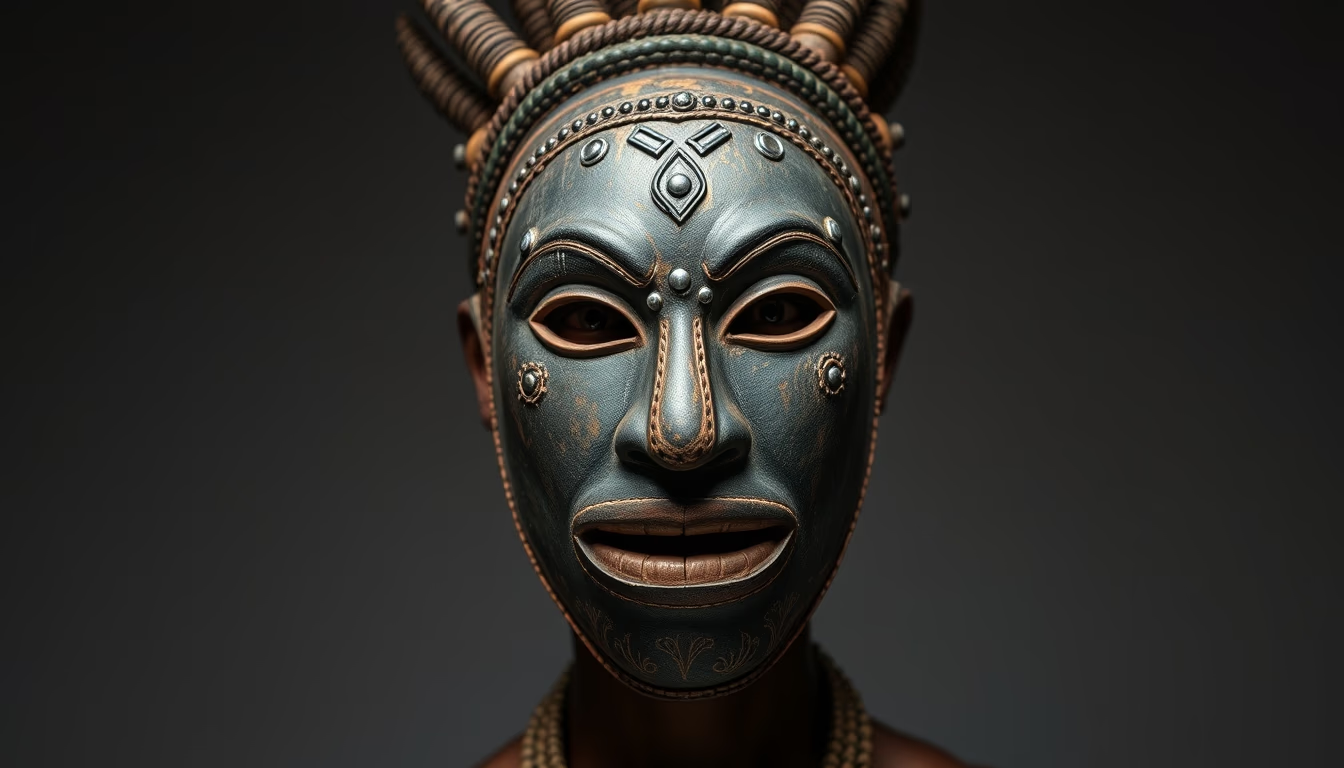
Maori carving (whakairo) is a sacred art that recounts genealogies and myths, essential to Pacific culture.
About this subject
Maori carving, known as whakairo, is one of the most expressive artistic manifestations of Polynesia. Using wood, bone, stone, and especially pounamu (New Zealand greenstone), Maori artisans carve figures representing ancestors, gods, and mythological beings. Each piece carries deep spiritual and social significance, serving as a genealogical record and visual narrative of oral traditions.
Wood carvings are the most common, found in meeting houses (wharenui), war canoes (waka taua), and ceremonial objects. The traditional technique involves using stone or bone chisels, with the process surrounded by rituals and taboos (tapu). The carver, a tohunga whakairo, possesses ancestral knowledge passed down through generations. The spirals and sinuous forms, such as the manaia figure (a creature with a bird's head, human body, and fish tail), are distinctive features.
In the Pacific context, Maori art shares roots with other Polynesian cultures, such as Marquesas and Hawaiian, but developed a unique style, with a greater emphasis on curvilinear details. The wood used is often totara (Podocarpus totara), native to New Zealand, durable and suitable for fine carving. Today, whakairo is experiencing a revival, with contemporary artists reinterpreting traditional symbols in new materials, keeping the connection to ancestors alive.
Frequently Asked Questions
What materials are used in Maori carving?
Traditional materials include wood (especially totara), whale bone, stone, and pounamu (greenstone). Today, hardwoods and modern tools are also used, but the sacred essence remains.
What do the carved figures represent?
They represent ancestors, gods, mythological beings like the manaia, and tell stories of genealogy and important events. Each carving has a specific spiritual or social purpose.
What is the traditional carving process?
The carver (tohunga whakairo) uses stone or bone chisels, following rituals and observing taboos (tapu). The work is slow and meticulous, passing knowledge from generation to generation.
Direct URL
https://pub-c7d6a6ea828543ac903a74a341ccb2e1.r2.dev/imagens/maori-carving-pacific-lo-fi-disposable-camera-fresh10.avifHow to credit
Include a visible link back to UtilizAí. Copy one of the snippets below:
<a href="https://xn--utiliza-eza.com/en/midia/imagens/maori-carving-pacific-lo-fi-disposable-camera-fresh10">Maori carving pacific</a> by <a href="https://xn--utiliza-eza.com">UtilizAí</a>, licensed under <a href="https://creativecommons.org/licenses/by/4.0/">CC BY 4.0</a>.
[Maori carving pacific](https://xn--utiliza-eza.com/en/midia/imagens/maori-carving-pacific-lo-fi-disposable-camera-fresh10) by [UtilizAí](https://xn--utiliza-eza.com), CC BY 4.0
License: CC-BY-4.0