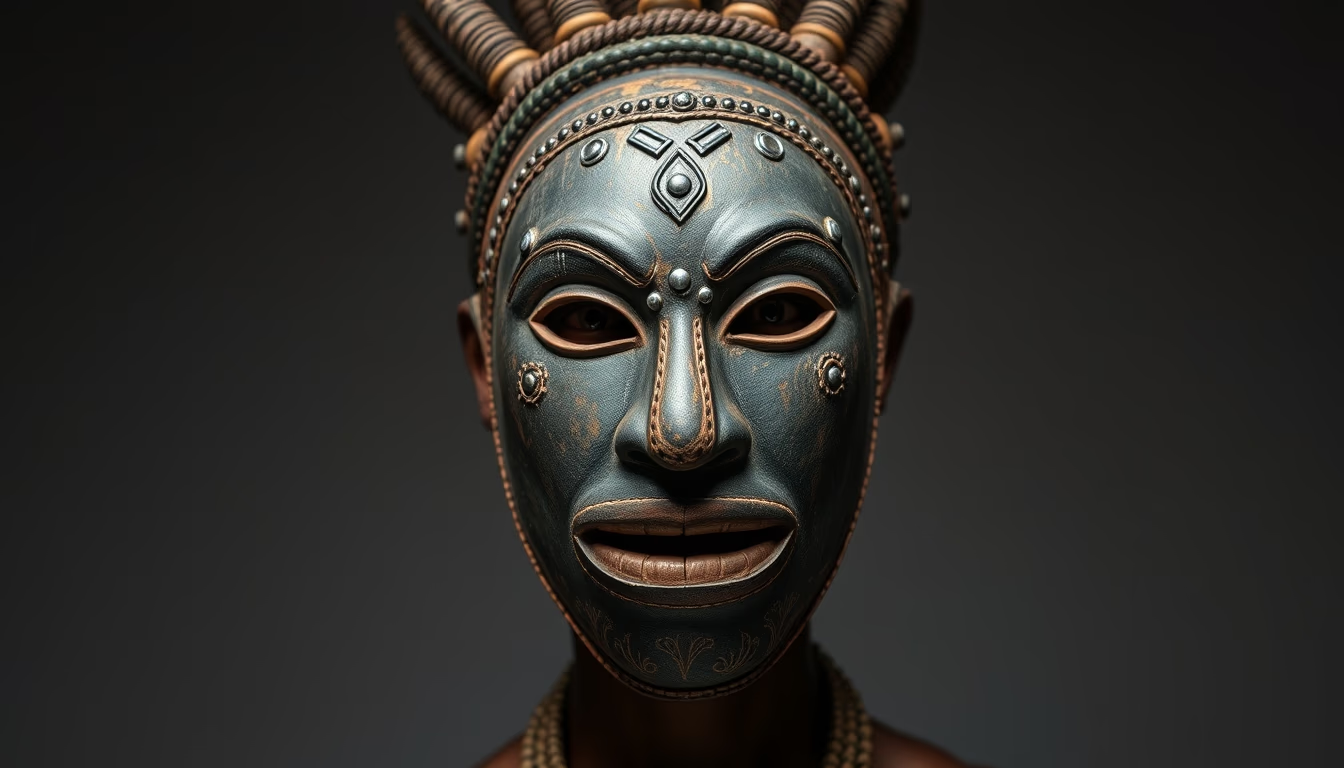
Maori carving pacific
1344×768 · AVIF · CC BY 4.0
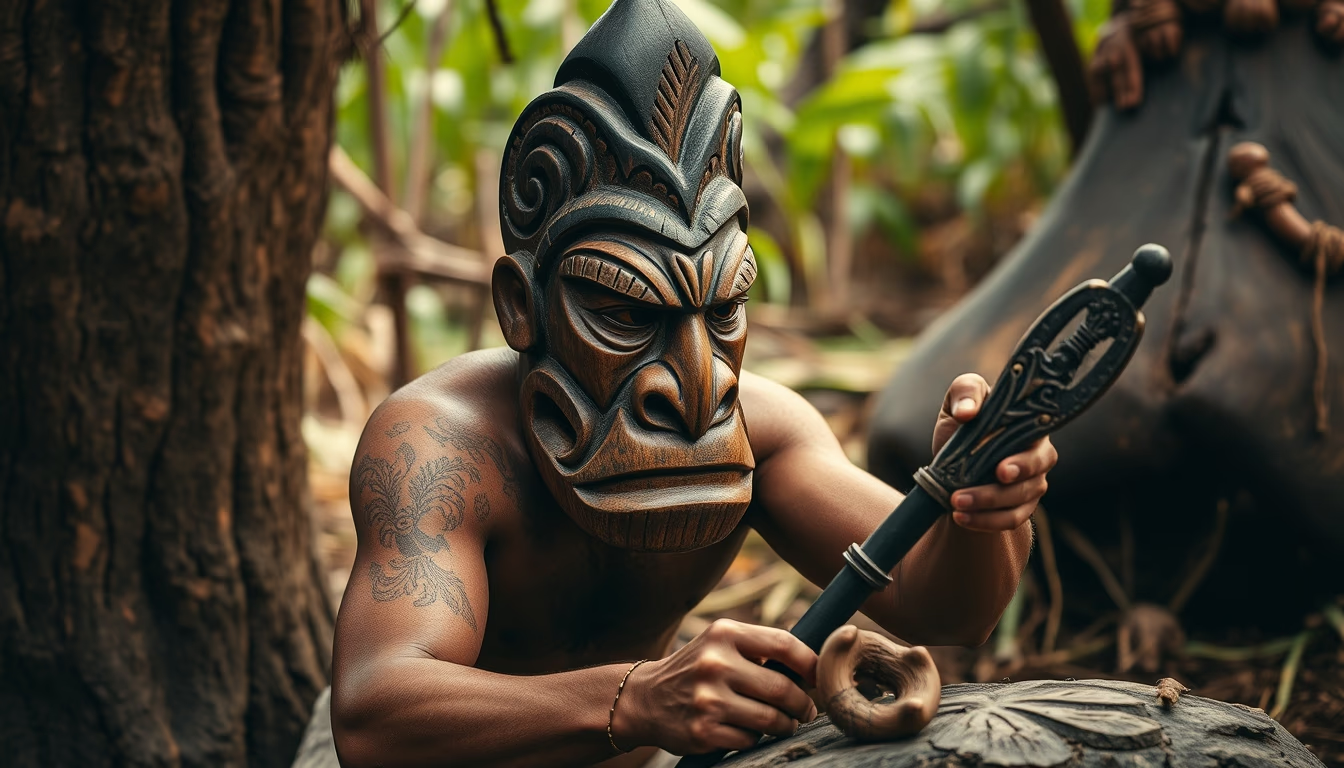
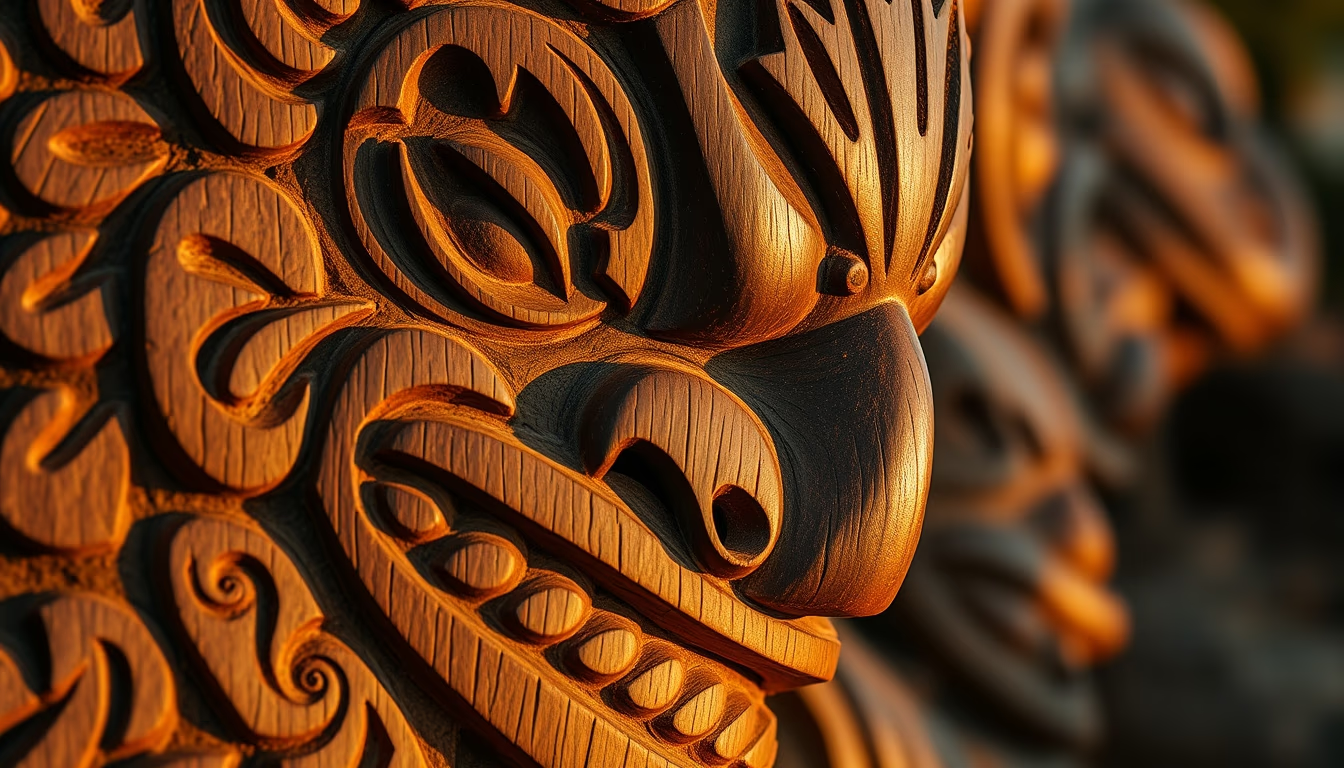
Maori carvings represent one of the most expressive forms of indigenous art in the Pacific, combining spiritual symbolism with technical skills passed down through generations.
About this subject
Maori carvings, known as whakairo, are a sacred art form that dates back to the first settlers of New Zealand (Aotearoa). Traditionally carved from wood, bone, stone, and pounamu (greenstone), these objects carry deep spiritual and genealogical meanings. The most emblematic pieces include the panels of meeting houses (wharenui), canoe prows (waka), and ceremonial weapons like the taiaha. Each carving is a visual narrative that tells the story of ancestors, gods, and important events, serving as a link between the material and spiritual worlds.
Carving techniques are passed down orally from master to apprentice, and motifs follow strict patterns. Among the most common are double spirals (koru), symbolizing life and rebirth, and human figures with protruding tongues (pūkana), representing challenge and strength. The manaia, a mythological creature with a bird's body and human head, is a recurring motif that offers protection against evil. Every element has a specific meaning, and the entire composition must respect tribal (iwi) traditions, as carvings are considered taonga (treasures) that carry the group's mana (prestige).
Geographically, Maori art is situated within the Polynesian context but developed unique features due to New Zealand's isolation. Unlike the sculptures of Easter Island or the Cook Islands, Maori whakairo emphasizes symmetry, pattern repetition, and integration with architecture. The use of pounamu, a jadeite found only in the South Island, is especially prized and reserved for high-status objects such as hei-tiki pendants. Today, Maori carving art is experiencing a revival, with contemporary artists incorporating ancestral techniques into new media, keeping the cultural identity alive.
Frequently Asked Questions
What materials are used in Maori carvings?
Maori carvings are traditionally made from wood (such as totara and kauri), whale bone, stone, and pounamu (greenstone), a jadeite found only in New Zealand.
What is the meaning of the spirals in Maori carvings?
The spirals, called koru, symbolize the cycle of life, rebirth, and continuity. They are inspired by the shape of an unfurling fern frond.
Where can I see Maori carvings today?
You can see whakairo in maraes (ceremonial complexes), museums such as the Museum of New Zealand Te Papa Tongarewa in Wellington, and in indigenous art galleries across the Pacific.
Direct URL
https://pub-c7d6a6ea828543ac903a74a341ccb2e1.r2.dev/imagens/maori-carving-pacific-documentary-nature-style-fresh6.avifHow to credit
Include a visible link back to UtilizAí. Copy one of the snippets below:
<a href="https://xn--utiliza-eza.com/en/midia/imagens/maori-carving-pacific-documentary-nature-style-fresh6">Maori carving pacific</a> by <a href="https://xn--utiliza-eza.com">UtilizAí</a>, licensed under <a href="https://creativecommons.org/licenses/by/4.0/">CC BY 4.0</a>.
[Maori carving pacific](https://xn--utiliza-eza.com/en/midia/imagens/maori-carving-pacific-documentary-nature-style-fresh6) by [UtilizAí](https://xn--utiliza-eza.com), CC BY 4.0
License: CC-BY-4.0