Inuit sculpture stone
1344×768 · AVIF · CC BY 4.0
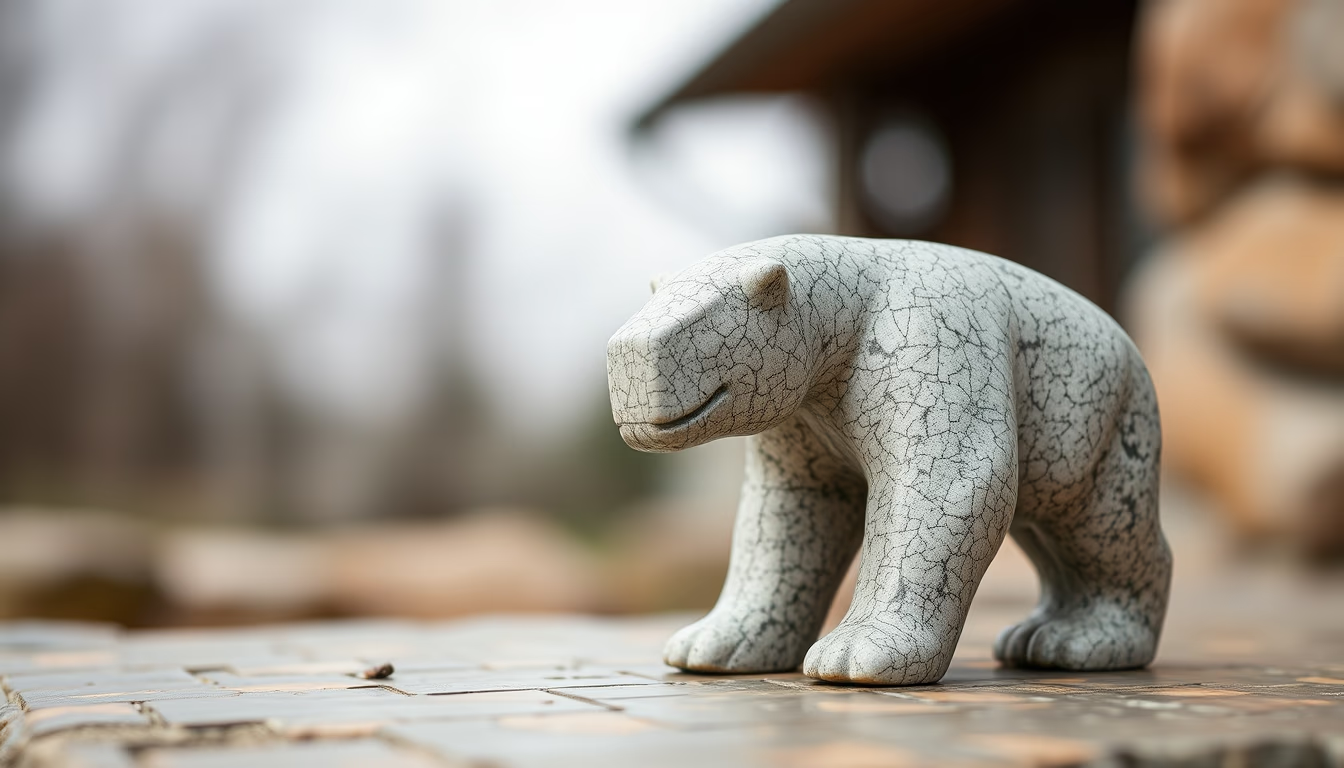
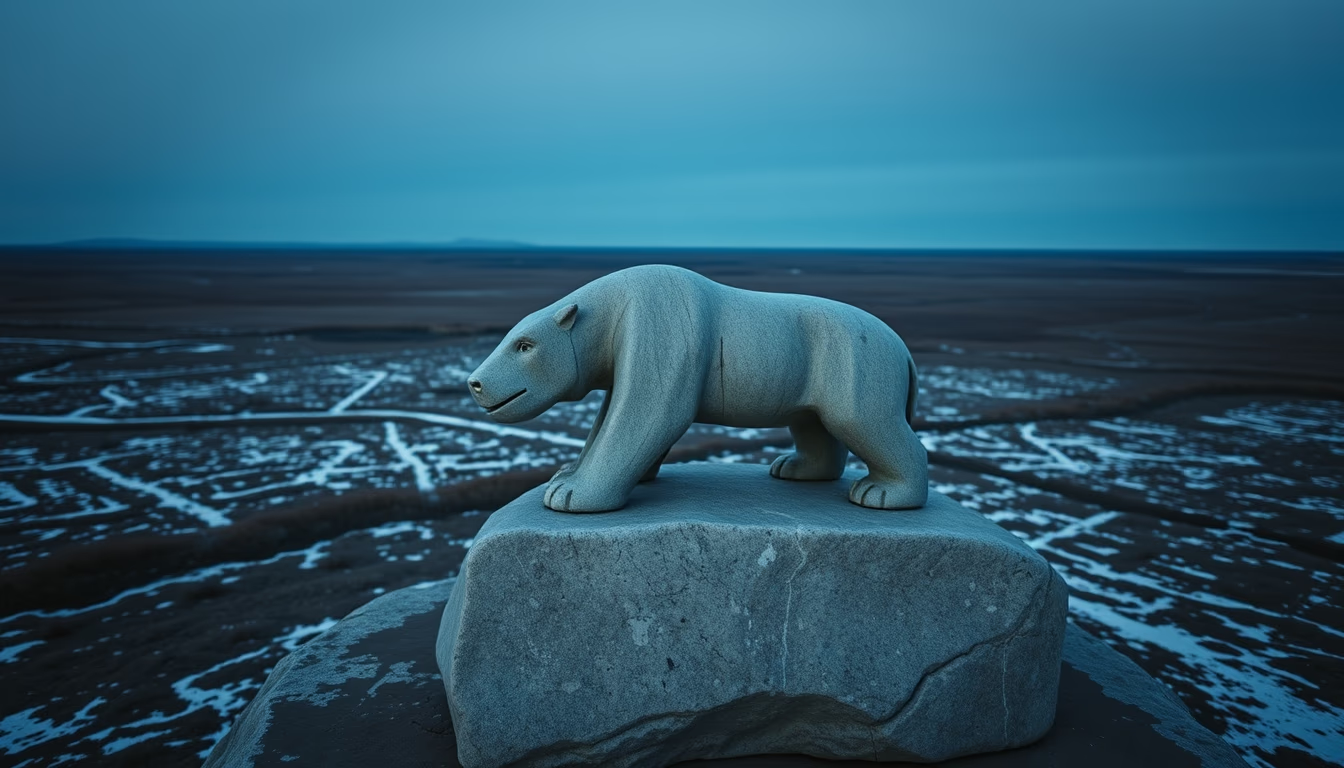
Inuit stone sculpture is an ancient art form that expresses the culture and spirituality of the Inuit people, using local materials such as soapstone.
About this subject
Inuit stone carving, traditionally practiced by the Inuit peoples of Canadian Arctic, Greenland, Alaska and Russia, is one of the most recognized indigenous art forms worldwide. Using mainly soapstone, serpentine and argillite, artists carve figures representing animals such as polar bears, seals, walruses and birds, as well as hunters, shamans and spiritual elements. The tradition dates back thousands of years, when utilitarian objects like lamps and harpoon heads were carved; with European contact, the art evolved into commercial pieces.
The carving technique is transmitted orally and involves hand tools like files, knives and chisels, followed by sanding and wax polishing. Each region developed distinct styles: in Hudson Bay, pieces are more robust and naturalistic; in eastern Arctic, carvings are more detailed and stylized. Notable artists include Kenojuak Ashevak, known for her prints and owl sculptures; and Pauta Saila, famous for his dancing polar bears. Contemporary works often address themes of identity, climate change and cultural preservation.
Inuit stone sculpture is not merely decorative art; it is a medium to convey ancestral knowledge, mythology and the deep connection with the icy environment. Many pieces are meant to be held and touched, inviting tactile interaction that reveals subtle details of the stone's texture. The indigenous art market values these sculptures, which can fetch high prices at auctions, though artists often face economic challenges. Authenticity is guaranteed by cooperative marks and signatures in Inuktitut syllabics.
Frequently Asked Questions
What materials are most commonly used in Inuit carving?
The primary materials are soapstone, serpentine and argillite. These stones are relatively soft and easy to carve with hand tools, and are abundant in the Arctic region.
How do Inuit artists learn to carve?
The technique is passed down orally from generation to generation, often within families or communities. Young people observe and practice with experienced relatives, learning to select stone, sketch the form and polish the final piece.
What is the cultural significance of Inuit sculptures?
The sculptures represent the Inuit's spiritual connection to nature, animals and spirits. They tell mythological stories, document traditional ways of life, and serve as an affirmation of cultural identity in a changing world.
Direct URL
https://pub-c7d6a6ea828543ac903a74a341ccb2e1.r2.dev/imagens/inuit-sculpture-stone-tilt-shift-miniature-fresh13.avifHow to credit
Include a visible link back to UtilizAí. Copy one of the snippets below:
<a href="https://xn--utiliza-eza.com/en/midia/imagens/inuit-sculpture-stone-tilt-shift-miniature-fresh13">Inuit sculpture stone</a> by <a href="https://xn--utiliza-eza.com">UtilizAí</a>, licensed under <a href="https://creativecommons.org/licenses/by/4.0/">CC BY 4.0</a>.
[Inuit sculpture stone](https://xn--utiliza-eza.com/en/midia/imagens/inuit-sculpture-stone-tilt-shift-miniature-fresh13) by [UtilizAí](https://xn--utiliza-eza.com), CC BY 4.0
License: CC-BY-4.0