Inuit sculpture stone
1344×768 · AVIF · CC BY 4.0
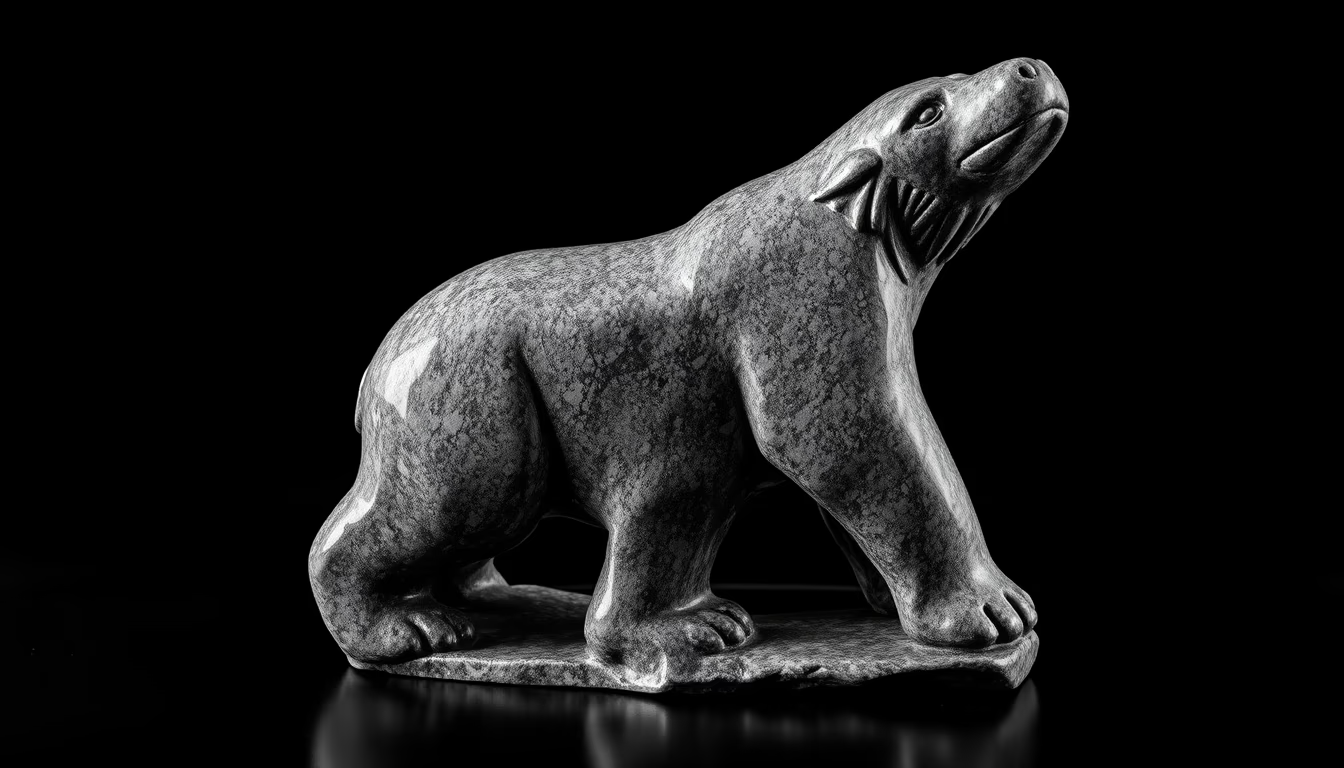
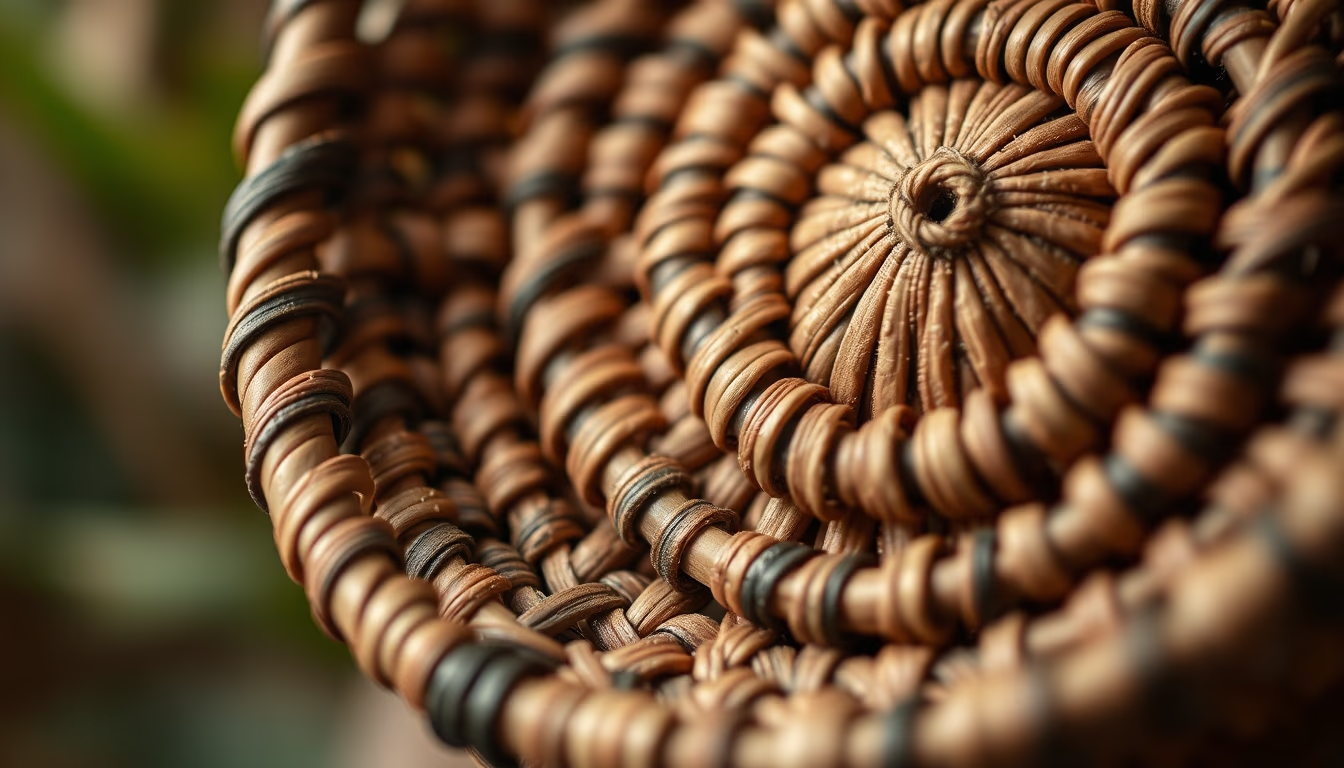
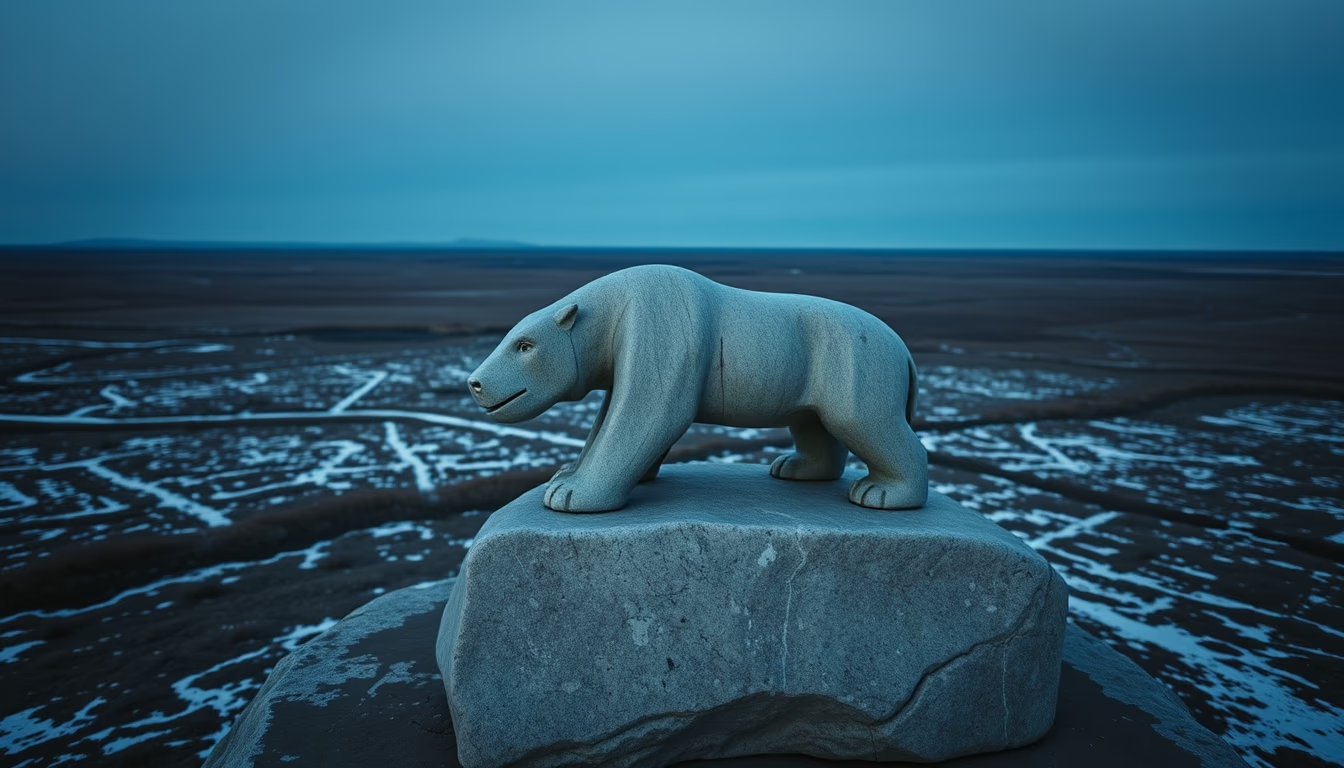
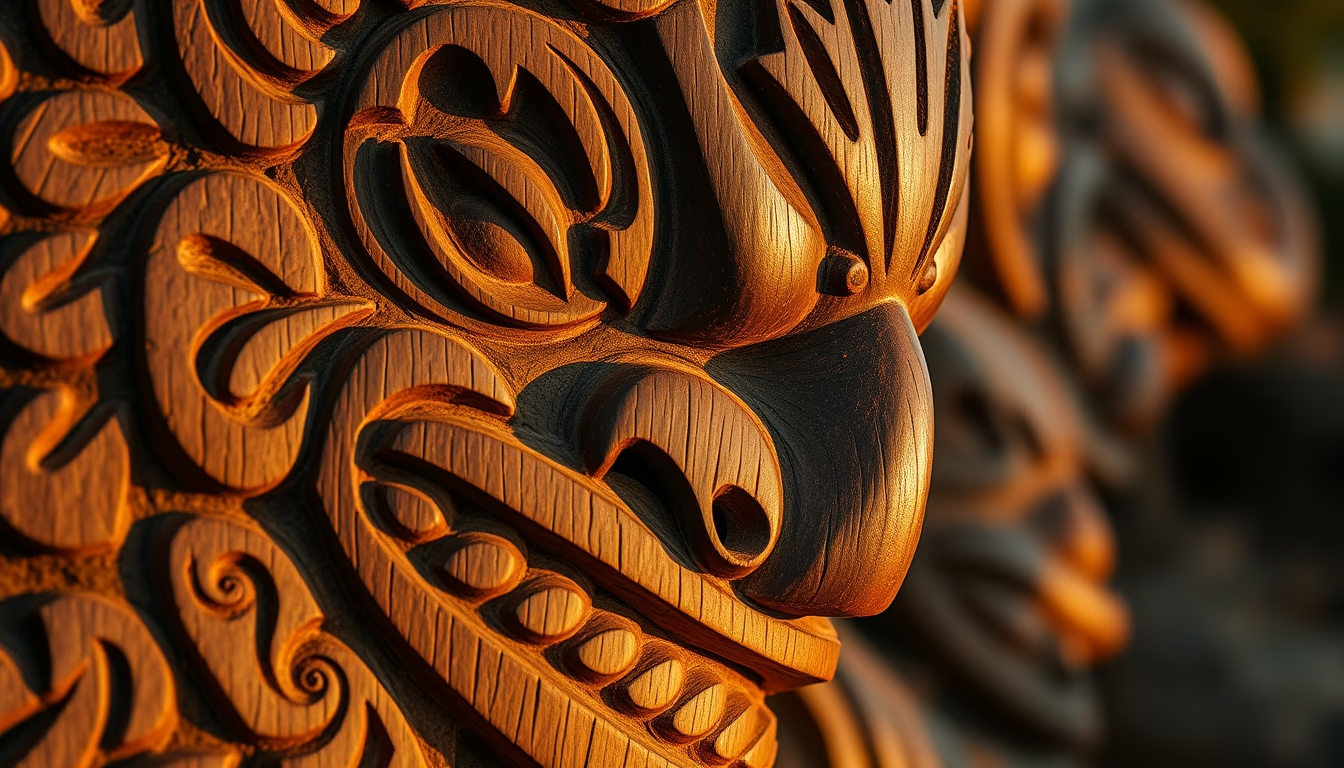
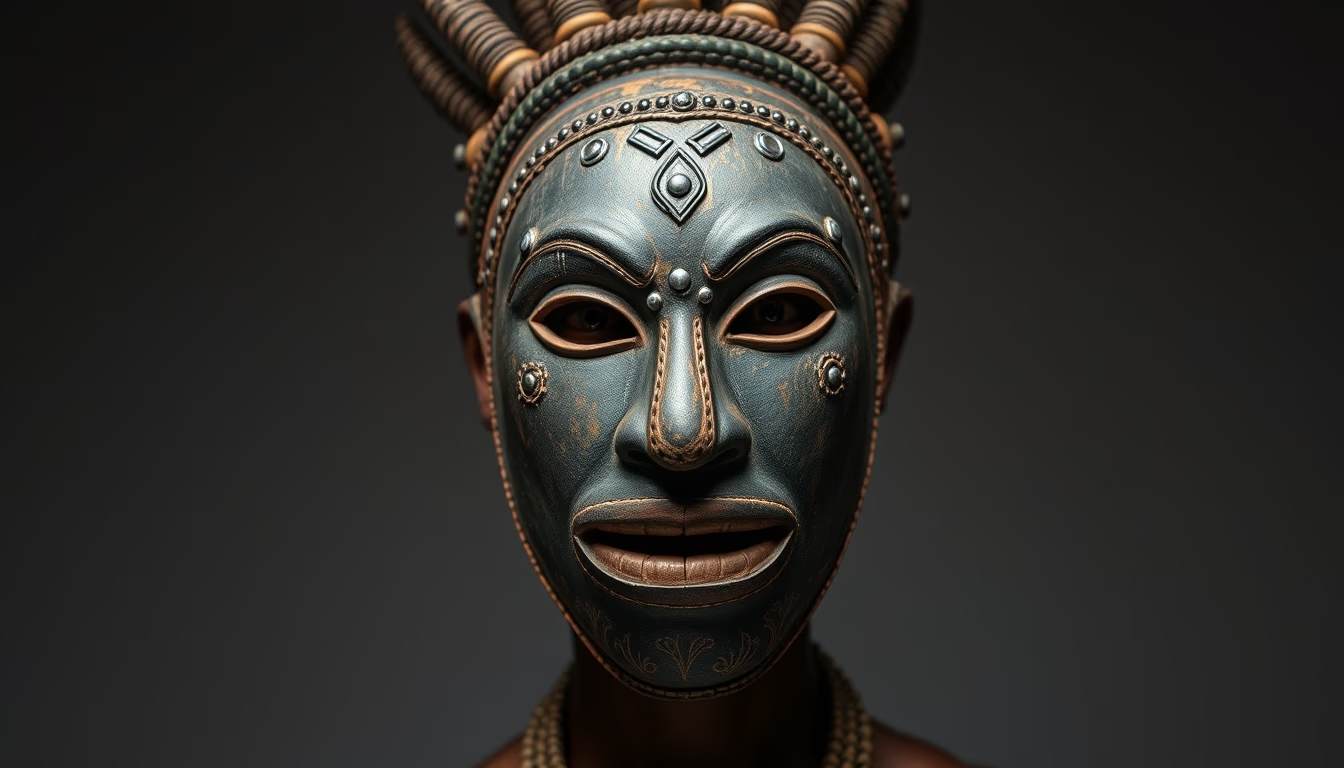
Inuit stone carvings, traditionally in soapstone, depict animals, spirits, and Arctic daily life, carrying deep cultural significance.
About this subject
Inuit stone carving is an ancient art form originating in the Canadian Arctic regions (Nunavut, Northwest Territories, Nunavik, and Labrador). Artists primarily use soapstone (steatite), serpentine, and argillite, soft stones that allow detailed carving with hand tools. Each piece is carved from a single block, without adding parts, reflecting the tradition of working with what the land provides.
Common themes include local animals such as polar bears, seals, walruses, seabirds, and caribou, as well as human figures engaged in traditional activities like hunting, fishing, or building igloos. Spirit figures and mythological beings are also frequent, such as Sedna (the sea goddess) and the Tuniit (ancient Arctic inhabitants). Each carving tells a story, either a legend passed down orally or a moment of daily life, connecting the viewer to the Inuit worldview.
Inuit art gained international recognition in the 1950s when cooperatives were established to market the carvings. Artists like Kenojuak Ashevak (though better known for prints) and Osuitok Ipeelee became iconic. Today, Inuit sculptures are collected worldwide and displayed in museums such as the Canadian Museum of History (Gatineau) and the Montreal Museum of Fine Arts. Authenticity is marked by an igloo tag from the Canadian government, certifying Indigenous origin.
Interesting fact: some Inuit carvings are polished with volcanic ash and seal oil to achieve a dark, silky sheen. The polishing process can take days, resulting in a distinctive luster.
Frequently Asked Questions
What materials are used in Inuit sculptures?
The main materials are soapstone (steatite), serpentine, and argillite. These stones are soft and easy to carve, and are locally sourced in the Arctic.
What is the cultural significance of Inuit carvings?
The carvings represent the Inuit connection to nature, ancestors, and traditions. Each piece may tell a mythological story, record hunting activities, or express spiritual beliefs.
Where can I see authentic Inuit sculptures?
Museums such as the Canadian Museum of History (Gatineau) and the Montreal Museum of Fine Arts have collections. Specialized galleries in Canada and international auctions also offer authenticated pieces.
Direct URL
https://pub-c7d6a6ea828543ac903a74a341ccb2e1.r2.dev/imagens/inuit-sculpture-stone-fine-art-photography-fresh1.avifHow to credit
Include a visible link back to UtilizAí. Copy one of the snippets below:
<a href="https://xn--utiliza-eza.com/en/midia/imagens/inuit-sculpture-stone-fine-art-photography-fresh1">Inuit sculpture stone</a> by <a href="https://xn--utiliza-eza.com">UtilizAí</a>, licensed under <a href="https://creativecommons.org/licenses/by/4.0/">CC BY 4.0</a>.
[Inuit sculpture stone](https://xn--utiliza-eza.com/en/midia/imagens/inuit-sculpture-stone-fine-art-photography-fresh1) by [UtilizAí](https://xn--utiliza-eza.com), CC BY 4.0
License: CC-BY-4.0