Andean textile vivid
1344×768 · AVIF · CC BY 4.0
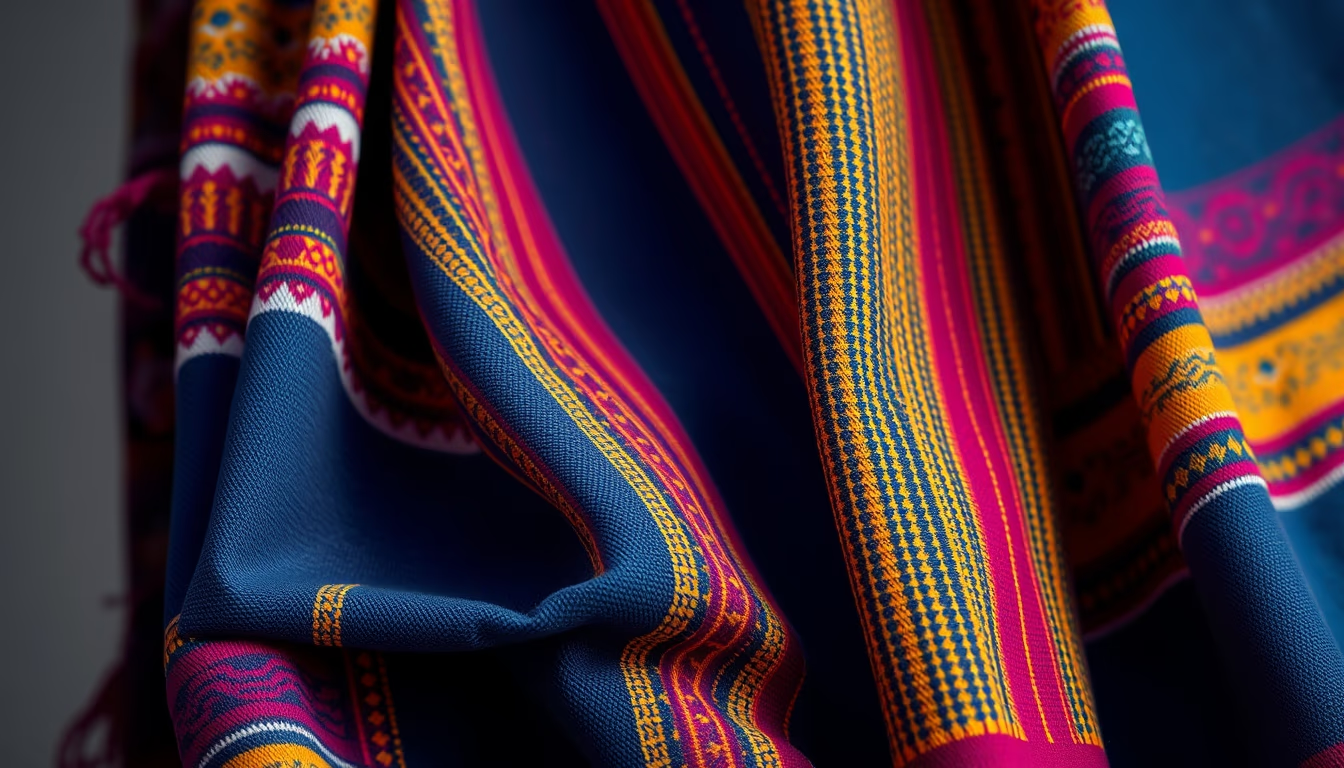
Andean textiles are ancient artistic expressions combining weaving techniques, cultural symbolism, and vibrant colors, representing the identity of peoples such as the Incas and Aymaras.
About this subject
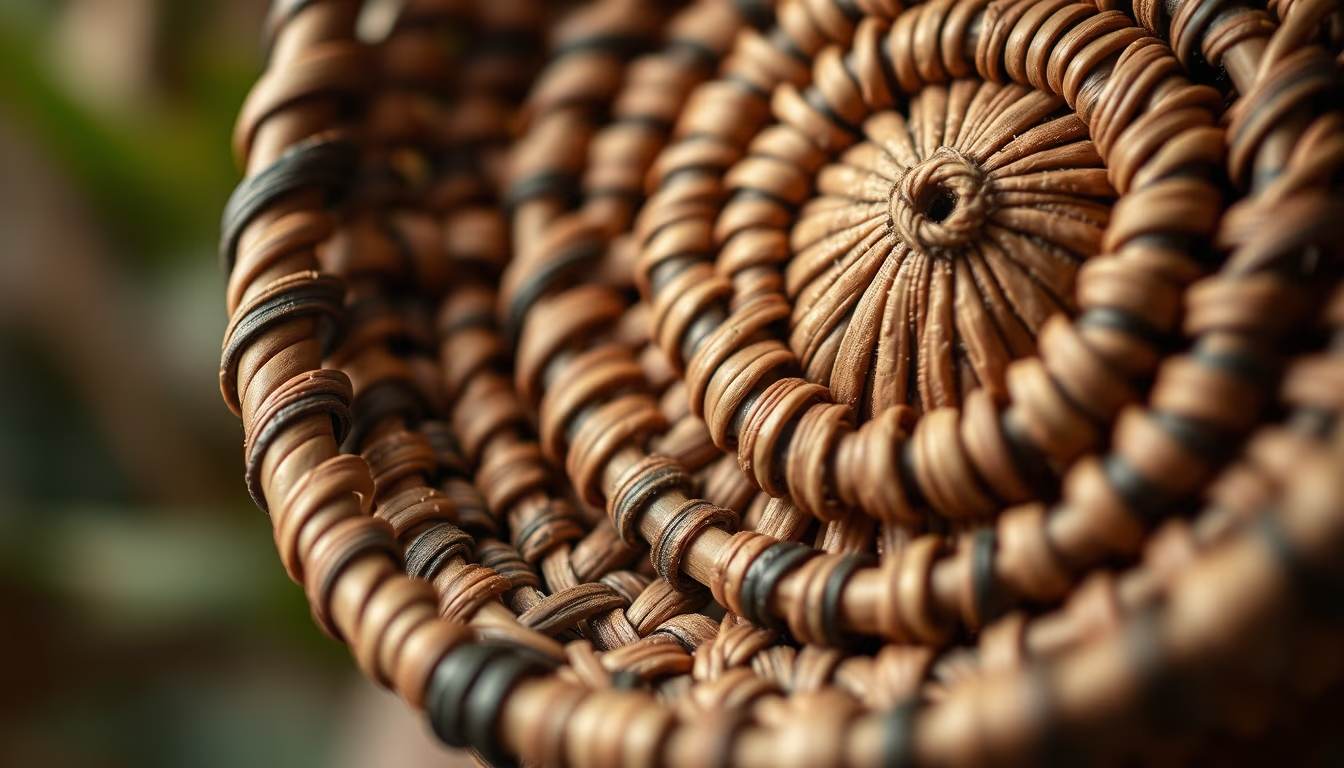
Andean textiles have a history spanning over 10,000 years, with evidence of weaving found in archaeological sites in Peru. They were primarily made from llama, alpaca, and vicuña fibers, as well as native cotton. Techniques included the backstrap loom and vertical loom, enabling the creation of complex geometric patterns and zoomorphic figures. Each color and motif carried meaning: red represented earth and life, blue the sky and gods, while figures like the Andean cross (chakana) symbolized Inca cosmology. During the Inca Empire, textiles served as currency and status symbols, with the finest pieces reserved for nobility and religious rituals. Today, communities in the Peruvian, Bolivian, and Ecuadorian Andes keep these traditions alive, using natural dyes from plants, minerals, and insects like cochineal. UNESCO has recognized the textile art of Taquile, Peru, as Intangible Cultural Heritage of Humanity. The contrast of vibrant colors against neutral backgrounds, typical of these pieces, is often exploited in still life photography to highlight the richness of details and texture of the threads.
Frequently Asked Questions
What are the main materials used in Andean textiles?
The main materials are llama, alpaca, and vicuña fibers, as well as native cotton. These fibers are prized for their softness, durability, and ability to absorb natural dyes.
What do the geometric patterns in Andean textiles mean?
Geometric patterns often represent elements of the Andean worldview, such as the chakana (Andean cross), mountains, rivers, and animals. Each figure has symbolic meaning related to fertility, protection, or divinity.
Are Andean textiles still produced today?
Yes, indigenous communities in the Andes of Peru, Bolivia, and Ecuador continue to produce textiles using ancestral techniques. Many cooperatives promote fair trade to preserve this tradition.
Direct URL
https://pub-c7d6a6ea828543ac903a74a341ccb2e1.r2.dev/imagens/andean-textile-vivid-studio-still-life-fresh7.avifHow to credit
Include a visible link back to UtilizAí. Copy one of the snippets below:
<a href="https://xn--utiliza-eza.com/en/midia/imagens/andean-textile-vivid-studio-still-life-fresh7">Andean textile vivid</a> by <a href="https://xn--utiliza-eza.com">UtilizAí</a>, licensed under <a href="https://creativecommons.org/licenses/by/4.0/">CC BY 4.0</a>.
[Andean textile vivid](https://xn--utiliza-eza.com/en/midia/imagens/andean-textile-vivid-studio-still-life-fresh7) by [UtilizAí](https://xn--utiliza-eza.com), CC BY 4.0
License: CC-BY-4.0