Andean textile vivid
1344×768 · AVIF · CC BY 4.0
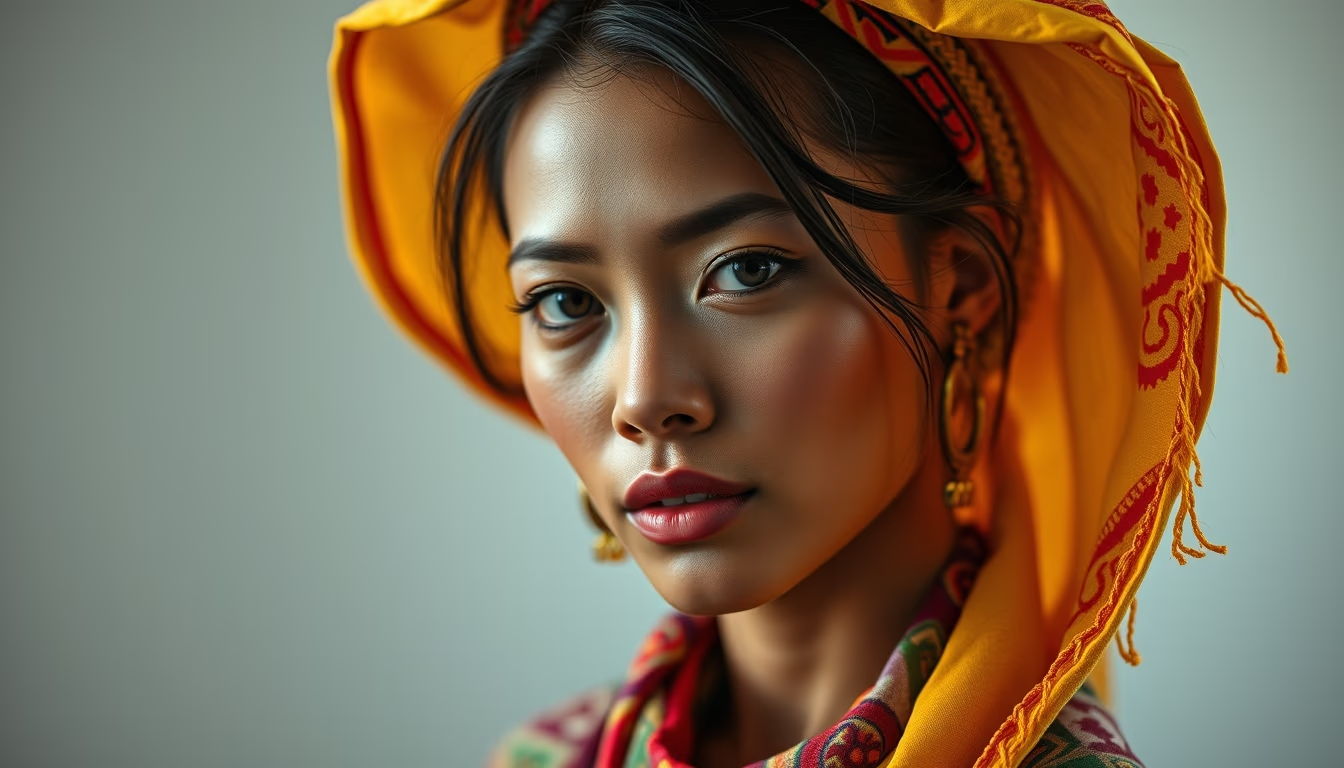
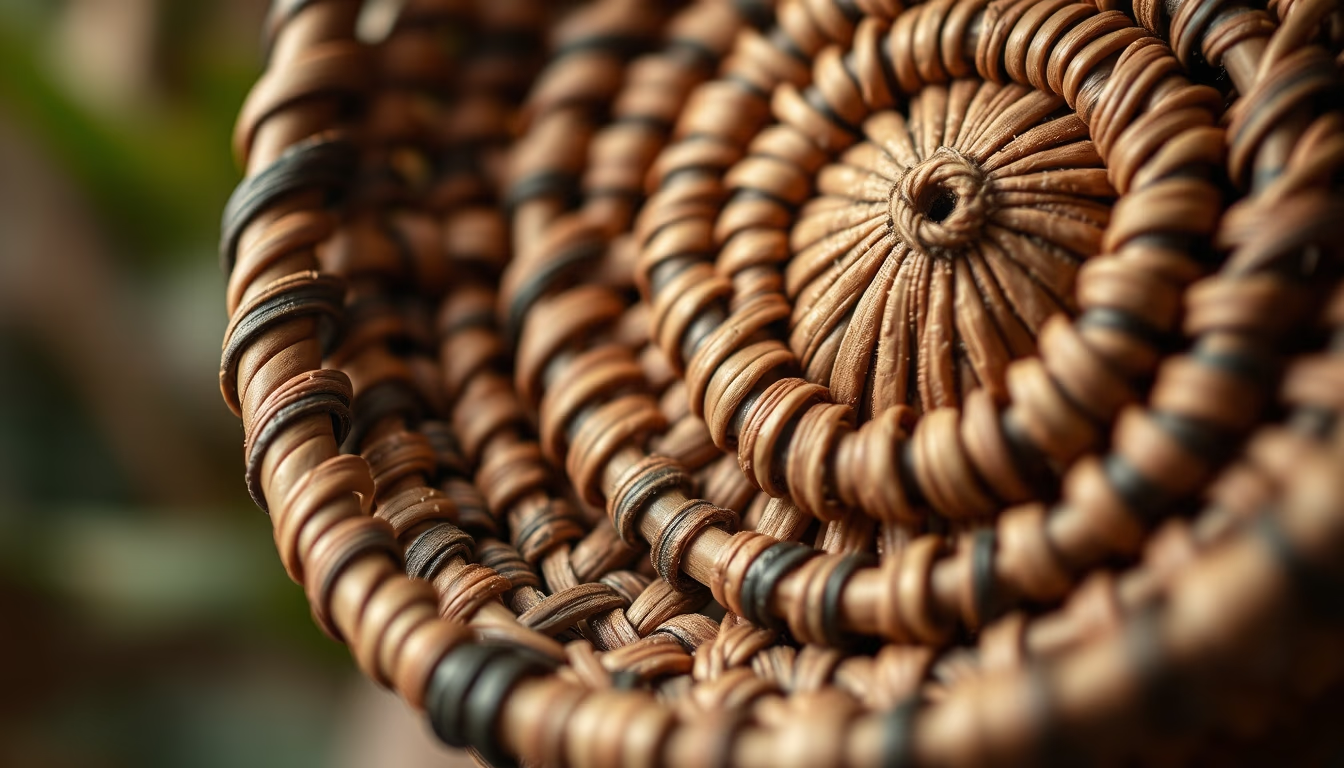
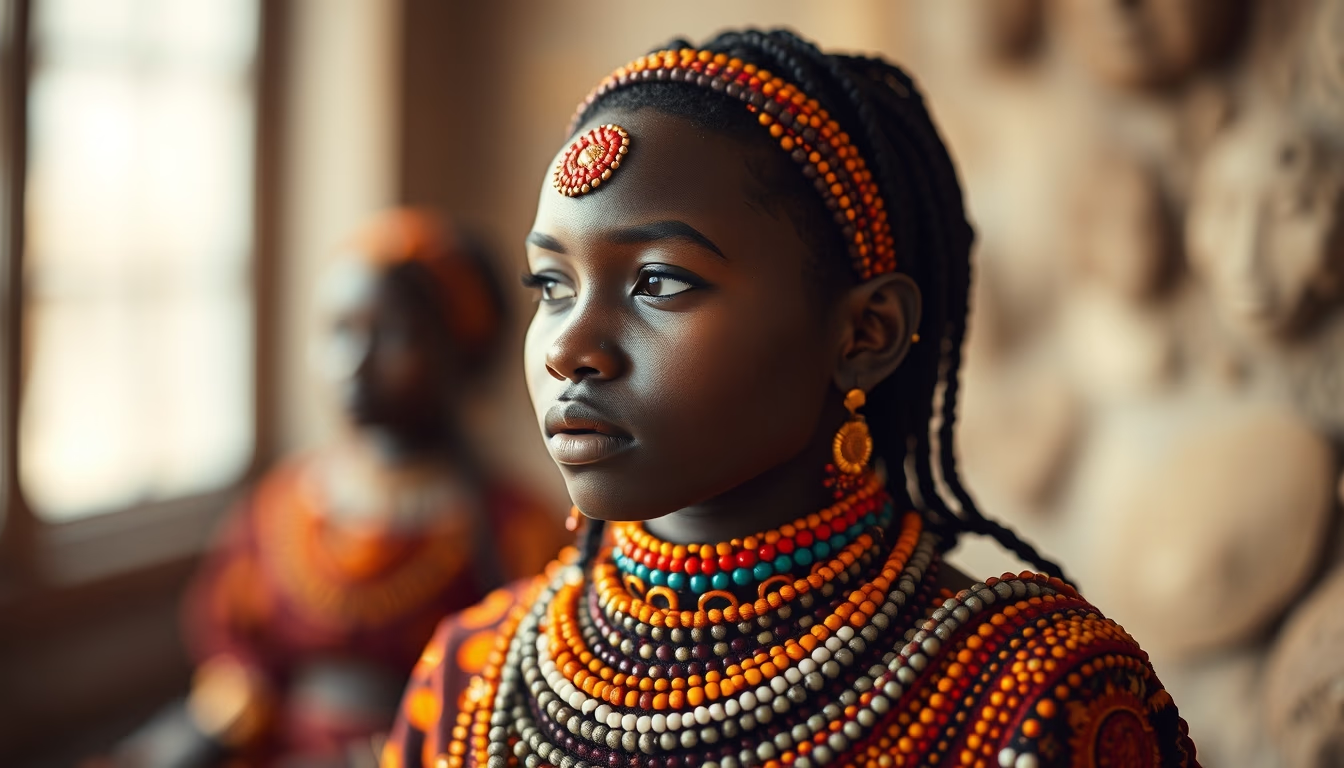
Andean weaving, a millennia-old art from the Andean peoples, combines ancestral techniques and cultural symbolism in vibrant pieces.
About this subject
Andean weaving is one of the oldest textile traditions in the Americas, with origins dating back over 2,000 years before the Christian era. Developed by civilizations such as the Paracas, Nazca, Moche, and later the Incas, this art primarily uses fibers from llamas, alpacas, and vicuñas, animals native to the Andes region. The process involves raising the animals, hand-spinning the fibers, and dyeing with natural colorants extracted from plants like cochineal and indigo, as well as local minerals, resulting in intense and long-lasting colors.
The geometric and iconographic patterns in Andean textiles are not merely decorative. They carry deep meanings related to worldview, history, and the social status of the wearer or producer. For instance, tokapu, rectangular motifs, can represent clans, deities, or historical events. Each piece, such as ponchos, aguayos (fabrics for carrying children or goods), and belts, tells a unique story. The backstrap loom technique, which allows precise control of thread tension, is passed down through generations, mainly by women.
Today, Andean communities, especially in Peru, Bolivia, and Ecuador, keep this tradition alive. In places like Chinchero in the Sacred Valley of the Incas and the islands of Lake Titicaca, artisan cooperatives produce textiles for local and international markets, combining ancient techniques with contemporary designs. Andean weaving was recognized by UNESCO as an Intangible Cultural Heritage of Humanity, highlighting its global importance. Beyond its artistic value, it represents cultural resistance and identity for millions of people.
Frequently Asked Questions
What is the origin of Andean weaving?
Andean weaving has pre-Columbian origins, with evidence of complex textile techniques dating back to 2000 BCE in cultures such as Paracas and Nazca, later refined by the Incas.
What materials are used in Andean textiles?
The main materials are fibers from llamas, alpacas, and vicuñas, as well as cotton. Dyeing uses natural colorants like cochineal (red), indigo (blue), and minerals such as ochre.
What do the geometric patterns in Andean textiles mean?
Geometric patterns, such as tokapu, represent elements of the Andean worldview, social status, clans, or historical events. Each design has a specific meaning passed down orally.
Direct URL
https://pub-c7d6a6ea828543ac903a74a341ccb2e1.r2.dev/imagens/andean-textile-vivid-studio-editorial-portrait-fresh15.avifHow to credit
Include a visible link back to UtilizAí. Copy one of the snippets below:
<a href="https://xn--utiliza-eza.com/en/midia/imagens/andean-textile-vivid-studio-editorial-portrait-fresh15">Andean textile vivid</a> by <a href="https://xn--utiliza-eza.com">UtilizAí</a>, licensed under <a href="https://creativecommons.org/licenses/by/4.0/">CC BY 4.0</a>.
[Andean textile vivid](https://xn--utiliza-eza.com/en/midia/imagens/andean-textile-vivid-studio-editorial-portrait-fresh15) by [UtilizAí](https://xn--utiliza-eza.com), CC BY 4.0
License: CC-BY-4.0