Andean textile vivid
1344×768 · AVIF · CC BY 4.0
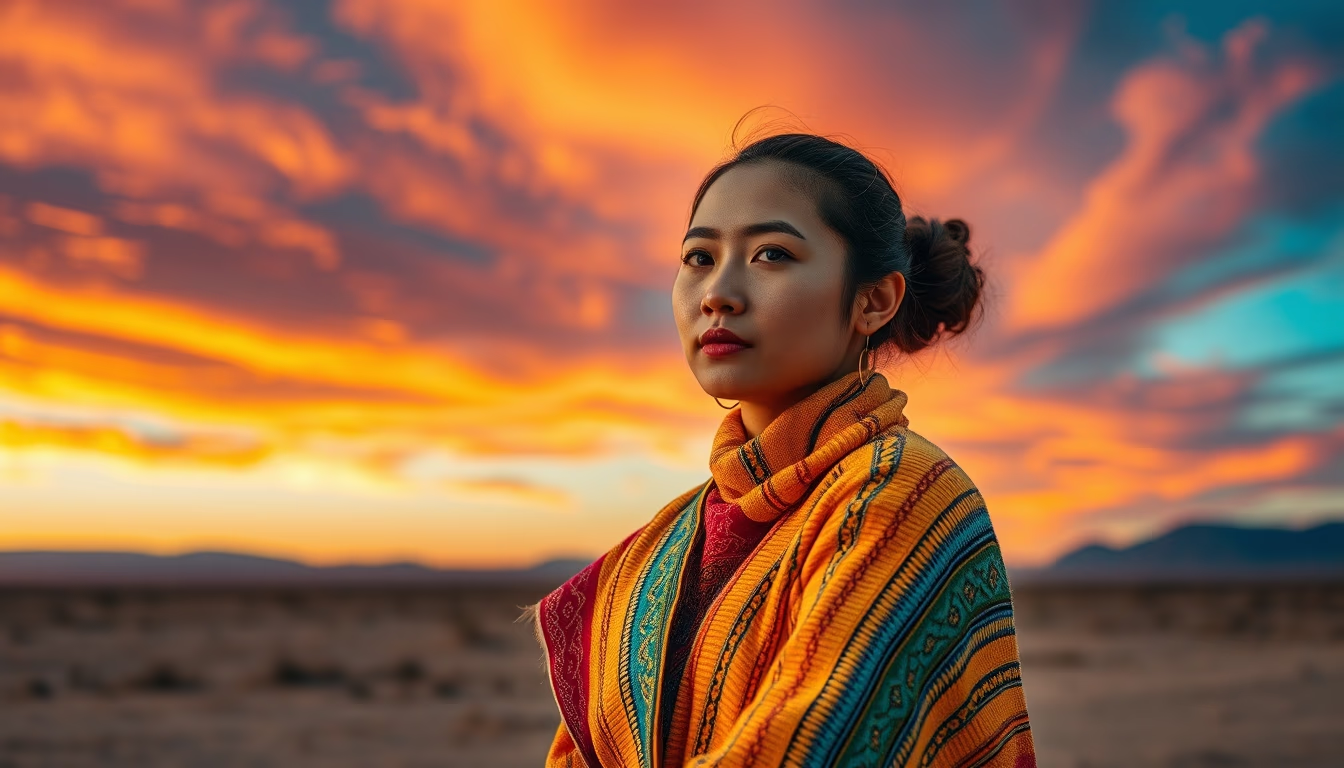
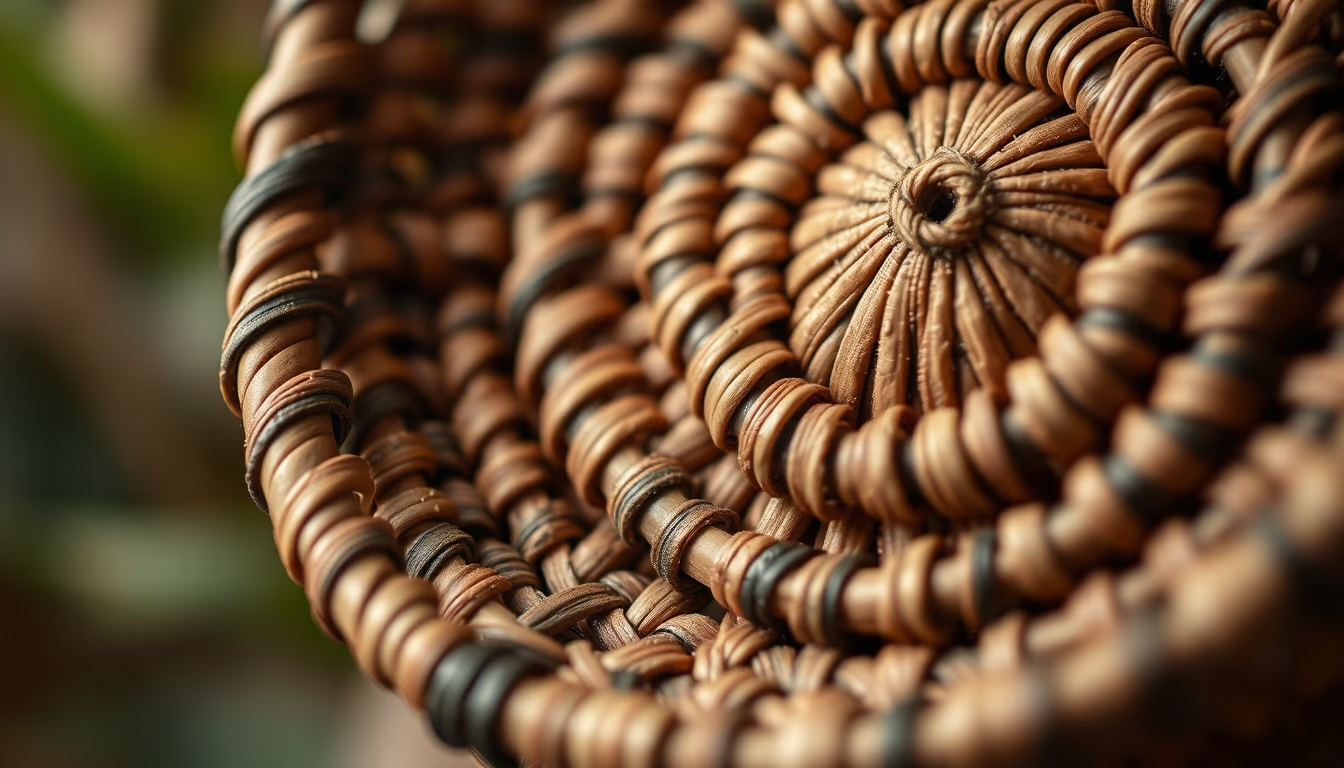
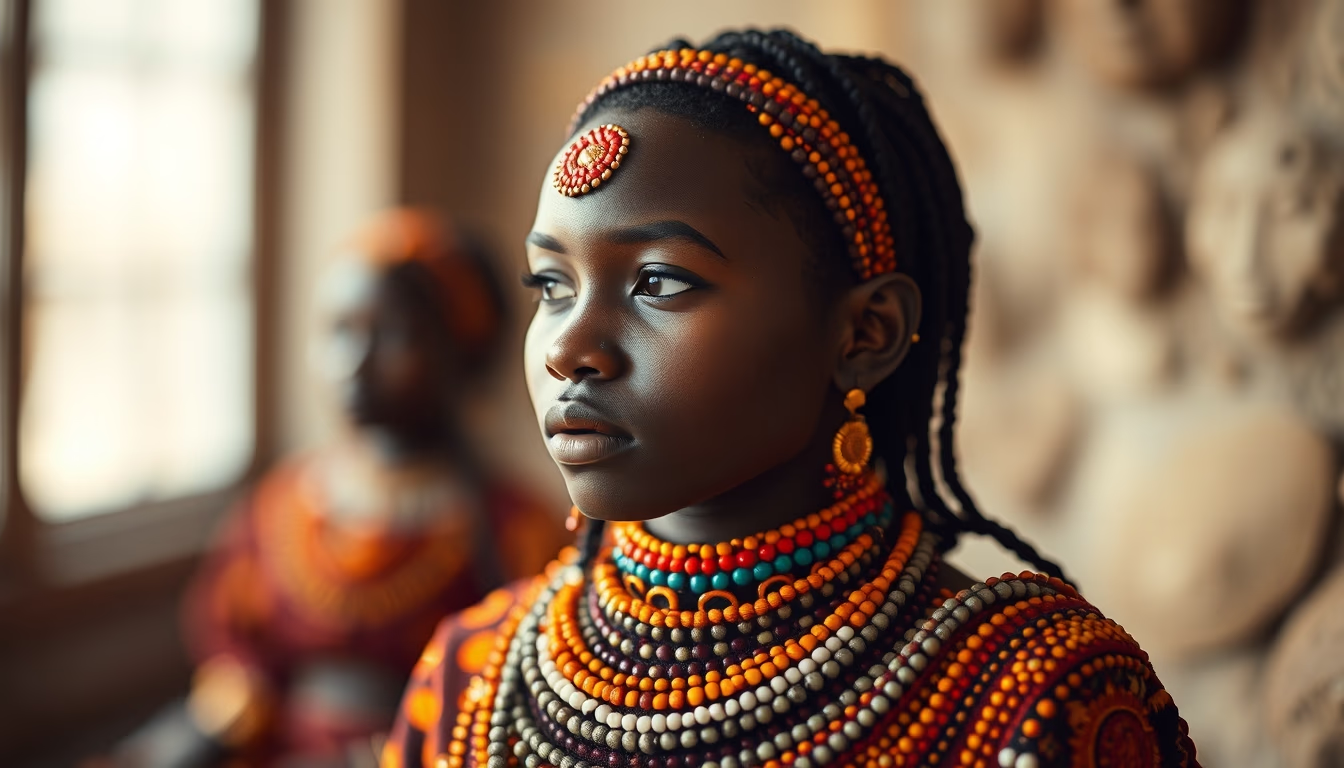
Andean textiles stand out for their vibrant colors and geometric patterns, inherited from ancient traditions that combine llama, alpaca, and vicuña fibers with natural dyes.
About this subject
Andean textiles represent one of the oldest and most sophisticated weaving traditions in the Americas, with origins dating back over 5,000 years. Pre-Columbian civilizations such as the Paracas, Nazca, Huari, and Inca developed advanced techniques of spinning, dyeing, and weaving, primarily using fibers from South American camelids (llama, alpaca, and vicuña) and native cotton. The backstrap loom, a fundamental tool, enables the creation of high-density and complex pieces.
The vibrant colors characteristic of these textiles are obtained from natural dyes extracted from plants (such as cochineal for red, indigo for blue, and cactus for green), minerals, and even insects. Symmetrical geometric patterns and zoomorphic and phytomorphic motifs carry deep symbolic meaning, often representing the Andean worldview, agricultural cycles, social status, and ethnic identity. For example, the 'chakana' (Andean cross) design symbolizes the connection between the earthly and celestial worlds.
Today, Andean weaving continues to thrive in indigenous communities across Peru, Bolivia, Ecuador, Chile, and Argentina. In 2005, the textile art of Taquile, Peru, was proclaimed a Masterpiece of the Oral and Intangible Heritage of Humanity by UNESCO. The fabrics are used in traditional clothing (ponchos, aguayos, blankets) and decorative objects, preserving techniques and motifs passed down orally for generations. The production process encompasses the entire cycle, from animal husbandry to final crafting, ensuring sustainability and cultural preservation.
A curious fact: vicuña fiber, considered one of the finest in the world, was reserved exclusively for Inca royalty. Today, its use is controlled to prevent the animal's extinction, and the wool is sheared every two years during traditional ceremonies called 'chaccu'. Fair trade and responsible tourism have helped value these textiles, generating income for thousands of Andean families.
Frequently Asked Questions
What fibers are used in Andean textiles?
The main fibers are llama, alpaca, and vicuña wool, as well as native cotton. Vicuña fiber is the finest and most valuable, once reserved for Inca nobility.
How are the threads dyed with such vibrant colors?
Dyes are natural: derived from plants (cochineal, indigo, cactus), minerals, and insects. The dyeing process is artisanal and passed down through generations.
What is the meaning of the geometric patterns?
Patterns like the chakana (Andean cross) represent the Andean worldview, agricultural cycles, and social status. Each community has unique motifs that tell stories.
Direct URL
https://pub-c7d6a6ea828543ac903a74a341ccb2e1.r2.dev/imagens/andean-textile-vivid-long-exposure-fresh8.avifHow to credit
Include a visible link back to UtilizAí. Copy one of the snippets below:
<a href="https://xn--utiliza-eza.com/en/midia/imagens/andean-textile-vivid-long-exposure-fresh8">Andean textile vivid</a> by <a href="https://xn--utiliza-eza.com">UtilizAí</a>, licensed under <a href="https://creativecommons.org/licenses/by/4.0/">CC BY 4.0</a>.
[Andean textile vivid](https://xn--utiliza-eza.com/en/midia/imagens/andean-textile-vivid-long-exposure-fresh8) by [UtilizAí](https://xn--utiliza-eza.com), CC BY 4.0
License: CC-BY-4.0