Andean textile vivid
1344×768 · AVIF · CC BY 4.0
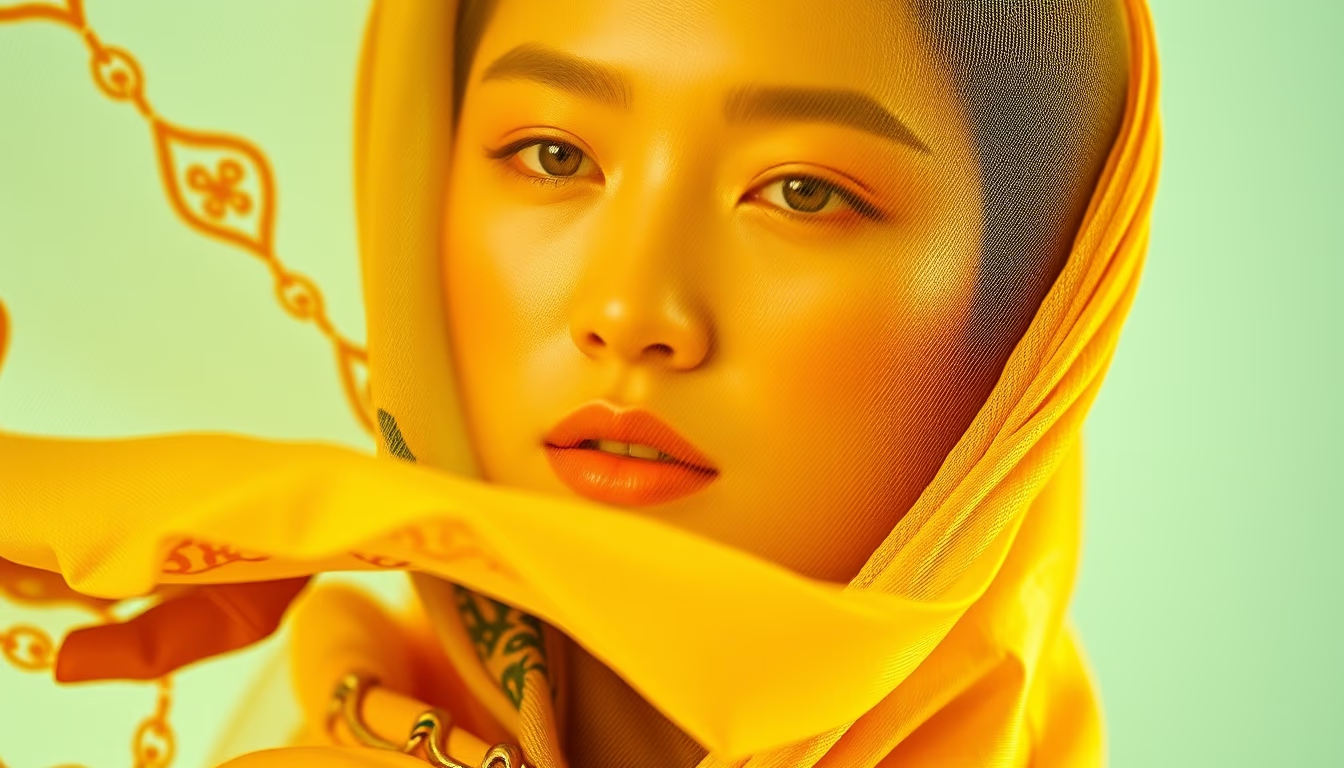
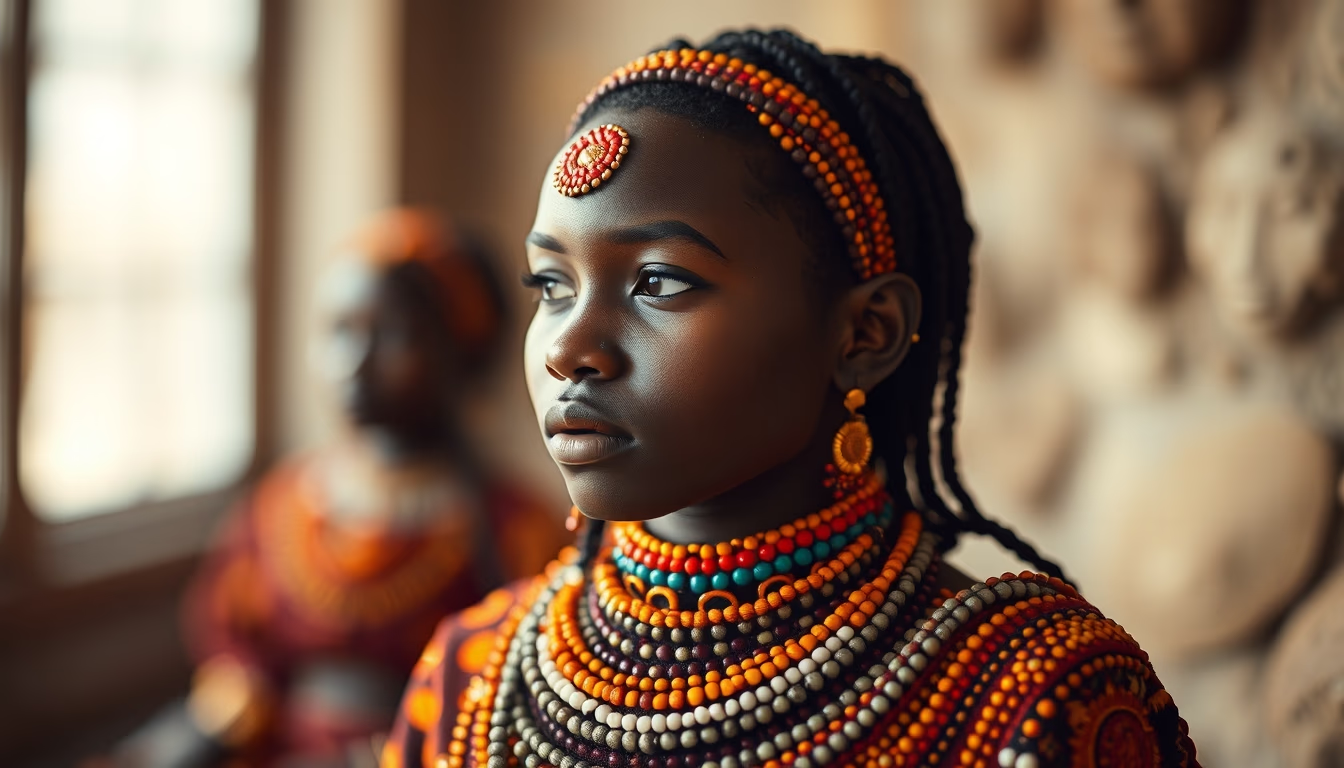
Andean textiles, like this vivid example, are among the richest expressions of pre-Columbian culture, with ancient techniques that persist to this day.
About this subject
Andean textiles date back to pre-Inca civilizations such as Paracas, Nazca, Wari, and Tiwanaku, which mastered weaving with fibers from alpaca, llama, and native cotton. Techniques include the backstrap loom, natural dyeing with cochineal and indigo, and Andean ikat. Each geometric pattern carries cosmological and social meanings, representing mountains, rivers, or deities. The tradition has been preserved by communities in Peru, Bolivia, Ecuador, and Colombia, where weavers pass knowledge orally.
In contemporary fashion, Andean textiles have gained prominence in high-fashion editorials and collaborations with international designers. Brands like Peruvian Kuna and Bolivian Sumaj Huasi promote fair trade and ancestral knowledge. UNESCO recognized Andean weaving as Intangible Cultural Heritage. The vibrant palette and durability attract collectors and stylists seeking authenticity and sustainability.
Preservation faces challenges from industrial fabrics and aging artisans. Cooperatives and NGOs encourage youth to learn the craft, adding value through contemporary design. These textiles are not mere artifacts but symbols of identity and cultural resistance.
Frequently Asked Questions
What are the main regions producing Andean textiles?
The main regions are the Peruvian Andes (Cusco, Puno, Ayacucho), the Bolivian Altiplano, Ecuadorian provinces of Imbabura and Cotopaxi, and southern Colombia, especially Nariño.
How have Andean textile techniques been preserved?
Oral transmission across generations, continuous use in traditional attire, and cultural resistance of indigenous communities were key. In recent decades, cooperatives and sustainable tourism projects have also contributed.
What is the importance of Andean textiles in contemporary fashion?
They inspire high fashion and slow fashion collections, value craftsmanship, and offer sustainable alternatives. Designers like Peruvian Meche Correa and Bolivian Beatriz Canedo incorporate Andean fabrics, boosting local economies and cultural recognition.
Direct URL
https://pub-c7d6a6ea828543ac903a74a341ccb2e1.r2.dev/imagens/andean-textile-vivid-high-fashion-editorial-fresh3.avifHow to credit
Include a visible link back to UtilizAí. Copy one of the snippets below:
<a href="https://xn--utiliza-eza.com/en/midia/imagens/andean-textile-vivid-high-fashion-editorial-fresh3">Andean textile vivid</a> by <a href="https://xn--utiliza-eza.com">UtilizAí</a>, licensed under <a href="https://creativecommons.org/licenses/by/4.0/">CC BY 4.0</a>.
[Andean textile vivid](https://xn--utiliza-eza.com/en/midia/imagens/andean-textile-vivid-high-fashion-editorial-fresh3) by [UtilizAí](https://xn--utiliza-eza.com), CC BY 4.0
License: CC-BY-4.0