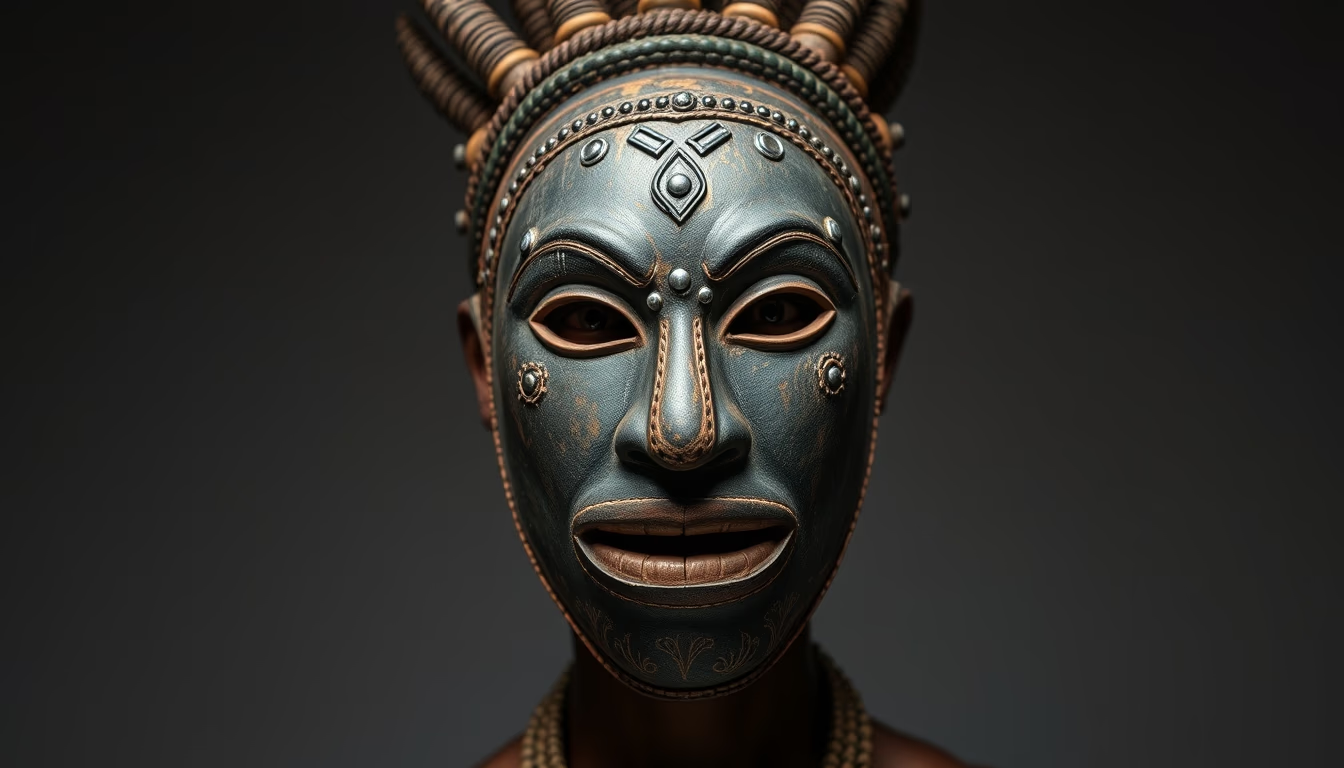
Andean textile vivid
1344×768 · AVIF · CC BY 4.0

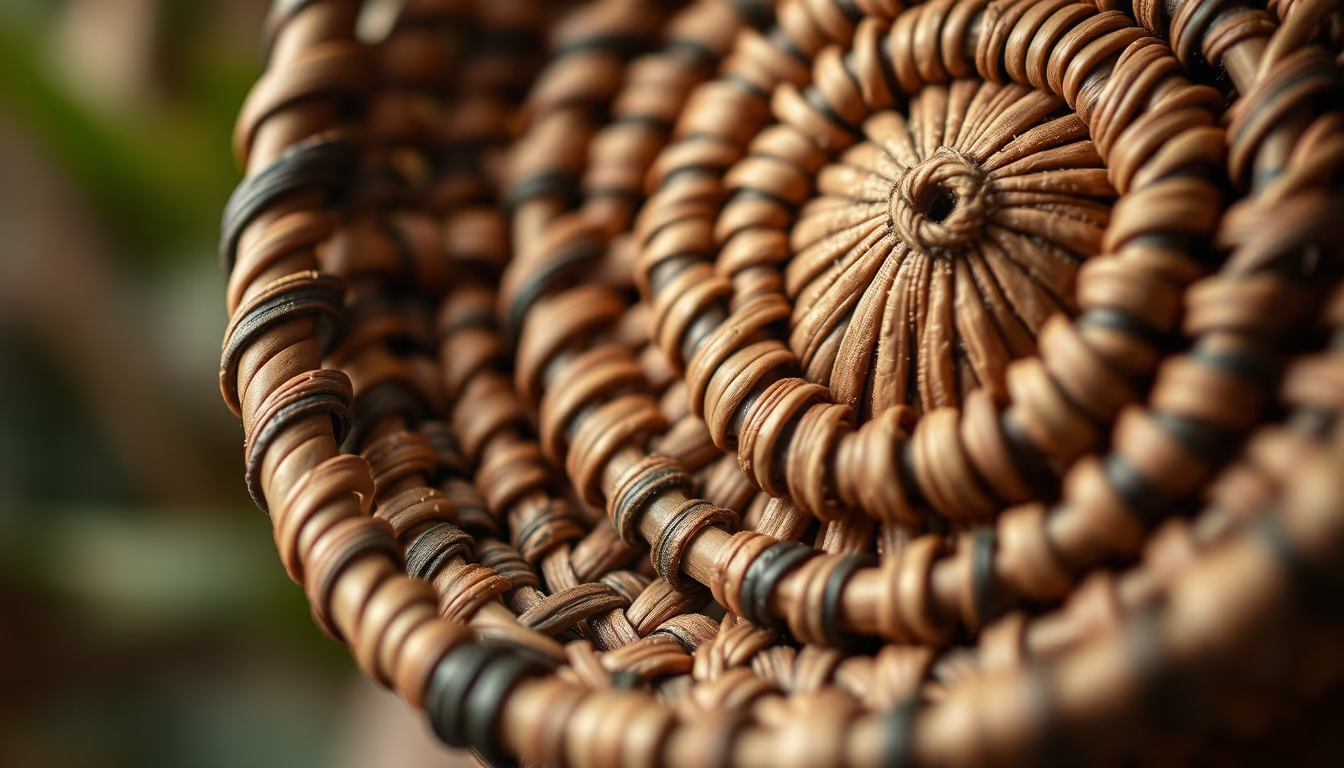
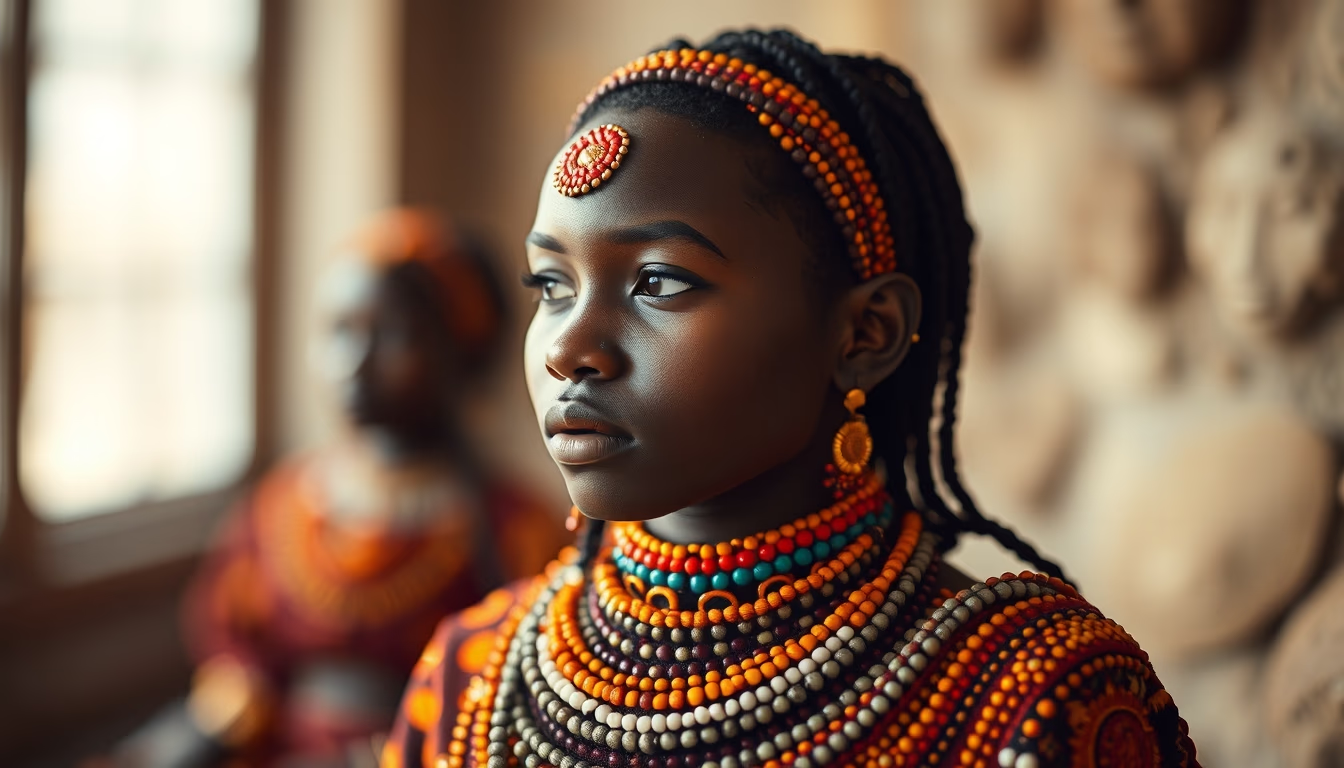
Andean textiles, crafted by Quechua and Aymara communities, blend ancient techniques and cultural symbolism in vibrant pieces.
About this subject
Andean textiles represent one of the oldest and most complex artisanal traditions in the Americas, with origins dating back over 4,000 years. Produced in the highlands of Peru, Bolivia, Ecuador, and northern Chile, these fabrics are made primarily from llama, alpaca, and vicuña fibers, as well as native cotton. Techniques such as backstrap loom weaving are passed down orally through generations, and each community develops distinct patterns that narrate stories about mythology, cosmology, and ethnic identity.
The vibrant colors are obtained from natural dyes extracted from plants, minerals, and insects, such as cochineal (producing intense reds) and indigo (blue). Geometric and figurative designs often represent elements of nature, like mountains (apus), sacred animals (condors, jaguars), and astronomical symbols, reflecting the Andean worldview based on reciprocity with Pachamama (Mother Earth). During the Inca Empire, textiles were so valuable that they served as currency, tribute, and religious offerings.
Today, Andean weaving is recognized by UNESCO as Intangible Cultural Heritage of Humanity since 2005, specifically the textile art of Taquile (Peru). Despite pressure from industrial production, communities such as those in Chinchero and Pisac keep the tradition alive, selling pieces in local markets and for export. Each textile is unique, and production time can range from weeks to months depending on design complexity. Preserving this art is crucial not only for local economies but for maintaining ancestral knowledge.
Frequently Asked Questions
What are the main types of fibers used in Andean textiles?
The most common fibers are llama, alpaca, and vicuña, along with native cotton. Vicuña is the finest and most valuable, while alpaca is widely used for its softness and variety of natural colors.
How do Andean weavers obtain the vibrant colors?
They use natural dyes from plants (like indigo), minerals, and insects (such as cochineal). The dyeing process is traditional and varies by community, resulting in unique and long-lasting hues.
What is the cultural significance of patterns in Andean textiles?
The geometric and figurative patterns convey stories, beliefs, and the identity of each community. They represent sacred elements like mountains, animals, and astronomical symbols, linking weaving to the Andean worldview.
Direct URL
https://pub-c7d6a6ea828543ac903a74a341ccb2e1.r2.dev/imagens/andean-textile-vivid-fish-eye-wide-angle-fresh10.avifHow to credit
Include a visible link back to UtilizAí. Copy one of the snippets below:
<a href="https://xn--utiliza-eza.com/en/midia/imagens/andean-textile-vivid-fish-eye-wide-angle-fresh10">Andean textile vivid</a> by <a href="https://xn--utiliza-eza.com">UtilizAí</a>, licensed under <a href="https://creativecommons.org/licenses/by/4.0/">CC BY 4.0</a>.
[Andean textile vivid](https://xn--utiliza-eza.com/en/midia/imagens/andean-textile-vivid-fish-eye-wide-angle-fresh10) by [UtilizAí](https://xn--utiliza-eza.com), CC BY 4.0
License: CC-BY-4.0