Andean textile vivid
1344×768 · AVIF · CC BY 4.0
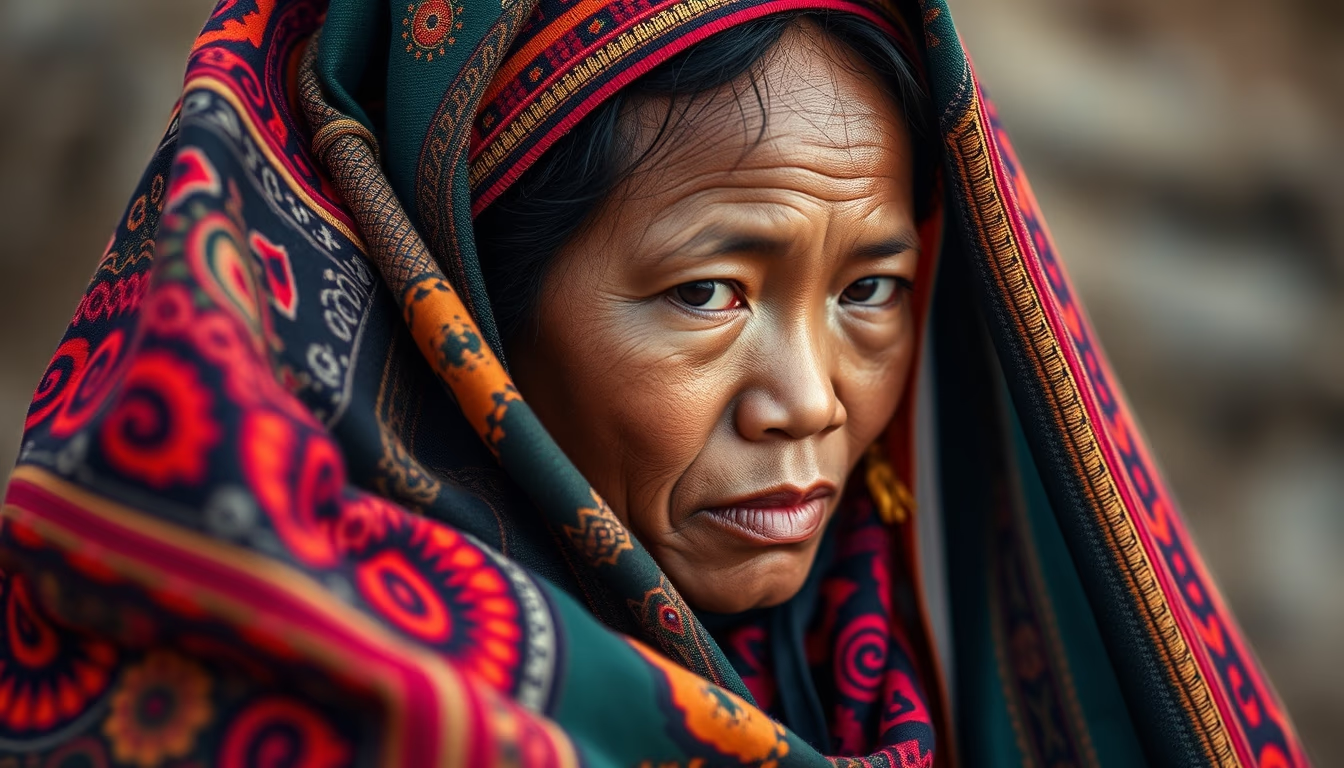
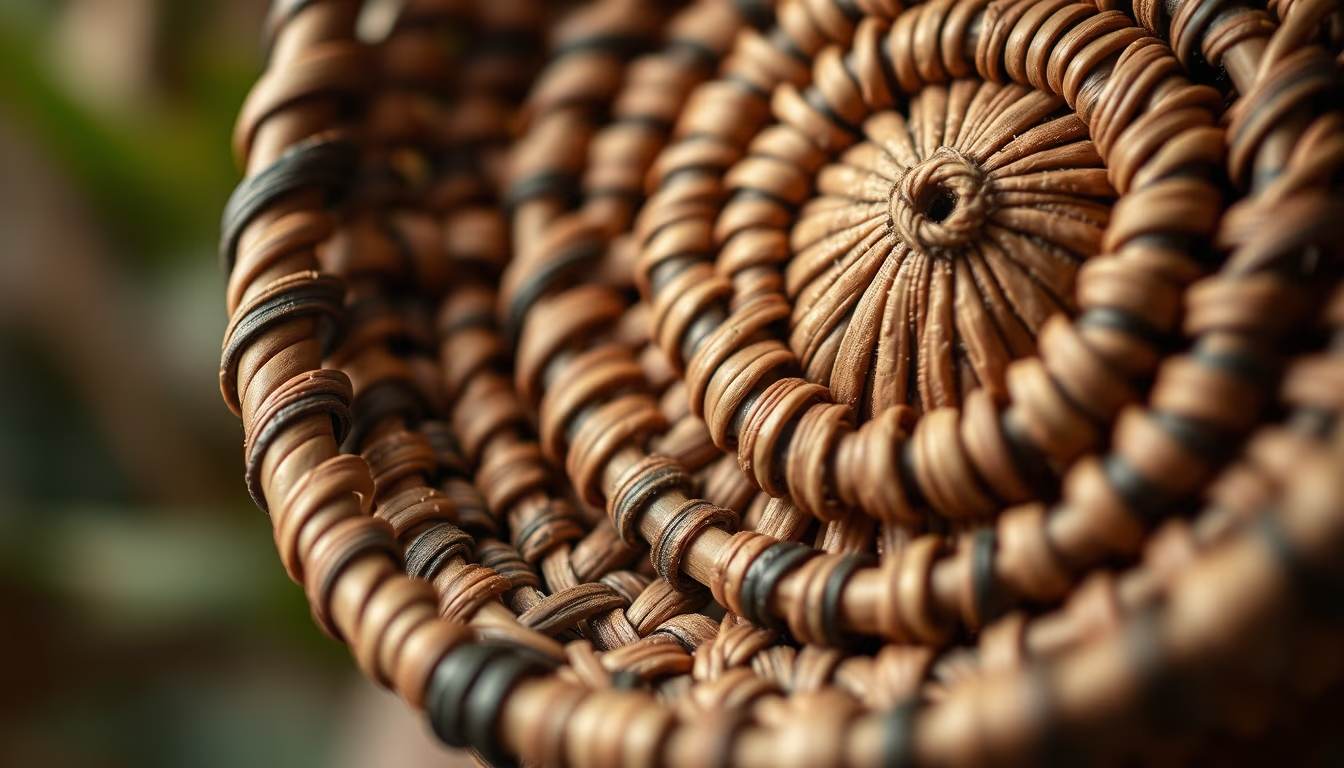
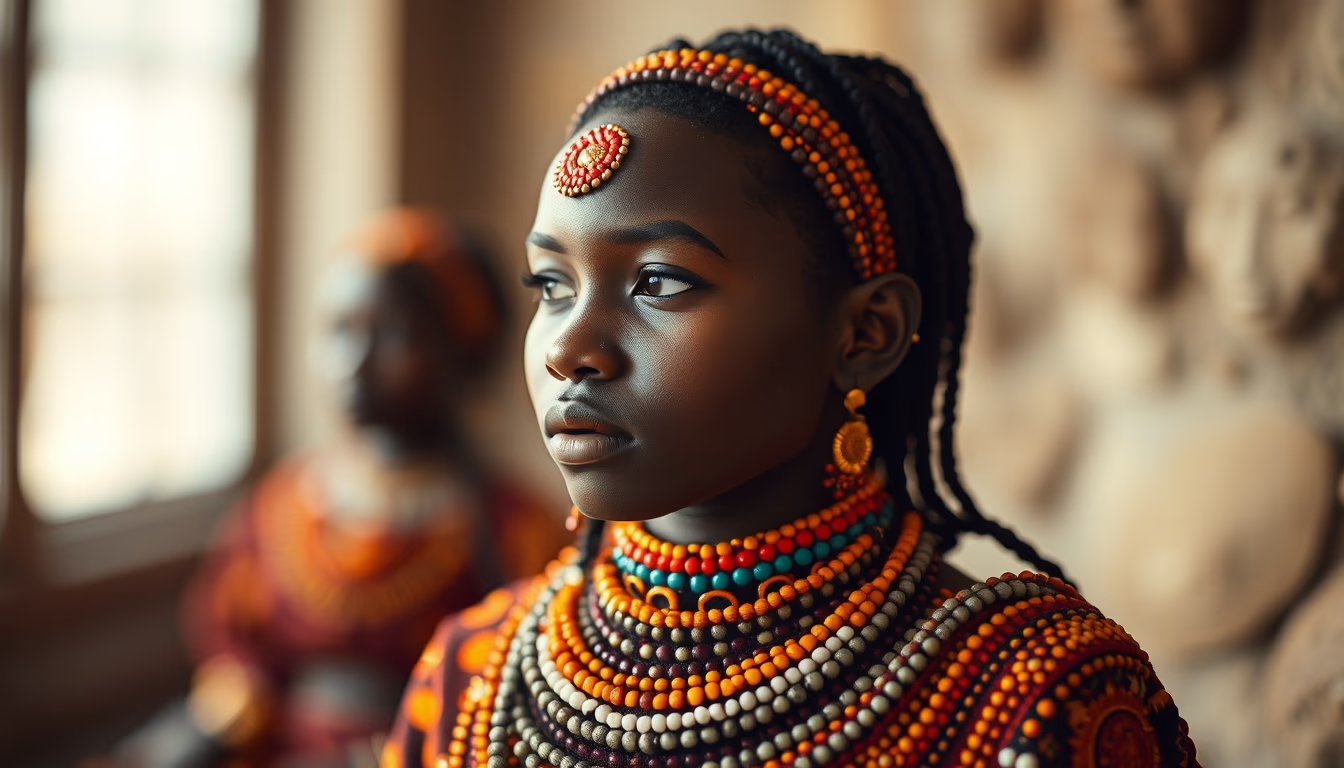
Handwoven Andean textiles, crafted from llama wool and natural dyes, preserve ancient symbols of Quechua and Aymara peoples.
About this subject
Andean textiles represent one of the oldest and most sophisticated weaving traditions in the Americas, with archaeological evidence dating back over 8,000 years. Produced mainly in the highlands of Peru, Bolivia, Ecuador, and northern Chile, these textiles are woven on backstrap looms, a pre-Columbian technique requiring great manual skill. Common fibers include llama, alpaca, and vicuña wool, as well as native cotton, dyed with natural pigments from plants like cochineal (intense red), indigo (blue), and coca (green).
Each geometric pattern and color carries deep symbolic meaning. For instance, the stair motif represents the connection between the underworld and the celestial realm, while checkerboard patterns evoke yanantin, the complementarity of opposites in Andean cosmology. Many designs feature sacred animals such as the alpaca, condor, and serpent, along with abstract forms linked to fertility and spiritual protection. Communities pass this knowledge orally from mother to daughter, ensuring continuity of an art that resisted Spanish colonization.
In contemporary times, Andean textiles have gained global recognition as expressions of cultural identity and resistance. Women's artisan cooperatives, such as those in Chinchero (Peru) and El Alto (Bolivia), sell pieces in international markets, but face challenges from industrialized competition and undervaluation of handmade work. UNESCO has encouraged safeguarding these techniques as Intangible Cultural Heritage. Beyond economic value, these textiles are used in rituals, festivals, and daily dress, keeping alive a heritage that blends functionality, art, and spirituality.
Frequently Asked Questions
What are Andean textiles?
They are handmade traditional fabrics crafted by Indigenous peoples of the Andes, primarily Quechua and Aymara. They use llama, alpaca, and vicuña wool dyed with natural pigments, and feature symbolic patterns dating back millennia.
Why are Andean textiles culturally significant?
Beyond daily and ritual use, they carry cosmology and history as a form of nonverbal communication. Each motif represents elements of nature, yanantin duality, and spiritual protection, recognized as Intangible Cultural Heritage by UNESCO.
How are Andean textiles made?
They are woven on backstrap looms, a pre-Hispanic technique requiring hand-body coordination. Fibers are hand-spun and dyed with plants (cochineal, indigo) or minerals. The process can take weeks or months depending on design complexity.
Direct URL
https://pub-c7d6a6ea828543ac903a74a341ccb2e1.r2.dev/imagens/andean-textile-vivid-documentary-nature-style-fresh2.avifHow to credit
Include a visible link back to UtilizAí. Copy one of the snippets below:
<a href="https://xn--utiliza-eza.com/en/midia/imagens/andean-textile-vivid-documentary-nature-style-fresh2">Andean textile vivid</a> by <a href="https://xn--utiliza-eza.com">UtilizAí</a>, licensed under <a href="https://creativecommons.org/licenses/by/4.0/">CC BY 4.0</a>.
[Andean textile vivid](https://xn--utiliza-eza.com/en/midia/imagens/andean-textile-vivid-documentary-nature-style-fresh2) by [UtilizAí](https://xn--utiliza-eza.com), CC BY 4.0
License: CC-BY-4.0