Amazonian basketry
1344×768 · AVIF · CC BY 4.0
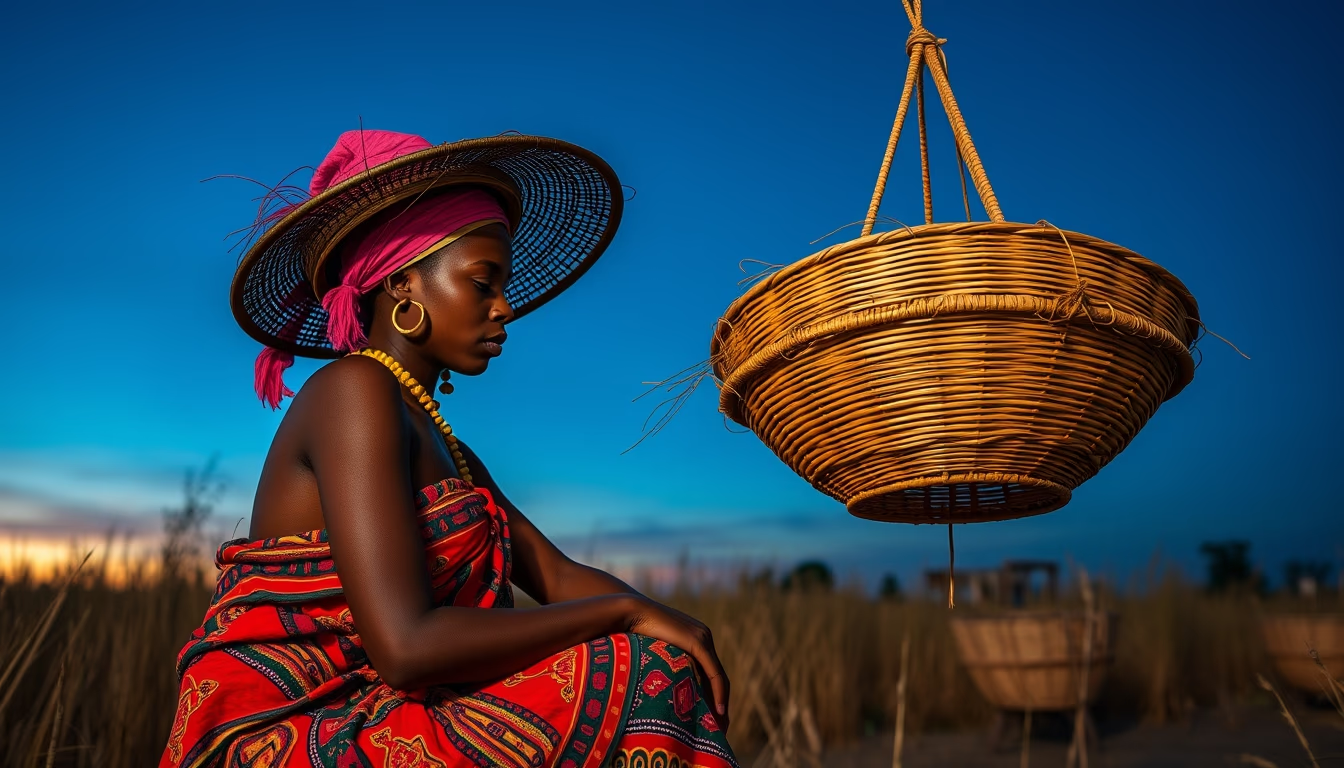
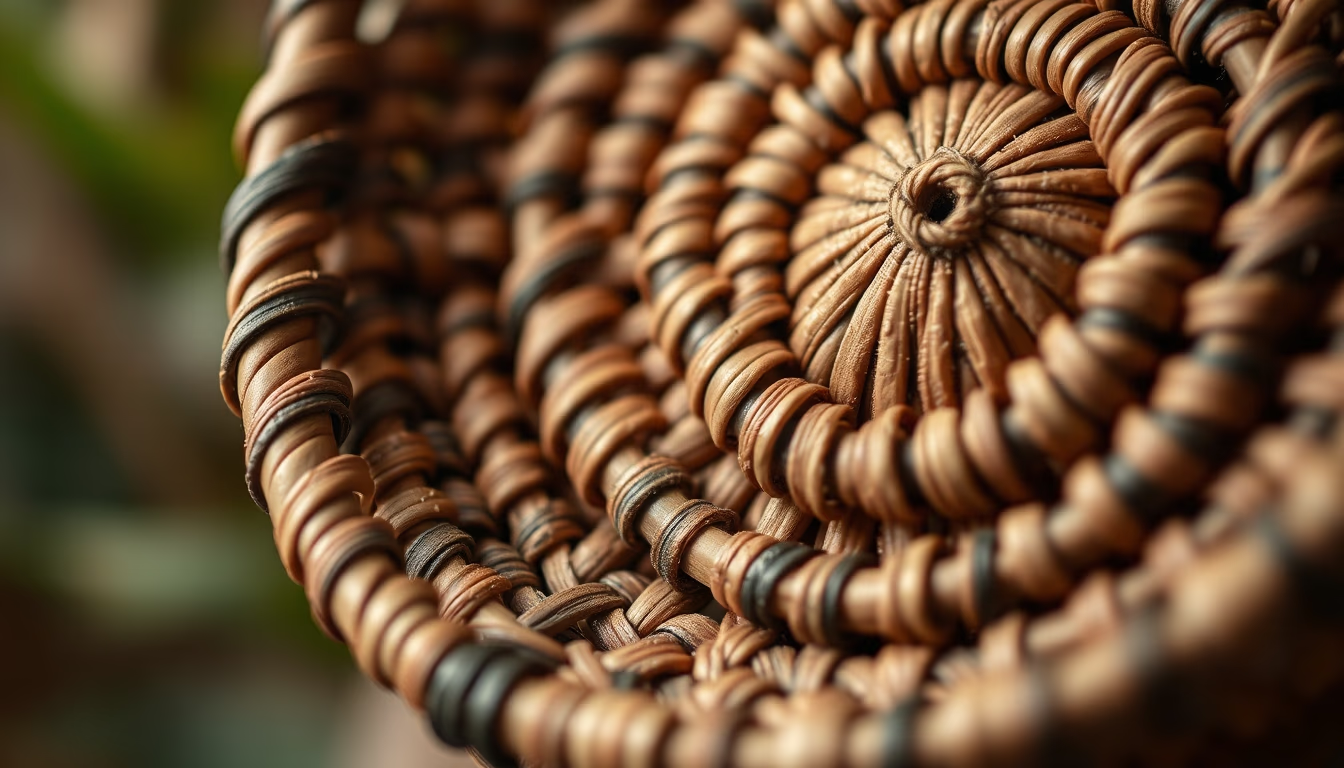
Amazonian basketry is an ancient art practiced by indigenous peoples, using natural forest fibers to create utilitarian and ritual pieces of impressive technical complexity.
About this subject
Amazonian basketry is one of the most refined cultural expressions of the indigenous peoples of the Amazon. Using fibers extracted from palms such as arumã, paxiúba, and tucum, artisans weave geometric patterns that carry cosmological and social meanings. Each people has its own techniques and motifs: the Baniwa, for example, are known for their intricate designs representing the anaconda ancestor, while the Wauja produce baskets with graphics that tell founding myths.
Fiber preparation involves collection in the forest environment and natural dyeing with plant pigments like jenipapo and urucum. The weaving process can take days or weeks, depending on the size and complexity of the design. Historically, basketry was crucial for storing food, transporting objects, and even as a tool for producing manioc flour.
With European colonization, some designs and materials were incorporated, but the technical essence remained. Today, Amazonian basketry is recognized as intangible cultural heritage in Brazil and is studied by anthropologists and designers. The use of "long exposure" in photographs of basketry can highlight the patience and time involved in creation, emphasizing the complexity of the weaves.
Beyond utility, basketry holds economic importance for many communities, sold in craft markets and online platforms. Cultural preservation initiatives encourage the transmission of knowledge across generations, ensuring ancestral techniques are not lost. Contemporary appreciation has also led designers to reinterpret these patterns in furniture and decor items.
Frequently Asked Questions
What are the main fibers used in Amazonian basketry?
The main fibers come from palms such as arumã, paxiúba, tucum, and miriti. These plants provide flexibility and strength essential for weaving. Some communities also use vines and leaf stems.
How are geometric patterns passed down through generations?
Knowledge is transmitted orally and through practice, from parents to children, often during collective basket making. Each pattern may have a specific name and meaning, linked to creation stories or nature.
Does Amazonian basketry have ritual functions?
Yes, certain baskets are used in healing, initiation, or festival rituals. Among the Tukano, for example, the shaman's basket holds sacred objects. Designs can also ward off evil spirits.
Direct URL
https://pub-c7d6a6ea828543ac903a74a341ccb2e1.r2.dev/imagens/amazonian-basketry-long-exposure-fresh9.avifHow to credit
Include a visible link back to UtilizAí. Copy one of the snippets below:
<a href="https://xn--utiliza-eza.com/en/midia/imagens/amazonian-basketry-long-exposure-fresh9">Amazonian basketry</a> by <a href="https://xn--utiliza-eza.com">UtilizAí</a>, licensed under <a href="https://creativecommons.org/licenses/by/4.0/">CC BY 4.0</a>.
[Amazonian basketry](https://xn--utiliza-eza.com/en/midia/imagens/amazonian-basketry-long-exposure-fresh9) by [UtilizAí](https://xn--utiliza-eza.com), CC BY 4.0
License: CC-BY-4.0