Amazonian basketry
1344×768 · AVIF · CC BY 4.0
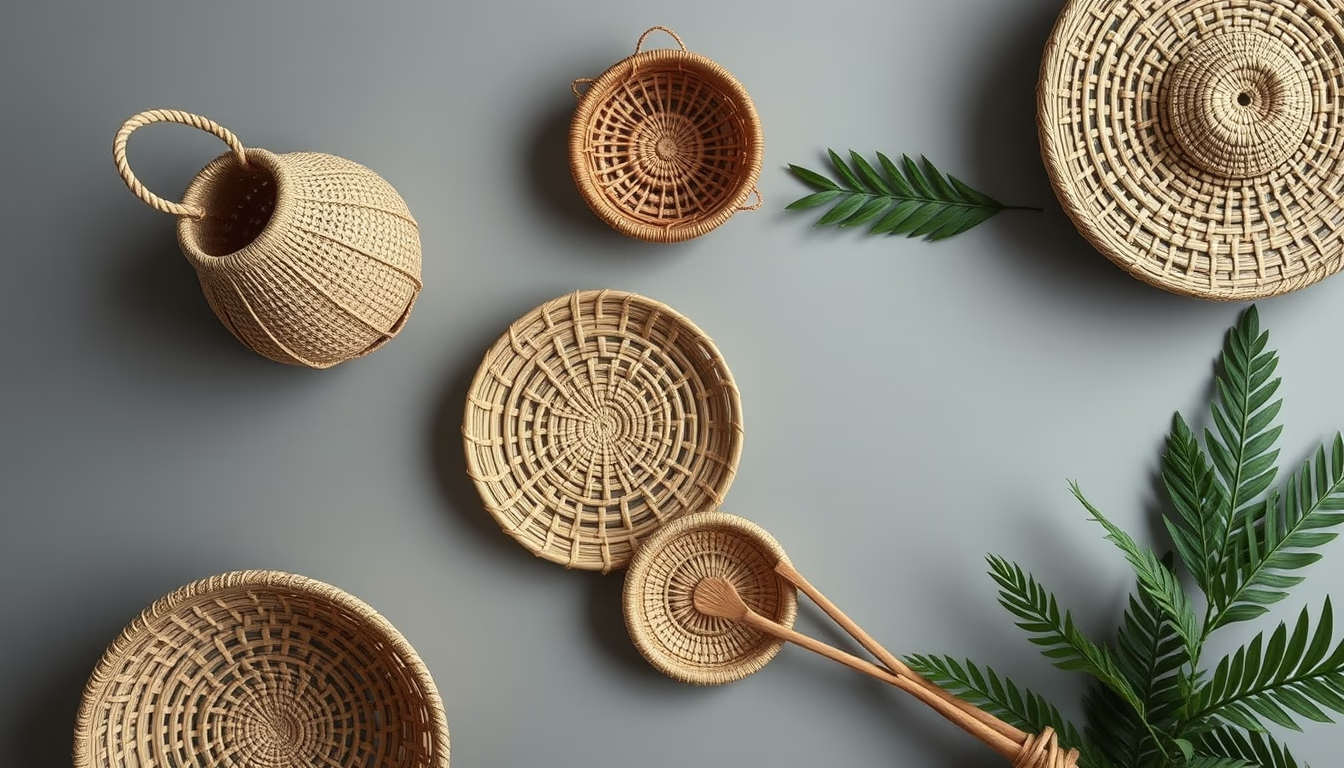
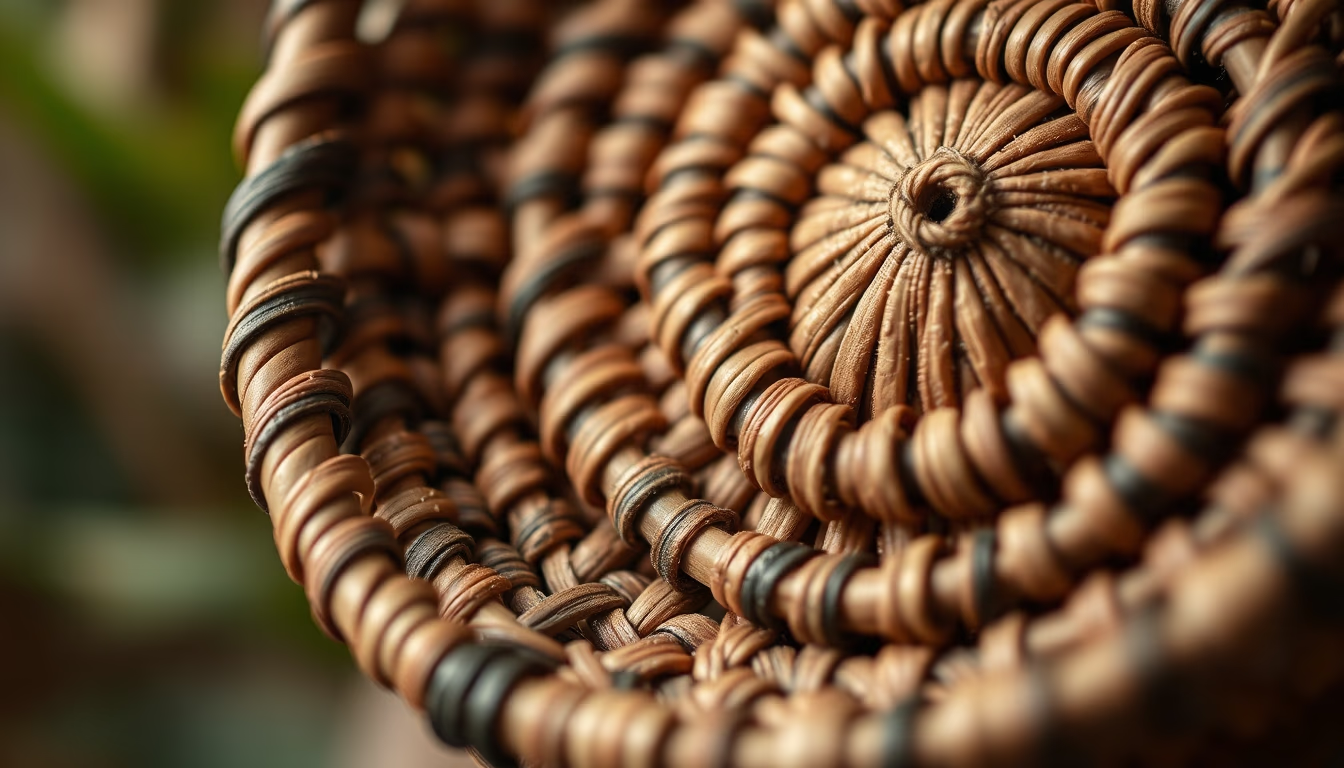
Amazonian basketry: an ancient art made from plant fibers, used by indigenous peoples for rituals and daily life.
About this subject
Amazonian basketry is one of the oldest and most sophisticated artisanal expressions in South America. Using fibers extracted from palms such as buriti, piaçava, and tucum, indigenous peoples of the Amazon Basin weave pieces ranging from utilitarian baskets to complex ceremonial objects. Each ethnic group has developed specific weaving techniques, with geometric patterns that often carry cosmological meanings. The Wauja of the Upper Xingu, for example, create mats with designs representing animals and forest spirits.
The production of basketry follows a seasonal cycle: fiber collection occurs at specific times of the year to ensure material strength. Palms are sustainably managed without cutting down the tree, only harvesting mature leaves. The process includes drying, dyeing with natural colors like annatto and genipap, and finally the manual weaving that can take days or weeks for a single piece. This technique is transmitted orally across generations, mainly by women, who master the secrets of threads and knots.
Culturally, Amazonian basketry is not only functional: it is part of coming-of-age rituals, trade, and ethnic identity. During the Kuarup ritual, the Wauja use special baskets for offerings. Currently, the craft has gained a global market, sold at indigenous art fairs and specialized stores. However, authenticity is threatened by mass production and cultural appropriation. Organizations like the Socioenvironmental Institute (ISA) work to value master artisans and ensure that traditional designs are not copied without permission.
A technical curiosity: Amazonian weaves can achieve over 18 strands per centimeter, comparable to fabric textures. The most well-known piece is the "load basket" or "ata" of the Kayapó, which can support up to 50 kg. Beyond practical use, basketry inspires contemporary architects and designers, such as biomimicry projects that mimic the lightweight, strong structure of woven fibers for sustainable panels.
Frequently Asked Questions
Which fibers are most used in Amazonian basketry?
The most common fibers come from buriti, piaçava, and tucum palms. Buriti provides long, strong fibers; piaçava is used for brushes and coarse baskets; tucum yields a thin, durable thread ideal for delicate weaves.
How are geometric patterns created in basketry?
Patterns result from combining naturally dyed fibers (annatto, genipap, charcoal) and varying the weave. Each ethnic group has exclusive motifs, like spirals, zig-zags, and animal figures, which tell stories or represent spirits.
Is Amazonian basketry threatened?
Yes, by industrial imitation and loss of knowledge as elders pass away. Cultural strengthening projects, such as workshops and origin certification, help preserve the technique and ensure fair income for indigenous artisans.
Direct URL
https://pub-c7d6a6ea828543ac903a74a341ccb2e1.r2.dev/imagens/amazonian-basketry-isometric-flat-lay-fresh10.avifHow to credit
Include a visible link back to UtilizAí. Copy one of the snippets below:
<a href="https://xn--utiliza-eza.com/en/midia/imagens/amazonian-basketry-isometric-flat-lay-fresh10">Amazonian basketry</a> by <a href="https://xn--utiliza-eza.com">UtilizAí</a>, licensed under <a href="https://creativecommons.org/licenses/by/4.0/">CC BY 4.0</a>.
[Amazonian basketry](https://xn--utiliza-eza.com/en/midia/imagens/amazonian-basketry-isometric-flat-lay-fresh10) by [UtilizAí](https://xn--utiliza-eza.com), CC BY 4.0
License: CC-BY-4.0