African tribal mask
1344×768 · AVIF · CC BY 4.0
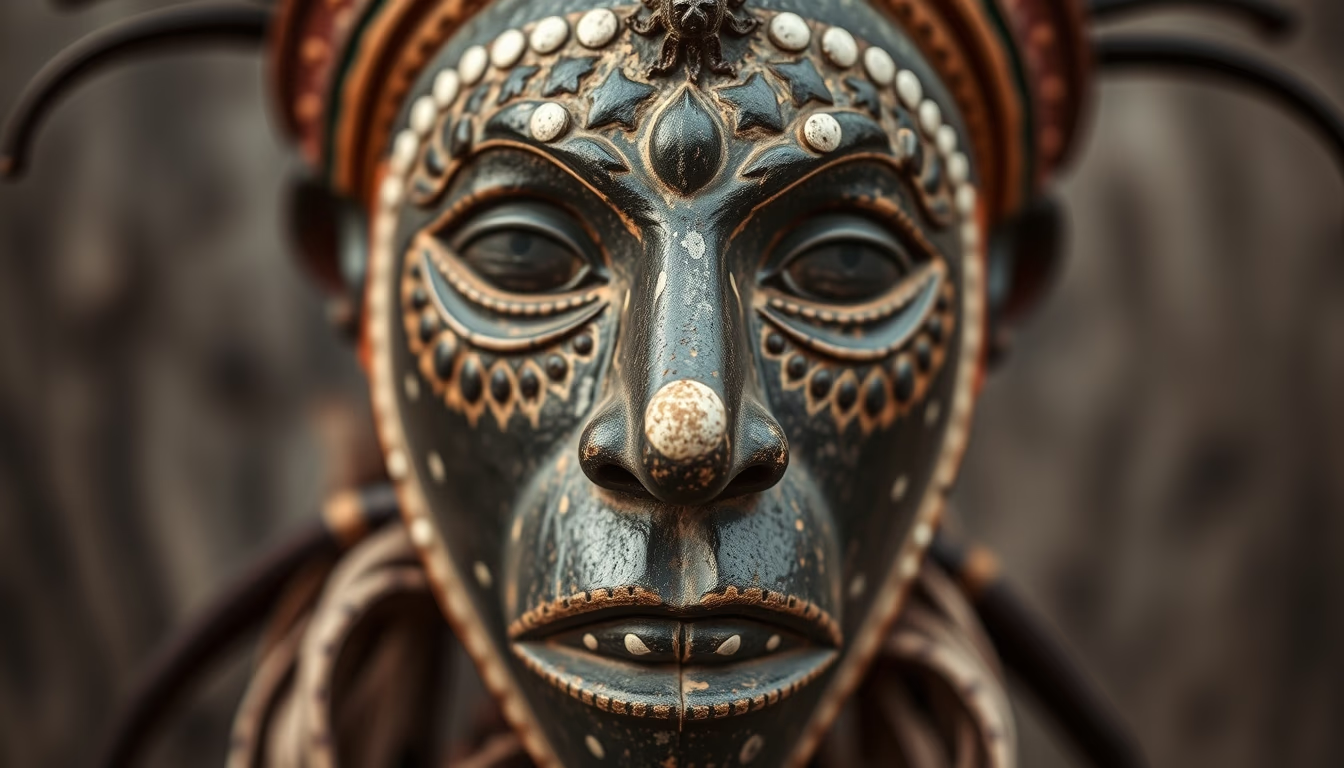
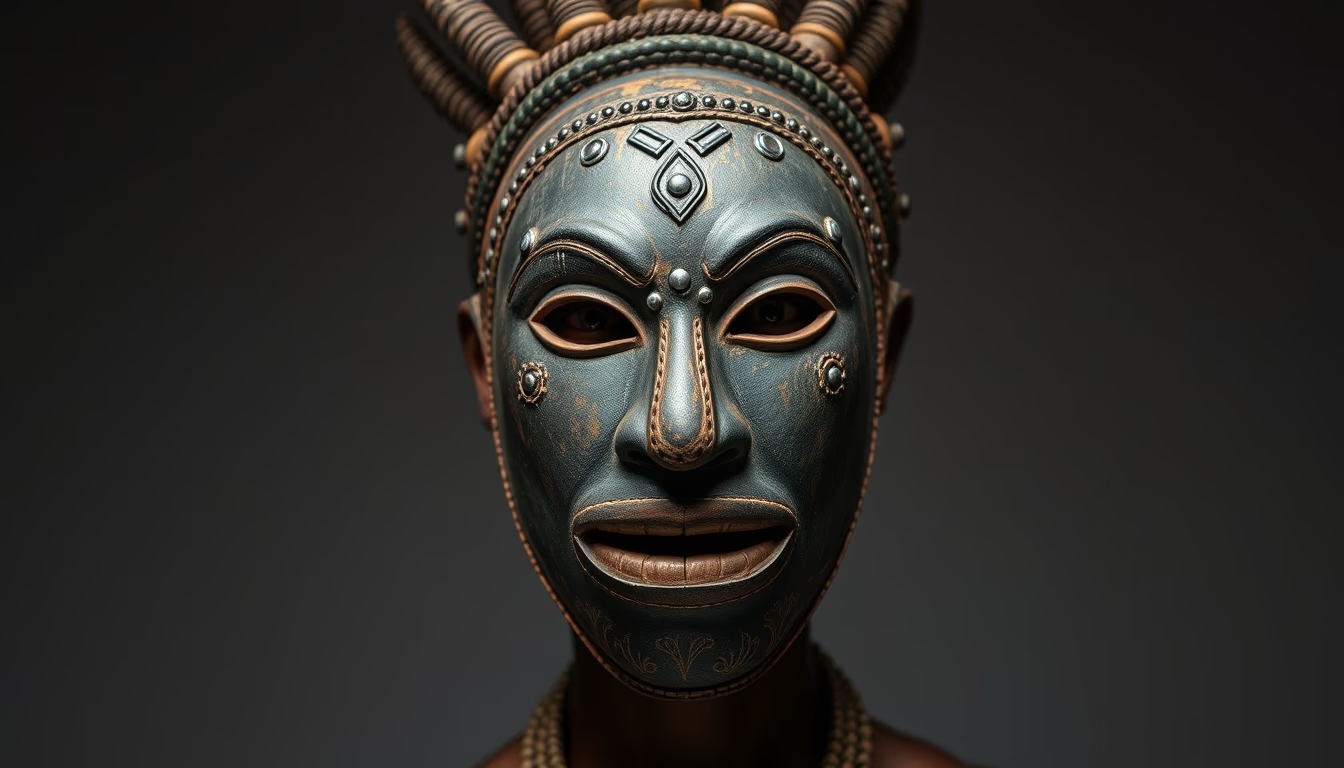
African tribal masks are ceremonial and artistic objects that represent the rich cultural diversity of the continent, used in religious, social, and initiation rituals.
About this subject
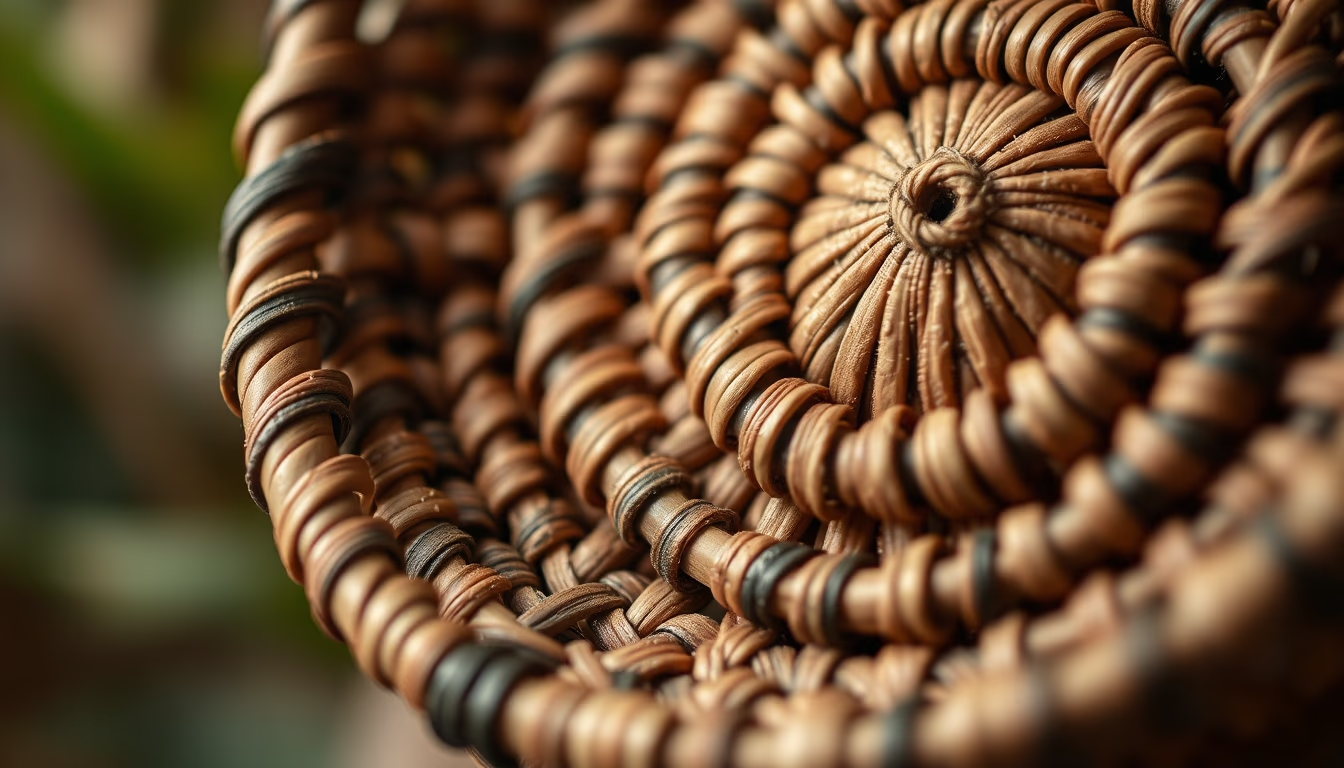
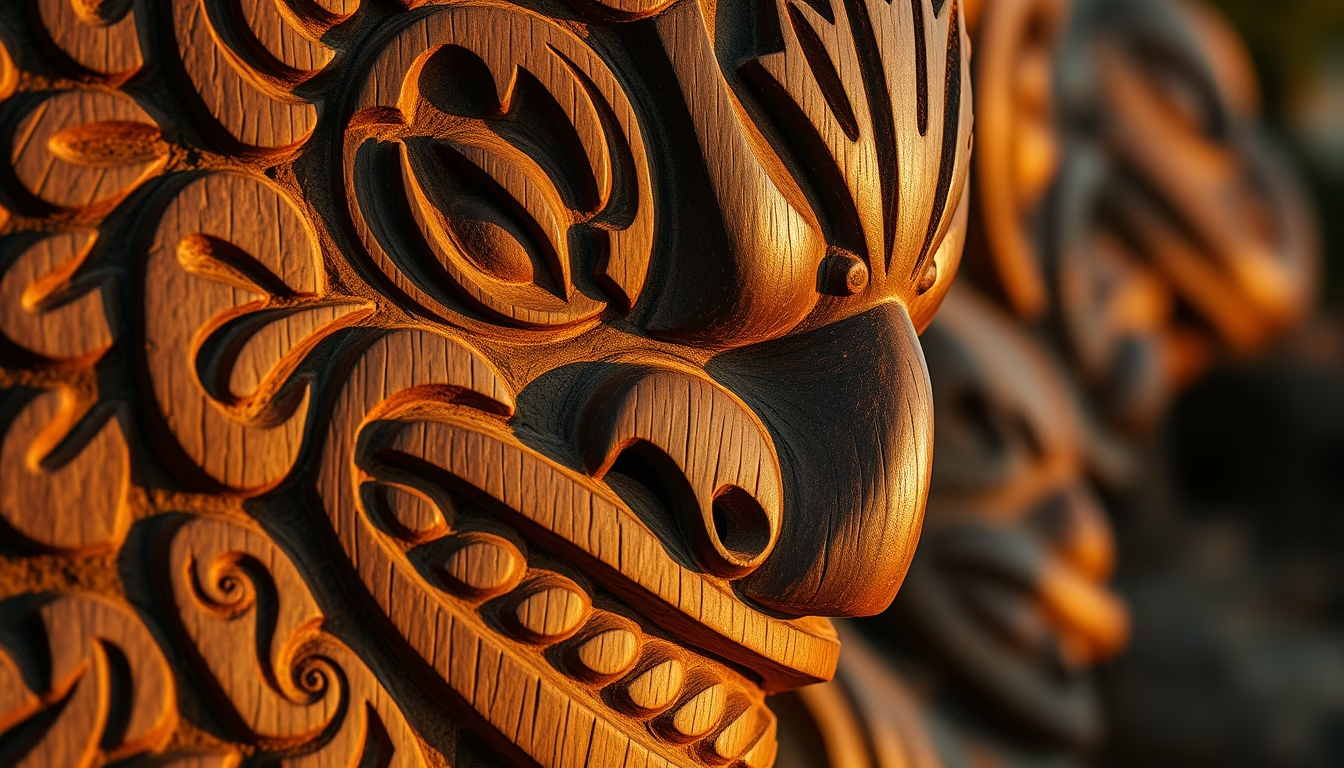
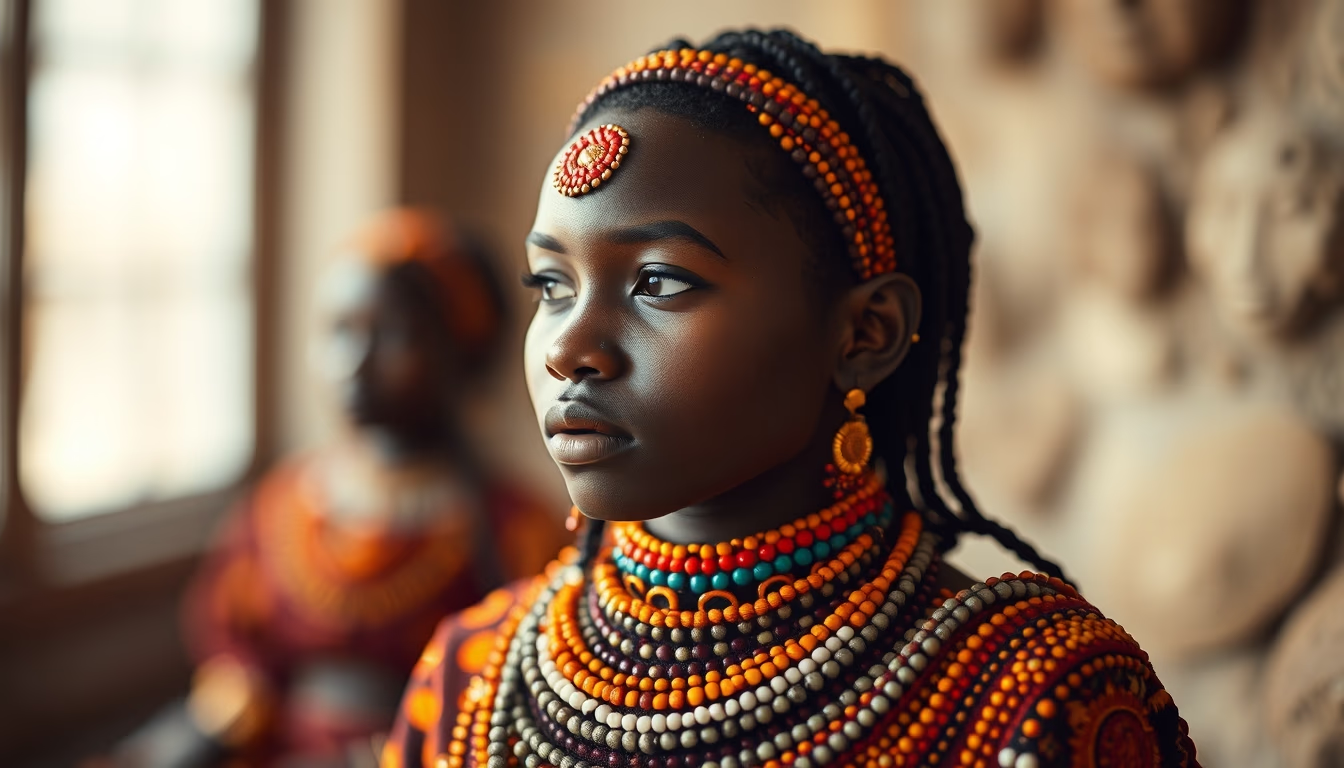
African tribal masks are artifacts deeply rooted in the traditions and spirituality of various peoples across the continent. Each mask carries a unique symbolic meaning, often associated with natural forces, ancestors, or deities. They are carved from wood, ivory, ceramic, or fabric, and adorned with elements like feathers, shells, beads, and natural pigments. Ethnic groups such as the Dogon (Mali), Baule (Ivory Coast), Fang (Gabon), and Chokwe (Angola) have distinct masked traditions, each with specific styles and purposes.
In ceremonies, masks are worn by dancers who embody the represented spirit, mediating between the human and supernatural worlds. They play roles in rites of passage, such as youth initiation, funerals, agricultural festivals, and healing ceremonies. Beyond ritual value, many masks have become highly prized artworks in the international market, influencing modern artists like Pablo Picasso and André Breton, who saw in them a primal expression of human creativity.
The making of a mask is a sacred process, often performed by specialized sculptors who follow strict traditional rules. The wood used is usually chosen for its spiritual properties, and the carving act is accompanied by prayers and offerings. Over time, the use of masks has evolved, and today they are also produced for tourism and the art market, but communities keep the ceremonial practice alive, preserving an ancient cultural heritage.
Frequently Asked Questions
What are African tribal masks used for?
African tribal masks are used in religious rituals, initiation ceremonies, funerals, agricultural festivals, and healing rites. They represent spirits, ancestors, or deities, and the wearer embodies that entity during dances.
What materials are African masks made of?
Traditionally, wood is the most common material, but ivory, ceramic, fabric, metals, and plant fibers are also used. Decorations include feathers, shells, beads, bones, and natural pigments like kaolin and ochre.
Are African tribal masks still made today?
Yes, many communities continue to produce masks for traditional ceremonies and also for the art market and tourism. While the ritual significance remains, contemporary production also caters to a global collector market.
Direct URL
https://pub-c7d6a6ea828543ac903a74a341ccb2e1.r2.dev/imagens/african-tribal-mask-macro-closeup-fresh0.avifHow to credit
Include a visible link back to UtilizAí. Copy one of the snippets below:
<a href="https://xn--utiliza-eza.com/en/midia/imagens/african-tribal-mask-macro-closeup-fresh0">African tribal mask</a> by <a href="https://xn--utiliza-eza.com">UtilizAí</a>, licensed under <a href="https://creativecommons.org/licenses/by/4.0/">CC BY 4.0</a>.
[African tribal mask](https://xn--utiliza-eza.com/en/midia/imagens/african-tribal-mask-macro-closeup-fresh0) by [UtilizAí](https://xn--utiliza-eza.com), CC BY 4.0
License: CC-BY-4.0