African tribal mask
1344×768 · AVIF · CC BY 4.0
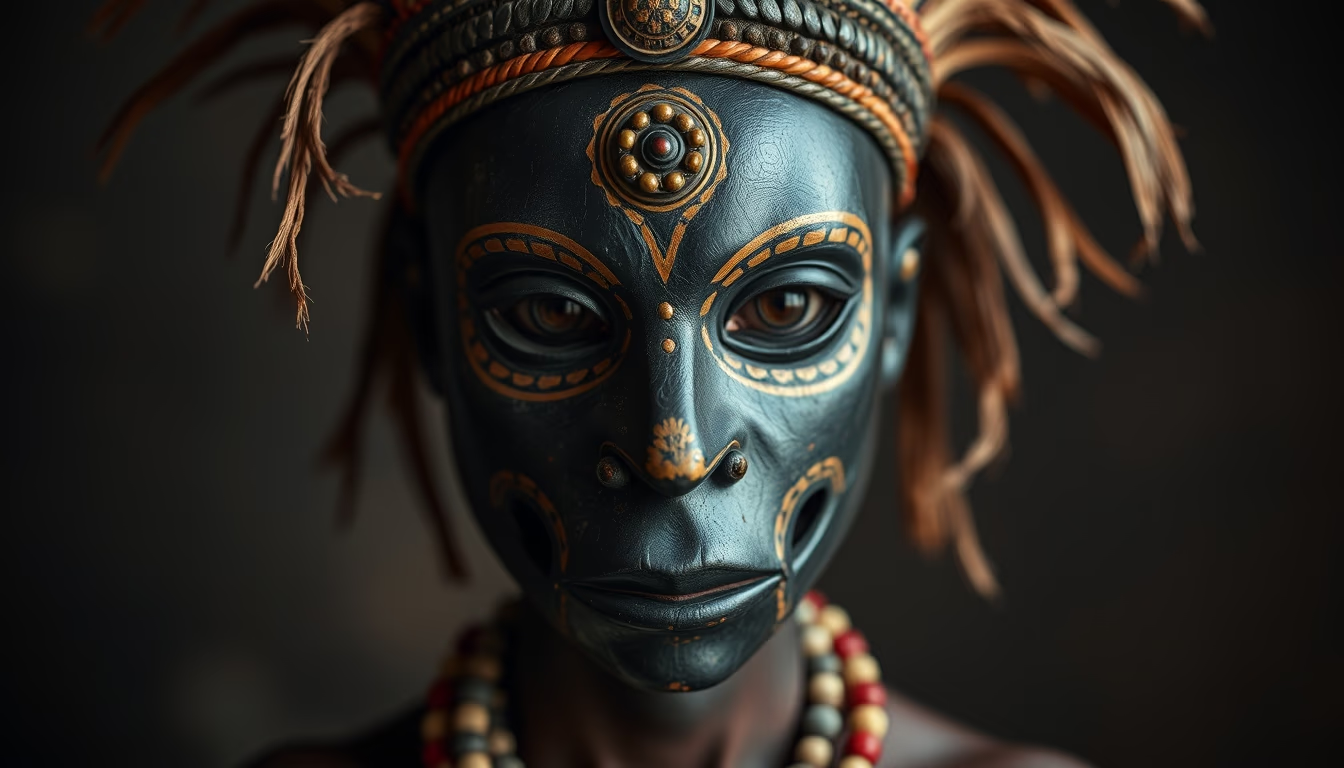
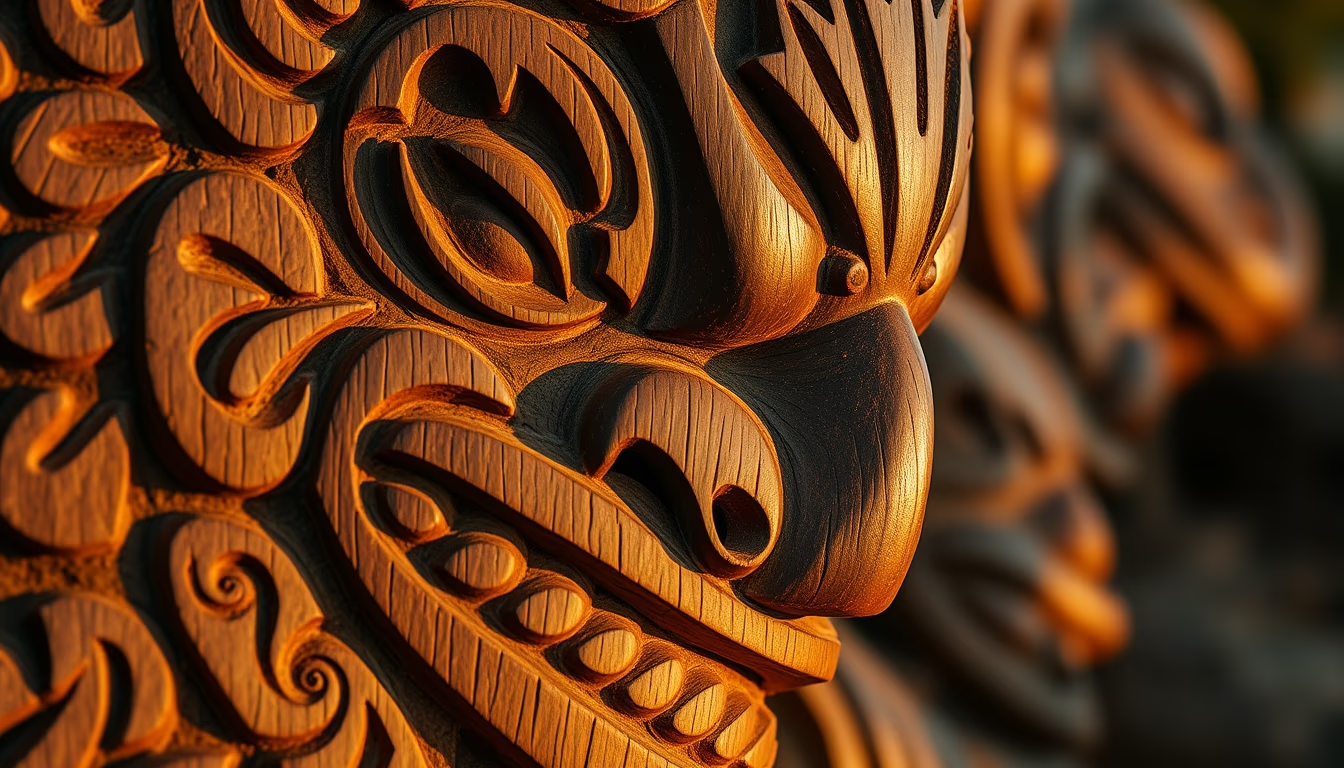
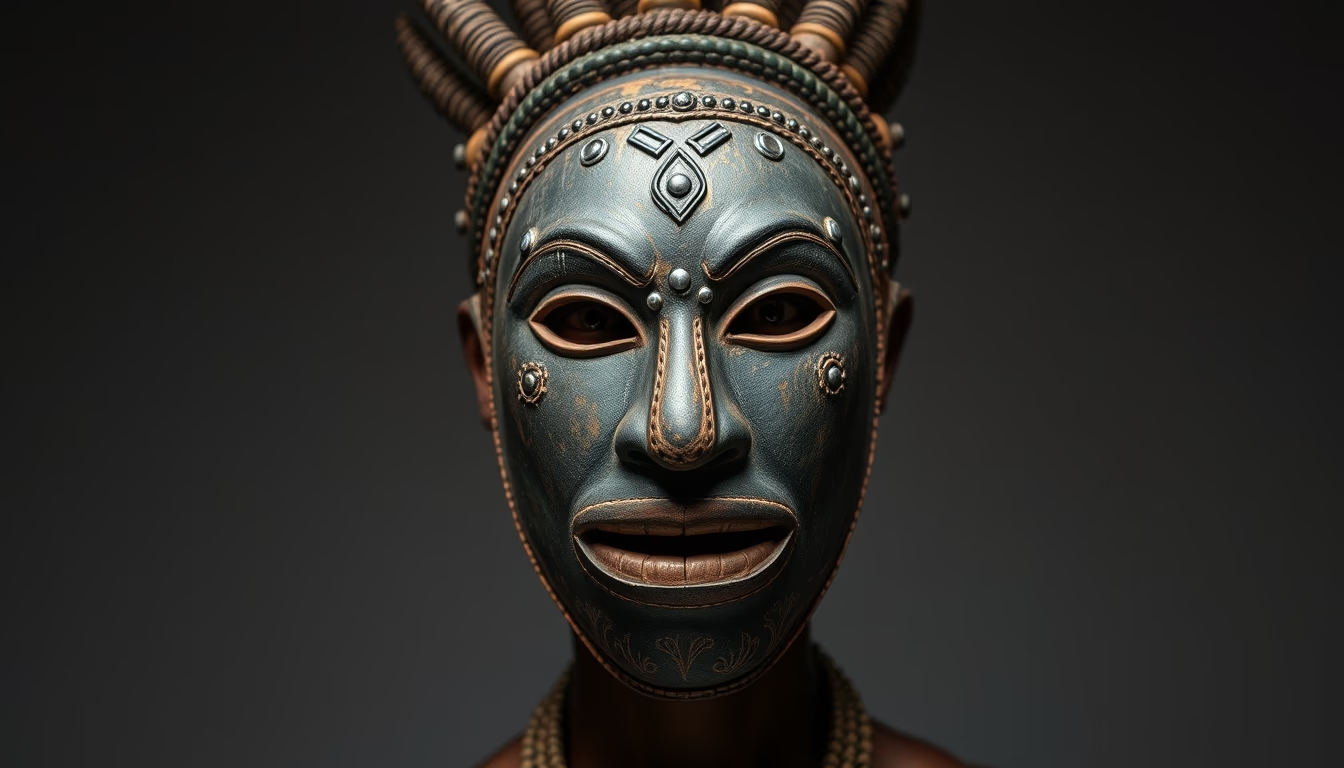
African tribal masks are ritual artifacts with deep spiritual and cultural significance, carved in wood by communities from various ethnic groups.
About this subject
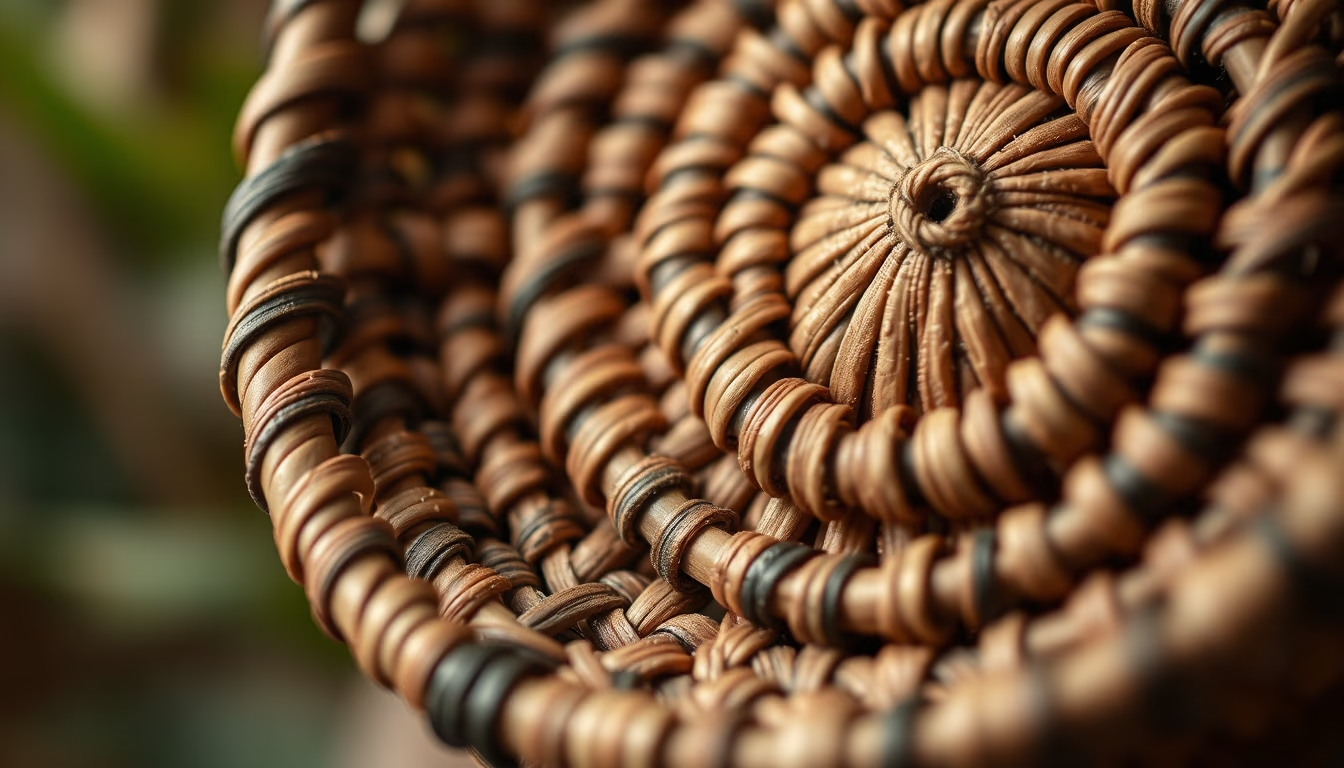
African tribal masks represent one of the oldest and most expressive art forms on the continent. Used in religious ceremonies, rites of passage, festivals, and funerals, each mask is carved with intention and carries specific symbolism. Common materials include wood, ivory, fabric, and metals, often combined with natural pigments, feathers, and fibers.
Among the most renowned ethnic groups for their masks are the Dogon (Mali), whose Kanaga masks represent the creator of the universe; the Dan (Ivory Coast and Liberia), which produce helmet masks with round eyes and protruding mouths; and the Fang (Gabon), whose Ngil masks were used in justice ceremonies. The Chokwe (Angola, DRC) create Mwana Pwo masks, which honor the ancestral woman and fertility.
The making of a mask is a ritualized process: the carver, often an initiate, must follow sacred rules and may undergo purification. The mask is not a mere decorative object but a vehicle for ancestral spirits or deities during dance. Color use also carries meaning: white can symbolize spirits, red life or danger, and black darkness or renewal.
Unfortunately, many masks were looted during the colonial era and now reside in Western museums. Recognition of their cultural and artistic value has led to repatriation movements and bans on illegal export. UNESCO lists several mask-related practices as Intangible Cultural Heritage of Humanity, such as the Gelede of the Yoruba (Benin, Nigeria).
Frequently Asked Questions
What is the spiritual meaning of African tribal masks?
Masks are considered vessels for ancestral spirits or deities. During rituals, the wearer embodies the represented being, mediating between the human and supernatural worlds.
What materials are African masks made from?
Wood is the most common material, but also ivory, bone, cloth, metals, plant fibers, feathers, shells, and natural pigments like kaolin and ochre are used.
How did African masks influence modern art?
Artists like Picasso and Matisse were inspired by the aesthetics of African masks, especially Fang and Dan, to develop Cubism and Expressionism in the early 20th century.
Direct URL
https://pub-c7d6a6ea828543ac903a74a341ccb2e1.r2.dev/imagens/african-tribal-mask-lo-fi-disposable-camera-fresh9.avifHow to credit
Include a visible link back to UtilizAí. Copy one of the snippets below:
<a href="https://xn--utiliza-eza.com/en/midia/imagens/african-tribal-mask-lo-fi-disposable-camera-fresh9">African tribal mask</a> by <a href="https://xn--utiliza-eza.com">UtilizAí</a>, licensed under <a href="https://creativecommons.org/licenses/by/4.0/">CC BY 4.0</a>.
[African tribal mask](https://xn--utiliza-eza.com/en/midia/imagens/african-tribal-mask-lo-fi-disposable-camera-fresh9) by [UtilizAí](https://xn--utiliza-eza.com), CC BY 4.0
License: CC-BY-4.0